
Credits and licences
- #1 — vueltaalhuerto illustration
- #2 — vueltaalhuerto illustration
- #3 — vueltaalhuerto illustration
- #4 — vueltaalhuerto illustration
- #5 — vueltaalhuerto illustration
- #6 — vueltaalhuerto illustration
- #7 — vueltaalhuerto illustration
- #8 — vueltaalhuerto illustration
- #9 — vueltaalhuerto illustration
Jostaberry
and 1 more names
Ribes nidigrolariaJostaberry is planted from November to March. It is harvested from July to August. Grow it in sun or partial shade, 150 cm apart, with moderate watering. Dates are for a mild temperate climate in the northern hemisphere; the calendar below adjusts them to your zone.
A vigorous, thornless deciduous shrub 1.5 to 2 m tall, with lobed leaves like those of the blackcurrant and small, bell-shaped, greenish-pink flowers in spring. It is a complex hybrid between the blackcurrant and the gooseberry, created in Germany in the 20th century, which bears large berries, from almost black to dark violet, ripening in small clusters of a few fruits and tasting somewhere between its two parents, sweet and slightly sharp. It is very cold-hardy and is said to resist American gooseberry mildew. It prefers cool climates and moist soil; in hot inland areas or on the Mediterranean coast it suffers in summer and needs partial shade. Do not confuse it with the blackcurrant (Ribes nigrum), the gooseberry (Ribes uva-crispa) or the old, almost sterile hybrid Ribes × culverwellii, which is sometimes also called josta.
Family and origin: Currant family (Grossulariaceae) · native to Germany (bred hybrid) · More plants from Temperate Europe
01In your area
How will it do in your garden?
Year calendar
| Task | J | F | M | A | M | J | J | A | S | O | N | D |
|---|---|---|---|---|---|---|---|---|---|---|---|---|
| Plant / transplantNov–Mar | yes | yes | yes | no | no | no | no | no | no | no | yes | yes |
| HarvestJul–Aug | no | no | no | no | no | no | yes | yes | no | no | no | no |
| FloweringApr–May | no | no | no | yes | yes | no | no | no | no | no | no | no |
| PruningJan–Feb | yes | yes | no | no | no | no | no | no | no | no | no | no |
| CuttingsNov–Feb | yes | yes | no | no | no | no | no | no | no | no | yes | yes |
Its life cycle at a glance
Swipe and tap a stage to see its details.
02Planting
Where and how to plant it
Leave 1.5 m between plants and 2 m between rows.
1.5 m between plants · 2 m between rows
Seedlings are planted with the root ball level with the soil.
- In a square-foot bed
- 1 plant every 25 squares30 × 30 cm squares
- Transplanting
- Nov–Mar
03Care
Care through the year
Sun and aspectSun and shade · 5 h of sun · shade in summer
- Too little sun
- Ideal range
- Plenty of sun
East, or south with light shade during the middle of the day
Moderate sun: Copes with full sun, but give it some shade during heatwaves.
Morning sun and afternoon shade in warm areas; in cool climates it tolerates full sun and fruits more heavily.
WateringMoist but never waterlogged · summer: every 2-3 days
- Summerevery 2-3 days8 L per tree/week
- Spring / Autumnevery 4-5 days4 L per tree/week
- Winterevery 2-3 weeks1.2 L per tree/week
Moist but never waterlogged: Water before the surface is completely dry. Never puddles. Mulch: straw or dry plant material cuts watering by 30-50 %.
Cool, moist soil, with regular watering in summer, especially while the berries are swelling, and a good mulch of compost or bark to keep the moisture in.
When to water? Push your finger 3 cm into the soil next to the base of the plant:
- Damp: soil sticks to your finger. Do not water today. The moisture is fine.
- Cool but clean, no mud. Water early tomorrow if it stays like this, or this evening.
- Dry and dusty. Water now, and deeply. This is not where it likes to be.
Soil and feedingpH 5.5–7 · Cool, slightly acidic soil with organic matter
Cool, slightly acidic soil with organic matter.
Medium: constant moisture but no puddles.
This plant prefers a pH between 5.5 and 7.0 (slightly acidic to neutral).
- Use pine needles or pine bark as a mulch (they lower the pH little by little).
- Water with rainwater or softened water if your tap water is hard.
- Compost made from chestnut leaves or leaf litter in autumn keeps up the humus.
- Chalky or alkaline soils cause chlorosis (yellow leaves with green veins).
- Letting the roots dry out while fruiting ruins the harvest.
- TipPlant it in autumn or winter in cool soil rich in organic matter and with good drainage, about 1.5 m from other plants, and mulch with compost every spring.
- TipMulch the base: almost all berry bushes want cool, slightly acidic soil.
PruningWhen: Jan–Feb
Pruning time for this plant: Jan–Feb.
- TipPrune at the end of winter: in the first few years, just tip the shoots; from the third year onwards, remove some old branches from the base to renew the plant and let in light.
- Common mistakeNot pruning the canes that have already fruited leaves the clump congested.
Common mistakes and tips
- TipIt fruits on one- to three-year-old wood, so do not cut back too hard.
- TipThey are eaten fresh, in jam, in tarts or as juice.
- TipRenew old canes every year to keep up production and air flow.
04Harvest
Harvesting and storing
Harvest in Jul–Aug.
- TipPick the berries when they are dark and come away easily, through July and August, and net them if birds are about.
- Common mistakeLetting it dry out while fruiting ruins the harvest.
05Propagation
Make new plants
It is planted bare-root in winter, or at any time of year if pot-grown. It is propagated from hardwood cuttings, taken while dormant (between November and February), about 20 to 25 cm long and as thick as a pencil, with the base cut just below a bud, and buried leaving only two buds above ground. The cultivar stays true; seed-grown plants do not reproduce the variety.
06Uses and health
What it is used for, and with what care
No known toxicity to people in culinary use. There are no solid data on pets and this plant: to be safe, do not give them the berries in quantity. Do not confuse it with dried currants (Corinth raisins), which are dried grapes and are toxic to dogs.
- Properties
- Berries with vitamin C and anthocyanins, like those of its relatives in the currant family; no proven therapeutic effects are known.
- Uses
- It is eaten fresh, in jam, compote, tarts and juice, on its own or mixed with other red fruits. The flavour combines a hint of blackcurrant with the sharpness of gooseberry.
For guidance only; this is not medical treatment and does not replace advice from a doctor or vet.
07Companions and related plants
What to plant it with
Good companions
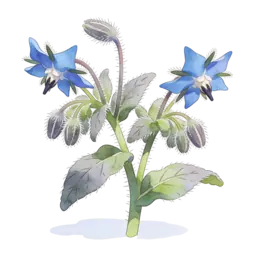
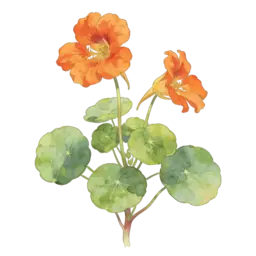
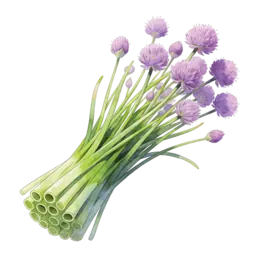
Group it in the same bedPlants with the same watering or the same sun
They are not essential companions, but you will not have to water or position them differently.