
Credits and licences
- #1 — vueltaalhuerto illustration
- #2 — vueltaalhuerto illustration
- #3 — vueltaalhuerto illustration
- #4 — vueltaalhuerto illustration
- #5 — vueltaalhuerto illustration
- #6 — vueltaalhuerto illustration
- #7 — vueltaalhuerto illustration
- #8 — vueltaalhuerto illustration
- #9 — vueltaalhuerto illustration
- #10 — vueltaalhuerto illustration
Bladder campion
and 1 more names
Silene cucubalusBladder campion is sown directly outdoors from March to April and from September to October. It is harvested from February to May (about 70 days to the first harvest). Grow it in sun or partial shade, 25 cm apart, with little watering. Dates are for a mild temperate climate in the northern hemisphere; the calendar below adjusts them to your zone.
What else to sow in March, April, September and October
A wild perennial herb with lance-shaped, slightly bluish leaves, branching stems and white flowers with a very inflated calyx, like a little veined balloon. The tender shoots and leaves in spring are a traditional vegetable in much of Spain, where they are eaten boiled, in omelettes, in rice dishes, in stews and in scrambled eggs, with a mild flavour reminiscent of young peas. It is easy to grow in a corner of the vegetable garden, in a pot or in a bed, and copes well with drought. In some Spanish regions the name colleja is also used for similar species (Silene latifolia, Silene dioica or other campions), and the young plant can be confused with other wild herbs: if you are not completely sure, do not forage for it, and grow it from labelled seed instead.
Family and origin: Pink family (Caryophyllaceae) · native to Europe, North Africa and western Asia · More plants from Temperate Europe
01In your area
How will it do in your garden?
Year calendar
| Task | J | F | M | A | M | J | J | A | S | O | N | D |
|---|---|---|---|---|---|---|---|---|---|---|---|---|
| Direct sowingMar–Apr, Sep–Oct | no | no | yes | yes | no | no | no | no | yes | yes | no | no |
| Plant / transplantMar–Apr, Oct–Nov | no | no | yes | yes | no | no | no | no | no | yes | yes | no |
| HarvestFeb–May | no | yes | yes | yes | yes | no | no | no | no | no | no | no |
| Divide the clumpMar, Oct | no | no | yes | no | no | no | no | no | no | yes | no | no |
Its life cycle at a glance
Swipe and tap a stage to see its details.
02Planting
Where and how to plant it
Sow the seed 2 mm deep; leave 25 cm between plants and 40 cm between rows.
25 cm between plants · 40 cm between rows
Seed at a depth of 2 mm; seedlings go in with the root ball level with the soil.
- In a square-foot bed
- 1 plant per square30 × 30 cm squares
- Transplanting
- Mar–Apr, Oct–Nov
- Direct sowing
- Mar–Apr, Sep–Oct
- Germination
- ~14 days
- TipSow it in a bed of its own, because it is perennial and spreads by runners, or in a large pot.
- TipSow in succession, a little every two or three weeks, so you get tender leaves without everything maturing at once.
- Common mistakeSowing in heat and long days: many bolt as soon as temperatures rise; better in the cool seasons.
03Care
Care through the year
Sun and aspectSun and shade · 5 h of sun · shade in summer
- Too little sun
- Ideal range
- Plenty of sun
East, or south with light shade in the middle of the day
Moderate sun: Copes with full sun, but give it some shade during heatwaves.
Sun or partial shade; in very hot areas afternoon shade helps keep the leaves tender.
WateringLet it dry out between waterings · summer: every 5-7 days
- Summerevery 5-7 days1 L per plant/week
- Spring / Autumnevery 10-14 days0.4 L per plant/week
- Winteronly in extreme drought (once a month)0.2 L per plant/week
Let it dry out between waterings: A Mediterranean favourite: better thirsty than overwatered.
Water sparingly, only in dry spells; it tolerates drought well once established. Slightly moist soil in spring gives more tender shoots.
When to water? Push your finger 5 cm into the soil next to the base of the plant:
- Damp: soil sticks to your finger. Do not water yet. It has more than enough; wait for it to dry out more.
- Cool but clean, no mud. Wait another 1-2 days before watering.
- Dry and dusty. Water now, but moderately. Do not overdo it: it prefers thirst to excess.
Soil and feedingpH 6–8 · Rich, airy loam
Rich, airy loam.
40 % topsoil · 40 % well-rotted compost · 20 % perlite or sand.
Medium: moist but never waterlogged.
This plant prefers a pH between 6.0 and 8.0 (slightly acidic to alkaline).
- Well-rotted compost every season and well-decomposed manure in autumn.
- Mulch with straw or dry plant material to hold moisture and smother weeds.
- Rotate crops: do not grow the same family in the same spot two years running.
- Compacted soil or unbroken clay can halve the harvest.
- Watering with a hose from above compacts the soil: drip irrigation or watering at the base is better.
- Common mistakeLetting the soil dry out or watering in fits and starts toughens and embitters the leaves and brings on bolting (running to flower).
Common mistakes and tips
- TipCut the tender shoots about 10 to 15 cm long in spring, before it flowers, and the clump will regrow.
- TipIt is always eaten cooked: boil for a few minutes, drain, then sauté or stew; raw, only very tender leaves and in small amounts.
- TipIt contains saponins, which are irritant if eaten raw and in quantity.
- TipIf you do not want it to spread, cut the flowers before they set seed.
04Harvest
Harvesting and storing
Harvest in Feb–May; the first, about 70 days after sowing.
- TipWater lightly and often, and harvest young or pick the outer leaves: it regrows and stays tender.
- Common mistakeLeaving the harvest too late: the leaves turn stringy or bitter.
05Propagation
Make new plants
Propagated by seed, sown very shallowly in autumn or spring, and by dividing the clumps, because it forms underground runners that produce new rosettes. The seed is tiny and germinates in two or three weeks in mild temperatures. Divide a clump in autumn or at the end of winter.
Seeds: how to germinate them~14 days
06Uses and health
What it is used for, and with what care
WARNING: it contains saponins, which irritate the stomach if eaten raw and in quantity; that is why it is always cooked. Only eat plants you have grown yourself or can identify with complete certainty, because the young plant can be confused with other wild herbs; do not forage beside roads, in sprayed crops or in areas used by dogs. If you are pregnant or have digestive problems, eat it with caution. In dogs and cats, eating a lot of the plant can cause digestive upset.
- Properties
- A traditional wild vegetable that provides fibre and vitamins like any leafy green and has always been used in rural cooking; its main value is culinary.
- Uses
- The tender spring shoots and leaves are boiled for a few minutes and drained, then sautéed with garlic or added to omelettes, scrambled eggs, rice dishes, stews and soups. Raw, only very tender leaves and in small amounts.
For guidance only; this is not medical treatment and does not replace advice from a doctor or vet.
07Companions and related plants
What to plant it with
Good companions
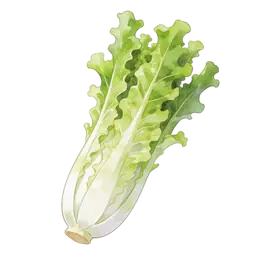
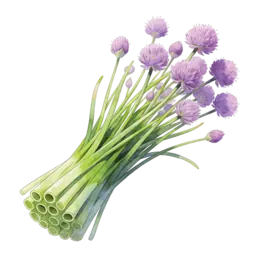
Group it in the same bedPlants with the same watering or the same sun
They are not essential companions, but you will not have to water or position them differently.