
Credits and licences
- #1 — vueltaalhuerto illustration
- #2 — vueltaalhuerto illustration
- #3 — vueltaalhuerto illustration
- #4 — vueltaalhuerto illustration
- #5 — vueltaalhuerto illustration
- #6 — vueltaalhuerto illustration
- #7 — vueltaalhuerto illustration
- #8 — vueltaalhuerto illustration
Gooseberry
Gooseberry is planted from November to March. It is harvested from June to July. Grow it in sun or partial shade, 120 cm apart, with moderate watering. Dates are for a mild temperate climate in the northern hemisphere; the calendar below adjusts them to your zone.
A thorny shrub with large berries, green, yellowish or reddish depending on the variety, sharp if picked early and much sweeter when fully ripe. They are used in jam, stewed fruit and baking. It is very hardy and appreciates cool climates; in southern Spain it suffers in the summer heat.
Family and origin: Currant family (Grossulariaceae) · native to Europe and the Caucasus · More plants from Temperate Europe
01In your area
How will it do in your garden?
Year calendar
| Task | J | F | M | A | M | J | J | A | S | O | N | D |
|---|---|---|---|---|---|---|---|---|---|---|---|---|
| Plant / transplantNov–Mar | yes | yes | yes | no | no | no | no | no | no | no | yes | yes |
| HarvestJun–Jul | no | no | no | no | no | yes | yes | no | no | no | no | no |
| FloweringMar–Apr | no | no | yes | yes | no | no | no | no | no | no | no | no |
| PruningDec–Feb | yes | yes | no | no | no | no | no | no | no | no | no | yes |
| CuttingsFeb–Mar, Oct–Nov | no | yes | yes | no | no | no | no | no | no | yes | yes | no |
Its life cycle at a glance
Swipe and tap a stage to see its details.
02Planting
Where and how to plant it
Leave 1.2 m between plants and 2 m between rows.
1.2 m between plants · 2 m between rows
Seedlings are planted with the root ball level with the soil.
- In a square-foot bed
- 1 plant every 16 squares30 × 30 cm squares
- Transplanting
- Nov–Mar
03Care
Care through the year
Sun and aspectSun and shade · 5 h of sun · shade in summer
- Too little sun
- Ideal range
- Plenty of sun
East, or south with light shade during the middle of the day
Moderate sun: Copes with full sun, but give it some shade during heatwaves.
WateringMoist but never waterlogged · summer: every 2-3 days
- Summerevery 2-3 days8 L per tree/week
- Spring / Autumnevery 4-5 days4 L per tree/week
- Winterevery 2-3 weeks1.2 L per tree/week
Moist but never waterlogged: Water before the surface is completely dry. Never puddles. Mulch: straw or dry plant material cuts watering by 30-50 %.
When to water? Push your finger 3 cm into the soil next to the base of the plant:
- Damp: soil sticks to your finger. Do not water today. The moisture is fine.
- Cool but clean, no mud. Water early tomorrow if it stays like this, or this evening.
- Dry and dusty. Water now, and deeply. This is not where it likes to be.
Soil and feedingCool, slightly acidic soil with organic matter
Cool, slightly acidic soil with organic matter.
Medium: constant moisture but no puddles.
This plant prefers a pH between 5.0 and 6.5 (acidic to neutral).
- Use pine needles or pine bark as a mulch (they lower the pH little by little).
- Water with rainwater or softened water if your tap water is hard.
- Compost made from chestnut leaves or leaf litter in autumn keeps up the humus.
- Chalky or alkaline soils cause chlorosis (yellow leaves with green veins).
- Letting the roots dry out while fruiting ruins the harvest.
- TipGrow it in partial shade in warm areas and in full sun in cool ones, with a mulch to keep the soil moist.
- TipMulch the base: almost all berry bushes want cool, slightly acidic soil.
PruningWhen: Dec–Feb
Pruning time for this plant: Dec–Feb.
- Common mistakeNot pruning the canes that have already fruited leaves the clump congested.
Common mistakes and tips
- TipWatch out for powdery mildew, which covers leaves and fruit with a white dust, and for sawfly larvae, which can strip it of leaves in a few days.
- TipRenew old canes every year to keep up production and air flow.
04Harvest
Harvesting and storing
Harvest in Jun–Jul.
- TipIt fruits at the base of the previous year's shoots and on spurs on the old wood, so in winter train it into an open goblet shape: remove branches that touch the ground and any that cross the centre, and you will be pricked less when harvesting.
- Common mistakeLetting it dry out while fruiting ruins the harvest.
05Propagation
Make new plants
Plant it bare-root or root-balled during winter dormancy, or pot-grown at any time except midsummer. It is propagated from hardwood cuttings in autumn or at the end of winter, although these root less readily than those of currants; layering is more reliable: bury a low branch in spring and separate it the following winter.
06Uses and health
What it is used for, and with what care
- Properties
- Berries rich in vitamin C and fibre.
- Uses
- Ripe fruit fresh; unripe, in jam, stewed fruit and baking.
For guidance only; this is not medical treatment and does not replace advice from a doctor or vet.
07Companions and related plants
What to plant it with
Good companions
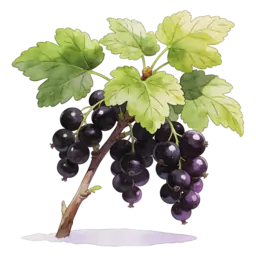
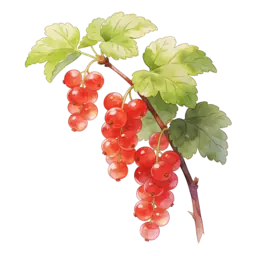
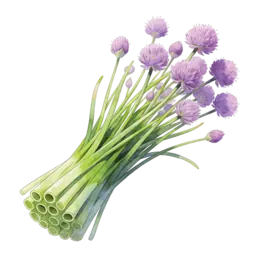
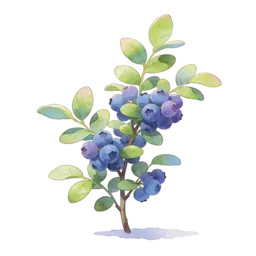
Group it in the same bedPlants with the same watering or the same sun
They are not essential companions, but you will not have to water or position them differently.
Same watering · Moderate watering
Compare with similar varieties
| Variety | Sowing | Harvest | Days | Spacing | Difficulty |
|---|---|---|---|---|---|
| White currant | Nov–Mar | Jun–Jul | — | 150 cm | Easy |
| Gooseberry | Nov–Mar | Jun–Jul | — | 120 cm | Easy |
| Blackcurrant (cassis) | Nov–Mar | Jul | — | 150 cm | Easy |
| Redcurrant | Nov–Mar | Jun–Jul | — | 150 cm | Easy |
No known toxicity to people or pets
No known toxicity for people or pets.