
Credits and licences
- #1 — vueltaalhuerto illustration
- #2 — vueltaalhuerto illustration
- #3 — vueltaalhuerto illustration
- #4 — vueltaalhuerto illustration
- #5 — vueltaalhuerto illustration
- #6 — vueltaalhuerto illustration
- #7 — vueltaalhuerto illustration
- #8 — vueltaalhuerto illustration
Eureka lemon
Eureka lemon is planted from March to May and from September to October. It is harvested from September to March. Grow it in full sun, 350 cm apart, with moderate watering. Dates are for a mild temperate climate in the northern hemisphere; the calendar below adjusts them to your zone.
An almost thornless lemon with elongated, very sour and juicy fruit, which flowers nearly all year round. It is sensitive to cold.
Family and origin: Citrus family (Rutaceae) · native to United States (California) · More plants from Southeast Asia
01In your area
How will it do in your garden?
Year calendar
| Task | J | F | M | A | M | J | J | A | S | O | N | D |
|---|---|---|---|---|---|---|---|---|---|---|---|---|
| Plant / transplantMar–May, Sep–Oct | no | no | yes | yes | yes | no | no | no | yes | yes | no | no |
| HarvestSep–Mar | yes | yes | yes | no | no | no | no | no | yes | yes | yes | yes |
| FloweringMar–May, Sep–Oct | no | no | yes | yes | yes | no | no | no | yes | yes | no | no |
| PruningFeb–Mar | no | yes | yes | no | no | no | no | no | no | no | no | no |
| CuttingsApr–Jun | no | no | no | yes | yes | yes | no | no | no | no | no | no |
Its life cycle at a glance
Swipe and tap a stage to see its details.
02Planting
Where and how to plant it
Leave 3.5 m between plants.
3.5 m between plants
Seedlings are planted with the root ball level with the soil.
- In a square-foot bed
- 1 plant every 144 squares30 × 30 cm squares
- Transplanting
- Mar–May, Sep–Oct
03Care
Care through the year
Sun and aspectFull sun · 8 h of sun · South or south-west, with nothing casting shade at midday
- Too little sun
- Ideal range
- Plenty of sun
South or south-west, with nothing casting shade at midday
Strong sun: Loves full midday sun and high temperatures.
- TipIt needs a sunny spot sheltered from cold northerly winds.
WateringMoist but never waterlogged · summer: every 2-3 days
- Summerevery 2-3 days30 L per tree/week
- Spring / Autumnevery 4-5 days15 L per tree/week
- Winterevery 2-3 weeks4.5 L per tree/week
Moist but never waterlogged: Water before the surface is completely dry. Never puddles. Mulch: straw or dry plant material cuts watering by 30-50 %.
When to water? Push your finger 3 cm into the soil next to the base of the plant:
- Damp: soil sticks to your finger. Do not water today. The moisture is fine.
- Cool but clean, no mud. Water early tomorrow if it stays like this, or this evening.
- Dry and dusty. Water now, and deeply. This is not where it likes to be.
Soil and feedingA deep planting hole and well-drained soil
A deep planting hole and well-drained soil.
The site's own topsoil + 1/3 well-rotted compost + a handful of sand if there is clay.
Good: prolonged waterlogging rots the roots.
This plant prefers a pH between 6.0 and 7.0 (slightly acidic to neutral).
- Dig a hole at least 60×60×60 cm before planting.
- A thick mulch around the tree (not touching the trunk) reduces water stress.
- Spread compost on the surface every autumn; never bury the graft union.
- A narrow hole in hard ground: the roots end up trapped as if in a pot.
- Burying the graft encourages rot and takes vigour away from the rootstock.
- TipFeed in spring and summer with a specific citrus fertiliser and avoid too much nitrogen.
- TipWater deeply and not too often: the roots suffocate if the soil becomes waterlogged.
- Common mistakeDo not bury the graft union (the bulge on the trunk): if it ends up below ground it rots. Leave it a little above the soil.
PruningWhen: Feb–Mar
Pruning time for this plant: Feb–Mar.
- TipPlant while dormant (autumn to winter) and shape the canopy by pruning in the first few years.
04Harvest
Harvesting and storing
Harvest in Sep–Mar.
- TipA good mulch and drip irrigation in summer make all the difference to the harvest.
05Propagation
Make new plants
Plant in spring or in a mild autumn (March to May, or September and October), never when there is a risk of frost. The normal thing is to buy a grafted tree: the rootstock (Carrizo citrange, Citrus macrophylla, Cleopatra mandarin…) gives it tolerance to tristeza virus and gummosis and adapts it to the soil. Lemons and limes do root well from semi-ripe cuttings in spring, but a tree on its own roots is more susceptible to gummosis and to chalky soil; for planting in the ground, a grafted tree is preferable.
06Uses and health
What it is used for, and with what care
A wholesome fruit for people. In dogs and cats, the essential oils and psoralens in the peel can cause mild digestive upset; the fruit does not usually interest them.
- Properties
- A very juicy lemon, rich in vitamin C.
- Uses
- Juice and zest in cooking, baking and drinks.
For guidance only; this is not medical treatment and does not replace advice from a doctor or vet.
07Companions and related plants
What to plant it with
Good companions

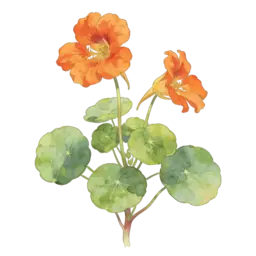
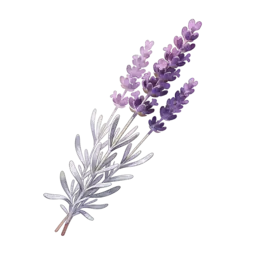
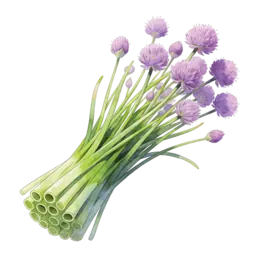
Group it in the same bedPlants with the same watering or the same sun
They are not essential companions, but you will not have to water or position them differently.
Same watering · Moderate watering
Compare with similar varieties
| Variety | Sowing | Harvest | Days | Spacing | Difficulty |
|---|---|---|---|---|---|
| Eureka lemon | Mar–May, Sep–Oct | Sep–Mar | — | 350 cm | Moderate |
| Meyer lemon | Mar–May, Sep–Oct | Nov–Mar | — | 300 cm | Easy |
| Verna lemon | Mar–May, Sep–Oct | Feb–Jul | — | 400 cm | Moderate |
| Four seasons lemon | Mar–May, Sep–Oct | all year round | — | 400 cm | Moderate |