Credits and licences
- #1 — vueltaalhuerto illustration
- #2 — vueltaalhuerto illustration
- #3 — vueltaalhuerto illustration
- #4 — vueltaalhuerto illustration
- #5 — vueltaalhuerto illustration
- #6 — vueltaalhuerto illustration
- #7 — vueltaalhuerto illustration
Hawthorn (common hawthorn)
and 4 more names
whitethorn, quickthorn, haws, Crataegus monogynaIt is harvested from September to October. Grow it in full sun, 200 cm apart, with little watering. Dates are for a mild temperate climate in the northern hemisphere; the calendar below adjusts them to your zone.
A thorny shrub of wild hedgerows, with white spring flowers and red fruits. Its flowers and fruits are traditionally used in herbal tea for the heart, but they enhance the effect of some medicines (read the health warning).
Family and origin: Rose family (Rosaceae) · native to Europe, North Africa and western Asia · More plants from Temperate Europe
01In your area
How will it do in your garden?
Year calendar
| Task | J | F | M | A | M | J | J | A | S | O | N | D |
|---|---|---|---|---|---|---|---|---|---|---|---|---|
| HarvestSep–Oct | no | no | no | no | no | no | no | no | yes | yes | no | no |
| FloweringApr–May | no | no | no | yes | yes | no | no | no | no | no | no | no |
Its life cycle at a glance
Swipe and tap a stage to see its details.
02Planting
Where and how to plant it
Sow the seed 1 cm deep; leave 2 m between plants.
2 m between plants
Seed at a depth of 1 cm.
- In a square-foot bed
- 1 plant every 49 squares30 × 30 cm squares
- TipThe seed is slow to germinate, often taking two winters, so the usual approach is to buy a young plant.
- Common mistakePlanting too deep smothers the crown of the plant.
03Care
Care through the year
Sun and aspectFull sun · 8 h of sun · South or south-west, with nothing casting shade at midday
- Too little sun
- Ideal range
- Plenty of sun
South or south-west, with nothing casting shade at midday
Strong sun: Loves full midday sun and high temperatures.
WateringLet it dry out between waterings · summer: every 5-7 days
- Summerevery 5-7 days3 L per plant/week
- Spring / Autumnevery 10-14 days1.2 L per plant/week
- Winteronly in extreme drought (once a month)0.5 L per plant/week
Let it dry out between waterings: A Mediterranean favourite: better thirsty than overwatered.
When to water? Push your finger 5 cm into the soil next to the base of the plant:
- Damp: soil sticks to your finger. Do not water yet. It has more than enough; wait for it to dry out more.
- Cool but clean, no mud. Wait another 1-2 days before watering.
- Dry and dusty. Water now, but moderately. Do not overdo it: it prefers thirst to excess.
- TipWater generously in the first year until it is established; after that it looks after itself.
Soil and feedingDeep soil with good drainage
Deep soil with good drainage.
Medium/high.
This plant prefers a pH between 6.0 and 7.5 (slightly acidic to slightly alkaline).
- Water generously in the first year until it is established.
- A thick mulch all year round, not touching the trunk.
- TipPlant it bare-root between November and February, like other deciduous shrubs; it tolerates almost any soil except waterlogged ground.
Pruning
- TipFormative pruning after flowering keeps the shape compact.
- Common mistakePruning at the wrong time removes the year's flower buds.
Common mistakes and tips
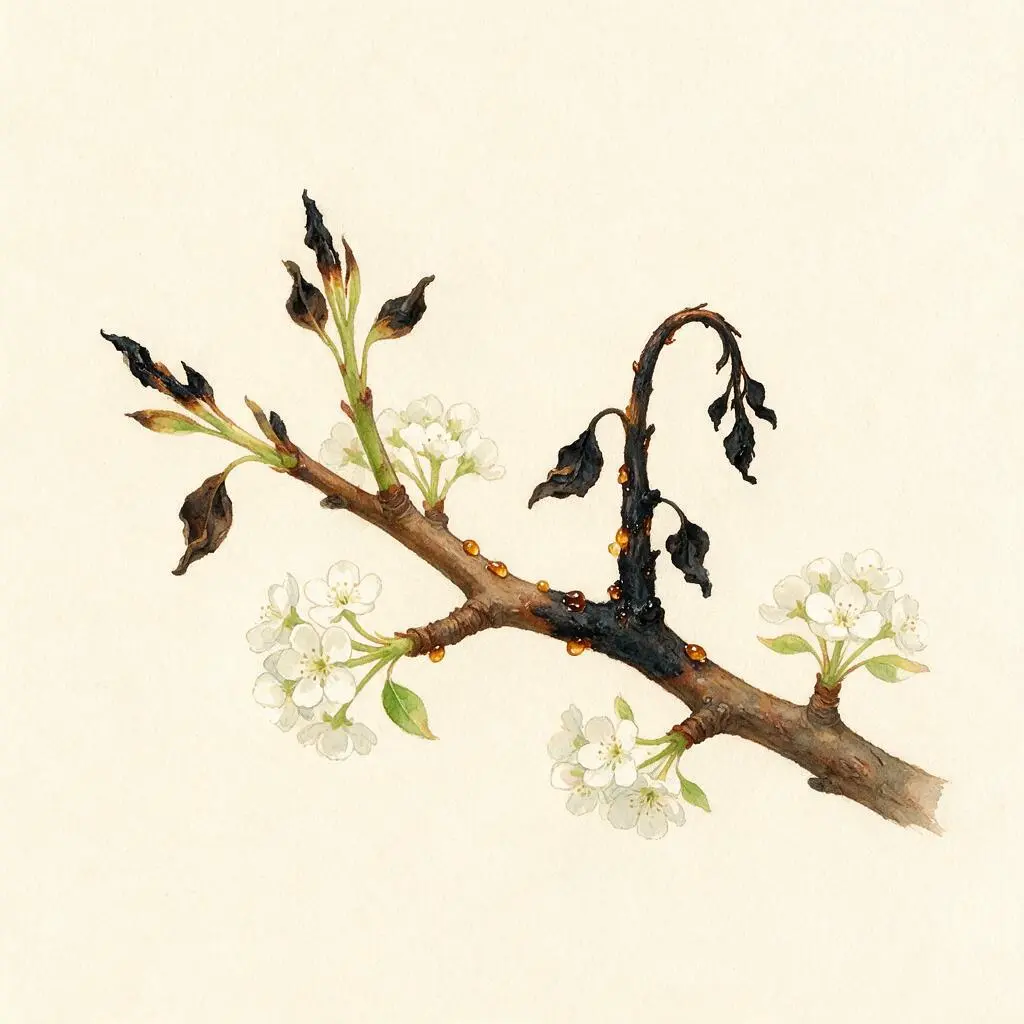
- TipIn a hedge, trim it after flowering or in winter, and in spring watch for fireblight, which dries out the branches as if they had been scorched.
04Harvest
Harvesting and storing
Harvest in Sep–Oct.
05Uses and health
What it is used for, and with what care
The flesh of the haws is edible; the seeds contain cyanogenic compounds, so do not crush them. Hawthorn enhances the effect of some heart and blood-pressure medicines (digoxin, beta-blockers, nitrates): if you take them, consult your doctor before using it regularly as a herbal tea. The thorns can cause injuries.
- Properties
- Traditionally used as a relaxant and as a heart tonic; if you take heart medication, consult your doctor first.
- Uses
- Ripe fruits (haws), without the seeds, and the flowers in herbal tea.
For guidance only; this is not medical treatment and does not replace advice from a doctor or vet.
06Companions and related plants
What to plant it with
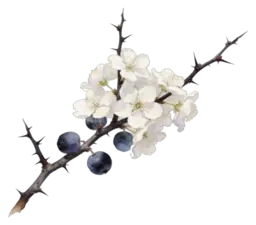
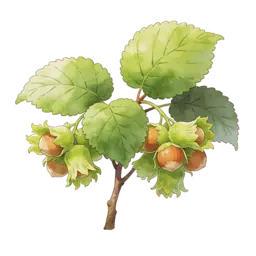
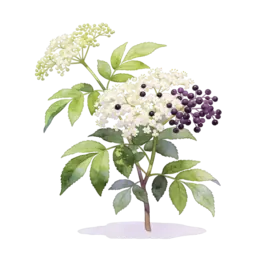
Group it in the same bedPlants with the same watering or the same sun
They are not essential companions, but you will not have to water or position them differently.
Compare with similar varieties
| Variety | Sowing | Harvest | Days | Spacing | Difficulty |
|---|---|---|---|---|---|
| Hawthorn (common hawthorn) | — | Sep–Oct | — | 200 cm | Easy |
| Sea buckthorn | Nov–Dec | Sep–Oct | ~1095 | 250 cm | Moderate |
07Pests and diseases
Critters and ailments to keep an eye on
The most common ones on this plant. Tap one to see how to recognise it and what to do.