
Credits and licences
- #1 — vueltaalhuerto illustration
- #2 — vueltaalhuerto illustration
- #3 — vueltaalhuerto illustration
- #4 — vueltaalhuerto illustration
- #5 — vueltaalhuerto illustration
- #6 — vueltaalhuerto illustration
- #7 — vueltaalhuerto illustration
- #8 — vueltaalhuerto illustration
- #9 — vueltaalhuerto illustration
- #10 — vueltaalhuerto illustration
Anise (aniseed)
and 2 more names
anise seed, Pimpinella anisumAnise (aniseed) is sown directly outdoors from March to May. It is harvested from July to September (about 130 days to the first harvest). Grow it in full sun, 15 cm apart, with little watering. Dates are for a mild temperate climate in the northern hemisphere; the calendar below adjusts them to your zone.
What else to sow in March, April and May
An aromatic annual with slender, upright stems, rounded, lobed lower leaves and very finely divided upper leaves, and umbels of small white flowers that produce small, oval, greyish-green fruits, the aniseeds, with a very distinctive sweet scent and flavour. They are used whole or ground in baking, in breads and sponge cakes, in sweets and herbal teas, and to flavour aguardiente (Spanish anise spirit). For the seeds to ripen it needs a long, warm summer, and it does not take well to transplanting, so it is sown directly where it is to grow. Do not confuse it with star anise or with other wild members of the carrot family: some, such as hemlock, are highly toxic.
Family and origin: Carrot family (Apiaceae) · native to The Near East and the eastern Mediterranean basin · More plants from Fertile Crescent
01In your area
How will it do in your garden?
Year calendar
| Task | J | F | M | A | M | J | J | A | S | O | N | D |
|---|---|---|---|---|---|---|---|---|---|---|---|---|
| Direct sowingMar–May | no | no | yes | yes | yes | no | no | no | no | no | no | no |
| HarvestJul–Sep | no | no | no | no | no | no | yes | yes | yes | no | no | no |
| FloweringJun–Jul | no | no | no | no | no | yes | yes | no | no | no | no | no |
Its life cycle at a glance
Swipe and tap a stage to see its details.
02Planting
Where and how to plant it
Sow the seed 7 mm deep; leave 15 cm between plants and 45 cm between rows.
15 cm between plants · 45 cm between rows
Seed at a depth of 7 mm.
- In a square-foot bed
- 4 plants per square30 × 30 cm squares
- Direct sowing
- Mar–May
- Germination
- ~10 days
- TipGrow it on its own or with coriander, and avoid sowing it next to carrots, with which it shares pests.
03Care
Care through the year
Sun and aspectFull sun · 8 h of sun · South or south-west, with nothing casting shade at midday
- Too little sun
- Ideal range
- Plenty of sun
South or south-west, with nothing casting shade at midday
Strong sun: Loves full midday sun and high temperatures.
Full sun and warmth; it needs a long, sunny summer for the fruits to ripen properly.
WateringLet it dry out between waterings · summer: every 5-7 days
- Summerevery 5-7 days0.4 L per plant/week
- Spring / Autumnevery 10-14 days0.2 L per plant/week
- Winteronly in extreme drought (once a month)0.1 L per plant/week
Let it dry out between waterings: A Mediterranean favourite: better thirsty than overwatered.
Light, infrequent watering, especially at first while it germinates and establishes; once grown it tolerates drought. Too much water encourages fungal diseases and delays the ripening of the seeds.
When to water? Push your finger 5 cm into the soil next to the base of the plant:
- Damp: soil sticks to your finger. Do not water yet. It has more than enough; wait for it to dry out more.
- Cool but clean, no mud. Wait another 1-2 days before watering.
- Dry and dusty. Water now, but moderately. Do not overdo it: it prefers thirst to excess.
- Common mistakeOverwatering: most prefer to dry out between waterings.
Soil and feedingpH 6–7.5 · Free-draining, airy mix
Free-draining, airy mix.
40 % topsoil · 30 % coarse sand or perlite · 30 % well-rotted compost (less compost for Mediterranean herbs).
High: almost all prefer being thirsty to being wet.
This plant prefers a pH between 6.0 and 7.5 (slightly acidic to slightly alkaline).
- Mediterranean herbs in very rich, heavily watered soil: they grow a lot but lose their aroma.
- A pot without a drainage hole: the roots rot within weeks.
- TipMany Mediterranean herbs prefer poor soil and little water: more aroma.
Pruning
- TipPinch out the tips often so it branches and does not run to seed so soon.
Common mistakes and tips
- TipThe seeds are ready when the umbels turn from green to greyish brown and the fruits come away easily.
- TipCut the umbels in the morning, before the fruits start to drop on their own, and leave them to dry upside down on a cloth or inside a paper bag; then shake out the seeds and store them in a closed jar.
- Common mistakeLetting them flower early makes the leaves bitter (in leafy herbs).
04Harvest
Harvesting and storing
Harvest in Jul–Sep; the first, about 130 days after sowing.
05Propagation
Make new plants
It is propagated only by seed, which must be fresh because it loses viability within one or two years. Sow directly in its final position between March and May, about 7 mm deep, in loose, light, well-drained soil, and thin out to leave about 15 cm between plants. It germinates in one or two weeks in mild temperatures. It does not like its roots being disturbed, so it is best to avoid transplanting; if you use a seed tray, sow in small biodegradable pots.
Seeds: how to germinate them~10 days
06Uses and health
What it is used for, and with what care
WARNING ABOUT CONFUSION: other members of the carrot family look similar and some are highly toxic, especially hemlock (Conium maculatum), cowbane (Cicuta virosa) and fool's parsley (Aethusa cynapium). Do not gather wild umbellifers as a substitute for anise, and do not confuse this plant with star anise (Illicium verum), which is a different tree; Japanese star anise (Illicium anisatum) is toxic and must not be used. The seeds contain anethole, and using them in large amounts or as an essential oil is not advisable for young children, during pregnancy or for people allergic to the carrot family (celery, carrot, fennel, parsley). It can cause contact dermatitis in sensitive people. For dogs and cats, eating a lot of the plant can cause digestive upset.
- Properties
- In folk tradition the seeds have been taken as an infusion for heavy digestion and wind; this is a traditional use, with no proven dose or effectiveness, and it does not replace any treatment.
- Uses
- The seeds, whole or ground, flavour bread, biscuits, sponge cakes, ring doughnuts and turrón, spirits and liqueurs, and are taken as a herbal tea. Toast them briefly in a dry pan so that they release more aroma. The tender leaves and small flowers can be used in moderation in salads and stews.
For guidance only; this is not medical treatment and does not replace advice from a doctor or vet.
07Companions and related plants
What to plant it with
Good companions
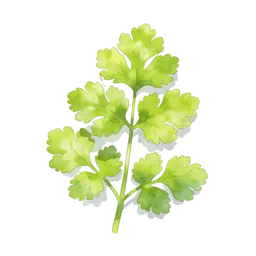
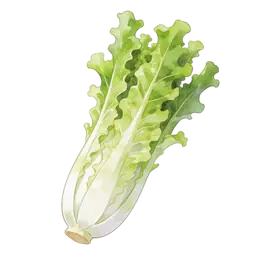
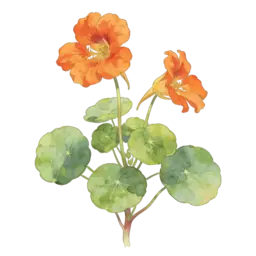
Keep apart
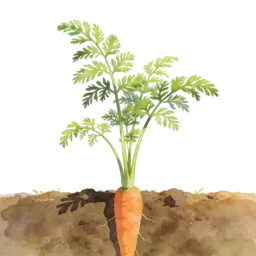
Group it in the same bedPlants with the same watering or the same sun
They are not essential companions, but you will not have to water or position them differently.
Compare with similar varieties
| Variety | Sowing | Harvest | Days | Spacing | Difficulty |
|---|---|---|---|---|---|
| Star anise | Mar–Apr | Sep–Nov | — | 500 cm | Difficult |
| Anise (aniseed) | Mar–May | Jul–Sep | ~130 | 15 cm | Moderate |