
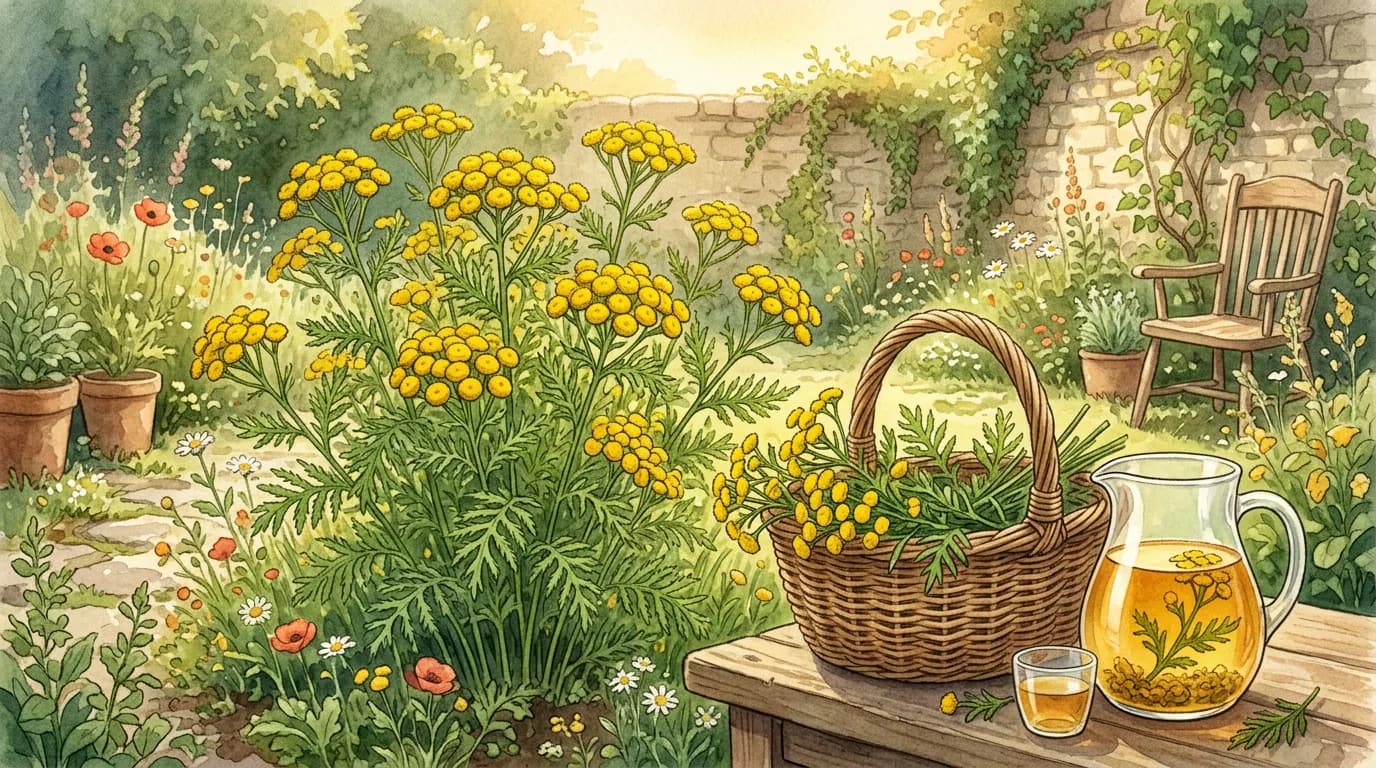
Tansy infusion to repel insects
An infusion of a perennial aromatic plant that is used as a repellent for aphids, caterpillars and beetles.
Use with care. It is a traditional use: we have not found trials or guides that recommend it today as an insecticide. The plant contains thujone (toxic) and is listed as a noxious weed in several regions. Use it only with caution, on ornamentals.
Before you start, read the precautions
You will need
- tansy
- water
- scissors
- spray bottle
When to use it
As prevention or at the first visits in spring and summer, before the numbers spread.
Step by step
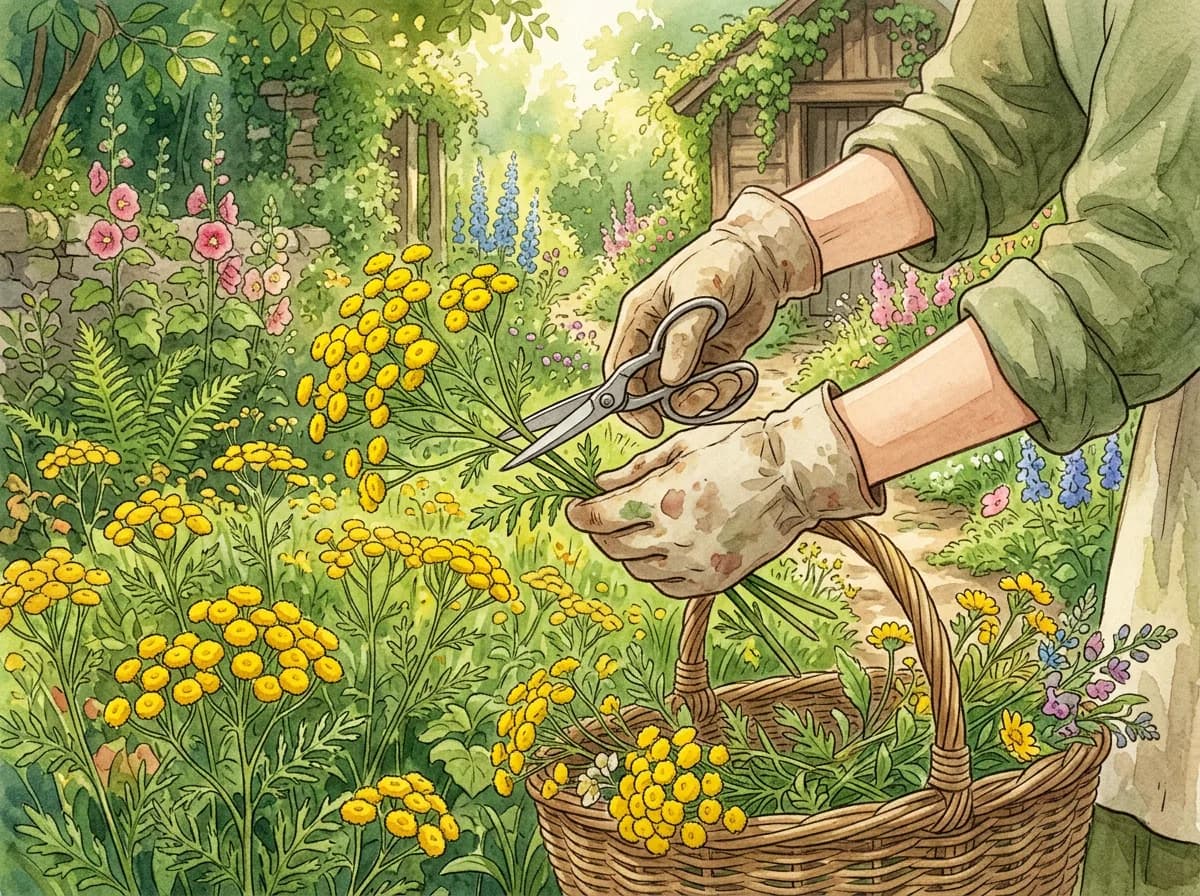
1Cut a few tansy flowers and leaves (30 g, 1.1 oz fresh per litre) wearing gloves, mid-morning.
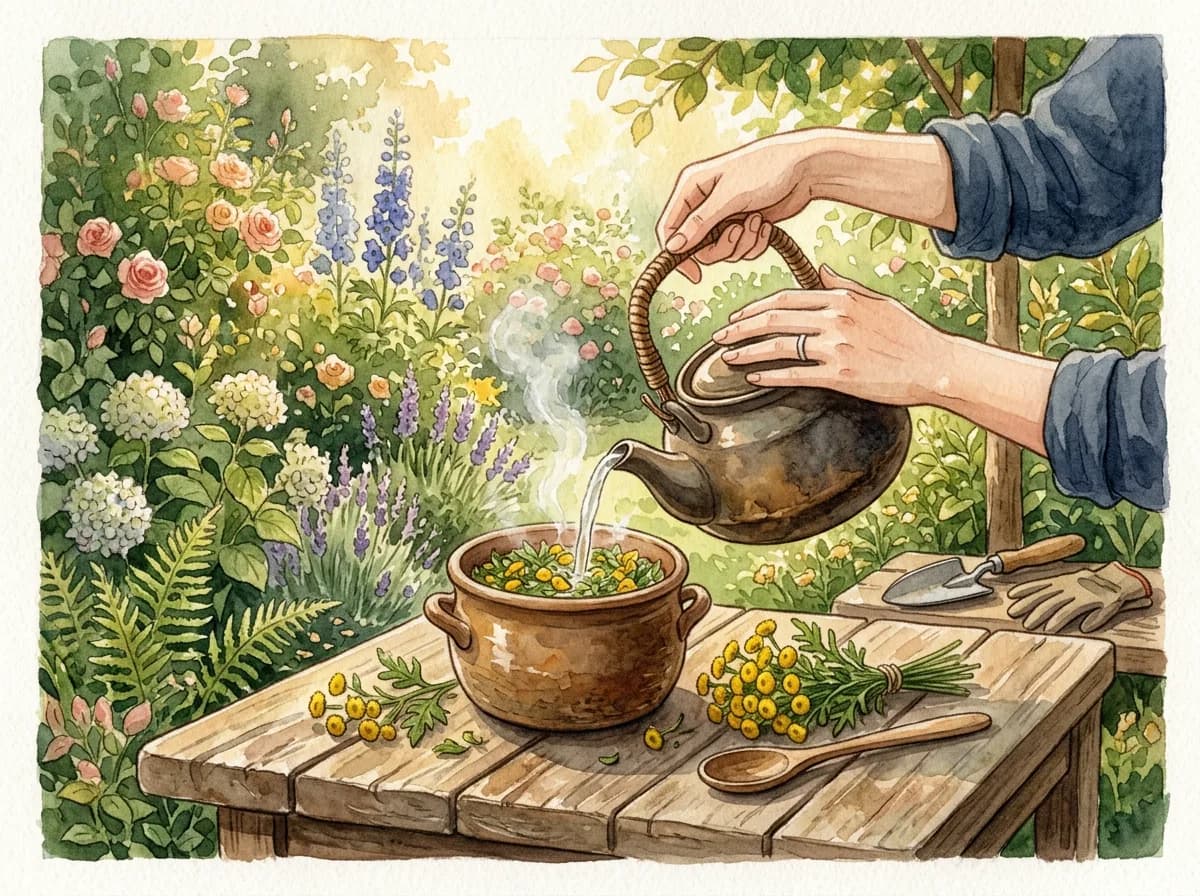
2Chop them, put them in a pot and pour over 1 litre (about 1.1 quarts) of boiling water. Cover and leave to cool for 12–24 h.
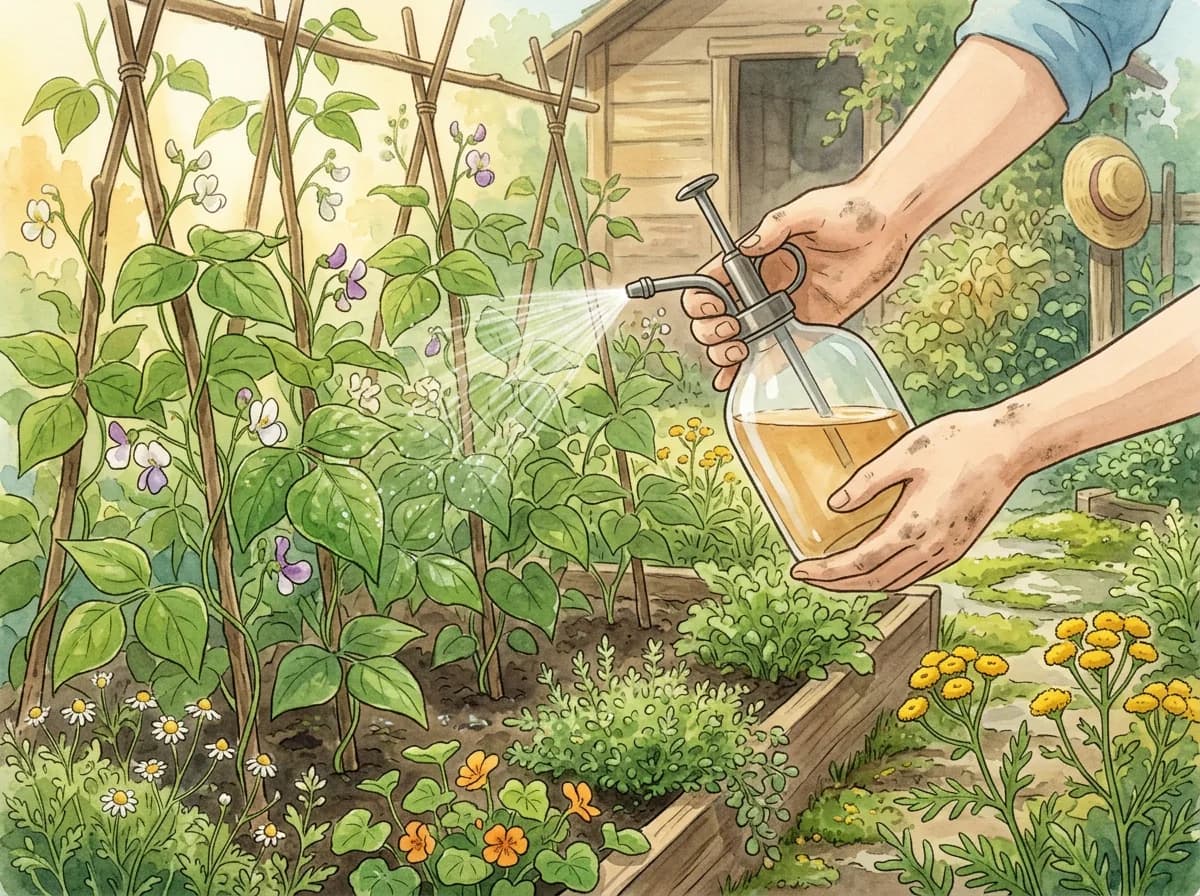
3Strain and spray undiluted onto leaves and shoots, best early in the morning. Repeat every 7–10 days.
Dose
As a guide, with no backed dose: 30 g (1.1 oz) of fresh plant per litre (10 g, 0.4 oz if dried). Undiluted. One treatment every 7–10 days, at most 3–4 in a row.
Which plants
Best on ornamentals (roses) and fruit trees well away from harvest. Avoid vegetables, especially leafy ones or ones you will eat soon: the plant is toxic if swallowed.
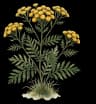
Plants mentioned in this remedy
Precautions
- Tansy is toxic if swallowed (children and pets): keep the infusion out of their reach and do not use it as a tea.
- It can irritate the skin; wear gloves when cutting and handling it.
- Avoid spraying in flower and when bees are about.
- It is very invasive: plant it in a pot or in a bounded corner. Do not use it during pregnancy or give it to animals: abortions have been described in livestock.
Why it works
The essential oils of tansy (thujone, camphor) are credited with an effect that many insects find unpleasant. If it exists, it is a repellent and short-lived one: rain and sun reduce it.
Sources
- Montana State University Extension: common tansy (Tanacetum vulgare), thujone, toxicity to people and livestock, skin irritation and invasive nature. It does not recommend its use as an insecticide