Credits and licences
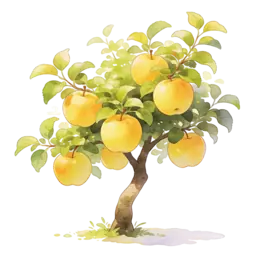
- #1 — vueltaalhuerto illustration
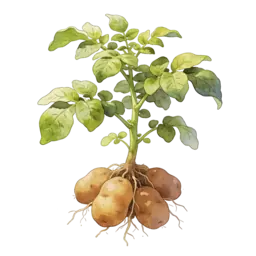
- #2 — vueltaalhuerto illustration
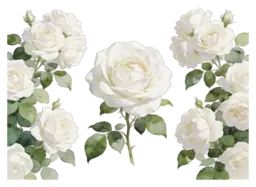
- #3 — vueltaalhuerto illustration
- #4 — vueltaalhuerto illustration
- #5 — vueltaalhuerto illustration
- #6 — vueltaalhuerto illustration
- #7 — vueltaalhuerto illustration
- #8 — vueltaalhuerto illustration
- #9 — vueltaalhuerto illustration
- #10 — vueltaalhuerto illustration
Tansy
and 1 more names
Tanacetum vulgareTansy is sown in seed trays from February to March or directly outdoors from March to April, and planted out from April to May and in October. It flowers from July to September. Grow it in full sun, 60 cm apart, with moderate watering. Dates are for a mild temperate climate in the northern hemisphere; the calendar below adjusts them to your zone.
What else to sow in February, March and April
A rhizomatous perennial 60 to 120 cm tall, with upright stems and very finely divided dark green leaves that are aromatic, with a strong, camphor-like smell. In summer, from July to September, it produces flat clusters of yellow, button-shaped flower heads without outer petals, which attract hoverflies and bees. It is very hardy and spreads by rhizomes, so it is best given a spot of its own or planted in a sunken container. It has been used in organic gardening as an insect-repellent plant, although the evidence is limited. SERIOUS WARNING: it is a toxic plant; it is not eaten, not drunk as an infusion and not used as a remedy, least of all during pregnancy.
Family and origin: Daisy family (Asteraceae) · native to Europe and temperate Asia · More plants from Temperate Europe
01In your area
How will it do in your garden?
Year calendar
| Task | J | F | M | A | M | J | J | A | S | O | N | D |
|---|---|---|---|---|---|---|---|---|---|---|---|---|
| Seed trayFeb–Mar | no | yes | yes | no | no | no | no | no | no | no | no | no |
| Direct sowingMar–Apr | no | no | yes | yes | no | no | no | no | no | no | no | no |
| Plant / transplantApr–May, Oct | no | no | no | yes | yes | no | no | no | no | yes | no | no |
| HarvestJul–Sep | no | no | no | no | no | no | yes | yes | yes | no | no | no |
| FloweringJul–Sep | no | no | no | no | no | no | yes | yes | yes | no | no | no |
| CuttingsMay–Jun | no | no | no | no | yes | yes | no | no | no | no | no | no |
| Divide the clumpMar, Oct | no | no | yes | no | no | no | no | no | no | yes | no | no |
Its life cycle at a glance
Swipe and tap a stage to see its details.
02Planting
Where and how to plant it
Sow the seed 2 mm deep; leave 60 cm between plants and 90 cm between rows.
60 cm between plants · 90 cm between rows
Seed at a depth of 2 mm; seedlings go in with the root ball level with the soil.
- Transplanting
- Apr–May, Oct
- Seed tray
- Feb–Mar
- Direct sowing
- Mar–Apr
- Germination
- ~21 days
03Care
Care through the year
Sun and aspectFull sun · 8 h of sun · South or south-west, with nothing casting shade at midday
- Too little sun
- Ideal range
- Plenty of sun
South or south-west, with nothing casting shade at midday
Strong sun: Loves full midday sun and high temperatures.
Full sun or light partial shade. In shade it grows tall and floppy and flowers little.
WateringMoist but never waterlogged · summer: every 2-3 days
- Summerevery 2-3 days0.8 L per plant/week
- Spring / Autumnevery 4-5 days0.4 L per plant/week
- Winterevery 2-3 weeks0.1 L per plant/week
Moist but never waterlogged: Water before the surface is completely dry. Never puddles. Mulch: straw or dry plant material cuts watering by 30-50 %.
Moderate watering while it establishes; after that it copes well with dry spells. In very dry soil the leaves wilt, but it recovers after a watering.
When to water? Push your finger 3 cm into the soil next to the base of the plant:
- Damp: soil sticks to your finger. Do not water today. The moisture is fine.
- Cool but clean, no mud. Water early tomorrow if it stays like this, or this evening.
- Dry and dusty. Water now, and deeply. This is not where it likes to be.
- Common mistakeOverwatering: most prefer to dry out between waterings.
Soil and feedingpH 5.5–7.5 · Free-draining, airy mix
Free-draining, airy mix.
40 % topsoil · 30 % coarse sand or perlite · 30 % well-rotted compost (less compost for Mediterranean herbs).
High: almost all prefer being thirsty to being wet.
This plant prefers a pH between 5.5 and 7.5 (slightly acidic to slightly alkaline).
- Mediterranean herbs in very rich, heavily watered soil: they grow a lot but lose their aroma.
- A pot without a drainage hole: the roots rot within weeks.
- TipMany Mediterranean herbs prefer poor soil and little water: more aroma.
Pruning
- TipPlant it where it can spread without getting in the way, or in a large container, and cut off the faded flowers before they drop seed if you do not want it to self-seed.
- TipWear gloves when pruning, because the sap and pollen can irritate the skin of sensitive people.
- TipPinch out the tips often so it branches and does not run to seed so soon.
Common mistakes and tips
- TipIn the vegetable garden it has been used near apple trees, potatoes and roses for its strong smell, with little proven effect: do not rely on it as your only pest control.
- TipThe flowers are useful for hoverflies and bees.
- TipDates and distances are approximate.
- Common mistakeLetting them flower early makes the leaves bitter (in leafy herbs).
04Harvest
Harvesting and storing
Harvest in Jul–Sep; the first, about 365 days after sowing.
05Propagation
Make new plants
The easiest method is to divide the clump at the end of winter or in autumn, separating pieces of rhizome with shoots and roots. It can also be propagated from seed: it is very fine and needs light to germinate, so scatter it on the potting mix without covering it, at about 15 to 21 °C, and it comes up in two or three weeks. It can be sown in a seed tray in February or March, or directly outdoors in spring. Spring stem cuttings root, but are rarely needed.
Seeds: how to germinate them~21 days
06Uses and health
What it is used for, and with what care
SERIOUS WARNING: tansy contains thujone and other terpenes, which are toxic to the liver and nervous system. Eating it or taking it as an infusion or essential oil can cause vomiting, abdominal pain, convulsions and liver and kidney damage, and it is especially dangerous in pregnancy, in children and for pets. Do not use it as a vermifuge or as a remedy. Contact with the sap and pollen can irritate the skin of sensitive people: wear gloves. Keep the plant out of reach of children, dogs and cats and farm animals, and do not mix it with hay or feed. In some countries it is considered an invasive plant, because it spreads by rhizomes and by seed: keep it contained and do not plant it near open countryside.
- Properties
- It is grown for its ornamental value and for its flowers, which attract hoverflies, bees and other beneficial insects. It was traditionally used as a vermifuge and repellent, but today no medicinal use is recommended because of its toxicity.
- Uses
- It is not edible: the whole plant, including the leaves, flowers and essential oil, contains thujone. Do not eat it, do not take it as an infusion and do not use it as a seasoning or home remedy, even though it was once used in cooking and folk medicine.
For guidance only; this is not medical treatment and does not replace advice from a doctor or vet.
07Companions and related plants