Credits and licences
- #1 — vueltaalhuerto illustration
- #2 — vueltaalhuerto illustration
- #3 — vueltaalhuerto illustration
- #4 — vueltaalhuerto illustration
- #5 — vueltaalhuerto illustration
- #6 — vueltaalhuerto illustration
- #7 — vueltaalhuerto illustration
- #8 — vueltaalhuerto illustration
- #9 — vueltaalhuerto illustration
- #10 — vueltaalhuerto illustration
Toothache plant (Acmella)
and 4 more names
paracress, Acmella oleracea, Spilanthes oleracea, jambuToothache plant (Acmella) is sown in seed trays from March to April or directly outdoors in May, and planted out from May to June. It is harvested from July to October (about 90 days to the first harvest). Grow it in full sun, 30 cm apart, with moderate watering. Dates are for a mild temperate climate in the northern hemisphere; the calendar below adjusts them to your zone.
What else to sow in March, April and May
A herbaceous plant 30 to 40 cm tall, with branching, slightly reddish stems that tend to sprawl, heart-shaped leaves with toothed edges and, from summer to autumn, small button- or cone-shaped flower heads, golden yellow with a dark red centre and no petals. In tropical countries it lives for several years, but in Spain it does not survive frost and is grown as an annual. Its leaves and flowers contain spilanthol, a substance that causes tingling and a numbing sensation in the mouth and increases salivation: hence its name. It is used sparingly in salads and dishes, and in Amazonian cooking in ‘pato no tucupi’ (duck in tucupi) and ‘tacacá’. It is very decorative in pots and borders. Do not use it as a dental remedy or for young children, and avoid it if you are allergic to plants of the daisy family.
Family and origin: Daisy family (Asteraceae) · native to Amazonia and tropical regions of South America (Brazil, Peru) · More plants from South America
01In your area
How will it do in your garden?
Year calendar
| Task | J | F | M | A | M | J | J | A | S | O | N | D |
|---|---|---|---|---|---|---|---|---|---|---|---|---|
| Seed trayMar–Apr | no | no | yes | yes | no | no | no | no | no | no | no | no |
| Direct sowingMay | no | no | no | no | yes | no | no | no | no | no | no | no |
| Plant / transplantMay–Jun | no | no | no | no | yes | yes | no | no | no | no | no | no |
| HarvestJul–Oct | no | no | no | no | no | no | yes | yes | yes | yes | no | no |
| FloweringJul–Oct | no | no | no | no | no | no | yes | yes | yes | yes | no | no |
Its life cycle at a glance
Swipe and tap a stage to see its details.
02Planting
Where and how to plant it
The seed goes on the surface, uncovered; leave 30 cm between plants and 50 cm between rows.
30 cm between plants · 50 cm between rows
Seed at ground level; seedlings go in with the root ball level with the soil.
- In a square-foot bed
- 1 plant per square30 × 30 cm squares
- Transplanting
- May–Jun
- Seed tray
- Mar–Apr
- Direct sowing
- May
03Care
Care through the year
Sun and aspectFull sun · 8 h of sun · South- or south-west-facing, with nothing casting shade at midday
- Too little sun
- Ideal range
- Plenty of sun
South- or south-west-facing, with nothing casting shade at midday
Strong sun: Loves full midday sun and high temperatures.
Full sun or partial shade; with warmth and light it grows better and produces more flowers. It does not survive frost: protect it or grow it in a pot so you can bring it under cover.
WateringConstantly moist · summer: every 2-3 days
- Summerevery 2-3 days0.8 L per plant/week
- Spring / Autumnevery 4-5 days0.4 L per plant/week
- Winterevery 2-3 weeks0.1 L per plant/week
Constantly moist: The soil should always feel cool and damp. Ideal with mulch and drip irrigation. Mulch: straw or dry plant material cuts watering by 30-50 %.
It needs soil that is always cool and moist, without waterlogging. Water often in summer and in pots; if it dries out, it wilts and stops flowering.
When to water? Push your finger 3 cm into the soil next to the base of the plant:
- Damp: soil sticks to your finger. Do not water, although for this plant it is just right — check again tomorrow.
- Cool but clean, no mud. Water today: it likes to stay constantly moist.
- Dry and dusty. Water urgently and add mulch to hold in moisture.
Soil and feedingpH 6–7 · Free-draining, airy mix
Free-draining, airy mix.
40 % topsoil · 30 % coarse sand or perlite · 30 % well-rotted compost (less compost for Mediterranean herbs).
High: almost all prefer being thirsty to being wet.
This plant prefers a pH between 6.0 and 7.0 (slightly acidic to neutral).
- Mediterranean herbs in very rich, heavily watered soil: they grow a lot but lose their aroma.
- A pot without a drainage hole: the roots rot within weeks.
Common mistakes and tips
- TipThe effect in the mouth is very intense: try a small piece before using it in cooking.
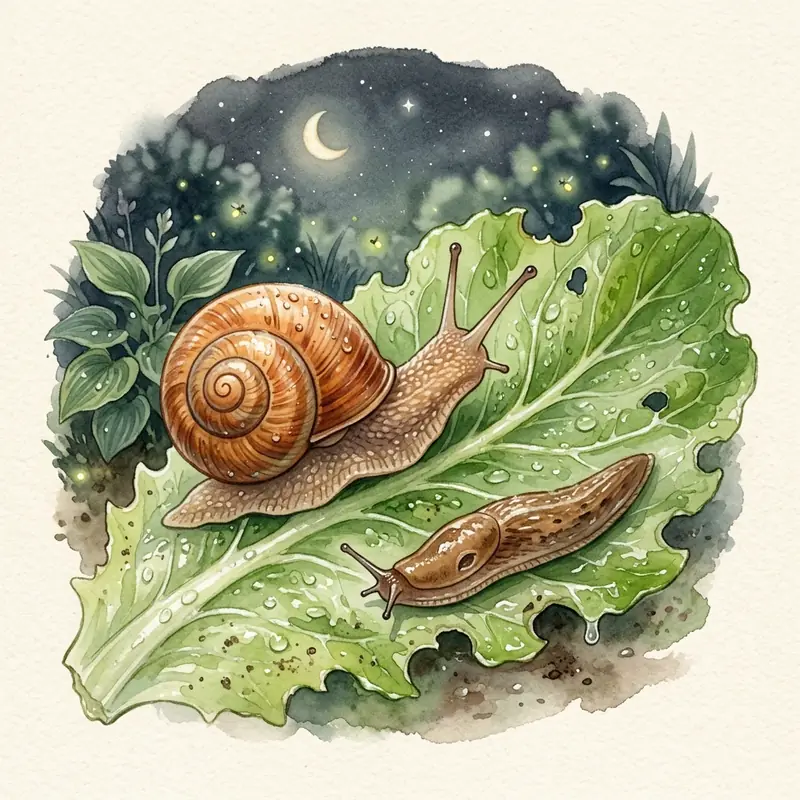
- TipWatch out for aphids and slugs.
- Common mistakeLetting them flower early makes the leaves bitter (in leafy herbs).
04Harvest
Harvesting and storing
Harvest in Jul–Oct; the first, about 90 days after sowing.
- TipStart harvesting tender leaves when the plant has a dozen leaves, and flowers when the button is bright yellow and firm.
05Propagation
Make new plants
It is propagated from seed and from cuttings. The seed is tiny and needs light to germinate: scatter it on the surface of the potting mix in a seed tray, uncovered or with an almost invisible layer, at about 20-25 °C, and it germinates in 7 to 14 days. Sow in a seed tray in March and April, about 4 to 6 weeks before the last frost, and transplant in May or June, when the nights are already warm, about 30 cm apart. It can also be sown outdoors in May. The stems tend to root where they touch the ground, and a cutting about 10 cm long roots in water or in moist potting mix.
Seeds: how to germinate them~10 days
- TipKeep a cutting indoors if you want to keep it through the winter.
06Uses and health
What it is used for, and with what care
It contains spilanthol, which numbs the mouth and can irritate the mucous membranes and the stomach if eaten in quantity. There are not enough studies on its safety: use it only as a seasoning, in small amounts, and do not use it as a remedy for toothache (if you have toothache, see a dentist). Avoid it during pregnancy and breastfeeding and in young children. Like other members of the daisy family (Asteraceae), it can cause allergies in sensitive people. There are no solid data for dogs and cats: to be on the safe side, do not let them nibble it.
- Properties
- It has traditionally been used in South American cooking and folk medicine for the tingling it causes in the mouth; there are no solid data to attribute specific benefits to it.
- Uses
- The tender leaves and flower buds are used in small amounts in salads, sauces, cocktails and Amazonian dishes. They cause tingling, numbness and salivation in the mouth. Try a small piece first.
For guidance only; this is not medical treatment and does not replace advice from a doctor or vet.
07Companions and related plants
Related plants
Group it in the same bedPlants with the same watering or the same sun
They are not essential companions, but you will not have to water or position them differently.
Same watering · Moderate watering
Compare with similar varieties
| Variety | Sowing | Harvest | Days | Spacing | Difficulty |
|---|---|---|---|---|---|
| Ice plant (crystalline ice plant) | Feb–May, Sep–Oct | May–Sep | ~75 | 30 cm | Easy |
| Creeping Jenny (Lysimachia nummularia) | Mar–May, Sep–Oct | — | — | 30 cm | Easy |
| Toothache plant (Acmella) | Mar–May | Jul–Oct | ~90 | 30 cm | Easy |
| East Indian lemongrass | Feb–Apr | Jul–Oct | ~120 | 30 cm | Easy |
08Pests and diseases
Critters and ailments to keep an eye on
The most common ones on this plant. Tap one to see how to recognise it and what to do.