Credits and licences
- #1 — vueltaalhuerto illustration
- #2 — vueltaalhuerto illustration
- #3 — vueltaalhuerto illustration
- #4 — vueltaalhuerto illustration
- #5 — vueltaalhuerto illustration
- #6 — vueltaalhuerto illustration
- #7 — vueltaalhuerto illustration
Wild garlic (ramsons)
and 2 more names
wood garlic, Allium ursinumWild garlic (ramsons) is sown directly outdoors in September. It is harvested from March to May. Grow it in shade, 20 cm apart, with moderate watering. Dates are for a mild temperate climate in the northern hemisphere; the calendar below adjusts them to your zone.
What else to sow in September
A wild garlic of damp, shady woodland, with broad leaves that have an intense garlic flavour, for pesto and salads. The leaves, flowers and bulb are all eaten.
Family and origin: Amaryllis family (Amaryllidaceae) · native to Europe and the Caucasus · More plants from Temperate Europe
01In your area
How will it do in your garden?
Year calendar
| Task | J | F | M | A | M | J | J | A | S | O | N | D |
|---|---|---|---|---|---|---|---|---|---|---|---|---|
| Direct sowingSep | no | no | no | no | no | no | no | no | yes | no | no | no |
| Plant / transplantSep–Oct | no | no | no | no | no | no | no | no | yes | yes | no | no |
| HarvestMar–May | no | no | yes | yes | yes | no | no | no | no | no | no | no |
| FloweringApr–May | no | no | no | yes | yes | no | no | no | no | no | no | no |
| Divide the clumpMay | no | no | no | no | yes | no | no | no | no | no | no | no |
Its life cycle at a glance
Swipe and tap a stage to see its details.
02Planting
Where and how to plant it
Sow the seed 1 cm deep; leave 20 cm between plants and 25 cm between rows.
20 cm between plants · 25 cm between rows
Seed at a depth of 1 cm; seedlings go in with the root ball level with the soil.
- In a square-foot bed
- 1 plant per square30 × 30 cm squares
- Transplanting
- Sep–Oct
- Direct sowing
- Sep
- TipIf you forage it in the wild, be careful: its leaves can be mistaken for those of lily of the valley, autumn crocus and lords-and-ladies (Arum), which are highly toxic (read the health warning).
03Care
Care through the year
Sun and aspectShade · 3 h of sun · Cool north-facing spot or under the canopy of a deciduous tree
- Too little sun
- Ideal range
- Plenty of sun
Cool north-facing spot or under the canopy of a deciduous tree
Gentle sun: Morning or afternoon sun. Midday summer sun stresses and scorches it.
WateringMoist but never waterlogged · summer: every 2-3 days
- Summerevery 2-3 days0.8 L per plant/week
- Spring / Autumnevery 4-5 days0.4 L per plant/week
- Winterevery 2-3 weeks0.1 L per plant/week
Moist but never waterlogged: Water before the surface is completely dry. Never puddles. Mulch: straw or dry plant material cuts watering by 30-50 %.
When to water? Push your finger 3 cm into the soil next to the base of the plant:
- Damp: soil sticks to your finger. Do not water today. The moisture is fine.
- Cool but clean, no mud. Water early tomorrow if it stays like this, or this evening.
- Dry and dusty. Water now, and deeply. This is not where it likes to be.
- Common mistakeOverwatering: most prefer to dry out between waterings.
Soil and feedingFree-draining, airy mix
Free-draining, airy mix.
40 % topsoil · 30 % coarse sand or perlite · 30 % well-rotted compost (less compost for Mediterranean herbs).
High: almost all prefer being thirsty to being wet.
This plant prefers a pH between 6.5 and 7.5 (neutral to slightly alkaline).
- Mediterranean herbs in very rich, heavily watered soil: they grow a lot but lose their aroma.
- A pot without a drainage hole: the roots rot within weeks.
- TipIt wants cool shade and moist, humus-rich soil, like that of a beech wood or a riverbank.
- TipMany Mediterranean herbs prefer poor soil and little water: more aroma.
Pruning
- TipPinch out the tips often so it branches and does not run to seed so soon.
Common mistakes and tips
- Common mistakeLetting them flower early makes the leaves bitter (in leafy herbs).
04Harvest
Harvesting and storing
Harvest in Mar–May.
- TipHarvest the leaves before flowering; the plant disappears in summer, so mark the spot.
05Propagation
Make new plants
Fresh autumn seed, slow germination (1-2 years); the usual approach is to buy bulblets or divide an established clump just after flowering.
06Uses and health
What it is used for, and with what care
Safe for people, but it is an Allium: toxic to dogs and cats (it damages red blood cells and causes anaemia). When foraging, beware of mix-ups: the leaves of lily of the valley (Convallaria majalis), autumn crocus (Colchicum autumnale) and lords-and-ladies (Arum) look very similar and have caused serious poisonings and some deaths. Only pick leaves that clearly smell of garlic when rubbed, and wash your hands between leaves so the smell does not fool you. If eaten, see a vet/doctor.
- Properties
- A mild-flavoured wild garlic, rich in beneficial sulphur compounds; edible leaves.
- Uses
- Leaves in salads, pesto and sauces (mild garlic flavour).
For guidance only; this is not medical treatment and does not replace advice from a doctor or vet.
07Companions and related plants
What to plant it with
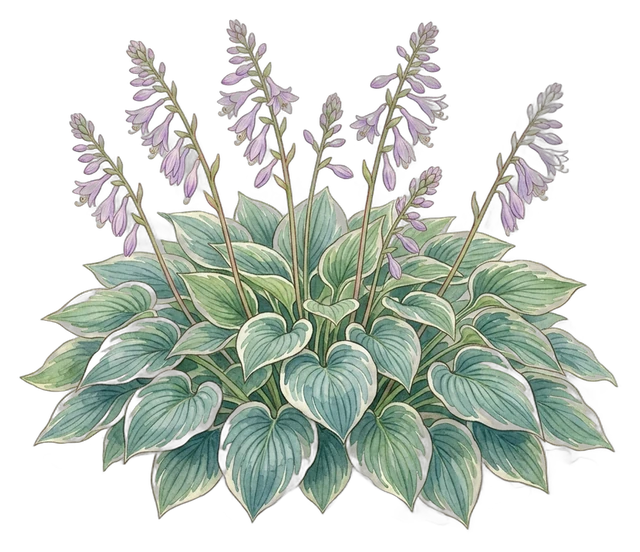
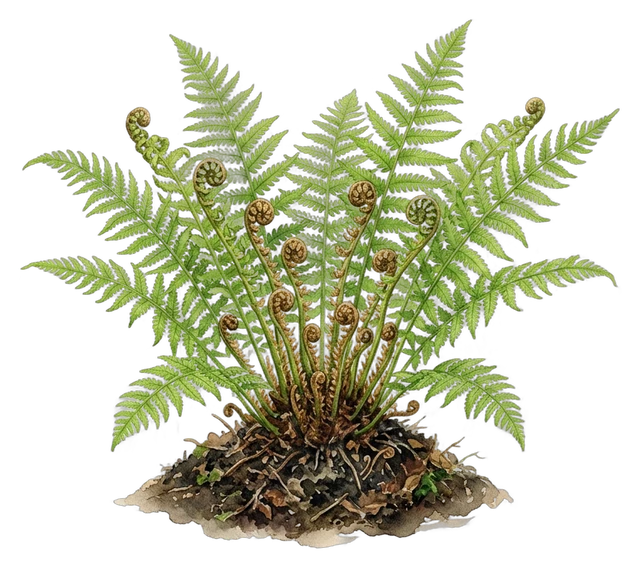
Group it in the same bedPlants with the same watering or the same sun
They are not essential companions, but you will not have to water or position them differently.
Same watering · Moderate watering
08Pests and diseases
Critters and ailments to keep an eye on
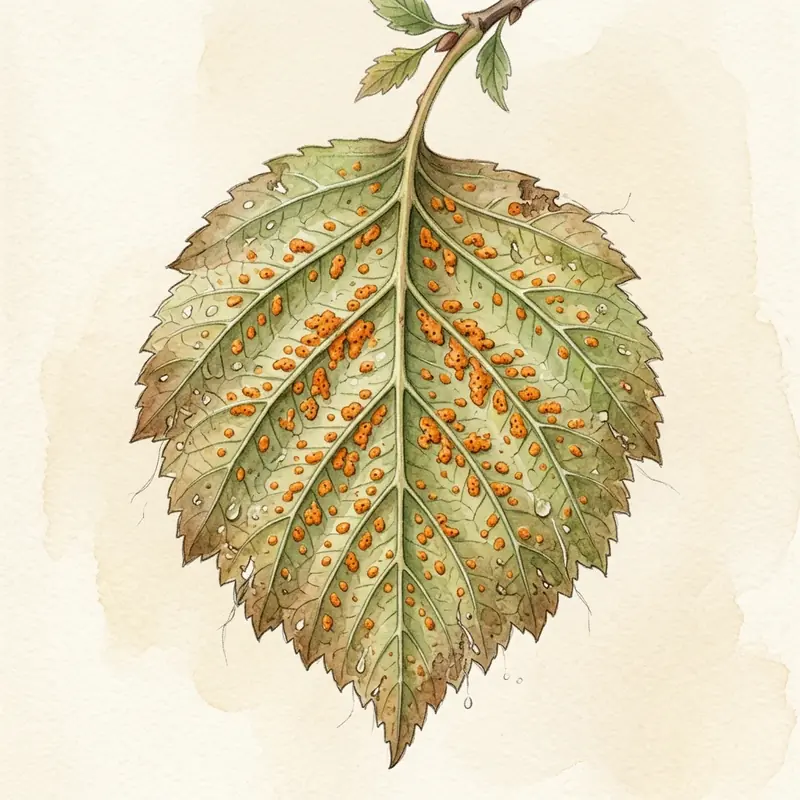
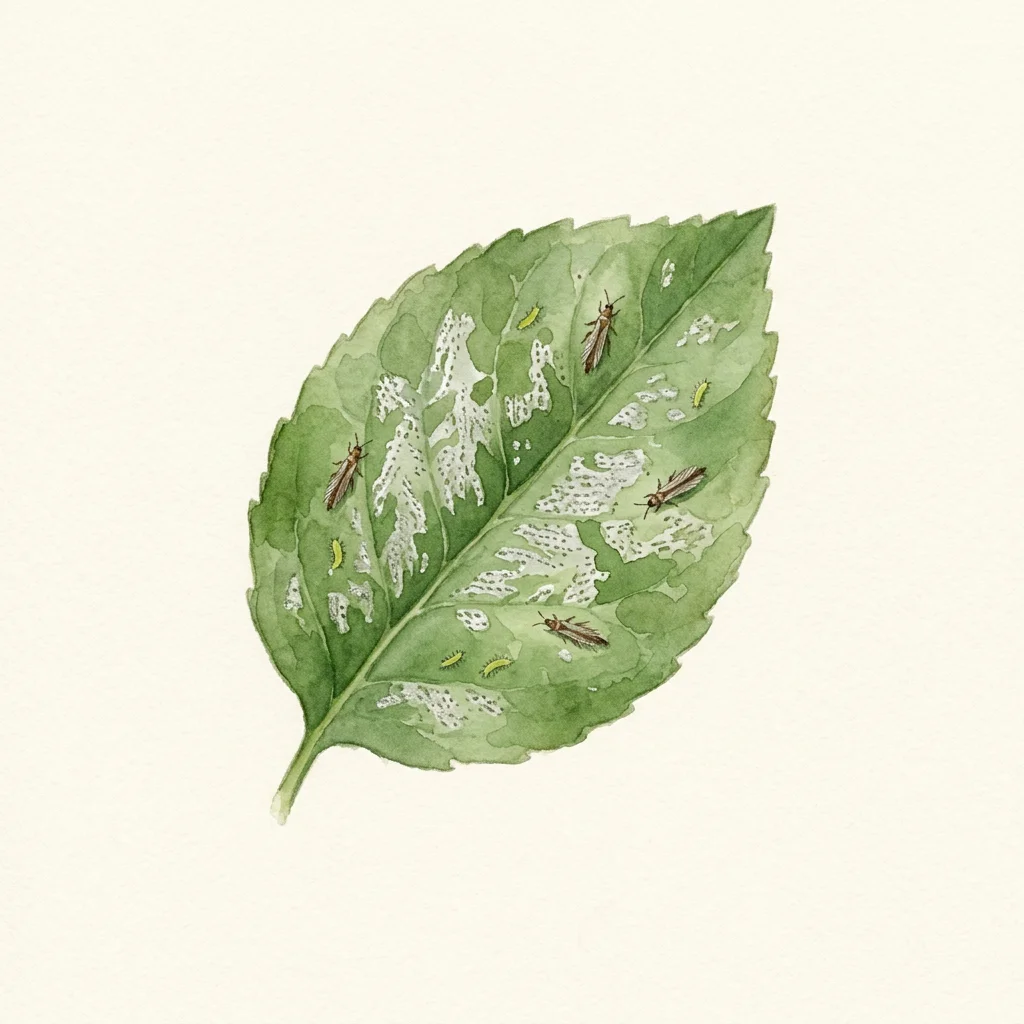
The most common ones on this plant. Tap one to see how to recognise it and what to do.