
Agricultural lime or dolomite for acid soils
It raises the pH and supplies calcium (and magnesium in the case of dolomite) in acid soils of the north and west of the peninsula.
Well established. Liming is the standard correction for acid pH, very well documented. The effect is slow (months) and the dose depends on the analysis and the purity of the product; in chalky soils it makes no sense at all.
Before you start, read the precautions
You will need
- agricultural lime (calcium carbonate)
- dolomite
- rake
When to use it
If your soil's pH is below 6 (you see moss, blue hydrangeas, brassicas with clubroot). Apply in autumn, 2–3 months before sowing or planting.
Step by step
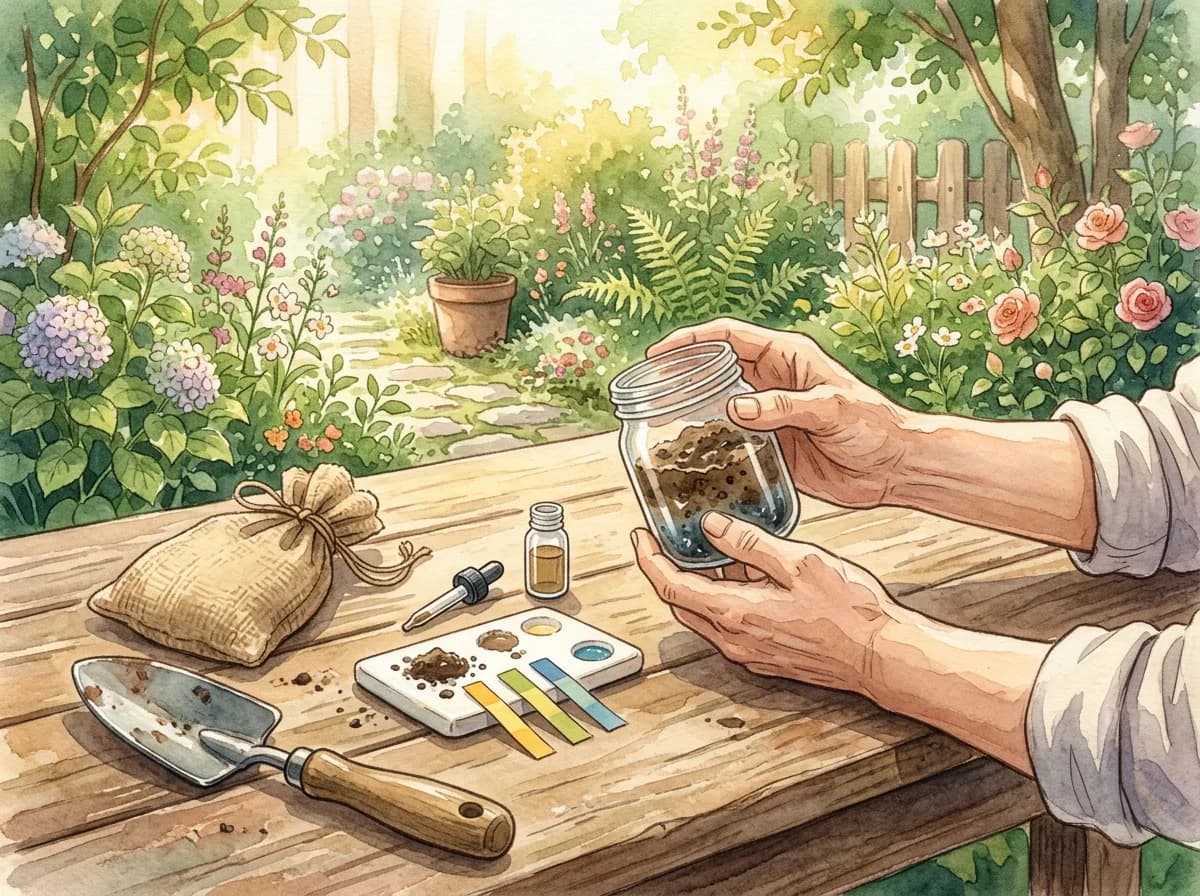
1Measure the pH with a kit or, better, with a laboratory analysis. Only lime if it is below about 6.
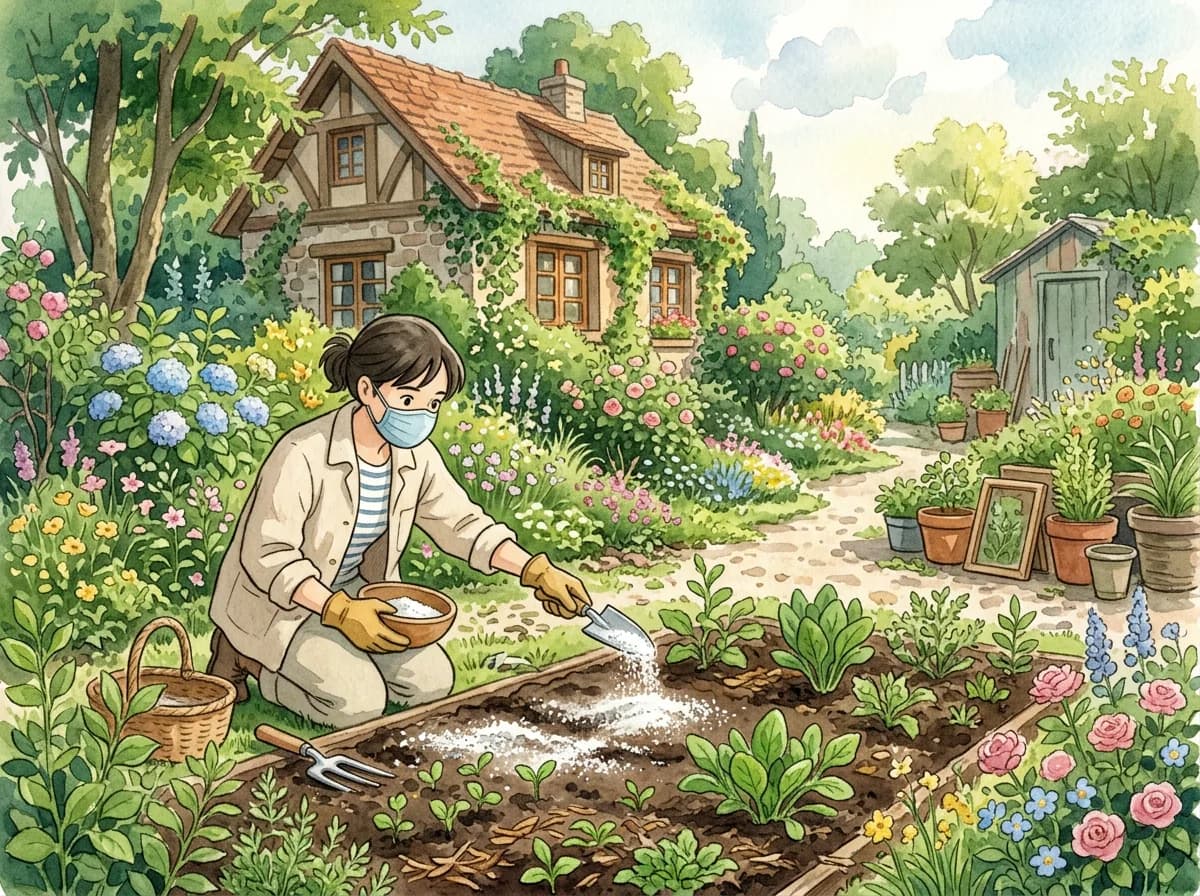
2Spread the lime wearing gloves and a mask, on a windless day, in a thin, even layer.
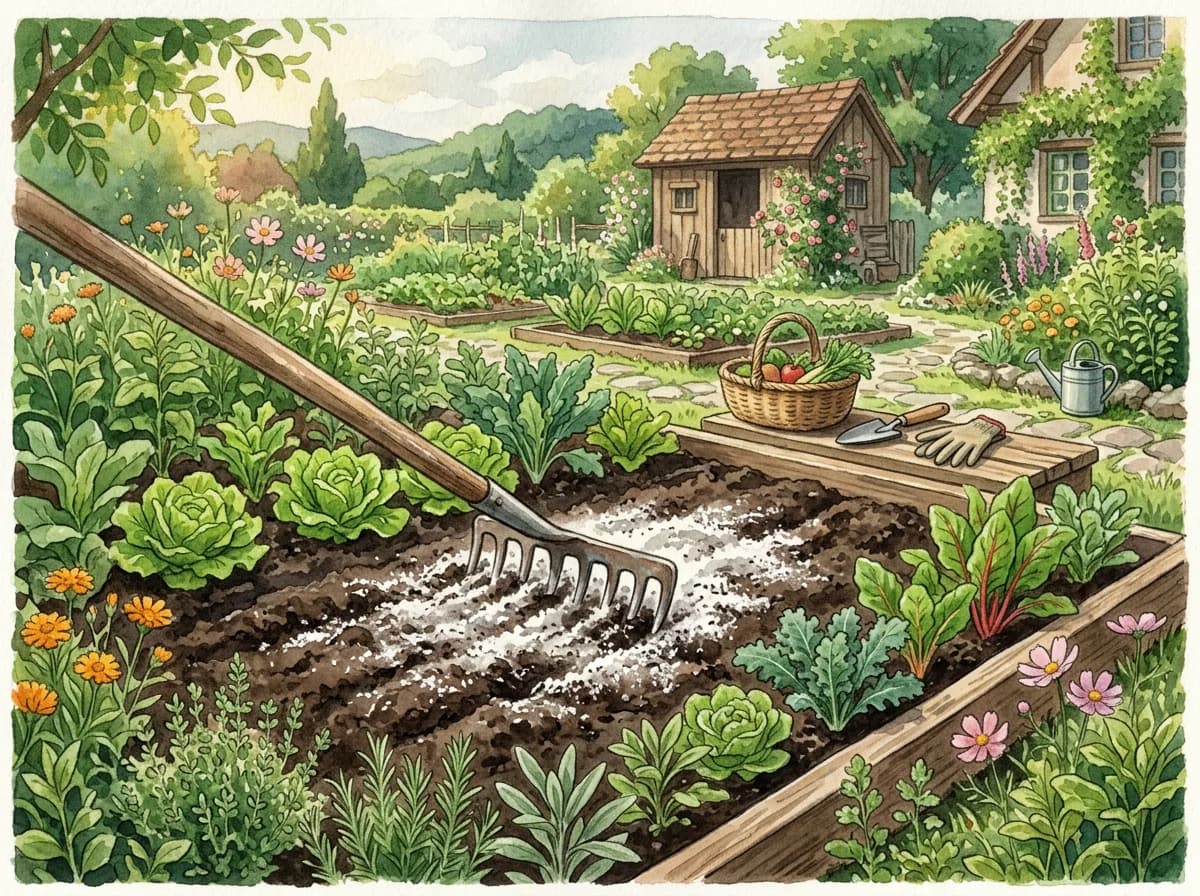
3Mix it into the top 10–15 cm (3.9–5.9 in) of soil with the rake and water to activate it. Wait 2–3 months and measure again.
Dose
The real dose comes from the soil analysis. As a guide: usual figures are on the order of 150–500 g/m² (3–10 lb per 100 ft²) depending on the starting pH, the texture and the purity of the lime; start with 100–150 g/m², do not exceed 300–500 g/m² in a single application and repeat according to analysis every 2–3 years.
Which plants
Brassicas, onion, lettuce, beans and pulses, vegetables in general in acid soil. Not on acid-loving plants or potato.
Plants mentioned in this remedy
 Figueres onionThe Figueres onion is a sweet onion with purplish skin, typical of Catalonia in Spain.
 Cos lettuce (romaine)Cos lettuce, with a long, crisp heart.
 Dwarf French beanA dwarf green bean that does not need a support and is easy to grow in a bed.
 Potato 'Kennebec'The 'Kennebec' potato is versatile in the kitchen, with pale skin.
Precautions
- Use carbonate (agricultural lime or dolomite), not quicklime or slaked lime: they are caustic and burn roots and skin.
- Never in chalky soils or with a pH already close to 7: you would lock up iron, manganese and phosphorus.
- Do not mix with fresh manure or ammonia fertilisers: you lose nitrogen as ammonia.
- Avoid it on potatoes (scab) and on acid-loving plants such as blueberry, azalea or camellia.
Why it works
Calcium carbonate neutralises the protons of acid soil and releases calcium, which takes the exchange sites that aluminium and hydrogen held. Dolomite also supplies magnesium. It is a gradual process that depends on how fine the lime is.
Sources
- Pennsylvania State University Extension (Agricultural Analytical Services Lab): calculation of lime and sulphur in lb per 100 ft² according to soil analysis
- Government of British Columbia: gypsum does not replace lime for correcting acidity