
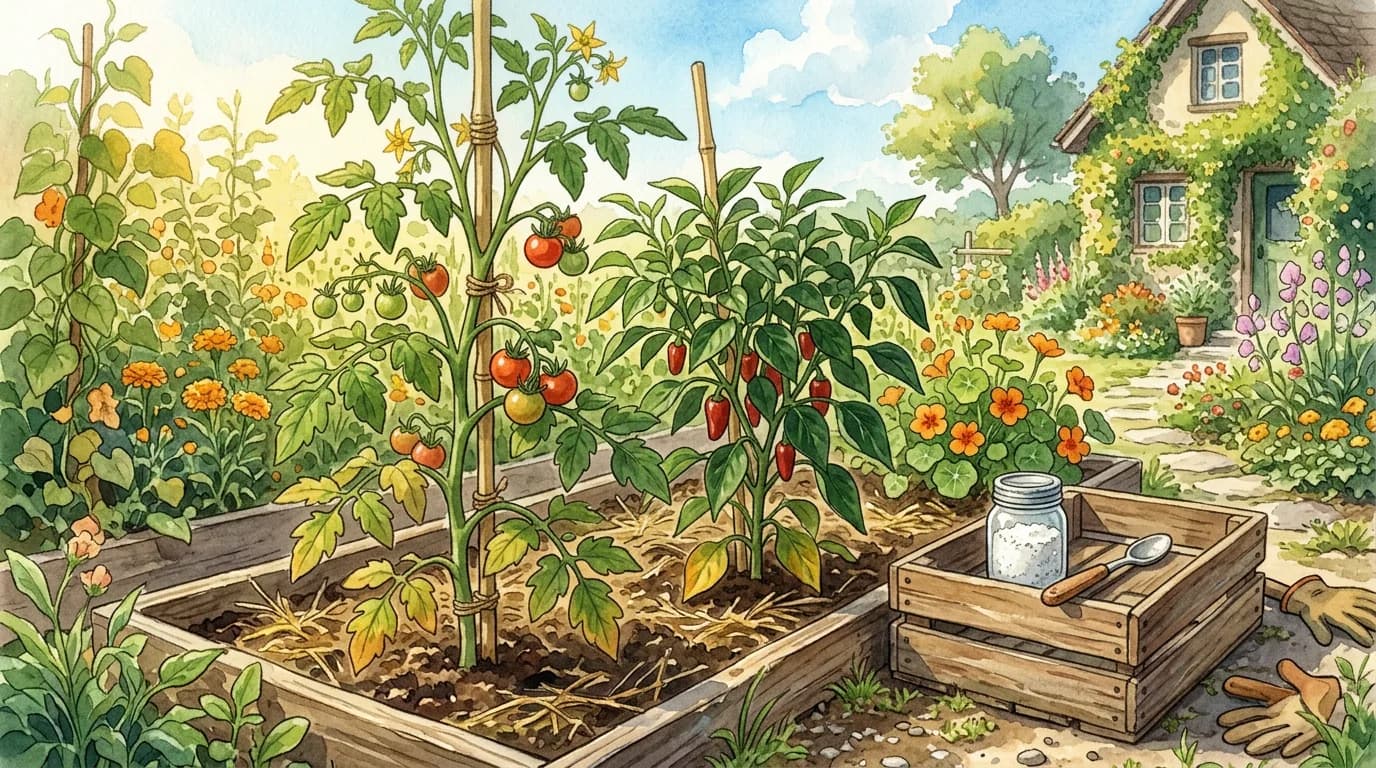
Epsom salts: magnesium only if there is a deficiency
Magnesium sulphate corrects a real magnesium deficiency, but it is not a universal booster for tomatoes and peppers.
Use with care. The benefits attributed to Epsom salts lack research backing, magnesium is rarely missing and use without a test can do more harm than good (salinity, iron, boron and potassium deficiencies). It is useful if a test or the symptoms confirm a real magnesium deficiency.
Before you start, read the precautions
You will need
- Epsom salts (magnesium sulphate)
- water
- spray bottle
When to use it
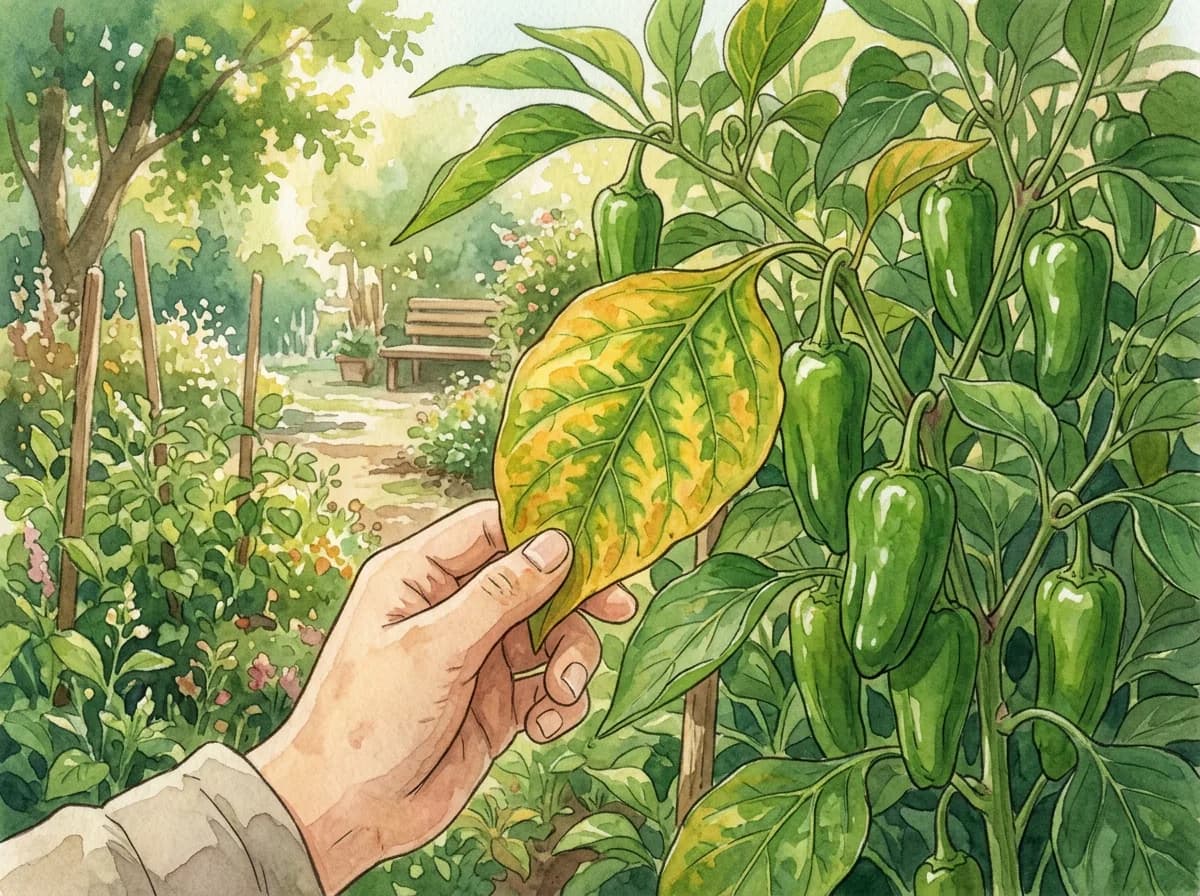
When interveinal chlorosis appears on old tomato, pepper or aubergine leaves, especially in sandy or very acid soils, or with potassium-rich feeding.
Step by step
1Before applying anything, rule out other causes (watering, nitrogen, iron) and, if you can, do a soil test.
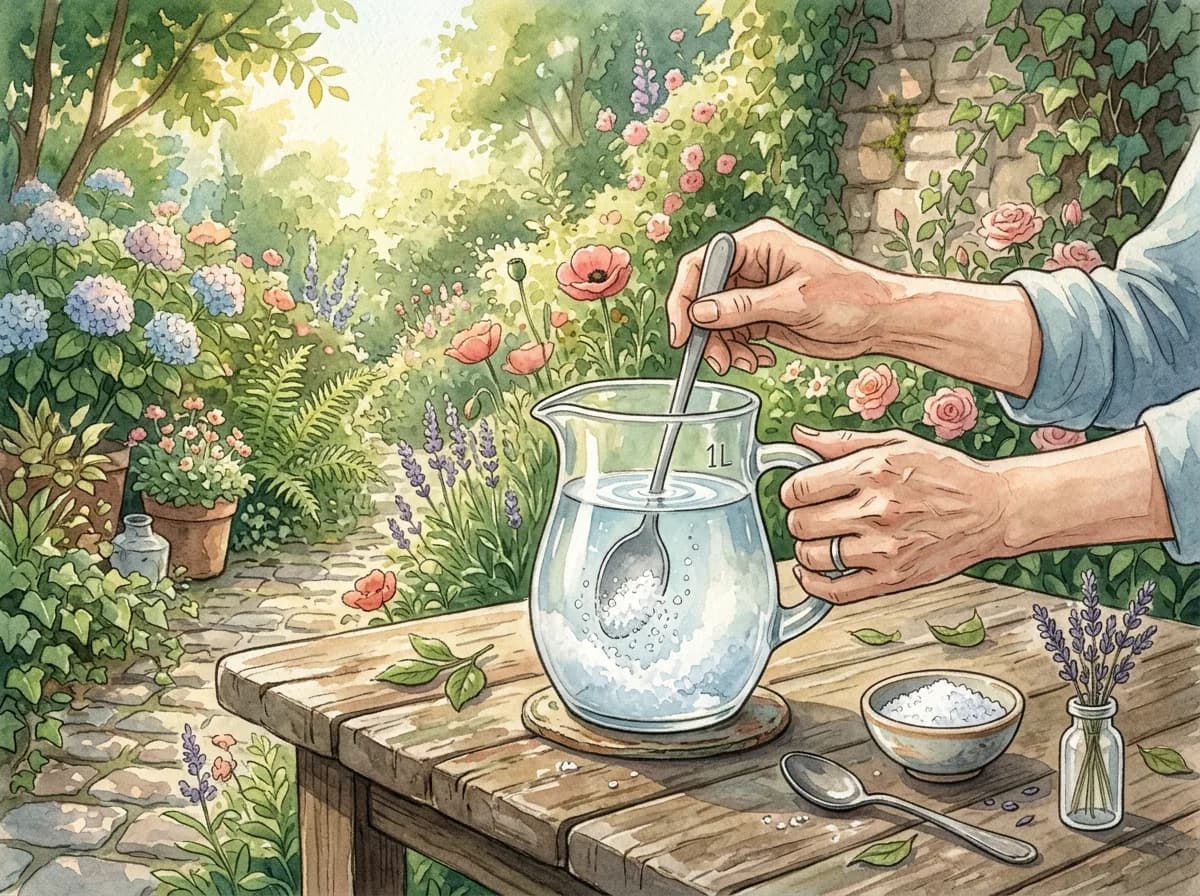
2Dissolve 5 g (0.2 oz) of Epsom salts per litre of water (one level teaspoon) until no crystals remain.
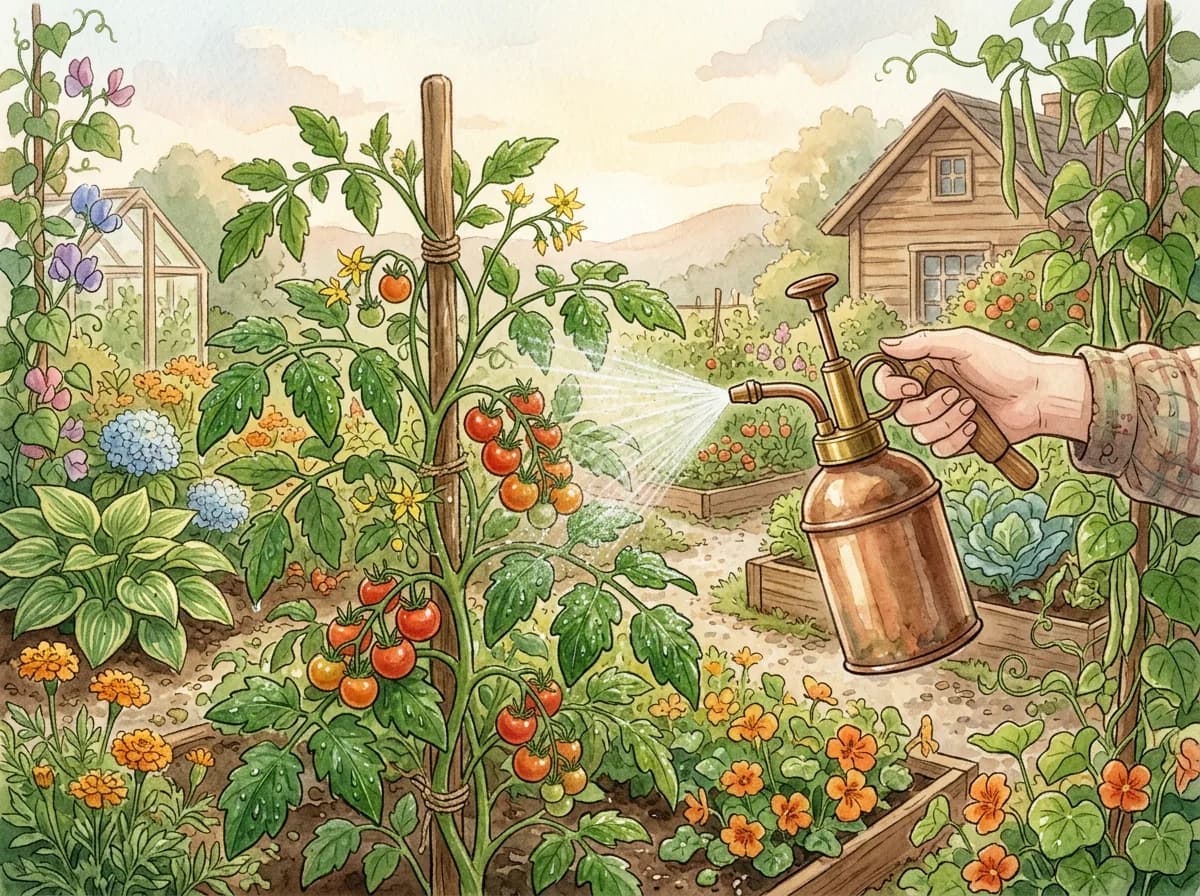
3Spray the leaves at dawn or dusk, 2–3 times 10–14 days apart, and watch whether the new leaves improve.
Dose
Indicative dose (no validated dose; it is common horticultural practice): foliar 5 g/L (0.5 %); to the soil 10–20 g (0.4–0.7 oz) per m² dissolved in the watering. Maximum 2–3 applications per season, and only with a confirmed deficiency.
Which plants
Tomato, pepper, aubergine, rose and fruit trees with a diagnosed deficiency. Not as a routine across the whole garden.
Plants mentioned in this remedy
 Tomato 'Marmande'Marmande tomato, flattened and ribbed, a good size for salads.
 Sweet pepper 'California Wonder'California Wonder pepper, a blocky bell type with thick flesh, for stuffing or eating fresh.
 Long black aubergineAn aubergine with glossy black fruit, for warm climates.
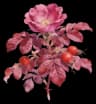 Rugosa roseA very hardy rose with distinctive wrinkled leaves, extraordinarily resistant to cold, salt and disease.
Precautions
- Too much magnesium can compete with calcium and potassium for uptake (and there is a risk of salinity). Tomato blossom end rot is avoided mainly with regular watering.
- Do not apply in full sun or in heat: the salts scorch the leaves.
- If the soil is dolomitic or already rich in magnesium, it adds nothing.
- In acid soil it is more effective to apply dolomite (it supplies magnesium and calcium) than to use salts every so often.
Why it works
Magnesium is the central atom of chlorophyll and moves from old leaves to new ones when it is lacking, which is why the symptoms appear below. Magnesium sulphate is very soluble and supplies it quickly through leaf or root.
Sources
- University of Georgia: Epsom salt in gardens, rumored benefits