
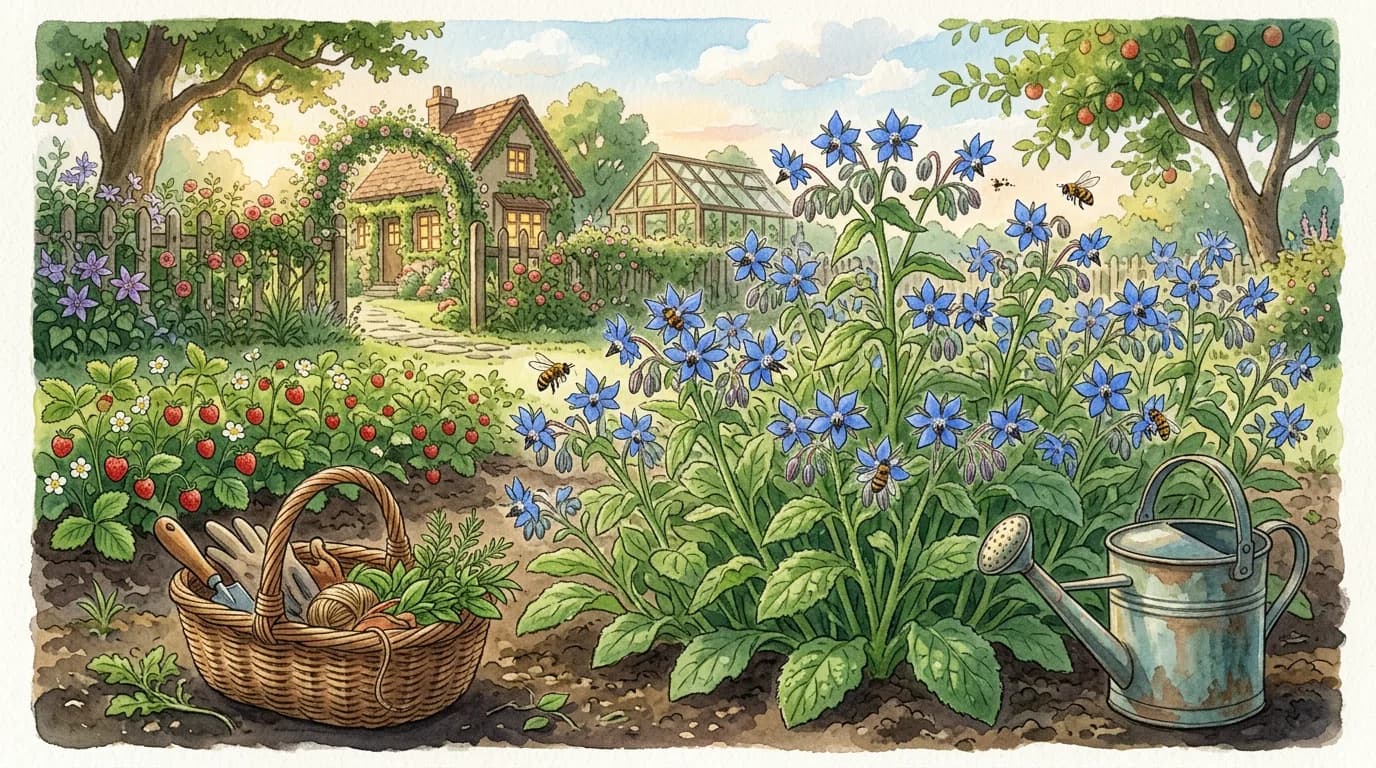
Borage feed
A steeping of borage leaves to give a gentle liquid fertiliser to strawberries, tomatoes and peppers.
Works in practice. It is a feed of traditional use. Borage is said to accumulate potassium and calcium in its leaves, but we have not found analyses or trials that confirm it or that set a dose. It is usually mentioned alongside other herbs, with no data of its own.
Before you start, read the precautions
You will need
- borage leaves
- water
- bucket with a loose lid
- stone
- gloves
When to use it
In spring and summer, at the start of flowering of strawberries, tomatoes and peppers, every 2 weeks.
Step by step
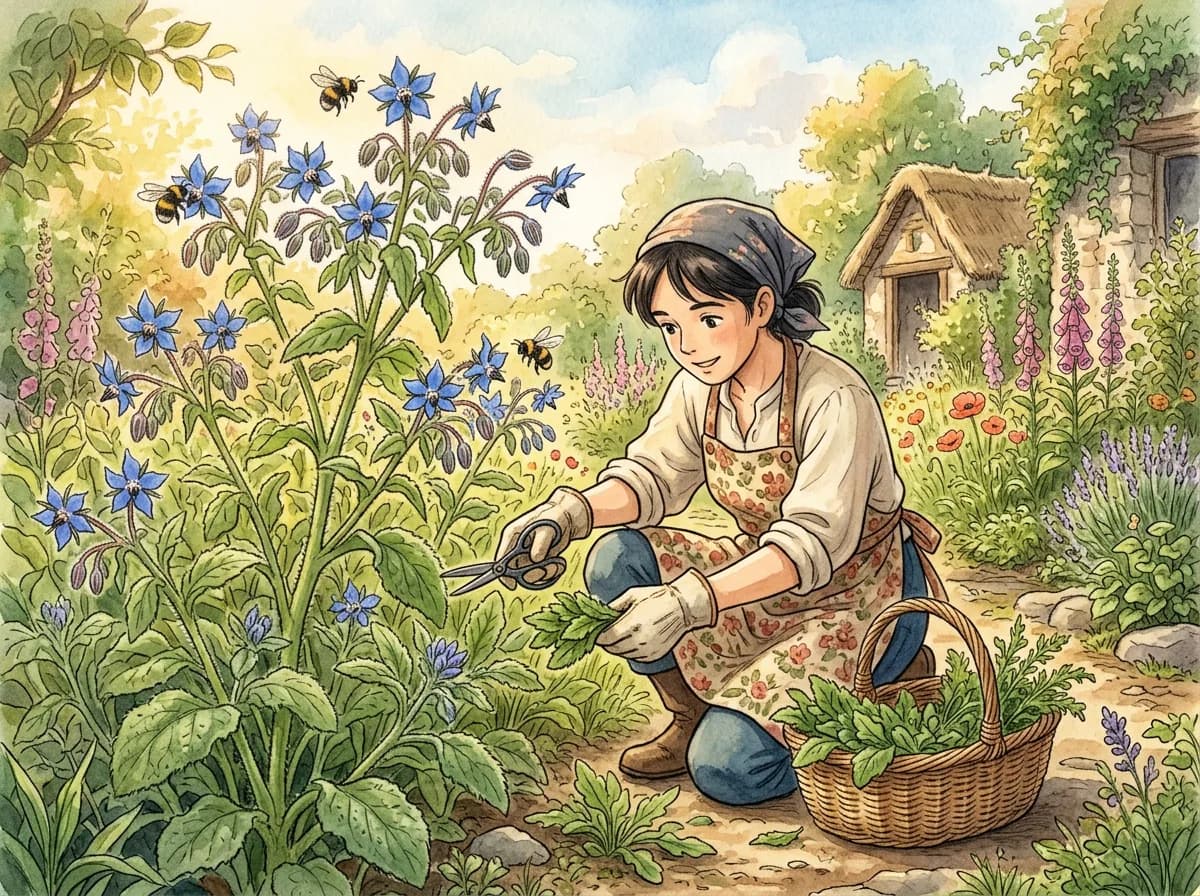
1Cut borage leaves wearing gloves (they are hairy and irritate the skin) and leave the flowers for the bees.
2Put 1 kg (2.2 lb) of leaves in a bucket with 10 litres (about 2.6 US gal) of water without chlorine. Put a stone on top and cover without closing. Stir every few days.
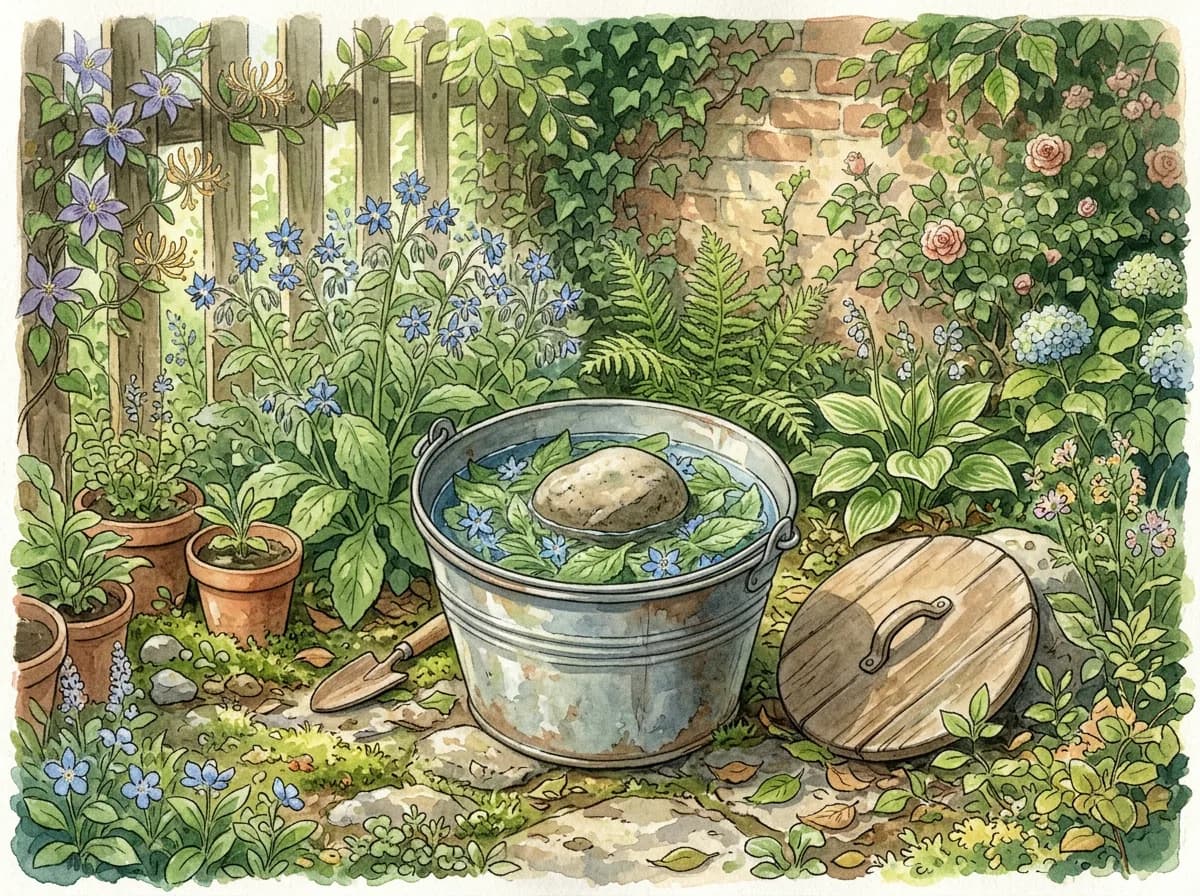
3After 7–14 days, when the liquid is dark and stops bubbling, strain it, dilute it and water at the base.
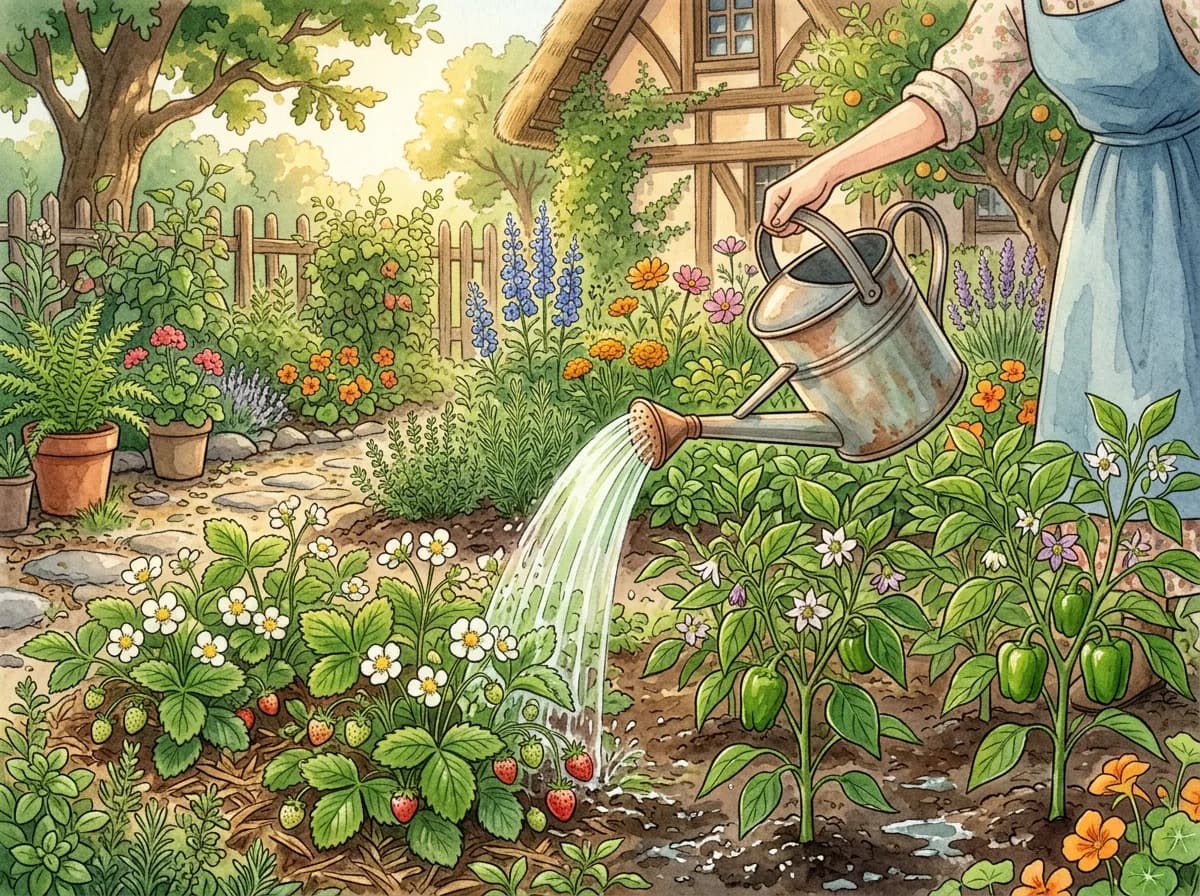
Dose
Indicative dose (like the other feeds; 1:20 is suggested for the thick liquid): 1 part of feed in 10–20 of water. Water onto the soil every 2 weeks during flowering.
Which plants
Good for strawberries, tomatoes, peppers, courgettes and flowers. Do not use it on leaf vegetables eaten raw.
Plants mentioned in this remedy
 Camarosa strawberryA strawberry with large, firm, deep red fruit, very productive and early.
 Sweet pepper 'California Wonder'California Wonder pepper, a blocky bell type with thick flesh, for stuffing or eating fresh.
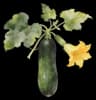 Courgette 'Nero di Milano'A cylindrical, very dark green courgette, productive and early, the classic bush type for continuous picking.
Precautions
- It smells strong: put it away from windows.
- Borage can contain pyrrolizidine alkaloids (toxic to the liver with repeated consumption): do not use the feed on edible leaves or fruit or spray it, and wash your hands after handling it.
- Do not use it undiluted; it burns roots.
- Do not spray it on fruit.
Why it works
The leaves are credited with a content of potassium and calcium that passes in part into the liquid when steeped; it has not been quantified. It is a gentle supplement, not a complete fertiliser.
Sources
- Royal Horticultural Society: homemade leaf fertilisers (dilution of the liquid, do not spray)
- We have not found analyses of the composition of borage feed; the dose is indicative