
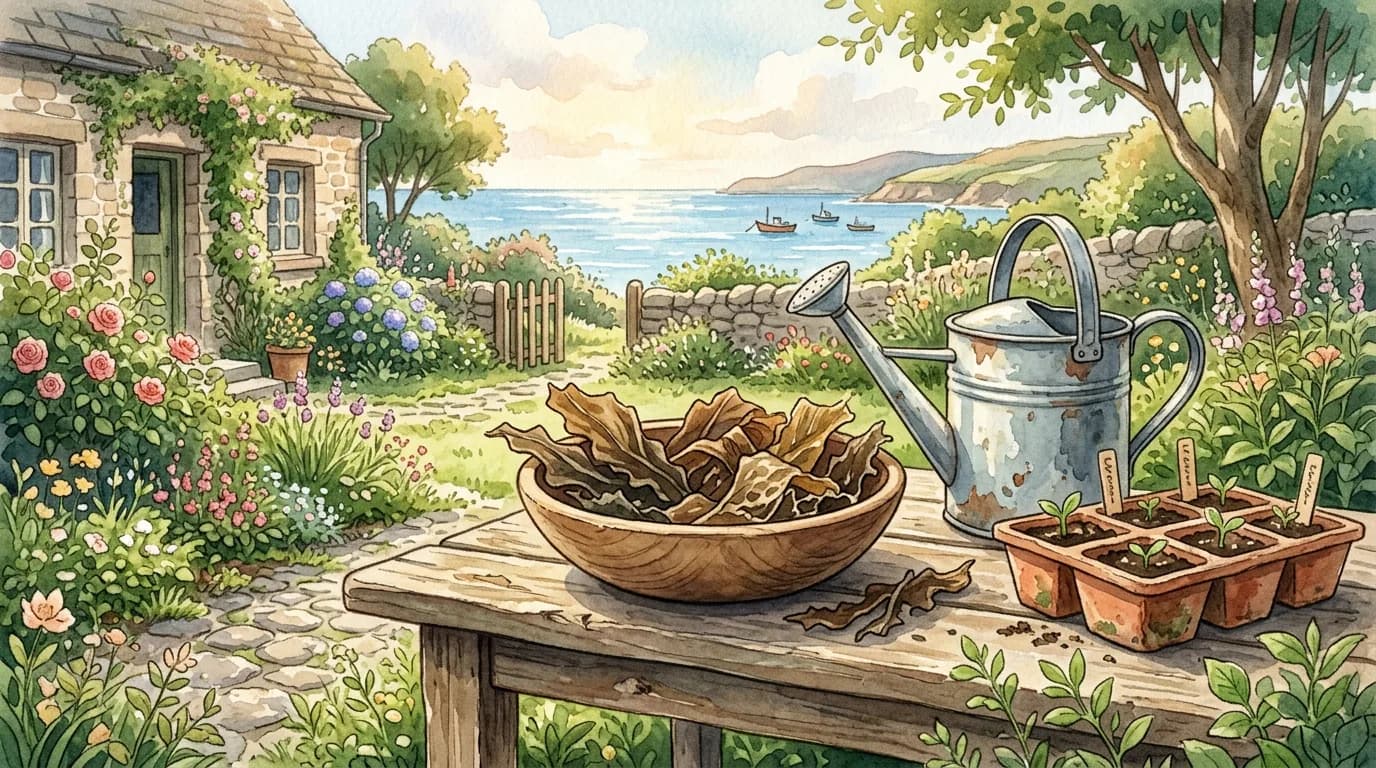
Seaweed extract (kelp) as a biostimulant
Seaweed supplies hormones and trace elements that help the plant cope with stress; the effect is modest but real.
Works in practice. Ascophyllum nodosum extracts are studied as biostimulants (for example, greater fruit set in pepper and aubergine over two seasons, or heat tolerance in tomato flowers), but reviews call for more standardisation: the effect depends on the extract and the species. There are no trials with homemade steepings of dried seaweed, which are far less uniform than a commercial product. See also “Seaweed as fertiliser and mulch”.
Before you start, read the precautions
You will need
- dried seaweed (kelp)
- rainwater
- bucket
- spray bottle
When to use it
At transplanting, in heatwaves, drought or after a frost, and in seed trays to give vigour. Every 2–3 weeks during growth.
Step by step
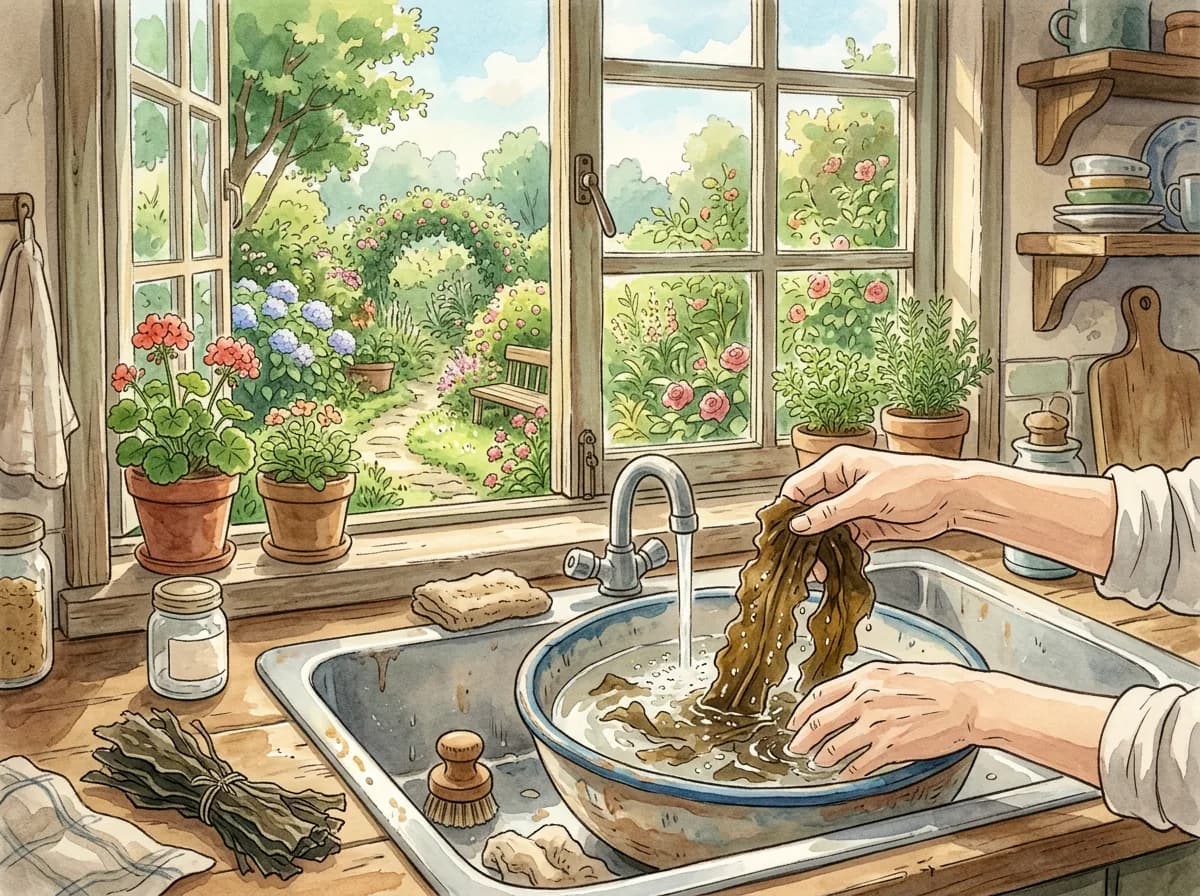
1If you use dried seaweed from a herbalist or shop, rinse it well with water to remove salt and sand.
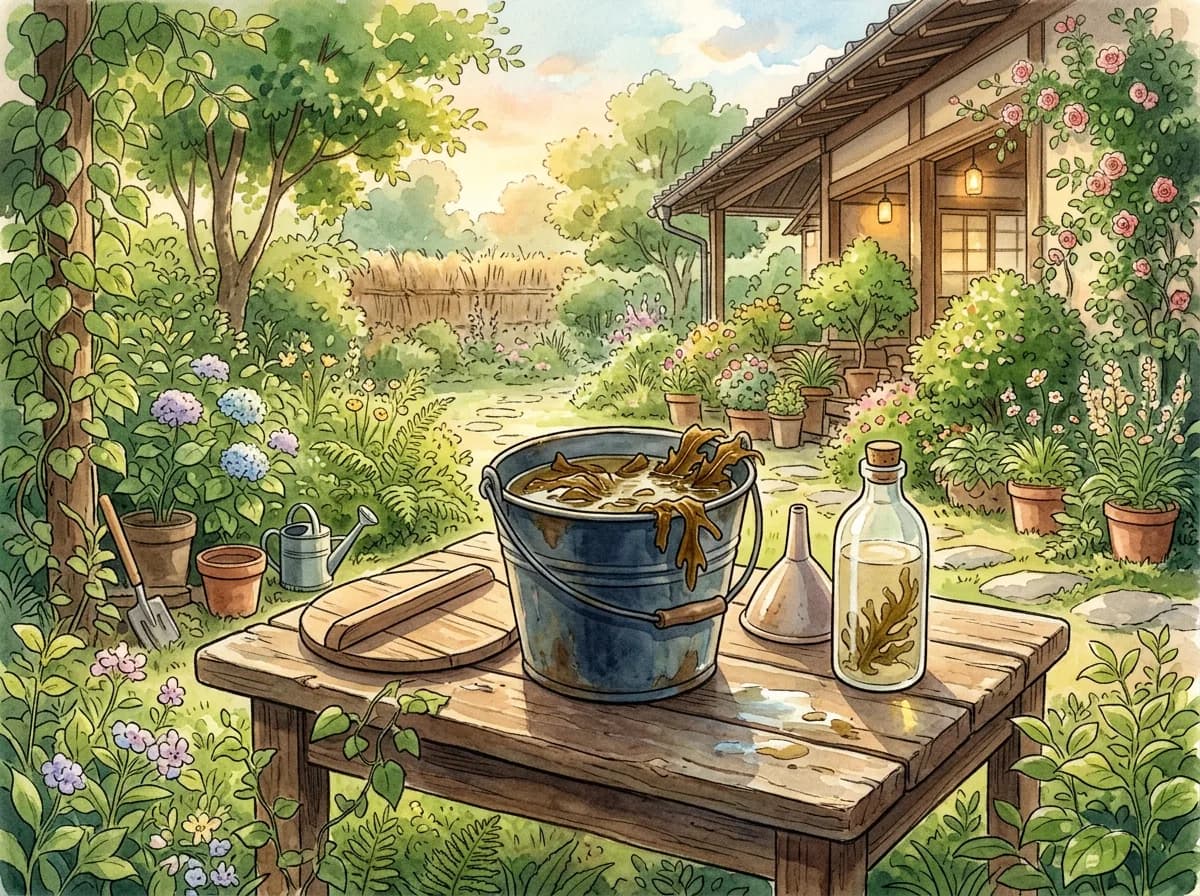
2Steep 20 g (0.7 oz) of dried seaweed per litre of rainwater for 24–48 hours, covered. Strain.
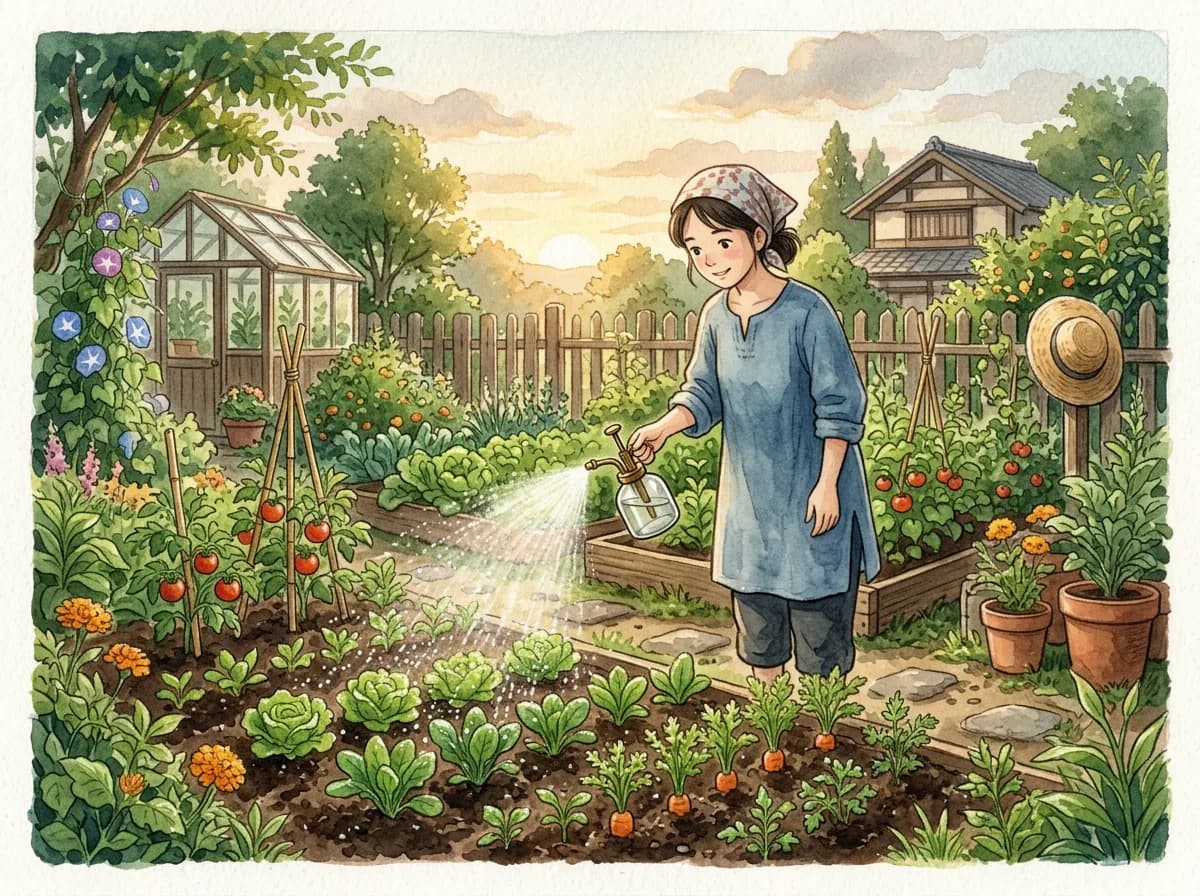
3Dilute 1:10 for watering or 1:20 for spraying leaves at dusk. Apply every 2–3 weeks.
Dose
Indicative dose: 20 g/L of steeping, diluted 1:10 for watering and 1:20 for spraying, at most every 14 days. For reference, reviews of commercial extracts cite sprays at 0.1–0.5 % and waterings of 0.5–2 g/L of product; for the homemade steeping there is no validated dose.
Which plants
Fruit and leaf vegetables, ornamentals and seedlings. It is not a substitute for feeding.
Precautions
- Do not collect seaweed from the beach without permission: beach-cast seaweed regulations vary by autonomous community.
- Rinse well: salt can damage seedlings.
- It smells strong as it ferments; do not leave it more than 2 days or store it.
- With additives or in compost teas, it can favour bacteria; use only water and seaweed.
Why it works
Brown seaweeds contain compounds with possible biological activity (for example cytokinins, betaines, mannitol and trace elements). Extracts are credited with improvements in stress and yield, but the exact mechanism is not settled and depends on the extract.
Sources
- Frontiers in Plant Science (2025): foliar seaweed extract on pepper and aubergine, two-year field trial
- SABRAO Journal (2026): systematic review of seaweed biostimulants; notes the lack of standardisation