
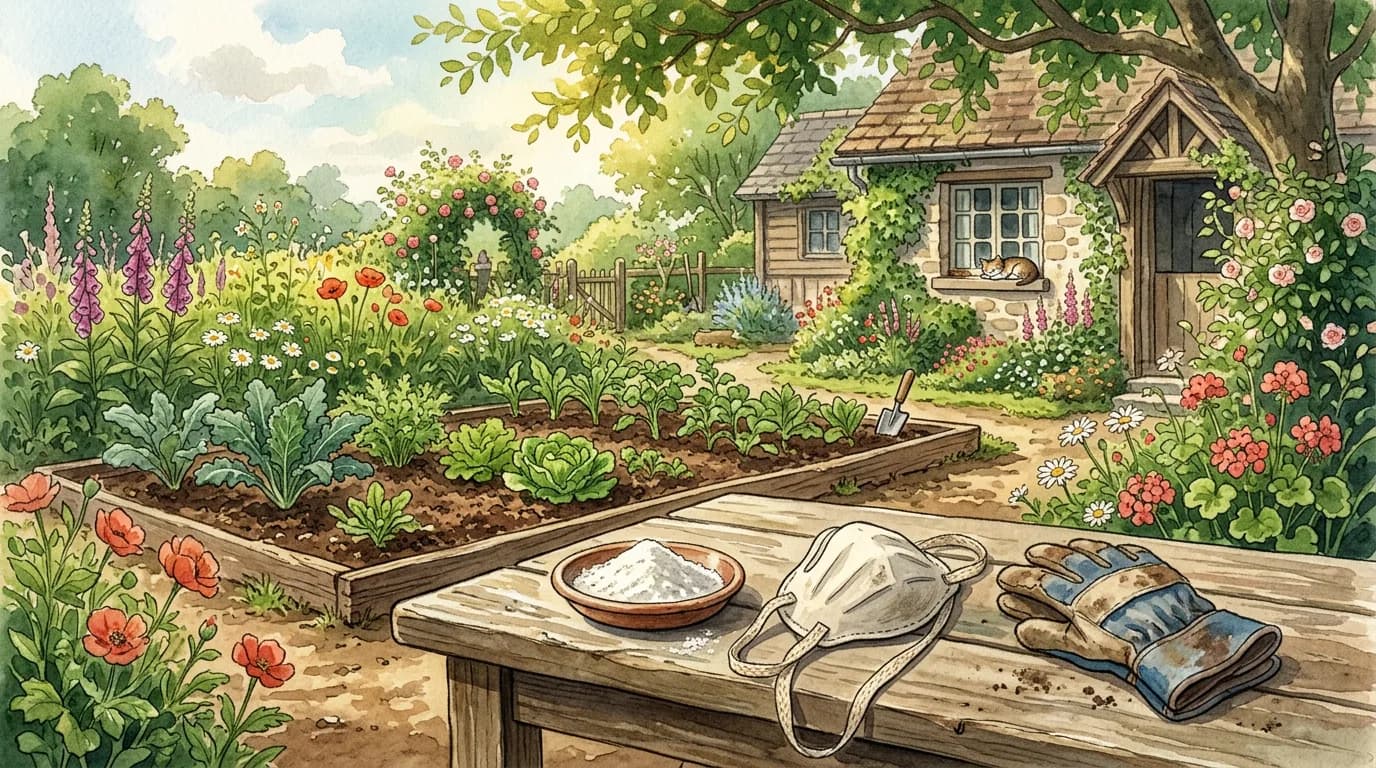
Diatomaceous earth for soft-bodied insects
A siliceous powder that dries out slugs, aphids and ants; it only works dry and needs protection when applying it.
Use with care. It works as a desiccant only when dry: it loses effectiveness when wet. It also affects useful insects and the dust irritates airways and eyes; products with crystalline silica are a risk to the lungs.
Before you start, read the precautions
You will need
- food-grade diatomaceous earth
- mask
- gloves
- duster
When to use it
In dry weather without wind, on dry soil at the base of plants visited by slugs or crawling insects, or in cracks in pots.
Step by step
1Put on a mask (FFP2), goggles and gloves before opening the sack. Choose food-grade or horticultural diatomaceous earth (never the pool kind).

2Dust a very thin layer (almost imperceptible) onto dry soil around the plant or on the underside of visited leaves.
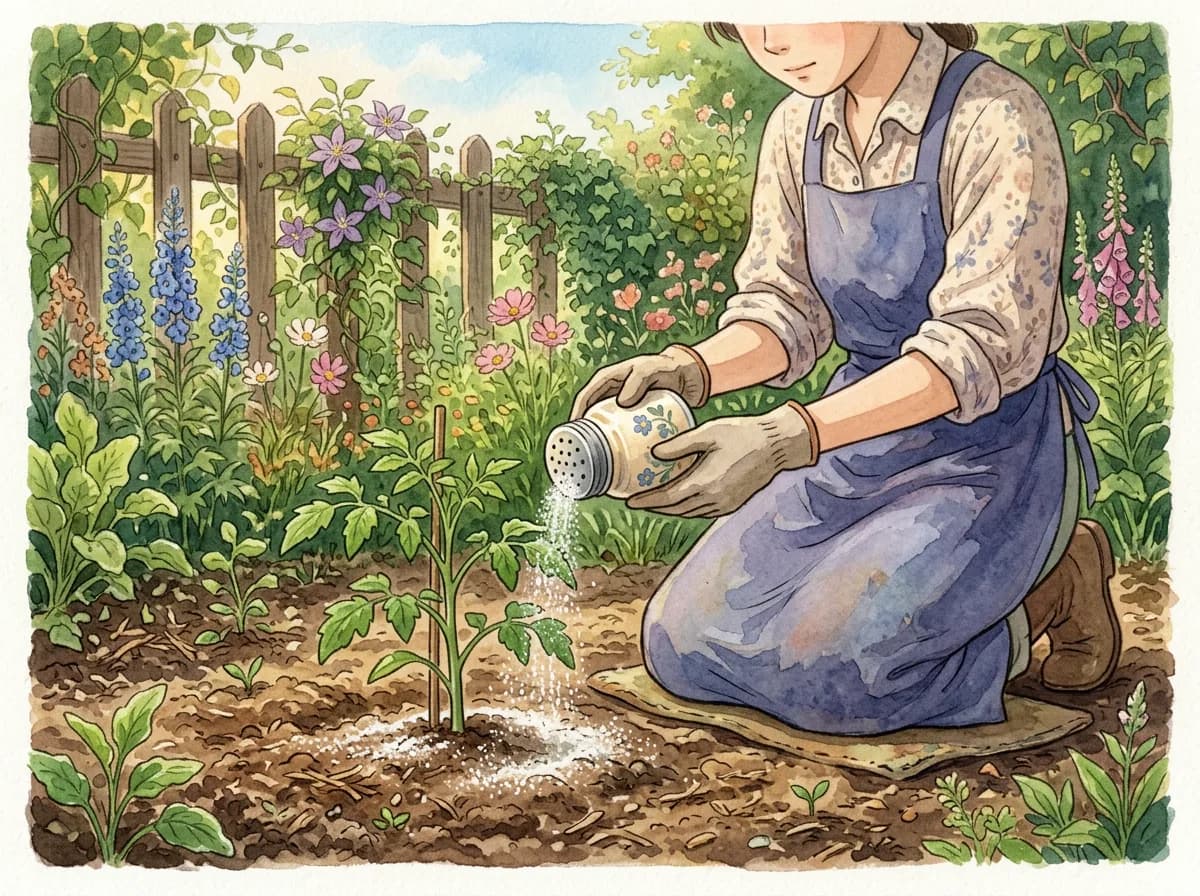
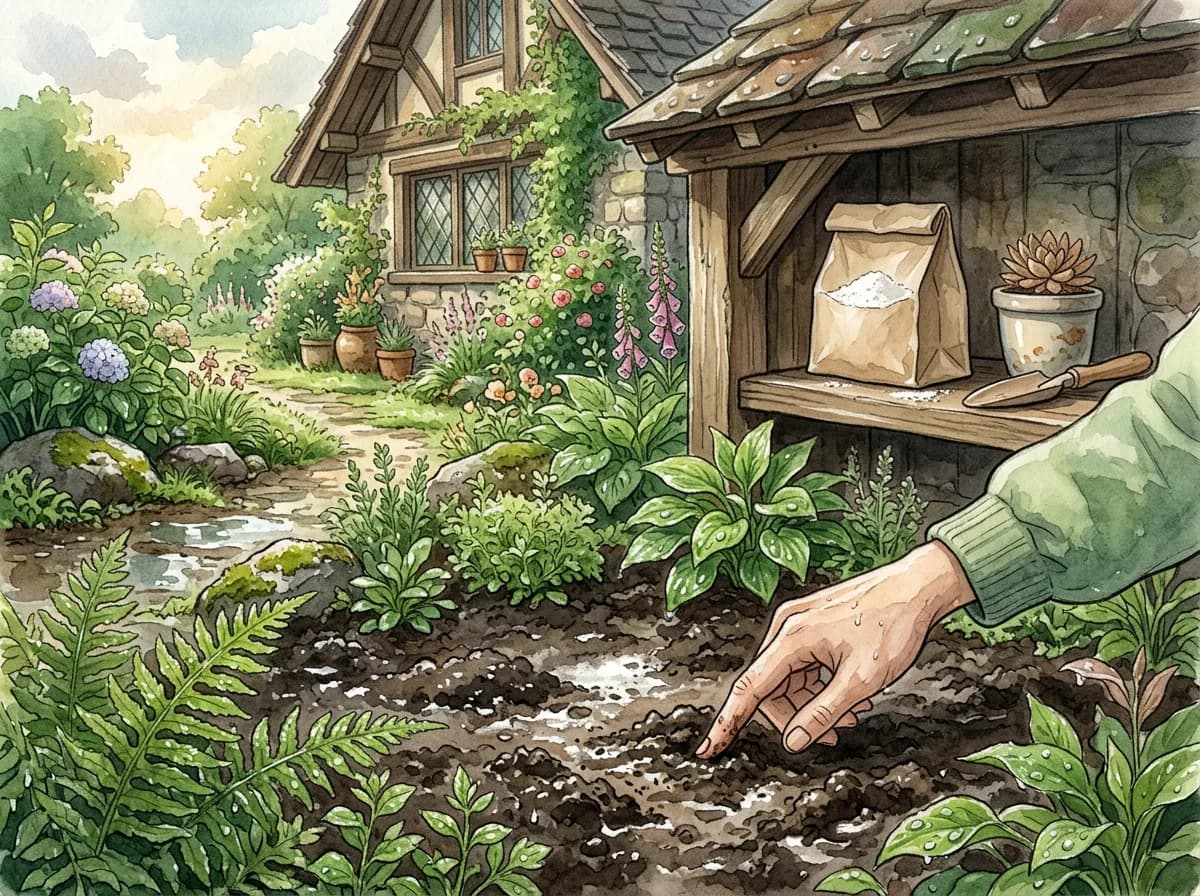
3Renew after rain or watering. Keep the sack dry and closed, under cover.
Dose
A very thin, even layer, not heaps (there is no reliable standard dose). Repeat when it gets wet.
Which plants
Base of lettuces, cabbages and strawberries visited by slugs; ant trails. Avoid flowering crops and plants that pollinators visit.
Plants mentioned in this remedy
 Savoy cabbageSavoy cabbage, with blistered, crinkled leaves, which grows sweeter with the cold; it does best in autumn…
 Camarosa strawberryA strawberry with large, firm, deep red fruit, very productive and early.
Precautions
- Never use pool diatomaceous earth: it is calcined and contains crystalline silica that is dangerous for the lungs.
- The dust irritates eyes and airways: mask, goggles and no wind.
- It is a non-selective desiccant: it can also affect bees, ladybirds and other useful insects (there is no specific study in the sources, this is a precaution). Do not apply it over flowers.
- Useless with humidity: it does not work on wet soil or with dew or rain.
Why it works
The silica particles (fossil remains of diatoms) absorb the waxes and abrade the cuticle of insects, which dehydrate. With humidity the effect disappears.
Sources
- National Pesticide Information Center (Oregon State University): diatomaceous earth fact sheet; crystalline silica and inhalation, effective only while kept dry
- University of California Integrated Pest Management: snails and slugs; diatomaceous earth as a band loses effectiveness when it gets damp and is hardly useful in the garden