
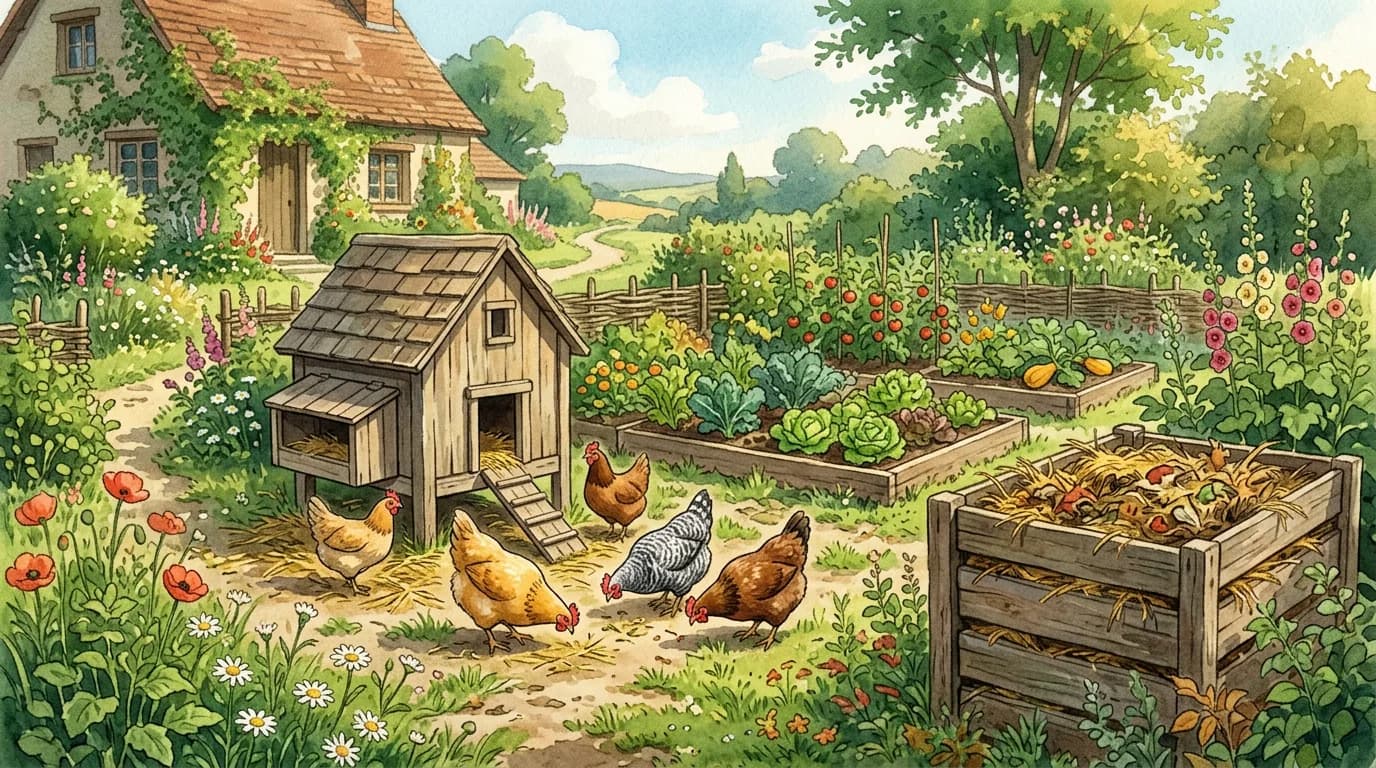
Composted chicken manure
Chicken manure is very rich in nitrogen and phosphorus, but it needs to be properly composted before use.
Use with care. Chicken manure is rich in nitrogen and phosphorus, but fresh it burns plants and can carry Salmonella and E. coli. Correct composting reaches 60–71 °C (140–160 ºF), and uncomposted chicken manure requires waiting 90 days (crops with no contact with the soil) or 120 days (with contact) before harvest.
Before you start, read the precautions
You will need
- henhouse manure and bedding
- straw
- dry leaves
- compost thermometer
When to use it
Compost during spring-summer to use in autumn; apply in autumn or at the end of winter, never on growing crops.
Step by step
1Mix the henhouse bedding (manure and straw) with dry leaves and straw in equal parts, in layers, in a compost bin.
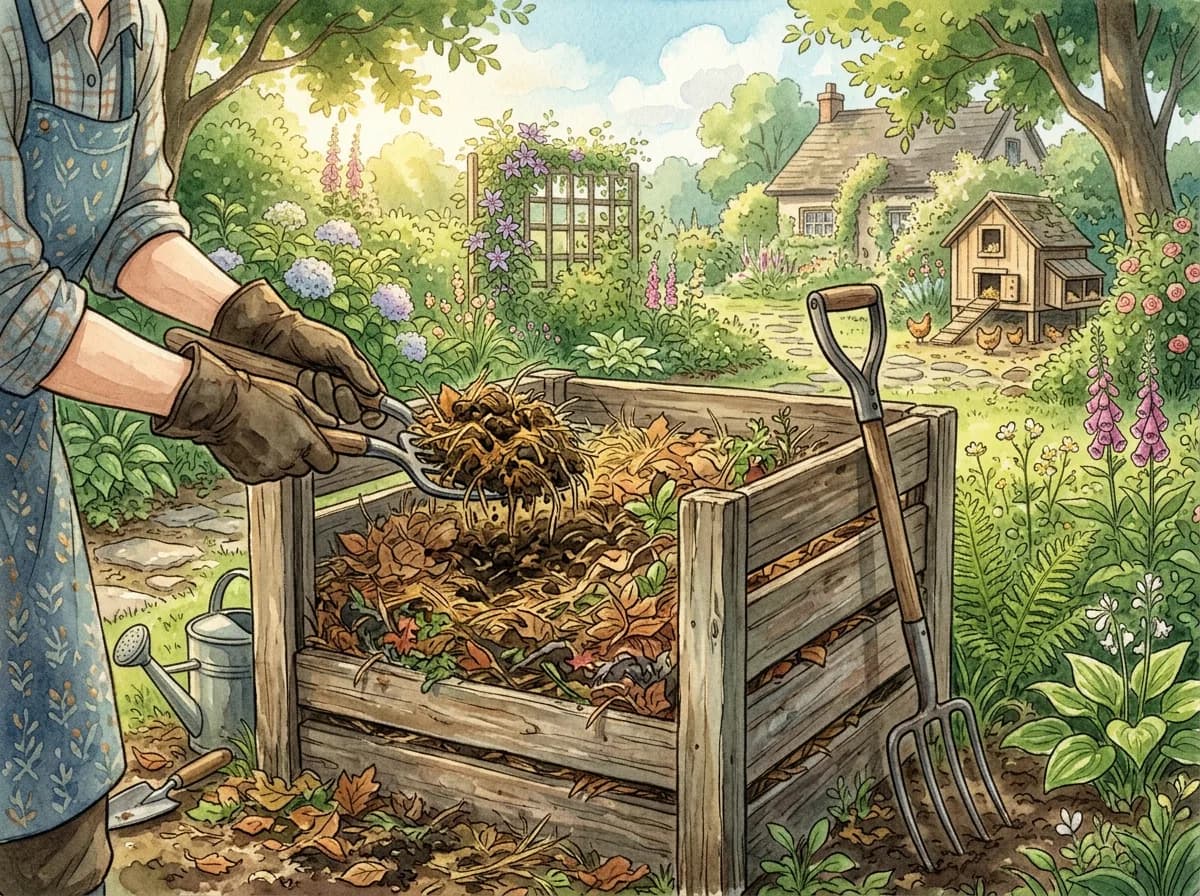
2Monitor the temperature with a thermometer: 60–71 °C (140–160 °F) is correct composting; turn the pile weekly. If you cannot turn it, dry it and let it age, although that only reduces pathogens slowly.
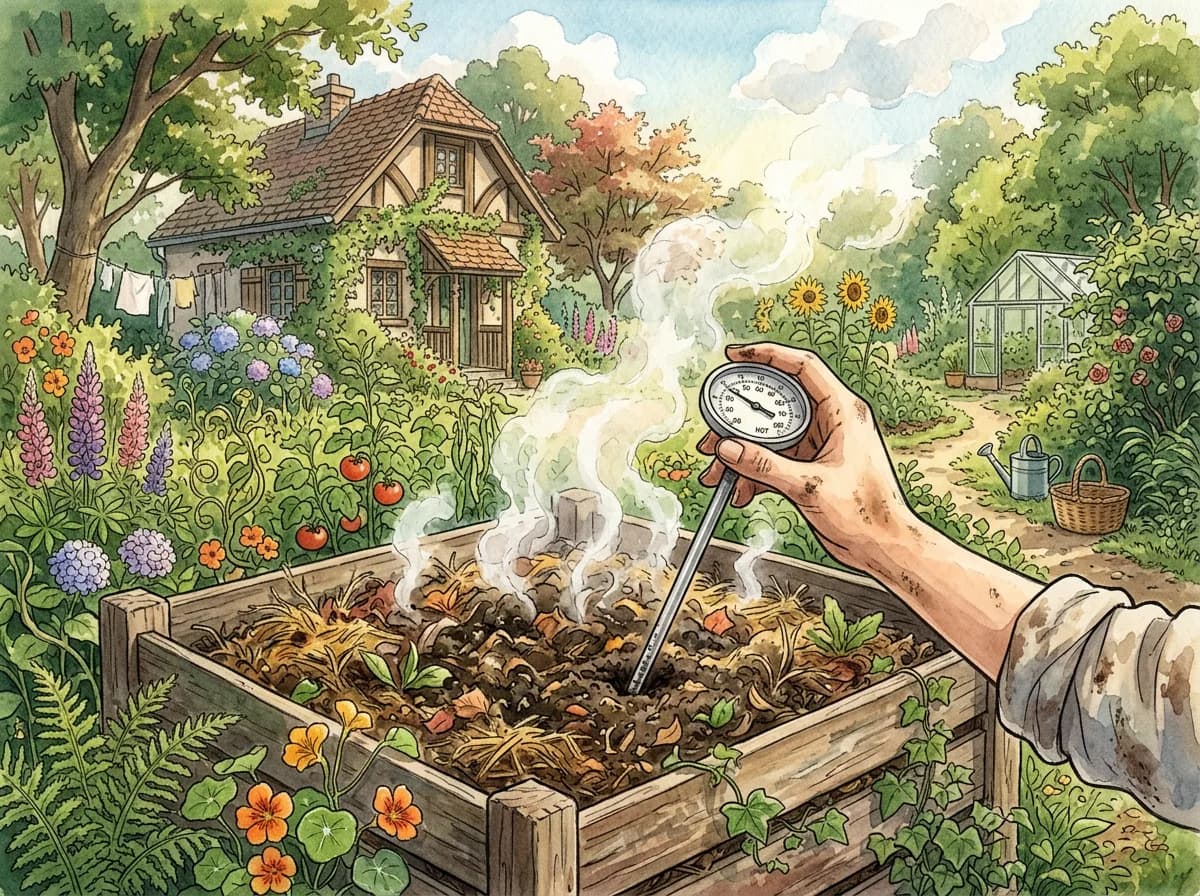
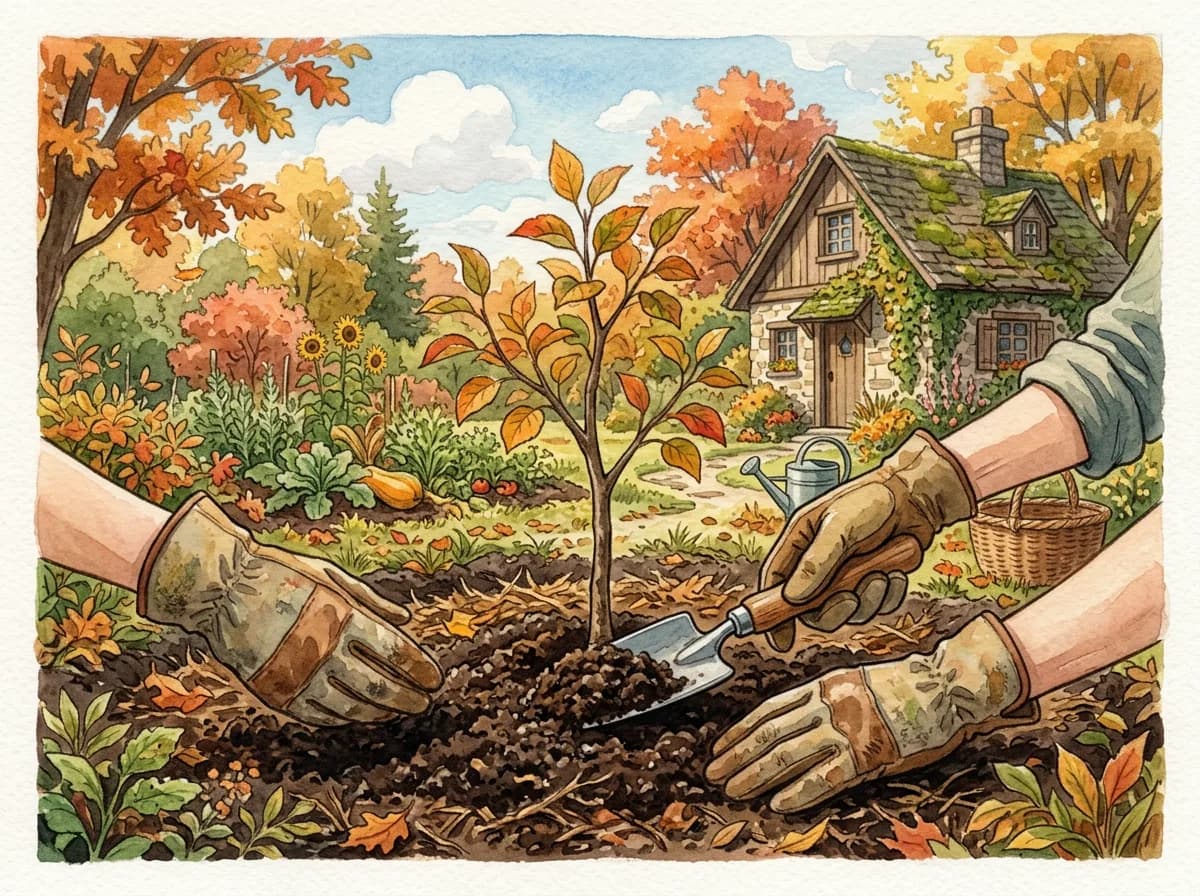
3About 5–6 weeks are needed of active composting for chicken manure. Then let it mature for 2 to 4 months (indicative). When it is dark, crumbly and has no smell of ammonia, spread it in a thin layer and mix it with the soil.
Dose
Indicative and cautious dose (no verified figure): 1–2 kg (2.2–4.4 lb) of finished compost per square metre, once a year. In pots, no more than 10–15 % of the growing medium.
Which plants
Good for maize, cabbage, courgette, tomato and fruit trees. Avoid on root and leaf vegetables eaten raw without respecting the waiting periods.
Plants mentioned in this remedy
 SweetcornMaize with tender, sugary kernels for eating on the cob.
 Savoy cabbageSavoy cabbage, with blistered, crinkled leaves, which grows sweeter with the cold; it does best in autumn…
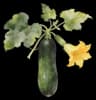 Courgette 'Nero di Milano'A cylindrical, very dark green courgette, productive and early, the classic bush type for continuous picking.
 Tomato 'Marmande'Marmande tomato, flattened and ribbed, a good size for salads.
Precautions
- Never fresh: ammonia burns the roots and there is a health risk.
- If you are not sure it was properly hot-composted, respect 90 days (crops with no contact with the soil) or 120 days (with contact) between application and harvest. People at greater risk (pregnant women, small children) should avoid eating raw vegetables from gardens fertilised with manure.
- Wash your hands and wear gloves when handling it; avoid the dry dust.
- If the hens are given medication or antiparasitics, wait for the withdrawal time.
Why it works
Chicken manure is very rich in nitrogen and phosphorus. Hot composting destroys pathogens and turns volatile nitrogen into stable forms that do not burn.
Sources
- University of Nevada, Extension: chicken manure in the vegetable garden (140–160 ºF; 90 and 120 days before harvest)