
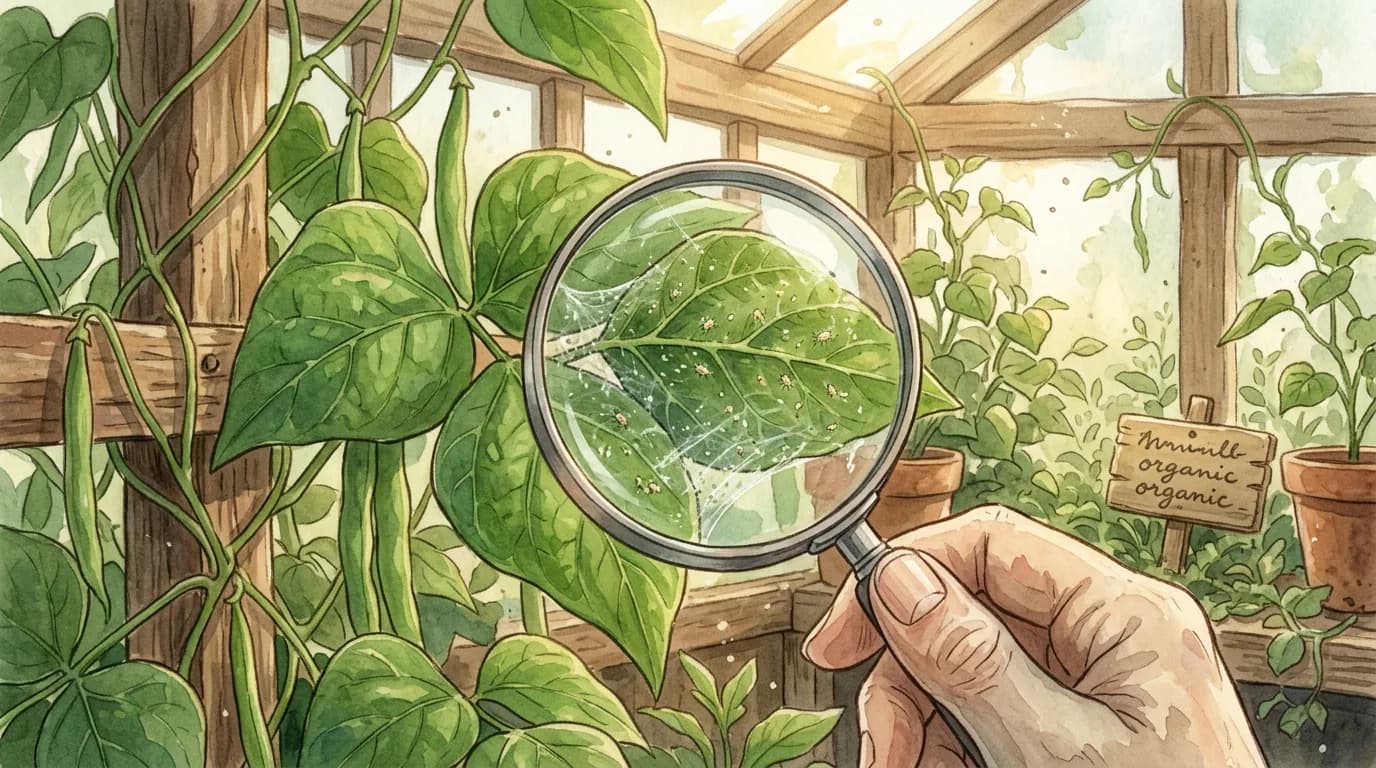
Water and humidity against red spider mite
Mites thrive in dry, hot air: washing them off with water and raising the humidity holds them back without chemicals.
Well established. On infested plants, spray water onto the undersides of the leaves at least once a day; in the garden and on small fruit trees, a regular strong jet is often enough. Mites thrive with heat, dust and drought-stressed plants.
Before you start, read the precautions
You will need
- water
- hose
- spray bottle
- watering can
When to use it
When you see leaves mottled with yellow and fine webbing on the underside, especially in summer and in a dry greenhouse.
Step by step
1Turn a leaf over and look at the underside with a magnifying glass: tiny moving dots and fine silk indicate mites.
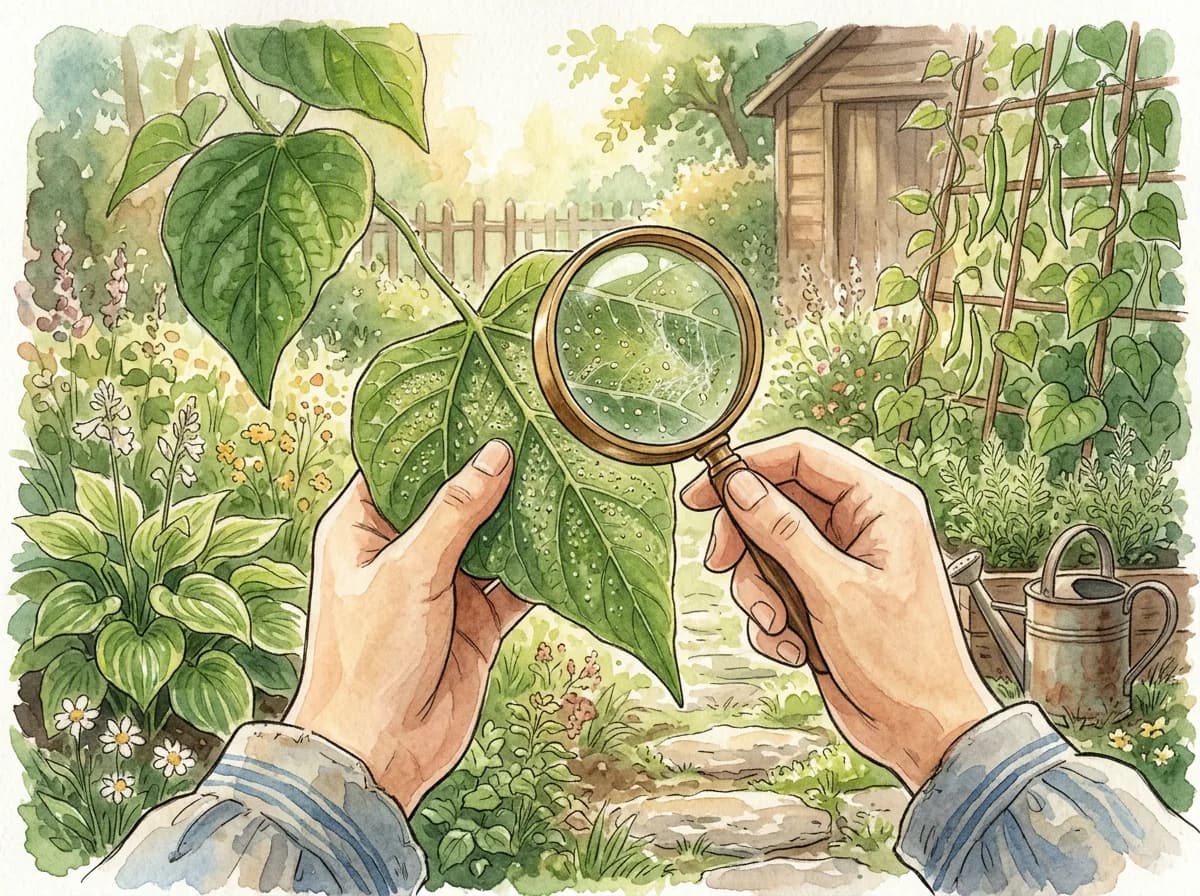
2First thing in the morning, wash the underside with a fine jet of water. Do it daily for a week.

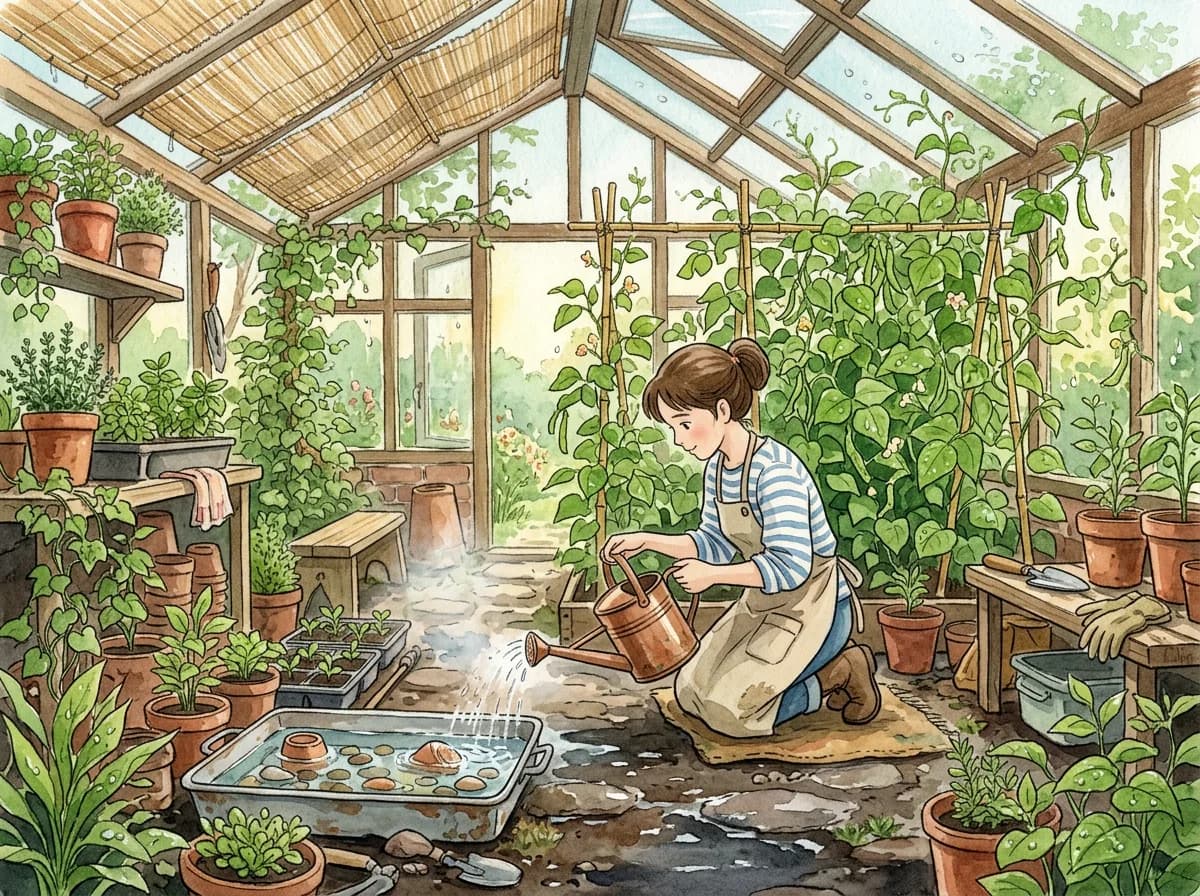
3Raise the humidity: water the soil, add shade and stop the greenhouse from drying out. Indoors, use trays with water and group plants together.
Dose
No dose: a gentle jet of water on the underside at least once a day for 7–10 days (indicative), and avoid dust and drought stress on the plant.
Which plants
Beans, tomatoes, cucumbers, strawberries, roses and houseplants. Less useful on succulents, which do not tolerate humidity.
Plants mentioned in this remedy
 Dwarf French beanA dwarf green bean that does not need a support and is easy to grow in a bed.
 Cucumber 'Marketmore'The 'Marketmore' cucumber is a classic salad cucumber resistant to several diseases.
 Camarosa strawberryA strawberry with large, firm, deep red fruit, very productive and early.
Precautions
- Do it early so the leaves dry: water on the leaf at night favours fungi.
- Do not use high pressure on seedlings or thin leaves: it tears them.
- If there is powdery mildew, avoid wetting the foliage often.
- If the visitors persist, combine with potassium soap or a horticultural oil, without applying them above 32 °C (90 °F) or on drought-stressed plants.
Why it works
Mites multiply with heat, dust and water stress in the plant. Water washes away webbing, eggs and mites and removes dust; a less dry atmosphere is less favourable to them.
Sources
- University of California Integrated Pest Management: mites (Spider mites); water spray at least once a day on the underside, dust control, soaps and oils if needed