
Dry hoeing and ground covers
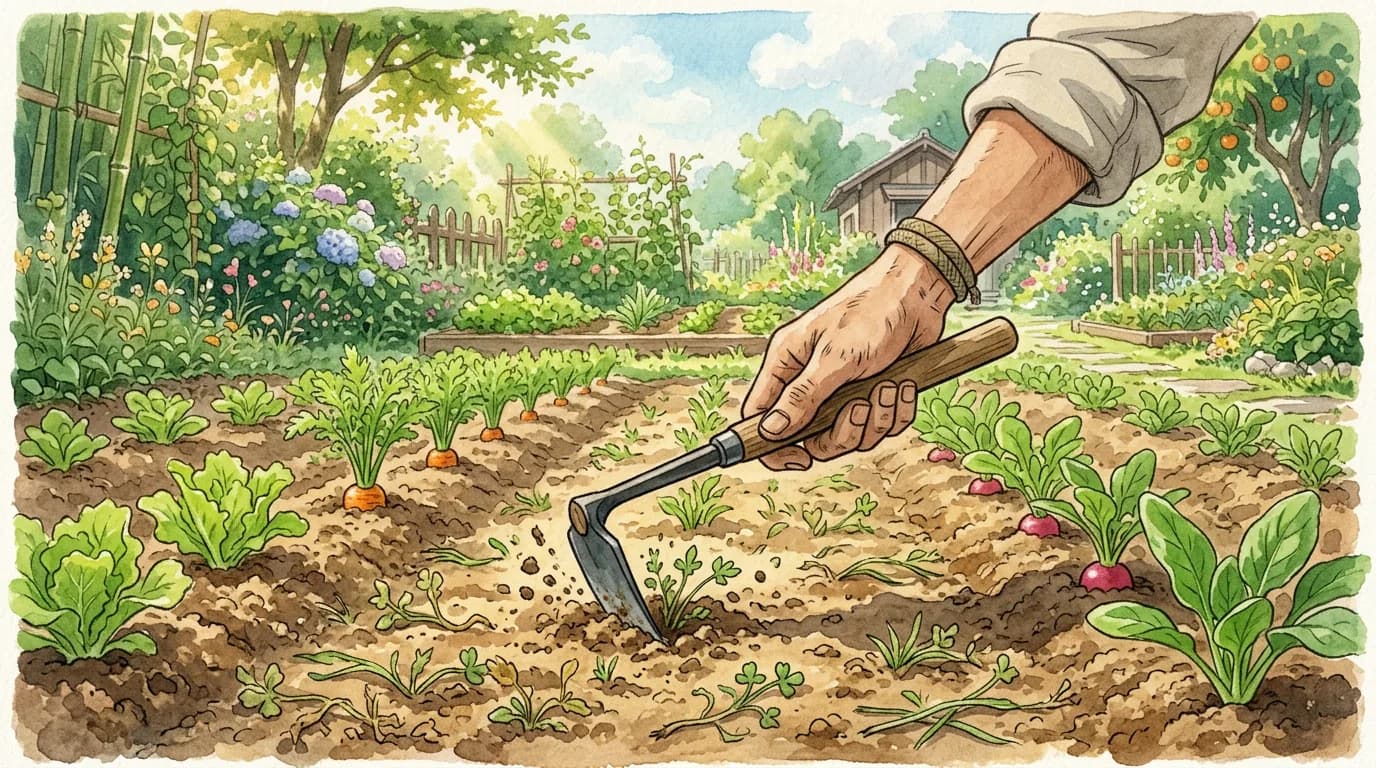
Running the hoe over dry soil in sun, and covering the soil with plants, stops weeds from settling in.
Works in practice. Hoe when the soil surface is dry and leave the cut weeds to dry in the sun so that they do not root again. That dense sowings and ground covers help is usual practice in integrated management, with no specific verified source.
Before you start, read the precautions
You will need
- hoe
- rake
- dwarf clover seeds
When to use it
Regularly, from when the first weeds come up and before they cause problems (the best time is before you have a problem). Best in the morning of a sunny day and with the surface soil dry.
Step by step
1With a well-sharpened hoe, cut the small weeds just below the surface of the dry soil, at 1–2 cm (0.4–0.8 in) deep, without turning the soil over deeply.
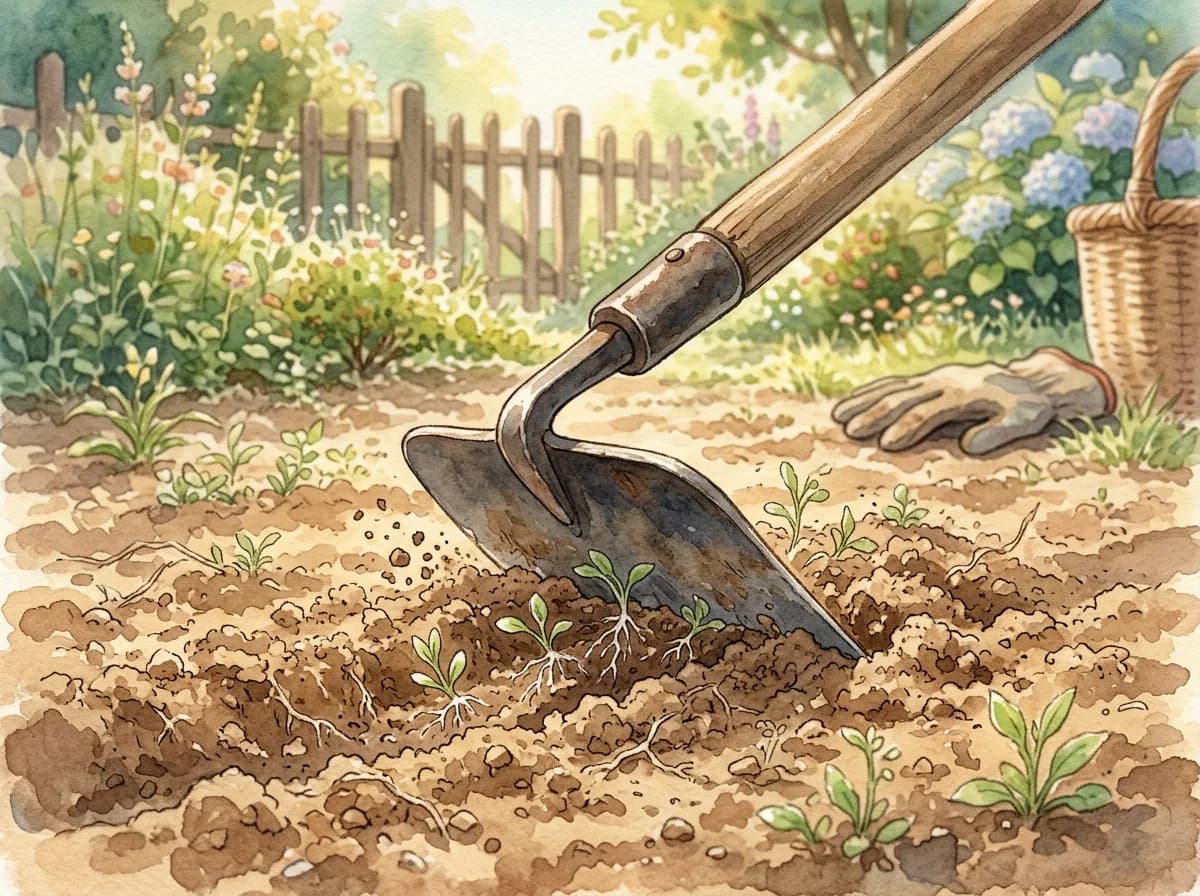
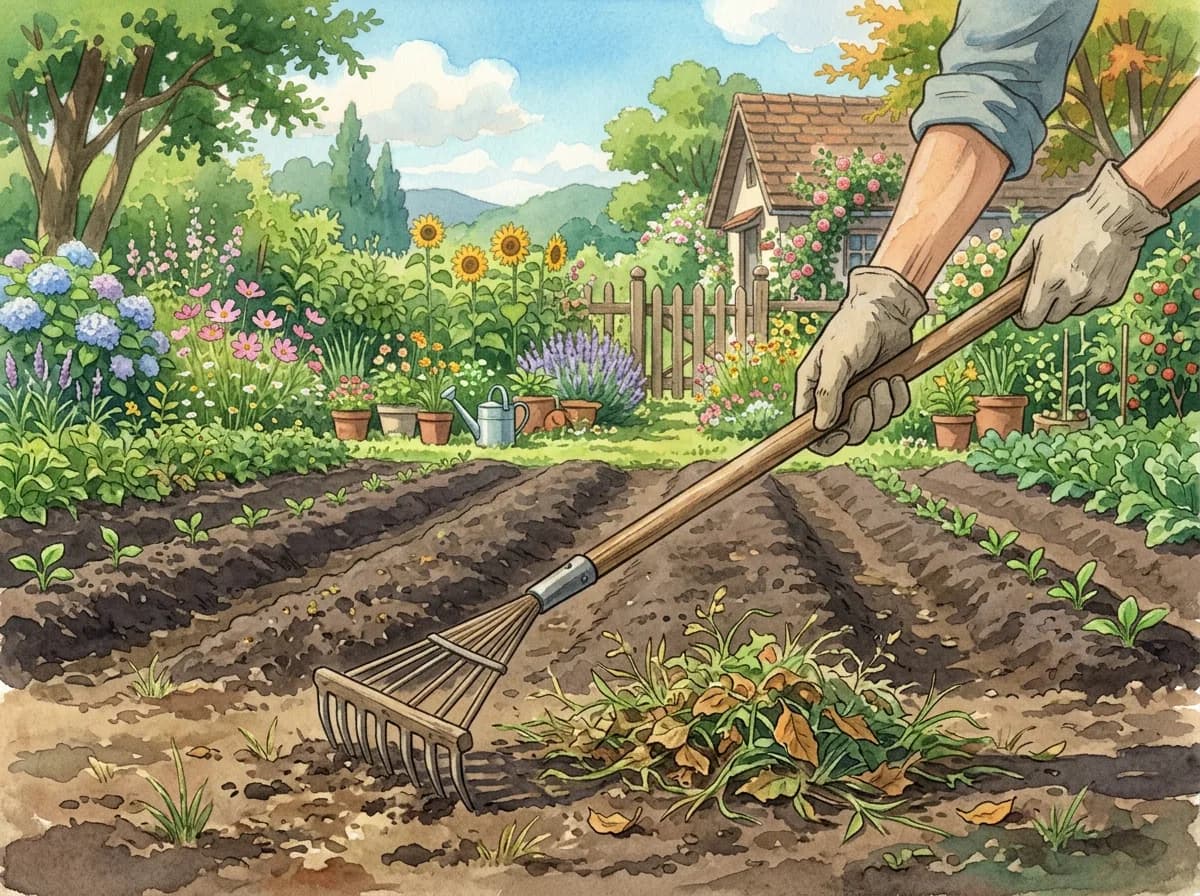
2Leave the cut weeds in the sun for a few hours, or rake up and remove those that have seed or a fleshy root.
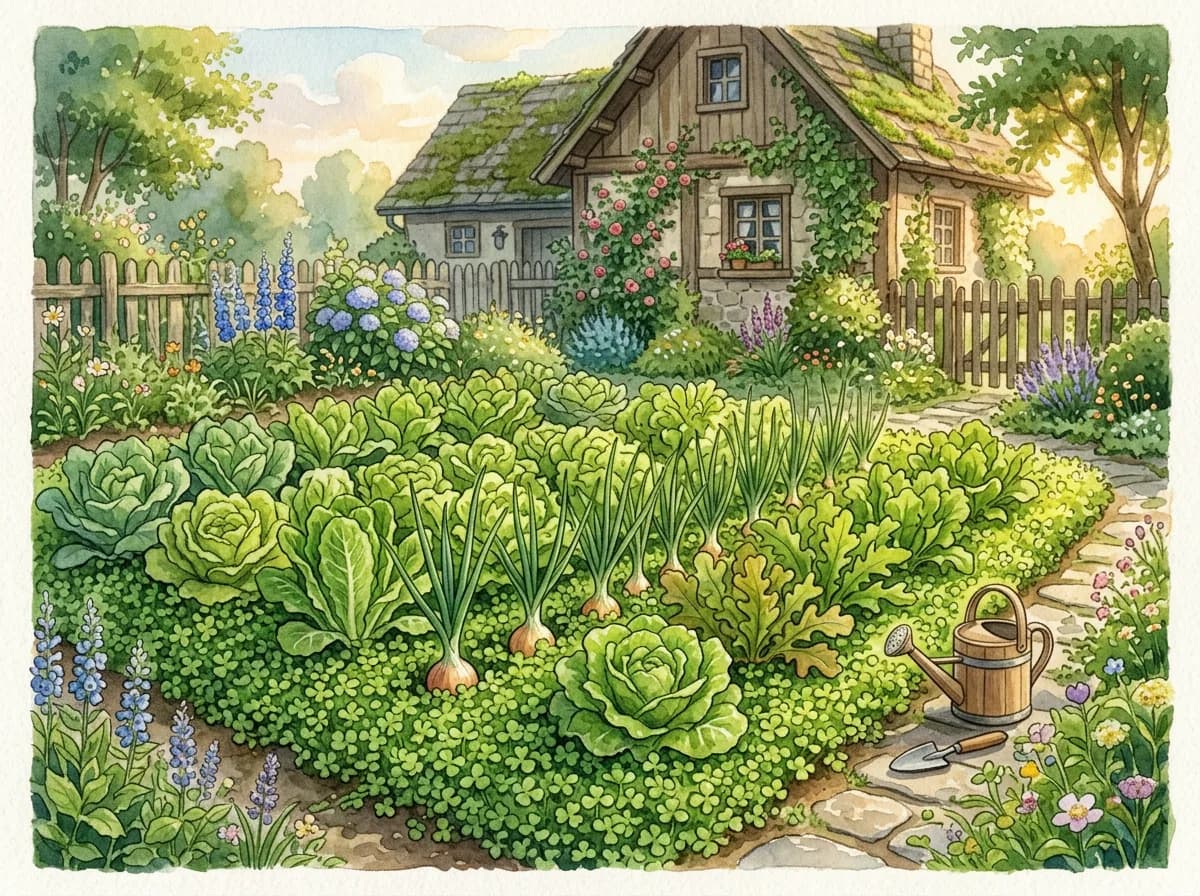
3Plant or sow more densely (rows closer together on lettuces, onions, carrots) and cover the gaps with mulch or ground covers such as dwarf clover, so that no bare soil is left.
Which plants
Vegetables in rows, fruit trees and open beds. Ground covers recommended in the alleys of orchards and between beds.
Precautions
- Do not hoe in wet soil: cut weeds take root again.
- Take care not to damage the surface roots of tomatoes, peppers or onions: work shallowly.
- Ground covers compete for water if sown too early or too densely: sow after transplanting and mow when needed.
- Remove weeds with seed and do not leave them on the bed.
Why it works
Weed seedlings are easier to remove while they do not yet have a deep root. The shade of the dense vegetables themselves and covered soil reduce the light and the seed that germinates.
Sources
- Garden Organic: hoeing the vegetable garden; dry soil, in the morning, sharp hoe at 1–2 cm, leave the cut weeds to dry