
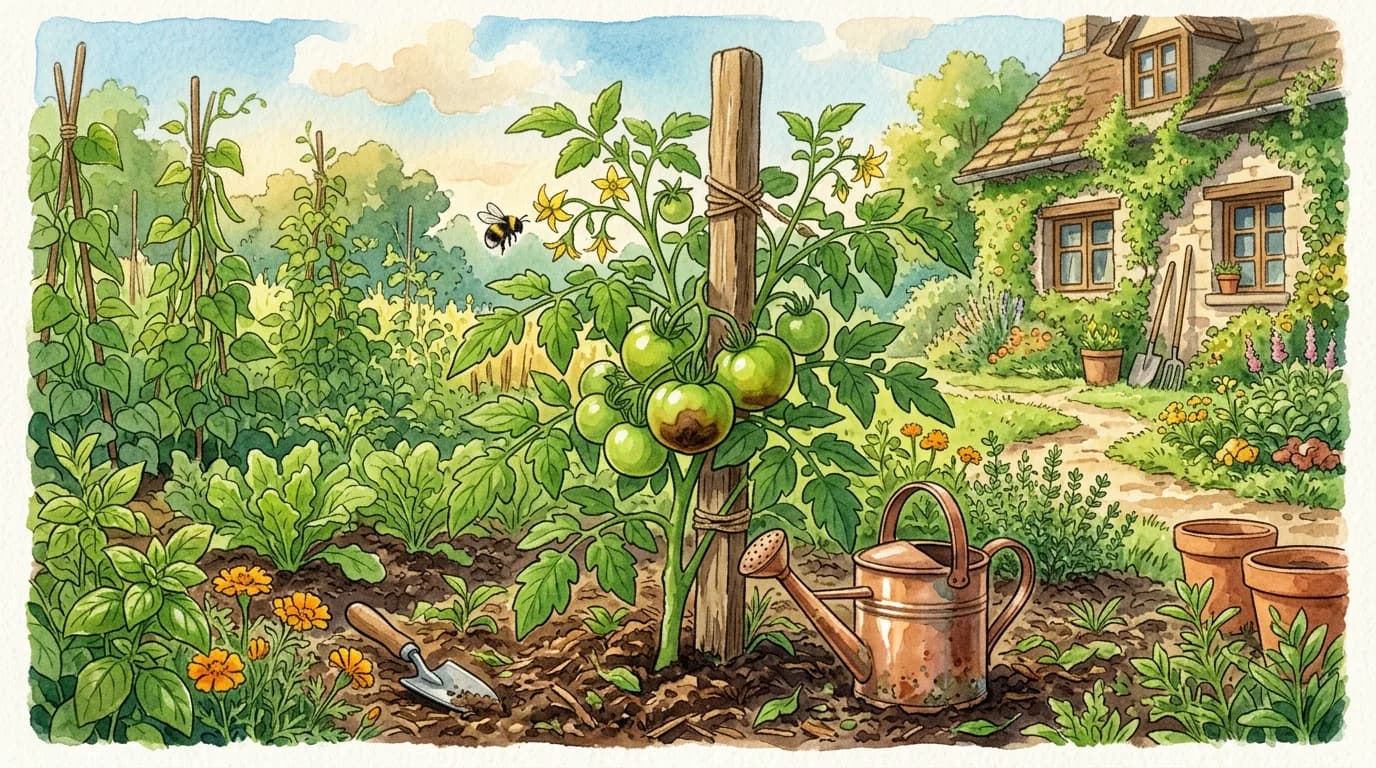
Tomato blossom end rot: the real cause and how to avoid it
The black patch at the base of the fruit is almost always due to irregular watering, not to a lack of calcium in the soil.
Well established. It is a physiological disorder well described: calcium reaches the fruit with the water, and irregular watering, excess nitrogen or potassium and salinity interrupt that supply, even if the soil has calcium.
Before you start, read the precautions
You will need
- water
- straw
- organic mulch
When to use it
When sunken, dry, dark patches appear on the end opposite the stalk of young fruit. It is usual on the first trusses and during heatwaves.
Step by step
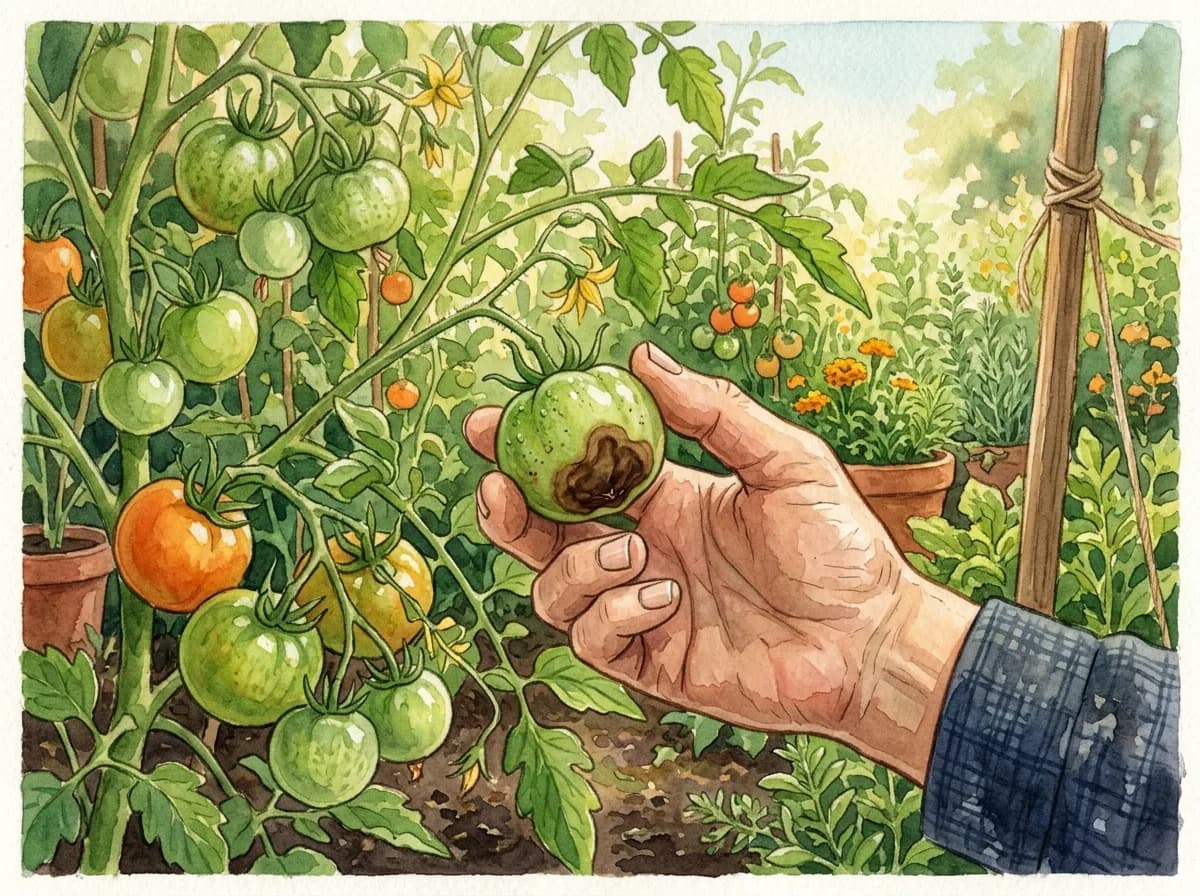
1Confirm the symptom: a brown or black, dry, sunken patch at the base of the fruit, which starts while it is green. Remove the affected fruit so the plant does not spend energy on it.
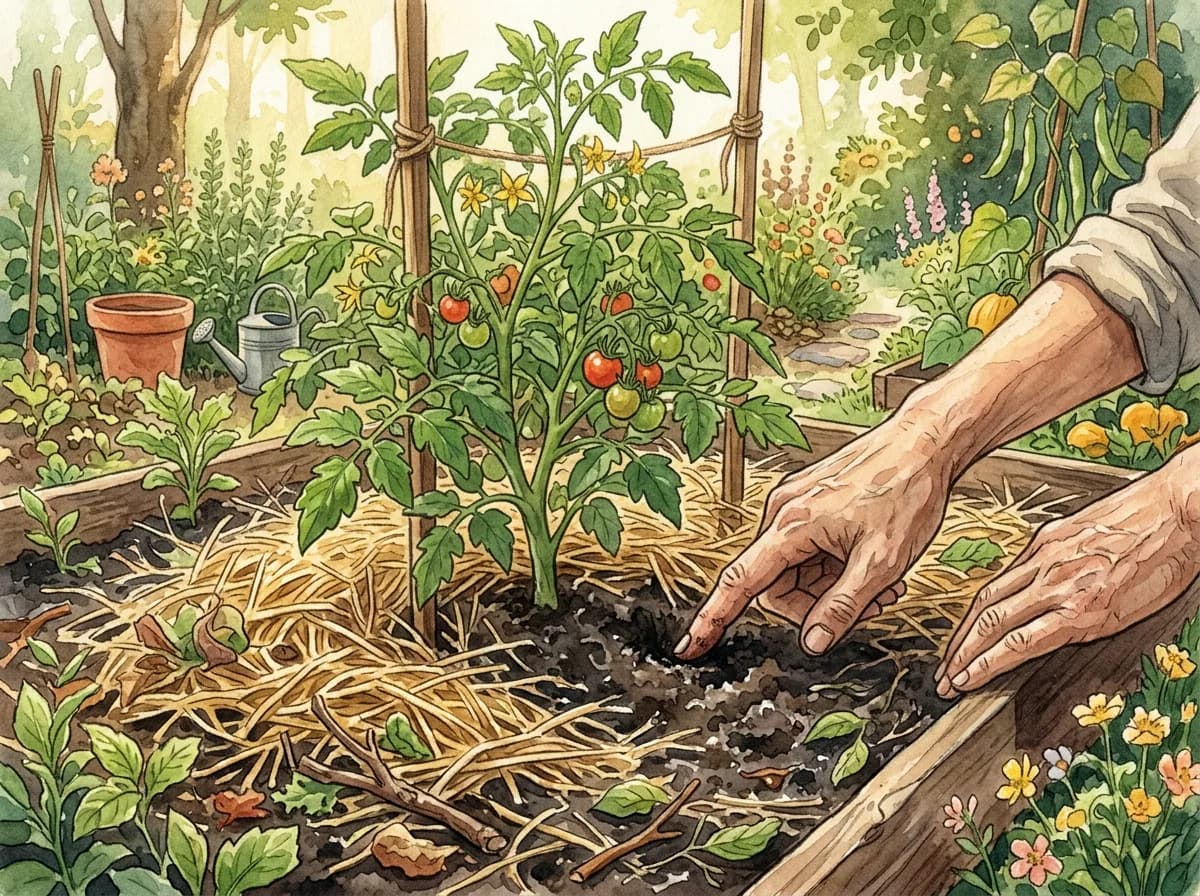
2Check the moisture at about 10 cm (3.9 in) deep. It should be cool, neither dry nor waterlogged. Cover the soil with 5–8 cm (2–3.1 in) of straw or mulch (see “Straw mulch in the vegetable garden”).
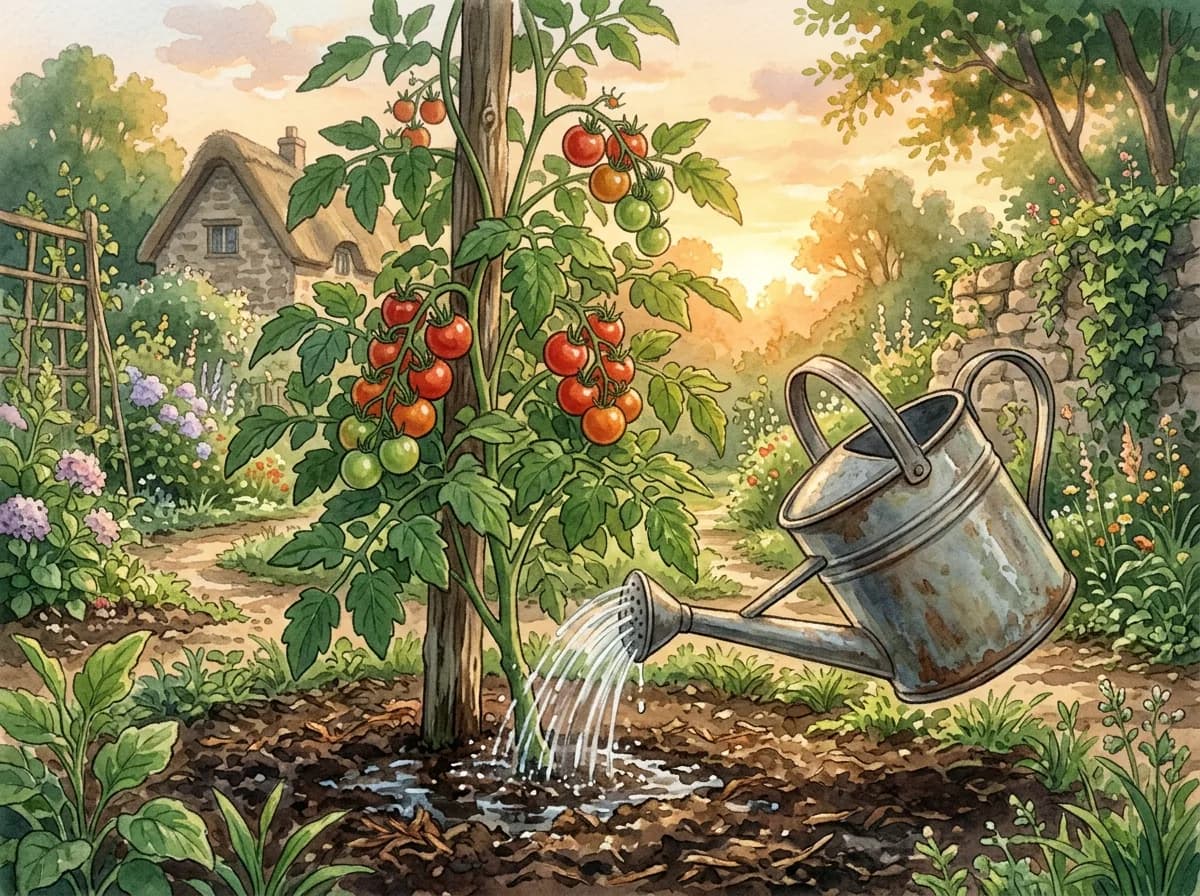
3Water regularly and deeply, at dawn, instead of a little and often. In summer in the ground, a deep watering every 2–3 days; in a pot, daily.
Dose
About 2.5–4 cm (1–1.6 in) of water a week (25–40 L/m²) for tomato in season; the daily split depends on the soil, the pot and the climate (indicative). Avoid feeding with a lot of nitrogen or too much potassium.
Which plants
Tomato (especially elongated plum varieties), pepper, aubergine and courgette.
Plants mentioned in this remedy
 Tomato 'Marmande'Marmande tomato, flattened and ribbed, a good size for salads.
 Sweet pepper 'California Wonder'California Wonder pepper, a blocky bell type with thick flesh, for stuffing or eating fresh.
 Long black aubergineAn aubergine with glossy black fruit, for warm climates.
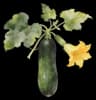 Courgette 'Nero di Milano'A cylindrical, very dark green courgette, productive and early, the classic bush type for continuous picking.
Precautions
- Do not pile on calcium blindly: Adding calcium to the soil is usually ineffective, and in chalky soils there is already a lot.
- Calcium sprays on the foliage have no research backing: young fruit hardly absorbs calcium through the leaf, and they can scorch leaves in the heat.
- Excess salts (hard water, strong feeding) and nitrogen make the problem worse.
- Fruit that is already damaged does not recover; the remedy protects the following ones.
Why it works
Calcium is not very mobile and travels in the xylem pushed by transpiration, which goes mainly to the leaves. If watering is irregular or there is drought, fruit, which transpires little, receives less calcium and the cells at the base collapse. Steady watering keeps the flow going.
Sources
- Iowa State University Extension: Blossom End Rot
- University of Georgia Cooperative Extension: Blossom end rot