
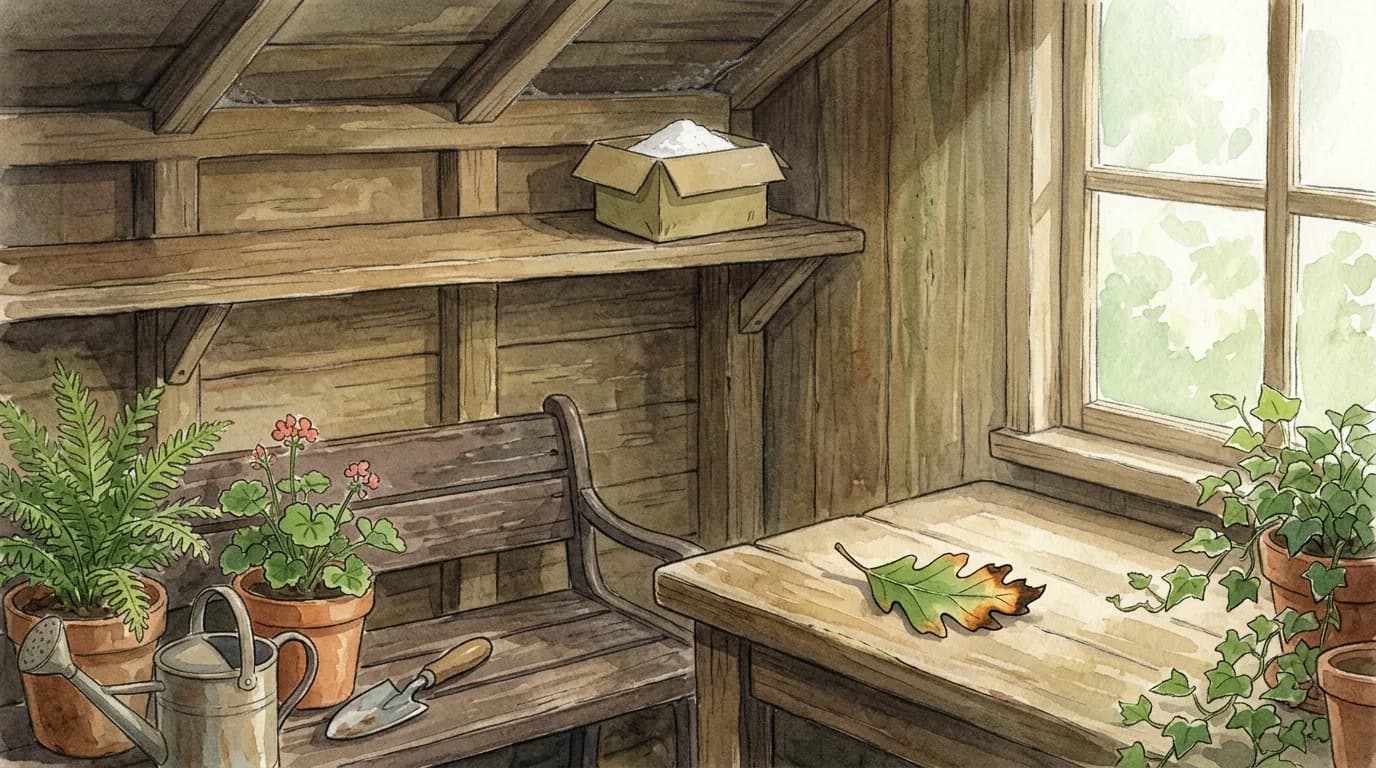
Borax in the garden: only with a test and very little
Boron is an essential micronutrient but with a very narrow margin between deficiency and toxicity; it is not a safe home remedy.
Use with care. Boron is necessary, but the difference between what is lacking and what poisons is very small. That is why it is only justified with a test that confirms a deficiency and with minimal doses. Borax is also toxic to reproduction in the EU.
Before you start, read the precautions
You will need
- borax
- water
- watering can
When to use it
Only if a soil or leaf test shows a lack of boron (leached sandy soils, brassicas with hollow stems, beetroot with black heart, cracked celery).
Step by step
1Observe the symptoms: scorched edges on old leaves indicate excess boron; hollow or cracked stems on brassicas and celery suggest a deficiency. They are mistaken for other causes.
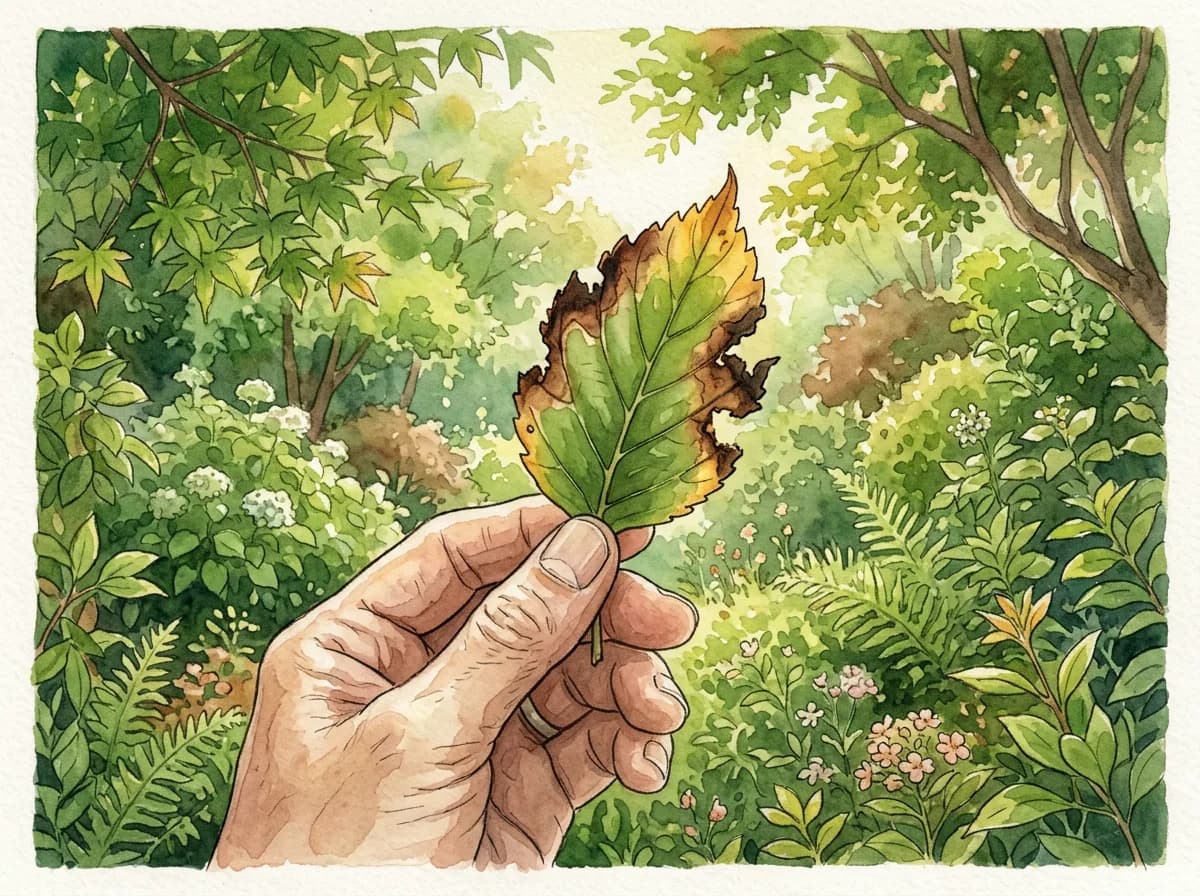
2Do a soil (or leaf) test to confirm the deficiency before touching anything.
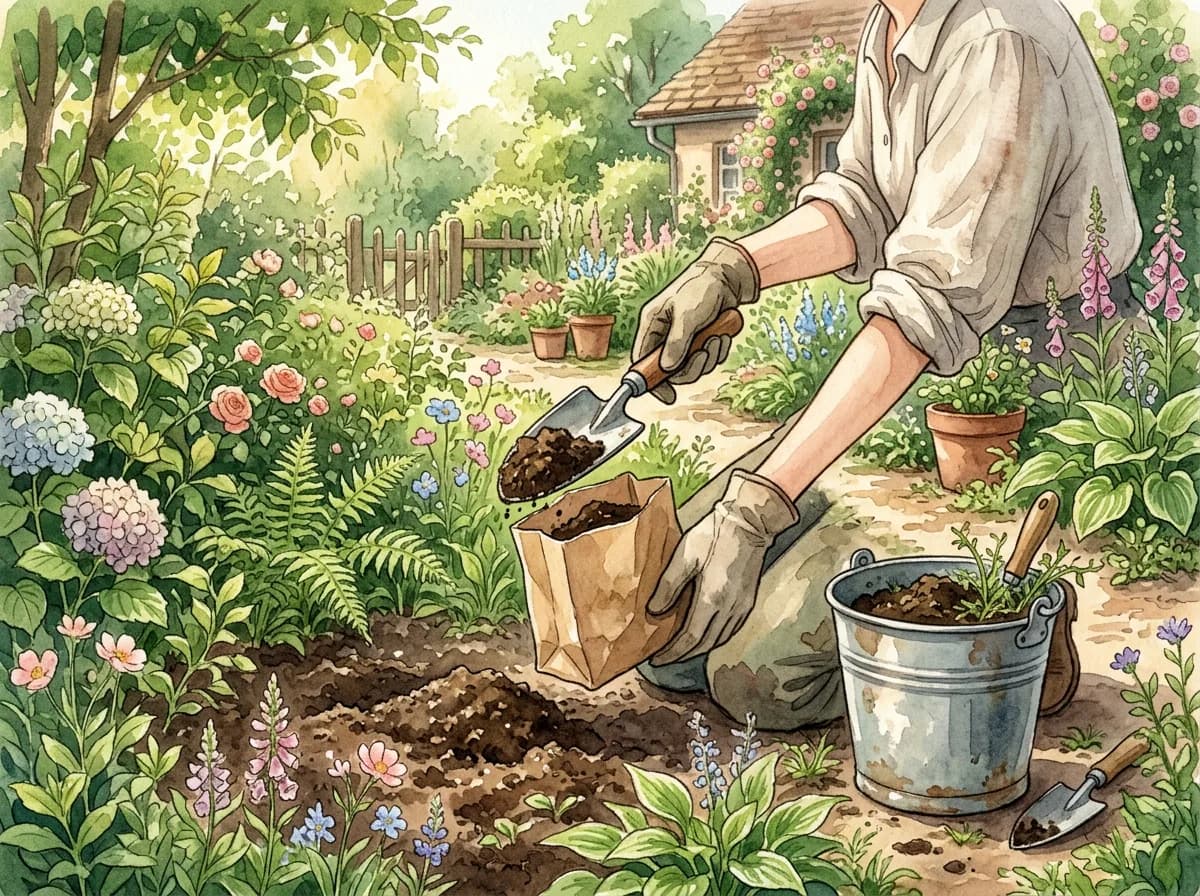
3If it is confirmed, preferably use a commercial fertiliser with boron following the label; homemade borax only as a last resort and at minimal doses.
Dose
Indicative and cautious dose, with no verified figure: if the test confirms a deficiency, at most 1–1.5 g (0.04–0.05 oz) of borax per m² dissolved in plenty of water, only once and not repeated for 2–3 years. A commercial fertiliser with boron and its label is preferable. Never in larger doses.
Which plants
Brassicas, beetroot, celery and fruit trees with a confirmed deficiency. Very sensitive to excess: beans, strawberries, citrus and many ornamentals.
Plants mentioned in this remedy
 Beetroot 'Detroit''Detroit' is a beetroot with a round root and deep colour.
 Green celeryA celery with green stalks that needs constant watering and rich soil.
 Dwarf French beanA dwarf green bean that does not need a support and is easy to grow in a bed.
 Camarosa strawberryA strawberry with large, firm, deep red fruit, very productive and early.
Precautions
- Narrow margin: for most garden plants 1 ppm or more of boron in the soil (or more than 0.5 ppm in the irrigation water) is enough to cause damage (scorched leaf edges and tips).
- Borax and boric acid are toxic to reproduction: keep away from children, pets and food.
- Do not use it as a homemade insecticide or herbicide in the garden: it contaminates the soil for years.
- It is not removed by watering in clay soils: the excess persists.
Why it works
Boron takes part in forming the cell wall and in transporting sugars; its lack causes hollow, cracked tissues. Borax supplies soluble boron, but the same boron in excess scorches leaf edges.
Sources
- University of California Integrated Pest Management: Boron toxicity or other specific ions in excess