
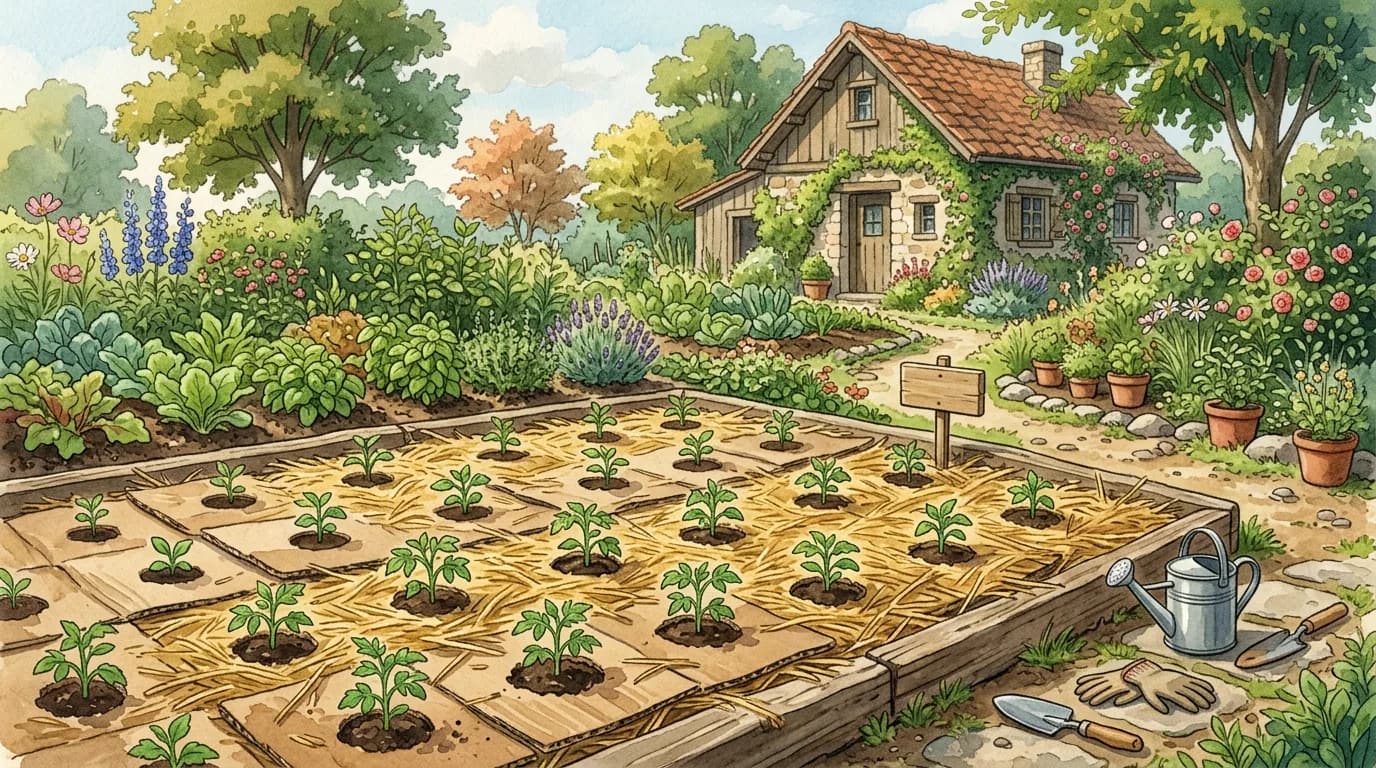
Cardboard and straw mulch against weeds
Covering the soil with cardboard and straw smothers weeds, keeps moisture in and improves the soil.
Well established. Cardboard and straw mulch is a recommended practice: it deprives weeds of light and supplies organic matter as it breaks down.
Before you start, read the precautions
You will need
- unprinted cardboard
- straw
- water
- scissors
When to use it
At any time, especially before planting and with the soil moist. It works on new beds or those with annual weeds, and also on crops that are already established.
Step by step
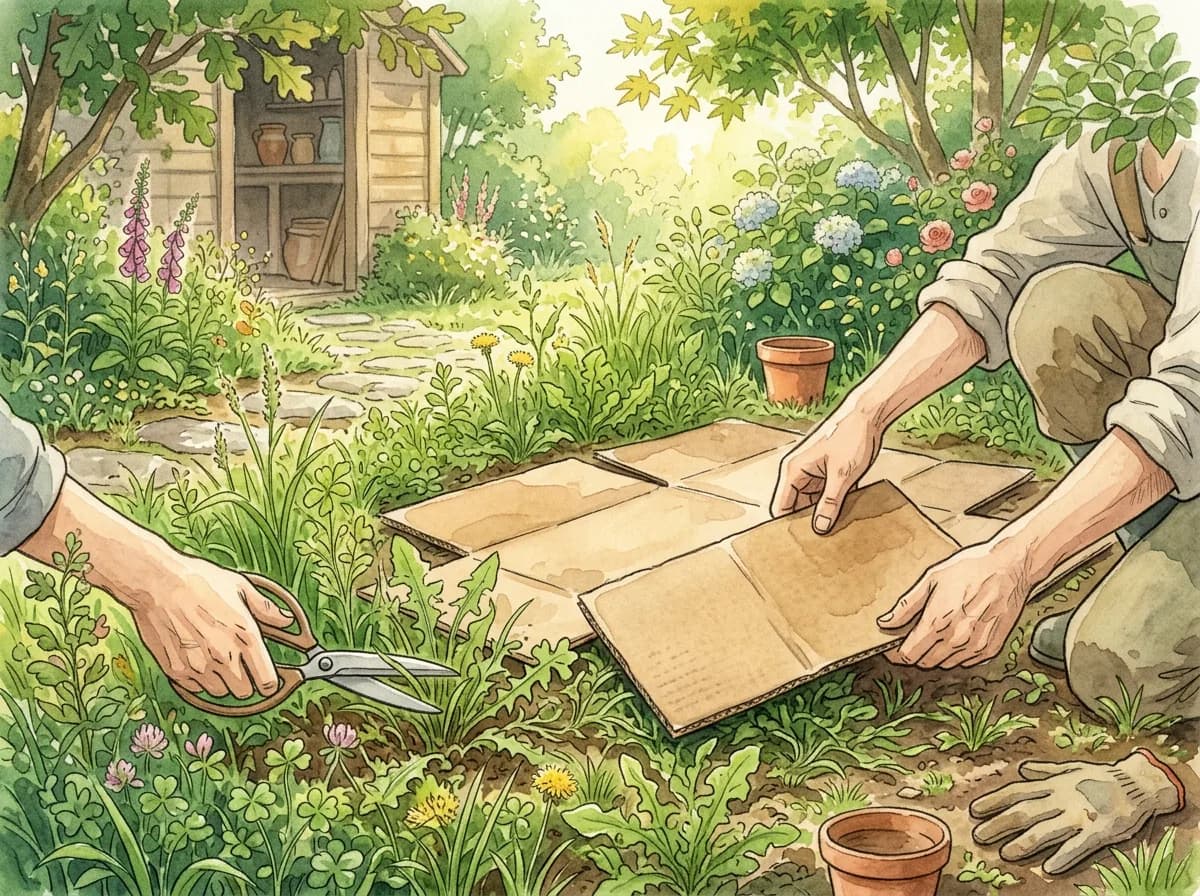
1Cut the weeds at ground level and leave them on the ground. Cover with plain cardboard, unprinted and not plastic-coated, removing tapes and staples, and overlapping the edges by at least 20 cm (7.9 in) (8 inches).
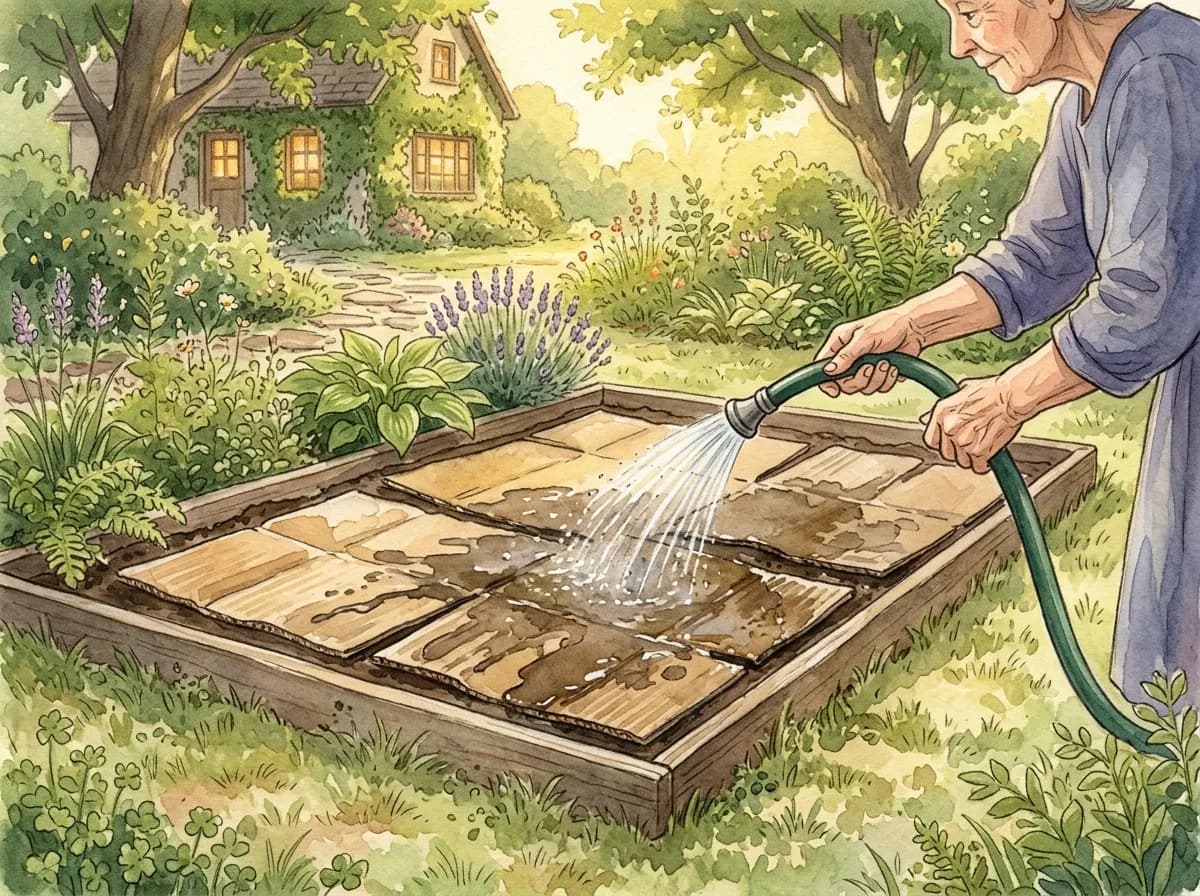
2Soak the cardboard well with a hose: that way it sticks to the ground and starts to break down.
3Cover with 8–10 cm (3.1–3.9 in) of straw (or dry clippings or leaves) and plant through holes in the cardboard, leaving a gap around the stem.
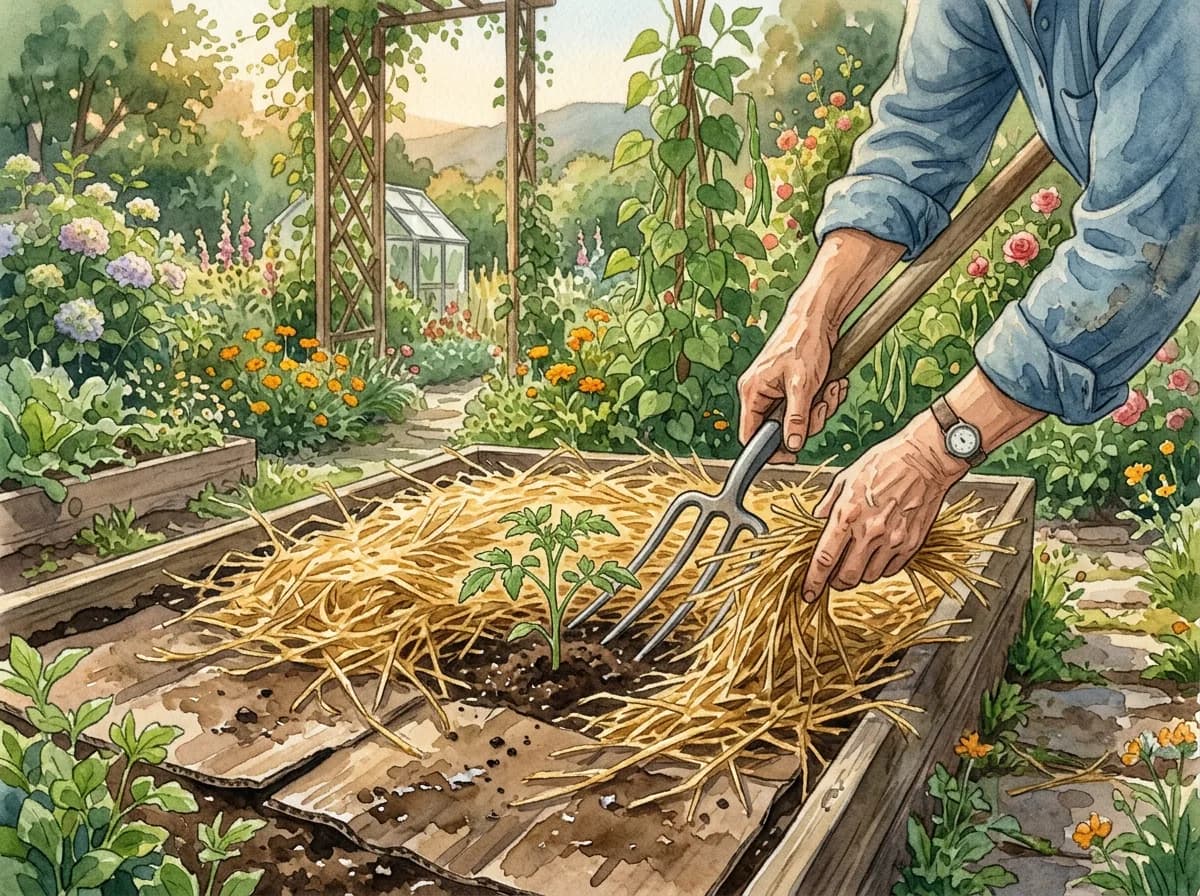
4Top up the straw when it sinks. The cardboard breaks down in 3–6 months.
Dose
Plain cardboard overlapped at least 20 cm (7.9 in) and well soaked; on top, as a guide 8–10 cm (3.1–3.9 in) of straw (no standard thickness; thinner in damp climates or with slugs).
Which plants
Tomato, pepper, courgette, aubergine, strawberries, fruit trees and new beds. Less advisable for direct sowings of small seeds.
Plants mentioned in this remedy
 Tomato 'Marmande'Marmande tomato, flattened and ribbed, a good size for salads.
 Sweet pepper 'California Wonder'California Wonder pepper, a blocky bell type with thick flesh, for stuffing or eating fresh.
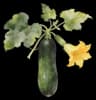 Courgette 'Nero di Milano'A cylindrical, very dark green courgette, productive and early, the classic bush type for continuous picking.
 Long black aubergineAn aubergine with glossy black fruit, for warm climates.
 Camarosa strawberryA strawberry with large, firm, deep red fruit, very productive and early.
Precautions
- Avoid glossy cardboard or cardboard with coloured inks and remove adhesive tapes.
- Straw may bring cereal seeds: choose clean, seed-free straw.
- Damp shelters attract slugs and snails to young plants.
- Rhizomatous or very persistent perennials (couch grass, bindweed) can push through the cardboard: remove them first and do not count on them being smothered.
- Do not leave the straw pressed against the stem: it favours rot at the base.
Why it works
Without light weeds cannot photosynthesise and die under the cardboard. Straw keeps moisture, moderates temperature and, as it breaks down, supplies humus.
Sources
- Oregon State University Extension: layered mulching with cardboard; plain cardboard without inks, overlap of 8 inches, wet it, breaks down in months, remove persistent weeds first