
Iron and trace element chelates in chalky soils
Chelated iron stays available even if the soil is very chalky; it is the real solution to iron chlorosis in chalky Spain.
Well established. Iron chelates are the standard treatment for chlorosis in alkaline soils. The type matters: only FeEDDHA works well at high pH and the other chelates are ineffective above pH 7.2. Applied to the soil in spring it lasts about a year.
Before you start, read the precautions
You will need
- iron chelate (Fe-EDDHA)
- water
- watering can
When to use it
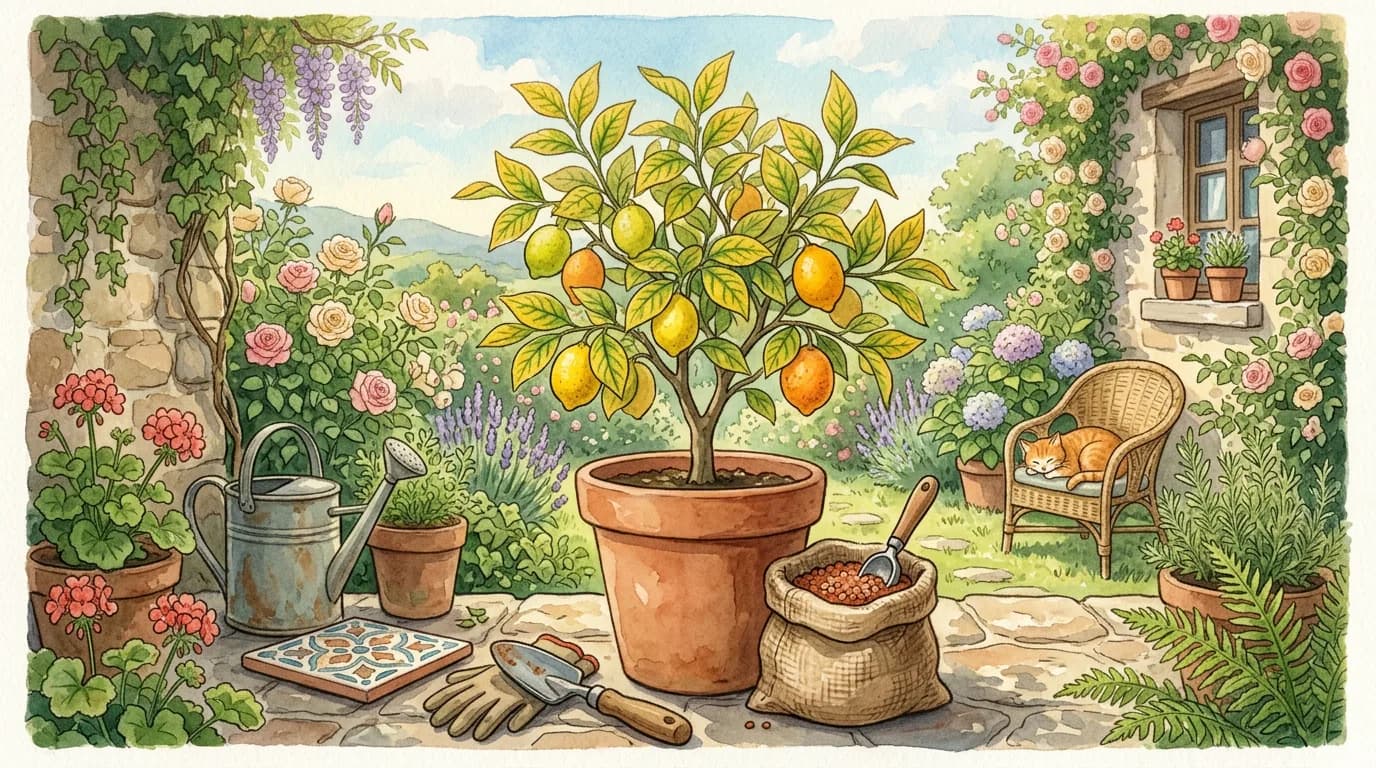
Young yellow leaves with green veins on citrus, fruit trees, hydrangeas and other plants sensitive to lime, especially when they shoot in spring.
Step by step
1Choose a Fe-EDDHA chelate (red-brown granules) if your soil is chalky; other chelates only work in slightly alkaline soils.
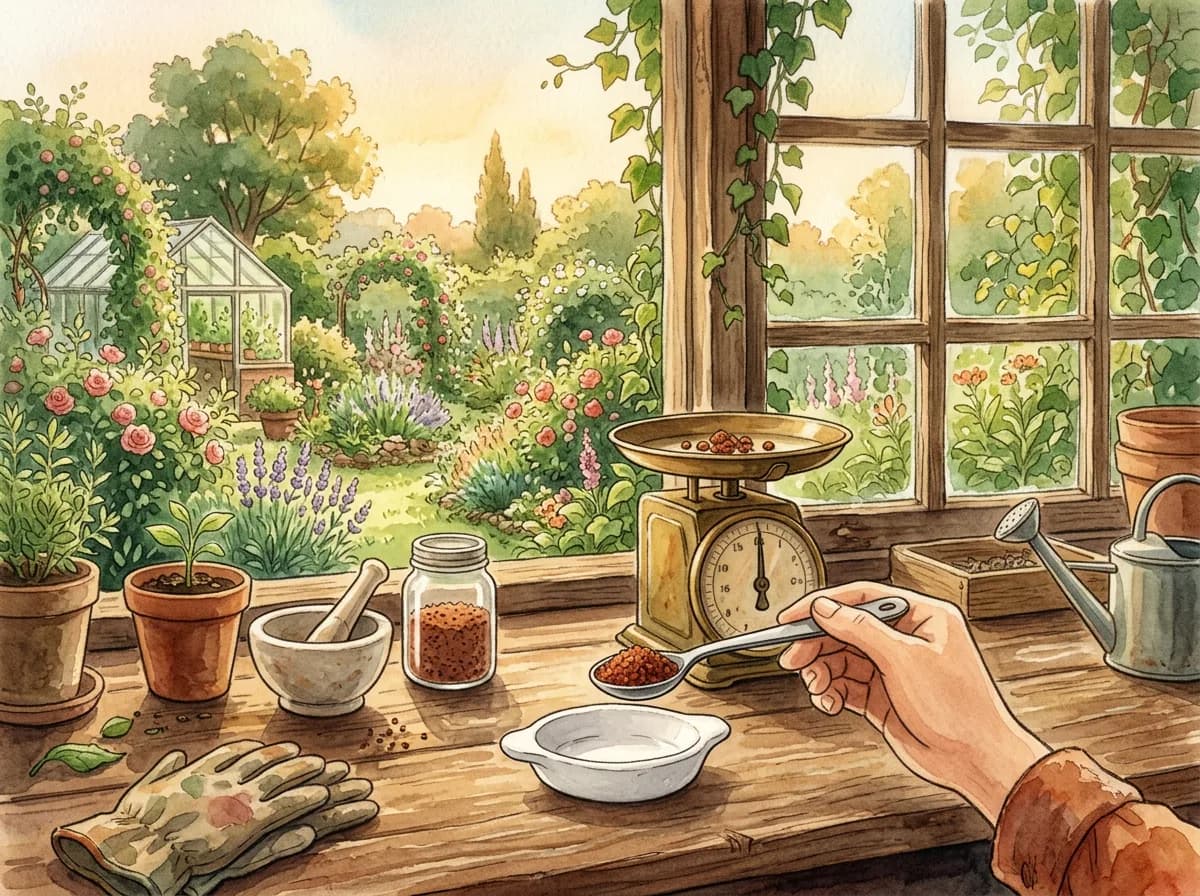
2Dissolve it in water, wearing gloves: follow the label, taking as a reference 1–2 g (0.04–0.07 oz) per medium pot and 5–10 g (0.2–0.4 oz) per young small tree.
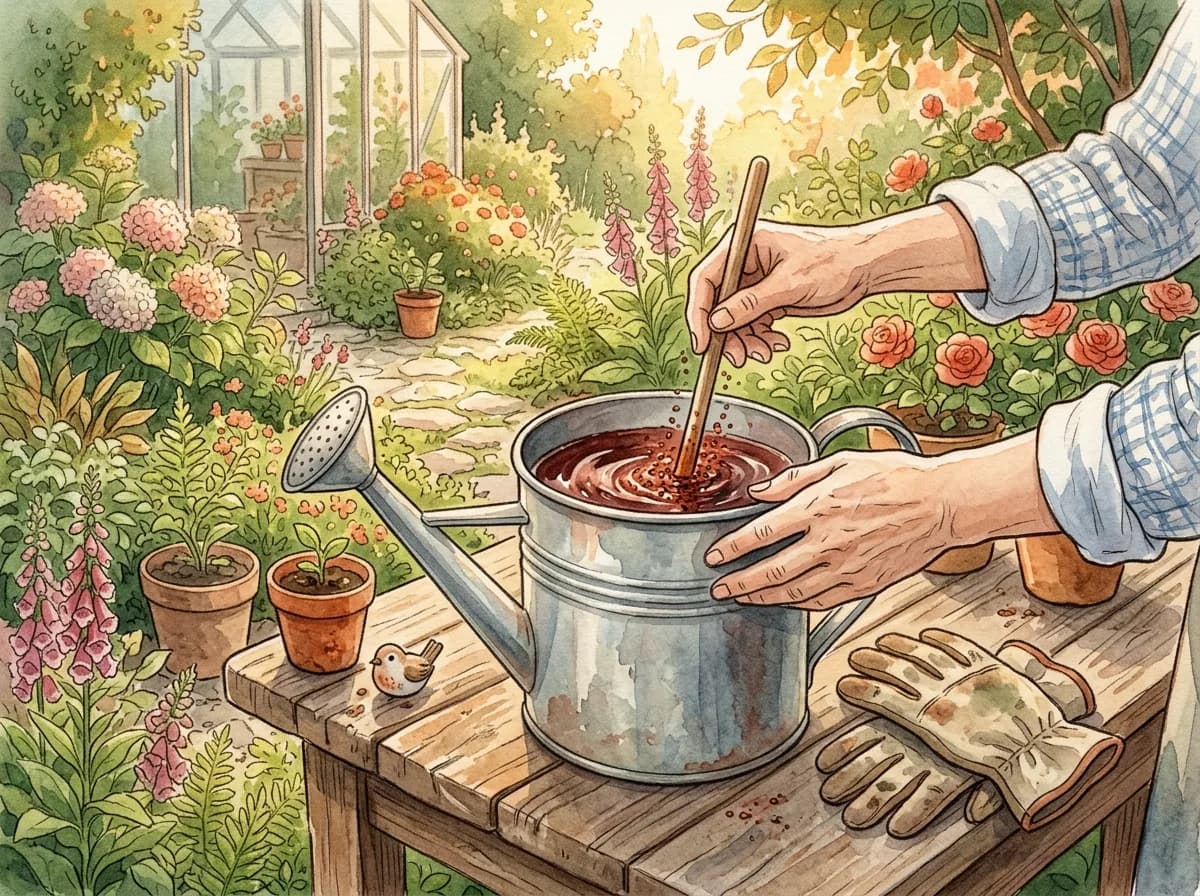
3Water around the base, not over the leaves. Repeat every 3–4 weeks in spring-summer while there are symptoms.

Dose
Always follow the product label (there is no universal dose). As an indicative reference for 6 % Fe-EDDHA: 1–2 g (0.04–0.07 oz) per 10–20 L (about 2.6–5.3 US gal) pot and 5–10 g (0.2–0.4 oz) per young tree. Better in small repeated doses.
Which plants
Citrus, hydrangeas, gardenias, stone fruit trees and grapevine in chalky soils. Not needed in acid soils.
Plants mentioned in this remedy
 Hydrangea (bigleaf hydrangea)A shrub with large flower heads whose colour depends on the soil pH: blue in acid soil, pink in alkaline soil.
 GardeniaA compact evergreen shrub, 0.6 to 1.5 m tall in a pot and a good deal taller in the ground in a temperate…
 Italia table grapeA white grape with large, oval berries and a mild muscat flavour.
Precautions
- It stains clothes, floors and hands red: protect yourself and clean up spills at once.
- It is not a complete fertiliser: it only corrects iron.
- Do not apply over the leaves (it is not designed for that) or in excess.
- Check watering and drainage: chlorosis also appears from waterlogging or damaged roots.
Why it works
The chelate wraps the iron in an organic molecule that protects it from reacting with carbonates and the high pH of the soil, so it stays dissolved and the root can absorb it.
Sources
- North Dakota State University Extension: Iron chlorosis in trees (only FeEDDHA is effective at high pH; the other chelates fail above 7.2)
- Utah State University Extension: Preventing and treating iron chlorosis