
Garden glossary
What is perlite? And leaf mould?
546 terms explained
Is there a word you don't understand?
If you hear a gardening term that isn't here, ask us and we'll explain it. No need to sign up, just tell us which one.
Growing media and components
24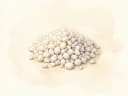
Perlite
Growing mediumLittle white balls of expanded volcanic rock that let air into potting mix.
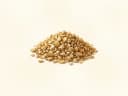
Vermiculite
Growing mediumFlakes of expanded mica that hold water and nutrients in the potting mix.
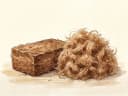
Coir
Growing mediumA light growing medium made from coconut husk; an alternative to peat.
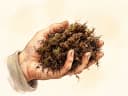
Peat
Growing mediumPlant matter from peat bogs; it holds a lot of water but is far from sustainable.
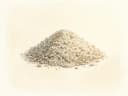
Sharp sand
Growing mediumCoarse, washed sand that improves drainage in heavy soils.
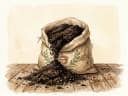
Multi-purpose compost
Growing mediumA ready-to-use commercial mix for pots and seed trays.
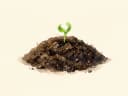
Topsoil
Growing mediumThe fertile surface layer of soil, rich in organic matter.
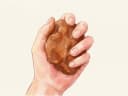
Clay
Growing mediumVery fine soil particles that hold water and nutrients but compact easily.
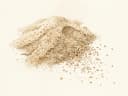
Sand
Growing mediumCoarse soil particles that drain quickly but hold on to very little.
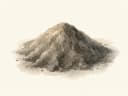
Silt
Growing mediumParticles midway between sand and clay; fertile but delicate soils.
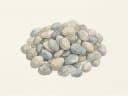
Gravel
Growing mediumSmall stones for mineral mulch, paths and drainage trenches; they do not improve drainage in pots.
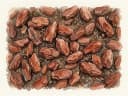
Pine bark
Growing mediumPieces of bark that make a long-lasting mulch and an acidifying growing medium.
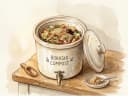
Bokashi
Growing mediumJapanese-style fermented (not decomposed) compost, ready in weeks.
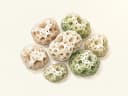
Zeolite
Growing mediumA porous mineral that holds on to nutrients and moisture and releases them little by little.
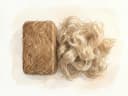
Hemp fibre
Growing mediumA plant fibre used as an alternative to peat and coir.
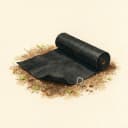
Geotextile
Growing mediumA breathable synthetic fabric that stops weeds from growing while letting water and air through.
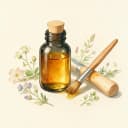
Linseed oil
Growing mediumA drying vegetable oil that protects the timber of raised beds and hen houses. For the vegetable garden and animals, use it pure and free from metallic driers.
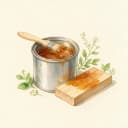
Exterior wood stain
Growing mediumA protective finish for outdoor wood that adds colour while letting the grain show. For the vegetable garden, choose a water-based one without biocides.
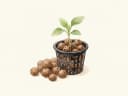
Expanded clay (LECA)
Growing mediumSmall, very porous balls of clay fired at high temperature; an inert, reusable growing medium typical of hydroponics.
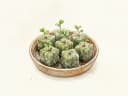
Rockwool
Growing mediumAn inert, fibrous growing medium made from molten, spun volcanic rock; the standard in professional hydroponics.
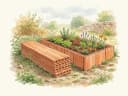
Hollow clay plank (rasillón)
Growing mediumA long, flat, hollow piece of fired clay used in building.
Volcanic gravel and pumice
Growing mediumLight, porous volcanic gravels that help potting mix drain.
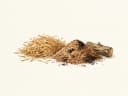
Mushroom substrate
Growing mediumMaterial (straw, sawdust, coffee grounds, logs) that feeds the mycelium so it grows and gives mushrooms.
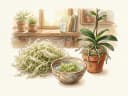
Sphagnum moss
Growing mediumA bog moss that holds a great deal of water, used for orchids, carnivorous plants, air layers and cuttings.
Soil improvers and fertilisers
35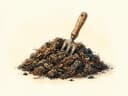
Compost
Soil improverDecomposed organic matter that feeds the soil and improves its structure.
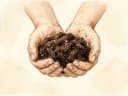
Leaf mould
Soil improverMature compost or manure sold as a soil improver.
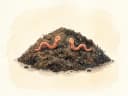
Worm castings
Soil improverWorm droppings: a fine, gentle fertiliser teeming with microorganisms.
Manure
Soil improverAnimal droppings; must be used well rotted, never fresh.
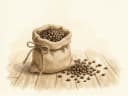
Guano
Soil improverSeabird or bat droppings; a very concentrated fertiliser.
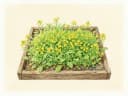
Green manure
Soil improverPlants grown to be cut down and dug in, improving the soil.
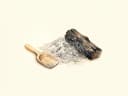
Wood ash
Soil improverProvides potassium and calcium and raises the pH; use in moderation.
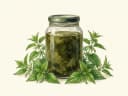
Nettle tea
Soil improverA homemade liquid fertiliser, rich in nitrogen and a plant tonic.
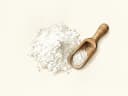
Garden lime
Soil improverA soil improver that raises the pH of acid soils and supplies calcium.
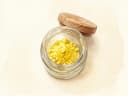
Garden sulphur
Soil improverLowers the pH of alkaline soils and helps prevent fungal diseases such as powdery mildew.
Iron sulphate
Soil improverCorrects iron chlorosis (yellow leaves with green veins).

Compost tea
Soil improverCompost ‘brewed’ in water for watering and spraying.
Humic and fulvic acids
Soil improverConcentrated humus extracts that boost life in the soil.
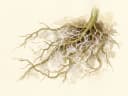
Mycorrhizae
Soil improverFungi that team up with roots and help them take up nutrients.
Trichoderma
Soil improverAn ally fungus that competes with other disease-causing soil fungi.
Bacillus subtilis
Soil improverA beneficial bacterium that protects roots and leaves from pathogens.

Insecticidal soap
Soil improverAn organic insecticide against aphids, whitefly and mites.
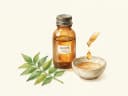
Neem oil
Soil improverA broad-spectrum plant oil that acts as an insecticide and fungicide.
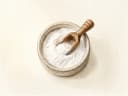
Bicarbonate of soda
Soil improverA home remedy against powdery mildew and other leaf fungi.
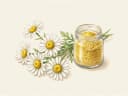
Pyrethrin
Soil improverA natural insecticide extracted from chrysanthemum flowers.
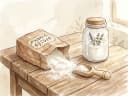
Diatomaceous earth
Soil improverA fossil mineral powder that scratches the outer shell of insects and mites. Useful against pests when dry; it is not ‘completely safe’: avoid breathing it in and use food grade only.
Leachate
Soil improverThe liquid that drains out of compost or a wormery. It is best diluted before you use it for watering.
Fermented plant feed
Soil improverA fermented liquid preparation made from plants such as nettle or comfrey, used diluted as a fertiliser or to help against pests.
Chelate
Soil improverA protected form of a nutrient, such as iron, so that the plant can absorb it even at high pH.
Dolomitic lime
Soil improverA source of calcium and magnesium that helps raise the pH of acid soils.
Bacillus thuringiensis (Bt)
Soil improverA bacterium that kills caterpillars when they eat it; it is sold as a biological insecticide.
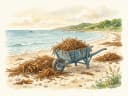
Beach-cast seaweed
Soil improverSeaweed and marine plants that the sea leaves piled up on the beach.
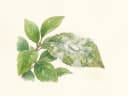
Entomopathogenic fungi
Soil improverFungi that infect and kill insect pests, used as a biological insecticide.
Spinosad
Soil improverAn insecticide of natural origin, obtained from a soil bacterium, approved for organic growing.
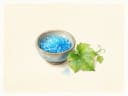
Copper (fungicide)
Soil improverA traditional fungicide against downy mildew, leaf curl and other diseases, allowed in organic growing within limits.
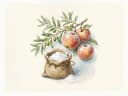
Kaolin clay
Soil improverA very fine white clay sprayed on plants to form a coating that protects from sun and some insects.
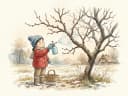
Horticultural oil (winter oil)
Soil improverA mineral oil sprayed on fruit trees that smothers scale insects, aphid eggs and mites.
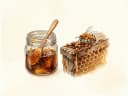
Propolis
Soil improverA sticky resin bees collect from tree buds to seal and disinfect the hive.
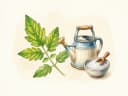
Magnesium (Epsom salt)
Soil improverA nutrient that is part of chlorophyll; a shortage yellows the centre of the old leaves.
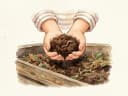
Mature compost
Soil improverFinished compost: dark, crumbly, smelling of woodland soil and with no recognisable scraps.
Tools
31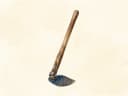
Hoe
ToolA long-handled tool for digging, weeding and earthing up.
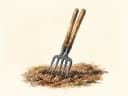
Broadfork (laya)
ToolA large fork for loosening compacted soil without turning it over.
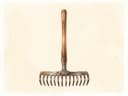
Rake
ToolA toothed tool for levelling and clearing the soil surface.
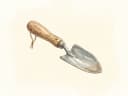
Trowel
ToolA small hand spade for transplanting and making holes.
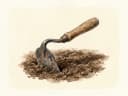
Hand weeder
ToolA small hand hoe for weeding and thinning between plants.
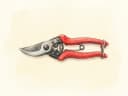
Secateurs
ToolSturdy shears for cutting stems and thin branches cleanly.
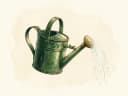
Watering can
ToolA container with a rose for gentle, even watering.
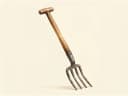
Pitchfork / garden fork
ToolA tined tool for turning compost, moving straw and loosening soil.
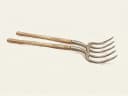
Broadfork
ToolA ‘giant fork’ with two handles for aerating the soil deep down.
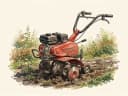
Rotavator
ToolA motorised machine for tilling and breaking up the soil quickly.
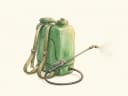
Knapsack sprayer
ToolA tank with a lance and pressure pump for applying foliar treatments.
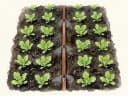
Drip tape
ToolThin hose with built-in drippers at regular intervals.
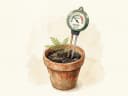
Soil moisture meter
ToolA probe you push into the soil that tells you whether it is time to water.
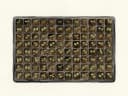
Modular seed tray
ToolA plastic tray divided into cells for raising individual seedlings.
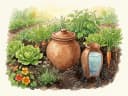
Olla (clay irrigation pot)
ToolAn unglazed clay pot that is buried, filled with water, and waters little by little.
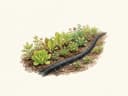
Soaker hose
ToolA porous hose that sweats water along its whole surface.
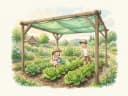
Shade netting
ToolFabric that filters out part of the sun to lower the temperature and prevent scorching.
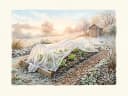
Horticultural fleece
ToolA very light fabric that lets light, air and water through and protects against the cold.
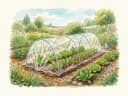
Low tunnel (crop tunnel)
ToolHoops covered with plastic or horticultural fleece over a row or a bed.

Pressure canner
ToolA special pressure vessel that sterilises low-acid preserves above 100 °C.
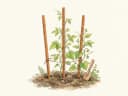
Rebar
ToolA ribbed iron bar used in construction.
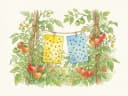
Sticky trap
ToolA coloured card coated with glue that attracts and traps flying insects.
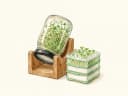
Sprouter
ToolA container for germinating seeds without soil, rinsing them daily.
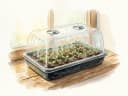
Propagator
ToolA tray with a clear lid, sometimes heated from below, for seedlings and cuttings.
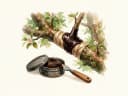
Grafting wax (pruning sealant)
ToolA paste applied over grafts and large pruning cuts to seal them.
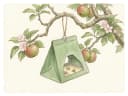
Pheromone (pheromone trap)
ToolA scent that insects use to attract a mate; in traps it is used to monitor or catch pests.
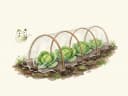
Insect mesh
ToolA very fine-meshed fabric placed over crops so insects cannot reach them.
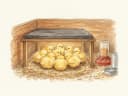
Brooder (heat for chicks)
ToolA plate or lamp that keeps chicks warm in their first weeks, before they can regulate their own temperature.
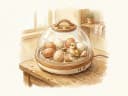
Incubator
ToolA device that keeps fertile eggs at the temperature and humidity needed for chicks to hatch.

Feeder and drinker
ToolContainers for animals' food and water, designed so they do not soil or waste it.
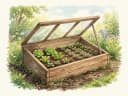
Cold frame
ToolA low box with a clear lid, unheated, to protect seedlings and plants from the cold.
Techniques and tasks
106
Mulch
TechniqueCovering the soil with material to hold in moisture and keep weeds down.
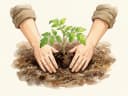
Transplanting
TechniqueMoving a seedling from the seed tray to its final position.
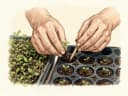
Pricking out
TechniqueMoving small seedlings from the seed tray into individual containers.
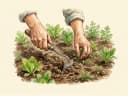
Weeding
TechniqueRemoving weeds and loosening the soil surface.
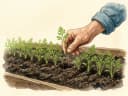
Thinning
TechniqueRemoving surplus seedlings or fruit so that the rest grow well.
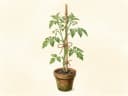
Staking plants
TechniqueTying plants to a support so that they grow upright.
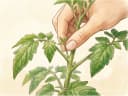
Pinching out
TechniqueRemoving shoots or tips to direct the plant's growth.
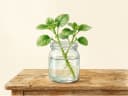
Cutting
TechniqueA piece of a plant that is rooted to produce a clone of the parent.
Rooting hormone
TechniqueA helping hand on the cut end of a cutting: a commercial product, fresh aloe gel or a pinch of cinnamon. It is not magic: what matters most is a clean cut and the right humidity.
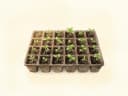
Seed tray
TechniqueA protected container where seeds germinate before transplanting.
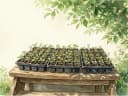
Hardening off
TechniqueGradually getting seedlings raised indoors used to sun and wind.
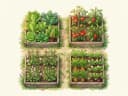
Crop rotation
TechniqueNot growing the same plant family in the same spot every year.
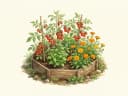
Companion planting
TechniquePlanting species that help each other together (and keeping apart those that hinder each other).
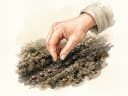
Direct sowing
TechniqueSowing the seed in the final spot where the plant will grow.
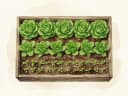
Succession sowing
TechniqueSowing the same crop every few weeks for a continuous harvest.
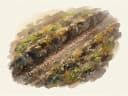
Sowing in drills
TechniqueTrickling seed in a continuous line along a shallow furrow.
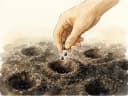
Station sowing
TechniquePlacing 2-3 seeds in each hole, with space between the stations.
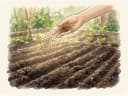
Broadcast sowing
TechniqueScattering seed by the handful over a wide area.
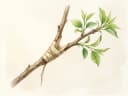
Grafting
TechniqueJoining two plants to combine the strengths of one's roots with the top growth of another.
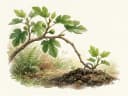
Layering
TechniqueRooting a branch without cutting it from the parent plant.
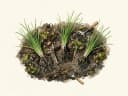
Division
TechniquePropagating perennials by splitting the root into several pieces.
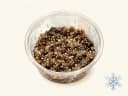
Cold stratification
TechniqueGiving seeds a few weeks of moist cold so that they germinate.
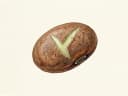
Scarification
TechniqueBreaking the hard coat of a seed so that it germinates sooner.
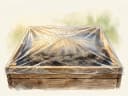
Soil solarisation
TechniqueHeating the soil under clear plastic in summer to reduce fungi, nematodes and weed seeds, but at a cost to soil life.
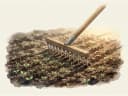
Stale seedbed
TechniquePreparing the bed, letting weeds germinate and killing them before sowing for real.
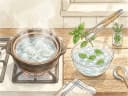
Blanching
TechniquePlunging a vegetable or herb into boiling water for a few seconds and cooling it quickly in iced water. It sets the green colour, stops the enzymes and gets produce ready for freezing.
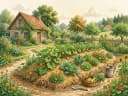
Hugelkultur (mound bed with buried wood)
TechniqueA mound-shaped bed built from logs and prunings that gradually rot down beneath the soil.
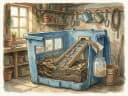
Black soldier fly larvae (BSF)
TechniqueBlack soldier fly larvae, which turn organic waste into biomass and into a residue that is useful for the soil.
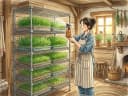
Sprouted green fodder
TechniqueGreen forage (‘fodder’): cereal such as barley or wheat sprouted in trays, to give poultry or livestock fresh food in a small space.
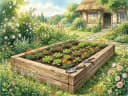
Square foot gardening (SFG)
TechniqueAn intensive growing method using beds divided into squares of about 30 × 30 cm.
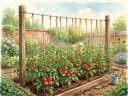
Espalier
TechniqueTraining a fruit tree flat, against a wall or along wires, to gain light and save space.
Side shoots and suckers
TechniqueSide shoots on tomatoes, or very vigorous regrowth on other plants, that divert energy away from the main crop.
Staking
TechniqueSupporting climbing plants, or plants with heavy fruit, using canes, netting, ropes or string.
Bordeaux mixture
TechniqueA mixture of copper sulphate and lime used preventively against some fungal and bacterial diseases.
Biofumigation
TechniqueDigging in the remains of brassicas (cabbages, mustard) or other plants to reduce some soil problems naturally.
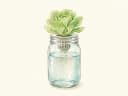
Kratky method
TechniqueA passive hydroponic system with no pump: the plant sits in the lid of the container, and the air gap left as the water level drops supplies the roots with oxygen.
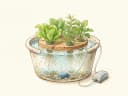
DWC / deep water culture
TechniqueAn active hydroponic system: the roots are fully submerged and oxygenated with an air pump and an air stone.
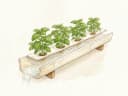
NFT (Nutrient Film Technique)
TechniqueThe nutrient solution flows as a very thin film along a sloping channel where it touches the roots.
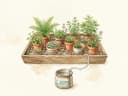
Ebb and flow
TechniqueA system that periodically floods the growing medium with nutrient solution and then drains it, alternating nutrients and oxygen.
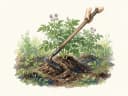
Earthing up
TechniqueDrawing loose soil up around the base of the plant to form a small ridge.
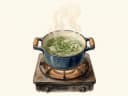
Decoction
TechniqueSimmering a plant in water for a while to extract its active substances.
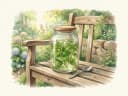
Maceration
TechniqueLeaving a plant to soak cold (in water, oil or alcohol) so that it releases its substances.
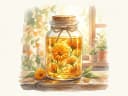
Infused oil (macerated oil)
TechniqueVegetable oil in which a plant has been macerated, for use on the skin.
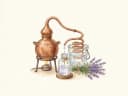
Hydrosol
TechniqueThe aromatic water left over when a plant is steam-distilled.
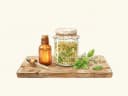
Tincture
TechniqueAn extract of a plant in alcohol, taken or applied in drops.
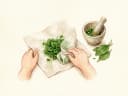
Poultice
TechniqueA moist plant paste placed on the skin, wrapped in gauze.
Formative pruning
TechniquePruning in the first few years that gives a tree or shrub its framework.
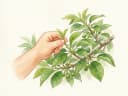
Summer pruning
TechniqueLight pruning done while the plant is in leaf, in spring or summer.

Maintenance pruning (fruiting pruning)
TechniqueRegular pruning of an established tree to renew the wood that bears fruit.
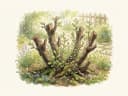
Renovation pruning
TechniqueHard pruning to renew an old, worn-out shrub or tree.
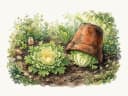
Blanching (vegetables)
TechniqueCovering a vegetable for a few days so that it turns pale, tender and less bitter.
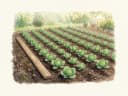
Plant spacing
TechniqueThe distance left between plants and between rows.
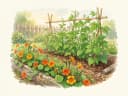
Trap crop
TechniqueA plant that a pest prefers to the crop, grown to lure the pest away.
Bed (raised bed)
TechniqueA strip or box of soil prepared for growing that is never walked on.
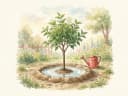
Tree watering basin
TechniqueA hollow or ring of soil around the foot of a tree so that water does not run off.
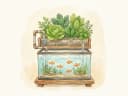
Aquaponics
TechniqueA system that combines fish and plants in a single water circuit.
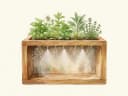
Aeroponics
TechniqueSoil-free growing with the roots hanging in the air and sprayed with nutrient solution.

Deep litter
TechniqueA method in which the litter is left to build up and is turned over, rather than being changed completely.
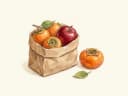
Removing astringency
TechniqueRidding a fruit, such as persimmon, of the harsh taste that leaves the mouth dry.
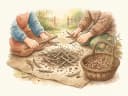
Threshing
TechniqueSeparating grain or seed from the straw and the pods or capsules.
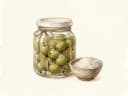
Brine
TechniqueSalted water, sometimes with vinegar or spices, in which vegetables and olives are preserved or fermented.
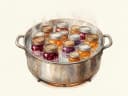
Water bath (preserving)
TechniqueBoiling sealed jars submerged in water to process them and create a vacuum seal.
Heel cutting
TechniqueA cutting pulled off downwards so that it keeps a small strip of bark from the parent branch.
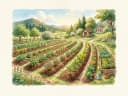
Ridge
TechniqueA long, raised mound of soil on which crops are sown or planted.
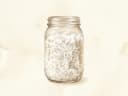
Spawn (colonised grain)
TechniqueGrain (or sawdust, or wooden dowels) already covered in mycelium, used as the ‘seed’ to sow the substrate.
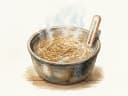
Pasteurisation
TechniqueHeating the substrate (straw) to about 65-75 °C for an hour to hold back rival microbes without sterilising it.
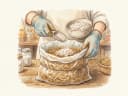
Inoculation
TechniqueSowing mycelium into a substrate, grain or log so that it colonises it.
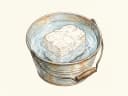
Cold shock (fruiting trigger)
TechniqueA sudden change in temperature or a soak in cold water that pushes the mycelium to form primordia.
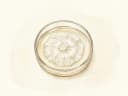
Agar plate (mother culture)
TechniqueA plate with a nutritious gel where the mycelium is isolated and kept pure; you take from it to multiply it.

Tissue cloning
TechniqueTaking mycelium from a small piece of the inside of a young, fresh mushroom to get an identical culture.
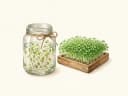
Sprouts and microgreens
TechniqueSeeds eaten just after germinating, or with their first little leaves, a few days after starting them.
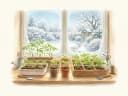
Indoor sowing
TechniqueSowing done under cover (at home, in a greenhouse or propagator) to transplant to the garden later.
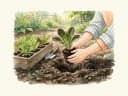
Final position
TechniqueThe place in the garden or pot where the plant will spend the rest of its life after leaving the seed tray.
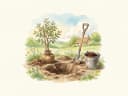
Planting hole
TechniqueThe hole dug to plant a tree, shrub or large plant, usually twice as wide as its root ball.
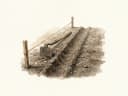
Drill (seed furrow)
TechniqueA shallow, straight little trench in which seeds are sown in a row.
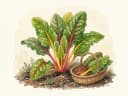
Successional harvesting
TechniquePicking a little at a time over several weeks instead of everything at once.
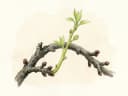
New wood and old wood
TechniqueBranches grown this season compared with those of previous years; each plant flowers and fruits on one or the other.
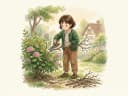
Sanitation pruning
TechniqueLight pruning that only removes dead, diseased, broken or crossing branches.
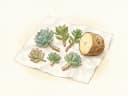
Callusing (letting the cut dry)
TechniqueLetting a plant wound dry and seal before planting or watering it.
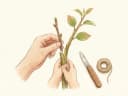
Scion (graft wood)
TechniqueA piece of branch with several buds of the variety you want, joined to a rootstock so it grows on it.
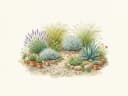
Xeriscaping (dry gardening)
TechniqueA way of designing the garden with drought-adapted plants so that it needs as little watering as possible.
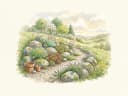
Rockery (rock garden)
TechniqueA part of the garden made of stones and very free-draining soil, planted with mountain or drought species.
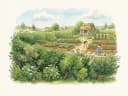
Windbreak
TechniqueA hedge, fence or netting that slows the wind to protect the vegetable plot or garden.
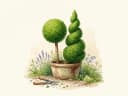
Topiary
TechniqueThe art of clipping shrubs into geometric shapes or figures.
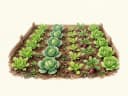
Intercropping (polyculture)
TechniqueGrowing two or more species together in the same bed, alternating rows or mixing them.
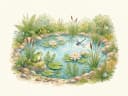
Wildlife pond
TechniqueA small pond without fish, with gently sloping edges and plants, designed to attract useful wildlife.
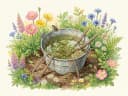
Hoverfly lagoon
TechniqueA container of water and rotting plant matter where certain beneficial hoverflies breed.
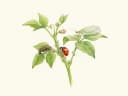
Biological control
TechniqueFighting pests with their natural enemies instead of chemical products.
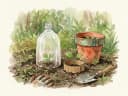
Physical barrier
TechniqueA material obstacle that stops a pest from reaching the plant, without using any products.
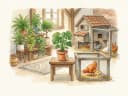
Quarantine
TechniqueThe time a new plant or animal spends kept apart before joining the others.

Deworming and parasite control
TechniqueGetting rid of an animal's internal parasites (worms) or external ones (lice, fleas, mites).
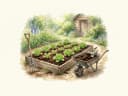
No-dig gardening
TechniqueA way of growing without turning the soil, adding compost and mulch on top instead.
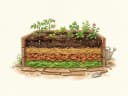
Lasagna bed (sheet mulching)
TechniqueA bed made by stacking layers of cardboard, green and brown material and compost directly on the ground.
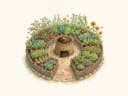
Keyhole garden
TechniqueA round bed with a keyhole-shaped path that reaches a central compost basket.
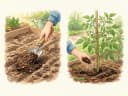
Base dressing and top dressing
TechniqueBase dressing is mixed into the soil before planting; top dressing is added on top while the crop grows.
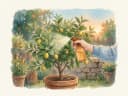
Foliar feeding
TechniqueA very dilute liquid fertiliser sprayed on the leaves so they absorb it directly.

Sieving (riddling)
TechniquePassing soil, compost or potting mix through a mesh to remove stones, lumps and coarse debris.
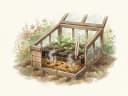
Hotbed
TechniqueA seedbed set over a layer of fresh manure that gives off heat as it ferments, warming the soil.
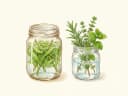
Willow water
TechniqueA homemade rooting aid made by steeping willow twigs in water, because they release substances that help roots form.
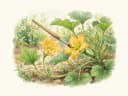
Hand pollination
TechniqueMoving pollen from one flower to another yourself when insects are scarce or the plant is under cover.
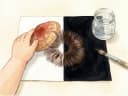
Spore print
TechniqueThe dusty print a mushroom leaves when it drops its spores onto paper; its colour helps identify it.
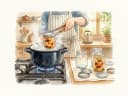
Sterilising
TechniqueKilling all the microorganisms in a jar, a substrate or a tool, usually with heat.
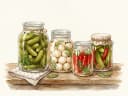
Pickling
TechniquePreserving vegetables in vinegar or brine, which makes them sour and keeps them for months.
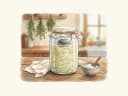
Lacto-fermentation
TechniquePreserving vegetables in brine, where good bacteria make acid that turns them sour and long-lasting.
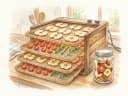
Dehydrating (drying food)
TechniqueRemoving the water from fruit, vegetables or herbs with gentle heat and air to keep them for months.
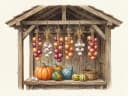
Curing (of harvests)
TechniqueLetting certain crops dry for days or weeks so their skin hardens and they keep for months.
Concepts and measurements
350
Soil pH
ConceptMeasures whether the soil is acidic or alkaline; it determines which nutrients the plant can take up.
NPK
ConceptThe three figures on fertilisers: Nitrogen, Phosphorus and Potassium.
Drainage
ConceptThe ability of the soil or a pot to let excess water drain away.
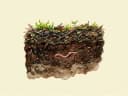
Organic matter
ConceptRemains of living origin that give life and fertility to the soil as they break down.
Photoperiod
ConceptThe hours of daylight a plant receives each day; they tell it what to do at each stage.
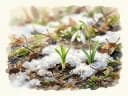
Vernalisation
ConceptThe cold that some plants need before they can flower or come into leaf.
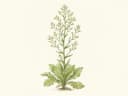
Bolting
ConceptWhen a plant shoots up and flowers too early.
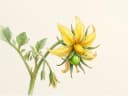
Fruit set
ConceptThe moment when a flower turns into a growing fruit.
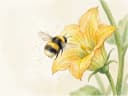
Pollination
ConceptHow pollen reaches the female part of the flower so that fruit can form.
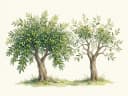
Biennial bearing
ConceptAlternating a year of heavy cropping with one of almost nothing.
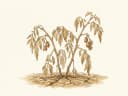
Permanent wilting point
ConceptThe level of drought beyond which a plant no longer recovers, even if you water it.
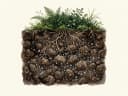
Field capacity
ConceptHow much water a soil can hold after the excess has drained away.
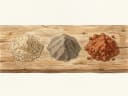
Soil texture
ConceptThe proportion of sand, silt and clay in your soil.
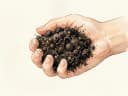
Soil structure
ConceptHow soil particles group together into crumbs with spaces between them.
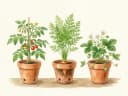
Plant life cycle
ConceptHow long a plant lives: one year, two years or many.
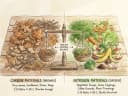
C:N ratio (carbon to nitrogen)
ConceptThe proportion of ‘brown’ materials (dry, rich in carbon) to ‘green’ ones (fresh, rich in nitrogen) in compost. The key to whether it smells good or bad.
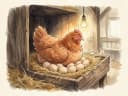
Broody hen
ConceptA hen in maternal mode: she stops laying, sits on the eggs day and night and wants to hatch chicks. A natural instinct that has been lost in many modern breeds.
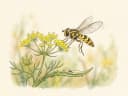
Hoverflies
ConceptFlies that look like small yellow-and-black wasps but do not sting. Their larvae are among the best aphid eaters there are.
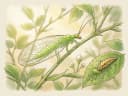
Lacewings
ConceptA translucent green insect with lacy wings and golden eyes. Its larvae are voracious predators of aphids, mealybugs, whitefly and mites.
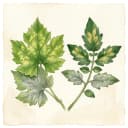
Downy mildew
ConceptA disease (an oomycete) that strikes in damp, mild weather (about 15–25 °C). Yellowish patches on the upper side of the leaf and white fuzz underneath. Very serious in tomato, potato and grapevine.
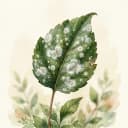
Powdery mildew
ConceptA fungus that shows up as a floury white powder on the leaves. It loves dry heat and cool nights. Very common on courgette, squash, grapevine and roses.
Damping off
ConceptSeedlings that thin at the base, keel over and die in seed trays that are too damp and poorly ventilated.
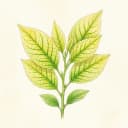
Chlorosis
ConceptYellowing of the leaves through a lack of chlorophyll, often because the plant cannot properly absorb certain nutrients.
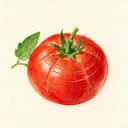
Fruit splitting
ConceptCracks in tomatoes and other fruit when they go from drought to plenty of water, because of irregular watering or rain.
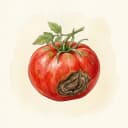
Blossom end rot
ConceptA dark, sunken patch at the tip of a tomato or pepper, almost always linked to water stress and poor distribution of calcium.
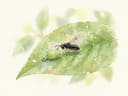
Parasitoids
ConceptInsects, often very small wasps, that lay their eggs inside or on pests and help to control them.
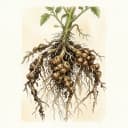
Beneficial nematodes (Steinernema)
ConceptLiving nematodes applied to the soil to control pest larvae, especially those that live underground.
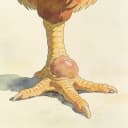
Bumblefoot (pododermatitis)
ConceptInflammation or infection of the sole of a bird's foot, often caused by wounds, excess weight or badly made perches.
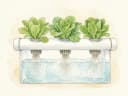
Hydroponics
ConceptGrowing plants without soil, feeding the roots with a nutrient solution dissolved in water.
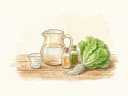
Nutrient solution
ConceptWater containing all the dissolved minerals (macro- and micronutrients) that takes the place of soil in hydroponics.
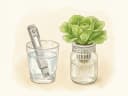
EC / electrical conductivity
ConceptAn indirect measure of how much mineral salt is dissolved in the water, in mS/cm.
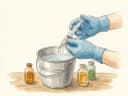
A/B stock solution
ConceptThe two concentrates in which almost every hydroponic nutrient is sold, to be added separately so that they do not precipitate.
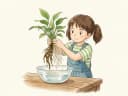
Root rot
ConceptRoots that turn brown and slimy through lack of oxygen combined with an opportunistic pathogen (typically Pythium).
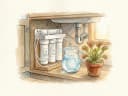
Reverse osmosis water
ConceptWater passed through a reverse osmosis filter, which removes almost all the dissolved minerals.
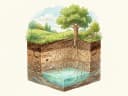
Water table
ConceptThe depth at which the soil is permanently saturated with water.
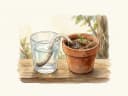
Capillary action
ConceptHow water rises of its own accord through the fine pores of soil or along a wick.
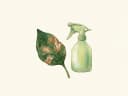
Phytotoxicity
ConceptDamage suffered by the plant itself from a product or treatment.
Pre-harvest interval
ConceptThe number of days that must pass between the last treatment and harvesting.
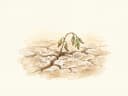
Soil salinity
ConceptAn excess of dissolved salts in the soil or in the irrigation water.

Calcareous (chalky) soil
ConceptSoil rich in lime (calcium carbonate), alkaline and very common around the Mediterranean.
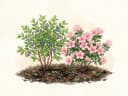
Acid-loving plant
ConceptA plant that needs acid soil to thrive.

Micronutrients
ConceptNutrients the plant needs in very small amounts, such as iron, manganese, zinc, copper, boron or molybdenum.
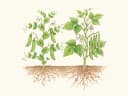
Legumes
ConceptThe family of beans, peas and broad beans, able to capture nitrogen from the air.
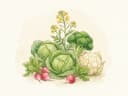
Brassicas (Brassicaceae)
ConceptThe cabbage family: cabbages, broccoli, cauliflower, turnip, radish, rocket, mustard...
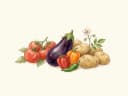
Nightshade family (Solanaceae)
ConceptThe tomato family: tomato, pepper, aubergine, potato...
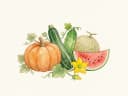
Cucurbits (Cucurbitaceae)
ConceptThe squash family: courgette, cucumber, melon, watermelon...
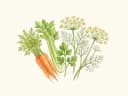
Umbellifers (Apiaceae)
ConceptThe carrot family: carrot, celery, parsley, fennel, dill, coriander...
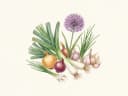
Alliums
ConceptThe onion group: garlic, onion, leek, chives, shallot...
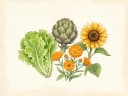
Composites (Asteraceae)
ConceptThe daisy family: lettuce, endive, globe artichoke, sunflower, pot marigold...
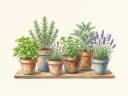
Mint family (Lamiaceae)
ConceptThe mint family: basil, rosemary, thyme, oregano, sage, lavender...
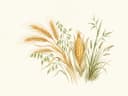
Grasses (Poaceae)
ConceptThe family of cereals and lawn grasses: wheat, maize, oats, rye, bamboo...
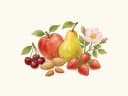
Rose family (Rosaceae)
ConceptThe rose family: apple, pear, cherry, almond, strawberry, raspberry...
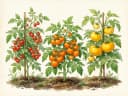
F1 hybrid
ConceptA plant produced by a controlled cross between two varieties; its seed does not produce identical plants.
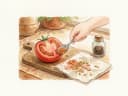
Open-pollinated variety
ConceptA variety whose seeds, if saved properly, produce plants identical to the parent.
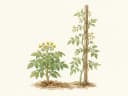
Determinate and indeterminate growth
ConceptWhether a plant (especially the tomato) stops growing when it forms flowers at the tip or keeps on growing without limit.
Dwarf and climbing beans
ConceptThe two types of bean (and pea): dwarf ones, which need no support, and climbing ones.
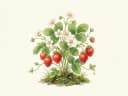
Remontant (everbearing)
ConceptA variety that flowers and crops more than once in the same season.
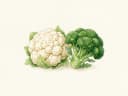
Curd (head)
ConceptThe compact mass of flower buds that is eaten in cauliflower and broccoli.
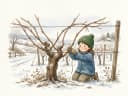
Vine cane
ConceptA grapevine shoot that has grown during the current year.
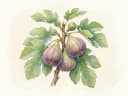
Breba (first fig crop)
ConceptThe fig tree's first crop, in early summer, borne on the previous year's wood.
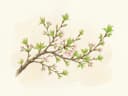
Bud break
ConceptThe moment when buds open and new shoots emerge.
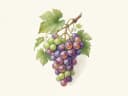
Veraison
ConceptThe moment when grapes (or olives) begin to change colour as they ripen.
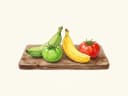
Climacteric fruit
ConceptFruit that keeps ripening after it has been picked.
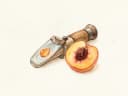
Degrees Brix
ConceptA measure of the sugar dissolved in a fruit's juice.
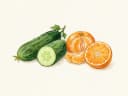
Parthenocarpy
ConceptThe ability to set fruit without pollination, which is why the fruit has no seeds.
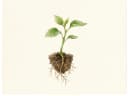
Plant collar
ConceptThe point where the stem meets the root, at soil level.
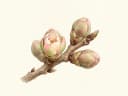
Bud
ConceptA miniature, still closed shoot from which a leaf, a stem or a flower will grow.
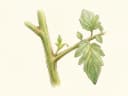
Leaf axil
ConceptThe angle formed between the leaf and the stem, where a bud grows.
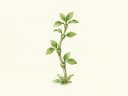
Node and internode
ConceptThe node is the point on the stem where leaves and buds grow; the internode is the section between two nodes.
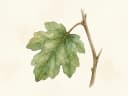
Petiole
ConceptThe little stalk that joins the leaf to the stem.
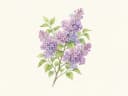
Inflorescence
ConceptA group of flowers clustered on the same stem.
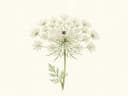
Umbel
ConceptAn umbrella-shaped group of flowers: many little stalks coming from the same point.

Flower head (capitulum)
ConceptA group of many tiny florets packed into a disc, which looks like a single flower.
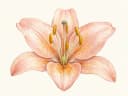
Stamens and pistil
ConceptThe parts of the flower that produce pollen (stamens) and the parts that receive it and form the fruit (pistil).
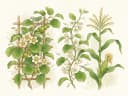
Dioecious and monoecious plants
ConceptWhether a species carries its male and female flowers on separate plants (dioecious) or on the same plant (monoecious).
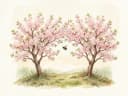
Self-fertile and self-sterile
ConceptWhether a fruit tree sets fruit with its own pollen (self-fertile) or needs another variety nearby (self-sterile).
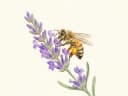
Pollinators
ConceptAnimals, mainly insects, that carry pollen from flower to flower.
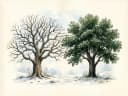
Deciduous and evergreen
ConceptWhether a tree or shrub loses all its leaves in the unfavourable season (deciduous) or keeps them all year round (evergreen).
Seedling
ConceptA newly emerged plant, from the moment it appears until it has a few leaves.
Cotyledons and true leaves
ConceptThe first little leaves that come out of the seed (cotyledons) and the ones that follow, which already have the plant's own shape.
Root ball
ConceptThe block of soil and roots that comes out in one piece when you take a plant out of its pot or cell.
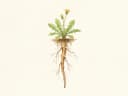
Taproot
ConceptA thick main root that grows straight down.
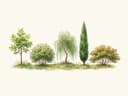
Habit
ConceptThe shape and size a plant reaches when mature.
Herbaceous, semi-ripe and woody
ConceptHow tough a stem is: soft and green, half-hardened or already turned to wood.
Clump (tillers)
ConceptA cluster of stems that grow together from the base of the plant.
Offset (pup)
ConceptA small plant that grows attached to the mother plant and can be separated to plant on its own.
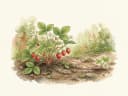
Runner (stolon)
ConceptA creeping stem that puts down roots and forms new plants some distance from the mother plant.
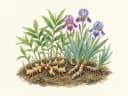
Rhizome
ConceptAn underground stem that grows horizontally and stores reserves.
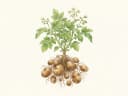
Tuber
ConceptA swollen underground stem or root that stores reserves.
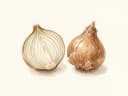
Bulb
ConceptAn underground bud surrounded by fleshy leaves that store reserves.
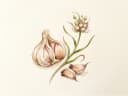
Bulbil (bulblet)
ConceptA small bulb that forms beside the mother bulb or on the stem.
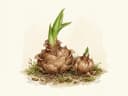
Corm
ConceptA swollen, solid stem base that stores reserves underground.
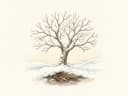
Dormancy
ConceptA pause during which a seed or plant does not grow even though it seems it could.
Chill hours
ConceptWinter hours below about 7 °C that a fruit tree needs in order to leaf out and flower properly.
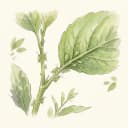
Aphids
ConceptTiny sap-sucking insects that form colonies on soft shoots and the undersides of leaves.
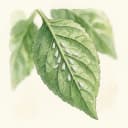
Whitefly
ConceptA tiny white sap-sucking insect that flies up in little clouds when the plant is disturbed.
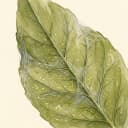
Red spider mite
ConceptA tiny plant mite that speckles leaves yellow and spins fine webbing in hot, dry weather.
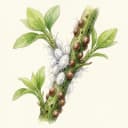
Scale insects and mealybugs
ConceptA sap-sucking insect that protects itself with a hard shell or a fluffy white cottony coat.
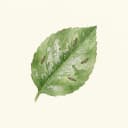
Thrips
ConceptA tiny, elongated insect that rasps leaves and flowers and leaves silvery patches.
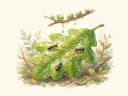
Honeydew
ConceptA sugary, sticky liquid excreted by aphids, scale insects and whitefly.
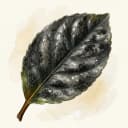
Sooty mould
ConceptA black, soot-like layer that grows on the honeydew of sap-sucking insects.
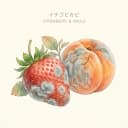
Botrytis (grey mould)
ConceptA fungus that covers flowers, fruit and stems with a dusty grey mould in damp, poorly ventilated conditions.
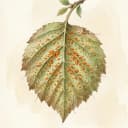
Rust
ConceptA fungus that forms orange or brown pustules, like rust, on the undersides of leaves.
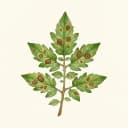
Early blight (Alternaria)
ConceptA fungus that causes brown spots with concentric rings, like a target, on tomato and potato leaves.
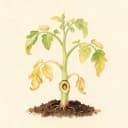
Fusarium wilt
ConceptA soil fungus that blocks the plant’s water-conducting vessels and makes it wilt.
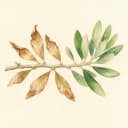
Verticillium wilt
ConceptA soil fungus that causes wilting in tomato, aubergine, olive and other crops.
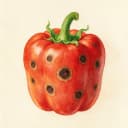
Anthracnose
ConceptA fungus that causes sunken, dark spots on fruit, pods and leaves.
Nematodes (pest)
ConceptMicroscopic soil worms that damage roots; root-knot nematodes form galls on them.
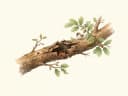
Canker
ConceptA sunken, cracked wound in the bark of branches or trunk, caused by fungi or bacteria.
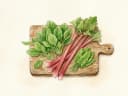
Oxalates (oxalic acid)
ConceptSubstances in some plants that, in quantity, cause irritation or hinder calcium absorption.
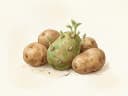
Solanine
ConceptA toxic substance in the green parts of potatoes; tomato plants and other nightshades contain similar ones.
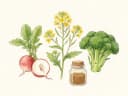
Glucosinolates
ConceptSulphur compounds in cabbages, mustard and radish that give them their hot taste.
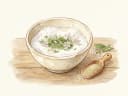
Saponins
ConceptSubstances in some plants that foam in water, like soap.
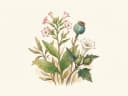
Alkaloids
ConceptA large group of plant substances with a strong effect on the body; many are toxic.
Cyanogenic glycosides
ConceptSubstances that release cyanide when chewed or broken up.
Photosensitisation
ConceptWhen a plant makes the skin sensitive to sunlight and burns or blotches appear.
Coumarin
ConceptAn aromatic substance in cassia cinnamon, sweet clover and sweet woodruff, toxic to the liver in excess.
Botulism
ConceptSerious poisoning caused by a bacterium that grows without air in badly made preserves.
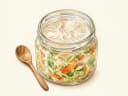
Kahm yeast
ConceptA whitish, flat film that sometimes appears on top of ferments.
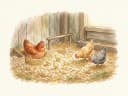
Litter (bedding)
ConceptA bed of straw, wood shavings or other material covering the floor of the hen house or shelter.
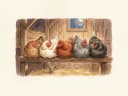
Roosting perch
ConceptA raised pole or perch where hens sleep.
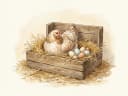
Nest box
ConceptA dark, padded box or corner where hens lay their eggs.
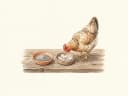
Grit and oyster shell
ConceptTwo supplements given separately to poultry: small stones for grinding (grit) and crushed shell as a calcium source (oyster shell).
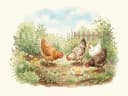
Foraging
ConceptFinding food for themselves by pecking, scratching or grazing.
Feather pecking
ConceptWhen birds pull out each other’s feathers by pecking.
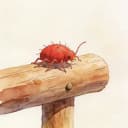
Poultry red mite
ConceptA mite that hides by day in the cracks of the hen house and sucks the birds’ blood at night.
Coccidiosis
ConceptAn intestinal disease caused by microscopic parasites, common in young poultry and rabbits.
Withdrawal period
ConceptThe time during which the eggs, milk or meat of a treated animal must not be eaten or drunk.
Bloat
ConceptSwelling of the belly of goats, sheep or rabbits from a build-up of gas; it is an emergency.
Enterotoxaemia
ConceptPoisoning by gut bacteria that multiply rapidly after a sudden change of diet.
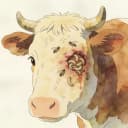
Flystrike (myiasis)
ConceptInfestation of wounds or dirty areas by fly larvae (maggots).
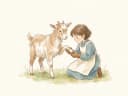
Foot rot
ConceptAn infection between the claws of goats and sheep that causes lameness and a foul smell.
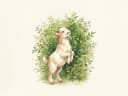
Browsing
ConceptEating leaves, shoots and tender twigs of shrubs and trees.

Blackhead (histomoniasis)
ConceptA serious disease of turkeys caused by a parasite that chickens can carry without falling ill.
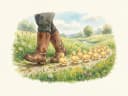
Imprinting
ConceptThe bond that the young of some birds form with the first thing they see that looks after them.
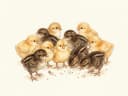
Autosexing breed
ConceptA breed in which chicks can be sexed by their colour from the moment they hatch.
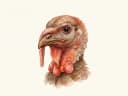
Caruncle
ConceptA fleshy lump of bare skin on the head, face or neck of some birds.
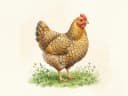
Laced plumage
ConceptA feather edged with a border of another colour.
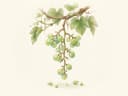
Coulure (poor fruit set)
ConceptThe dropping of flowers or newly set berries, which leaves bunches sparse.
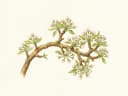
Fruiting spurs
ConceptVery short twigs on fruit trees where the flowers and fruit form.
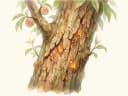
Gummosis
ConceptAmber gum oozing from the trunk or branches of a fruit tree.
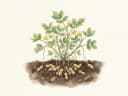
Gynophore (peg)
ConceptA little stalk that grows from the peanut flower and buries itself to form the pod.
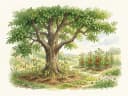
Juglone
ConceptA substance from walnut trees that holds back the growth of other plants nearby.
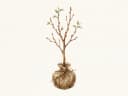
Bare-root
ConceptA plant sold without soil or pot, while dormant in winter.
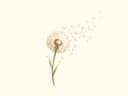
Pappus
ConceptA tuft of fine hairs on some seeds that lets them fly on the wind.
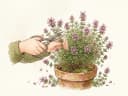
Flowering tops
ConceptThe tender upper part of the stems, with their leaves and flowers.
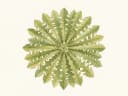
Rosette
ConceptA group of leaves that all grow from the same point, in a circle.
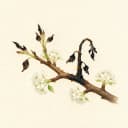
Fireblight
ConceptA serious bacterial disease of pear, apple, quince and other members of the rose family.
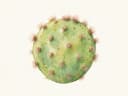
Glochids
ConceptTiny spiny hairs on prickly pears that lodge in the skin at the slightest touch.
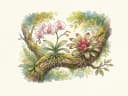
Epiphyte
ConceptA plant that lives on another, usually a tree, without taking anything from it.
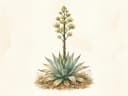
Monocarpic plant
ConceptA plant (or rosette) that flowers just once and then dies.
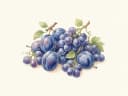
Bloom (pruina)
ConceptA whitish, waxy dust that coats some fruits, leaves and stems.
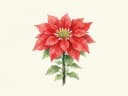
Bract
ConceptA modified leaf that accompanies the flower and is often showier than it.
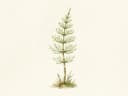
Whorl
ConceptA group of leaves or flowers that grow at the same level around the stem.
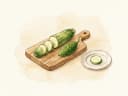
Cucurbitacins
ConceptVery bitter, toxic substances that can appear in squashes, courgettes and cucumbers.

Pyrrolizidine alkaloids
ConceptToxins in borage, comfrey and other plants that damage the liver if taken often.
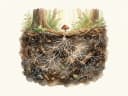
Mycelium
ConceptA network of fine threads that forms the body of a fungus underground or inside wood.
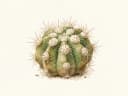
Areole
ConceptA small cushion on cacti from which spines, flowers and shoots grow.
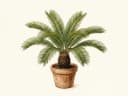
Cycads
ConceptVery ancient palm-like plants, such as the sago palm; all their parts are toxic.
CITES
ConceptAn international convention that regulates trade in endangered species of animals and plants.
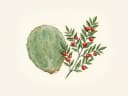
Cladode
ConceptA flattened stem that does the job of a leaf.
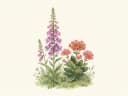
Bufadienolides
ConceptSubstances in some plants that affect the heart, like those in foxglove.
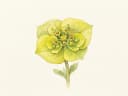
Cyathium
ConceptThe ‘flower’ of euphorbias: a group of tiny flowers inside a little cup.
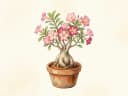
Caudex
ConceptA greatly swollen stem base or root that stores water; plants that have one are called caudiciforms.
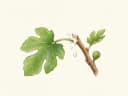
Latex (milky sap)
ConceptMilky sap that flows when some plants are cut, such as euphorbias, figs or ficus.
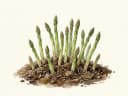
Turion (spear)
ConceptA tender shoot that grows from an underground bud; in asparagus, it is the part you eat.
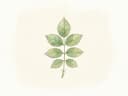
Leaflet and compound leaf
ConceptEach of the small leaves into which a compound leaf is divided.
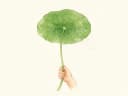
Peltate leaf
ConceptA leaf with its stalk attached to the centre of the blade, not the edge, like an umbrella.
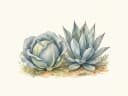
Glaucous
ConceptBluish or greyish green, as if dusted with powder.
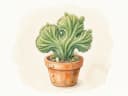
Crested form (cristata)
ConceptAn abnormal fan-shaped or crested growth of some cacti and succulents.

Plant breeders’ rights
ConceptLegal protection for a new plant variety, similar to a patent.
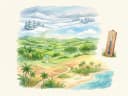
USDA hardiness zone
ConceptA climate classification from the US Department of Agriculture (USDA), based on average minimum winter temperature.
Registered plant protection product
ConceptAn officially authorised product for treating pests, diseases or weeds.
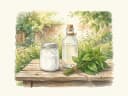
Basic substance
ConceptAn everyday substance that the European Union allows to be used on crops under specific conditions.
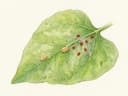
Predatory mites (phytoseiids)
ConceptTiny mites that eat red spider mite, thrips or whitefly.
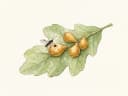
Aphid mummy
ConceptA swollen, golden or brown aphid with a parasitoid wasp inside.
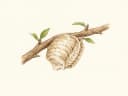
Ootheca (egg case)
ConceptA hardened capsule in which some insects, such as the mantis, keep their eggs.
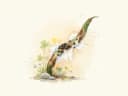
Sclerotium
ConceptA small, hard, dark ball that some fungi use to survive in the soil for years.
Thermophilic phase of composting
ConceptThe stage in which the centre of the compost heap gets very hot and decomposition is very fast.
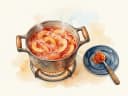
Pectin
ConceptA substance in fruit that makes jam set when it is cooked with sugar and acid.
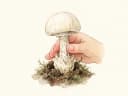
Volva
ConceptA sac or cup at the base of the stem of some mushrooms, such as amanitas.
Mushroom gills
ConceptThin folds under the cap of many mushrooms where the spores are formed; their colour helps identify the species.
Mushroom ring
ConceptA remnant of membrane forming a collar around the stem of some mushrooms, which covered the gills when they were young.
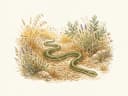
Rear-fanged snake
ConceptA snake with its venom fangs at the back of the mouth.
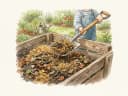
Droppings
ConceptAnimal excrement.
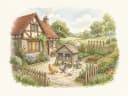
Backyard livestock
ConceptAnimals raised at home for your own consumption, in a small yard or pen.
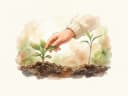
Thigmomorphogenesis
ConceptA change in a plant’s growth when it is touched or moved by the wind: it becomes shorter and sturdier.

Spathe
ConceptA large bract that wraps around an inflorescence, as in palms or the calla lily.
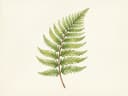
Rachis
ConceptThe central axis of a compound leaf or of a fern frond.
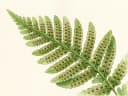
Sorus
ConceptA small cluster of spore capsules visible on the underside of fern fronds.
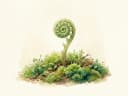
Fiddlehead (crozier)
ConceptA young fern frond, coiled in a spiral, that gradually unrolls.
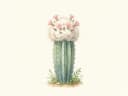
Cephalium
ConceptAn area of wool and bristles formed by some mature cacti, from which the flowers grow.
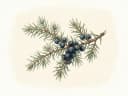
Galbulus (juniper berry)
ConceptThe fleshy, berry-like cone of junipers.

Achene
ConceptA small, dry, single-seeded fruit that does not split open when ripe.
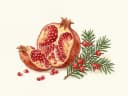
Aril
ConceptA fleshy covering around the seed of some plants.
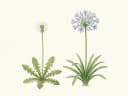
Flower scape
ConceptA leafless flower stalk that grows straight from the base of the plant.

Tepal
ConceptA part of the flower when the petals and sepals look alike and cannot be told apart.
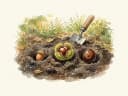
Recalcitrant seed
ConceptA seed that dies if it dries out and must be sown fresh.
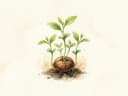
Polyembryonic seed
ConceptA seed from which several seedlings can grow, almost always copies of the mother plant.
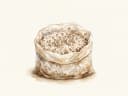
Primordium
ConceptA miniature mushroom, the size of a pinhead, that appears when the mycelium starts to fruit.
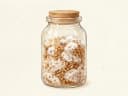
Colonisation (mycelium)
ConceptThe phase in which the mycelium spreads through the substrate, grain or plate until it covers all of it.
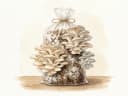
Mushroom fruiting
ConceptThe stage in which the mycelium produces the mushrooms, which are its ‘fruits’, and the time to harvest.
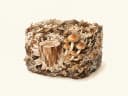
Mushroom flush
ConceptA batch of mushrooms that comes out all at once from the same substrate; it then rests and may give another.
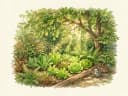
Partial shade
ConceptA spot that gets direct sun for only a few hours a day, or light filtered through leaves.
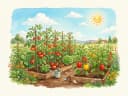
Full sun
ConceptA spot that gets direct sun for six hours or more every day.
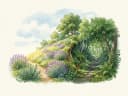
Shady and sunny slopes
ConceptThe shady slope faces north and gets little sun; the sunny slope faces south.
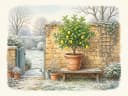
Microclimate
ConceptThe particular climate of one small spot, which can be warmer, colder or damper than its surroundings.
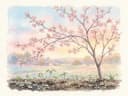
Late frost
ConceptA frost that arrives in spring, after plants have already sprouted or flowered.
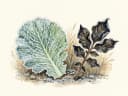
Hoar frost and black frost
ConceptHoar frost leaves visible ice crystals; black frost freezes without them because the air is dry, and it usually does more damage.
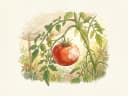
Heat stress and sunscald
ConceptDamage suffered by plants and animals when heat or strong sun exceeds what they can bear.
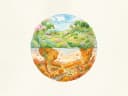
Northern and southern hemisphere
ConceptThe half of the Earth north or south of the equator; the seasons run the opposite way in each.

Climate types
ConceptBroad families of climate according to temperature and rainfall, which decide what can be grown and when.
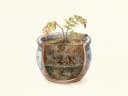
Waterlogging
ConceptExcess water that fills the pores of the soil and leaves the roots without air.
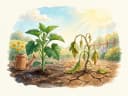
Water stress
ConceptA situation in which the plant loses more water than it can take up.
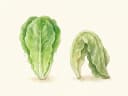
Turgor
ConceptThe firmness of leaves, stems and fruit when their cells are full of water.
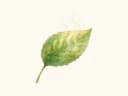
Transpiration
ConceptThe loss of water as vapour through the tiny pores in the leaves.
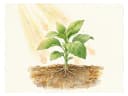
Photosynthesis
ConceptThe process by which plants make their food from light, water and air.
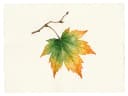
Chlorophyll
ConceptThe green pigment in leaves that captures sunlight.
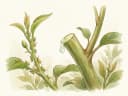
Sap
ConceptThe liquid that flows inside the plant carrying water, minerals and sugars.
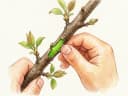
Cambium
ConceptThe thin green layer under the bark that makes stems, branches and roots grow thicker.
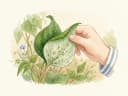
Upper and lower leaf surface
ConceptThe upper surface is the top of the leaf and the underside is the bottom.
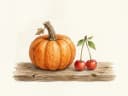
Peduncle (stalk)
ConceptThe little stem that joins a flower or a fruit to the branch.
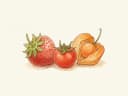
Calyx and sepals
ConceptThe ring of small green leaves, the sepals, that wraps the flower from the outside and often stays attached to the fruit.
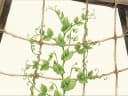
Tendril
ConceptA coiling thread with which some climbers grip their supports.
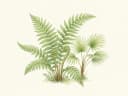
Frond
ConceptThe leaf of ferns and palms, usually large and divided.
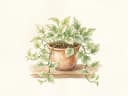
Variegated leaf
ConceptA leaf with cream, white or yellow patches, edges or stripes as well as green.
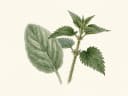
Trichomes (plant hairs)
ConceptTiny hairs that cover leaves and stems and protect the plant from sun, drought or insects.
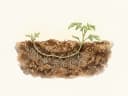
Adventitious roots
ConceptRoots that grow from a stem or a leaf rather than from the main root.
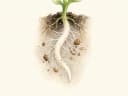
Root hairs
ConceptExtremely fine hairs at the tips of the roots that absorb almost all the water and nutrients.
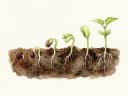
Hypocotyl and radicle
ConceptThe radicle is the first root to emerge from the seed, and the hypocotyl is the little stem that pushes the seed leaves towards the light.
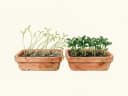
Legginess (leggy seedlings)
ConceptThe stretched, thin and pale growth of a plant searching for light.
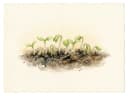
Emergence
ConceptThe moment seedlings appear above the soil after sowing.
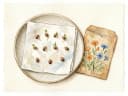
Seed viability
ConceptA seed's ability to germinate, and how long it keeps it.
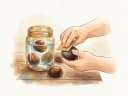
Seed coat (testa)
ConceptThe outer skin that protects the seed; if it is very hard, it must be softened for the seed to germinate.
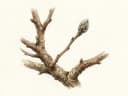
Fruiting twig (brindle)
ConceptA thin, short fruit-tree twig, under 30 cm long, that ends in a flower bud.
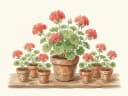
Clone
ConceptA plant genetically identical to another because it comes from a piece of it rather than a seed.
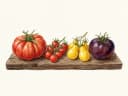
Cultivar
ConceptA variety of a plant selected by people for some trait, such as flavour or colour.
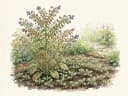
Self-seeding
ConceptWhen a plant drops its seeds and new seedlings come up on their own the following year.
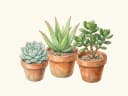
Succulent
ConceptA plant with thick, fleshy leaves or stems that store water to withstand drought.

Cactaceae (cactus family)
ConceptThe cactus family: succulent plants with areoles from which spines, flowers and shoots grow.
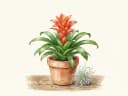
Bromeliads
ConceptA family of tropical plants with leaves in a rosette, often with a central cup that collects water.
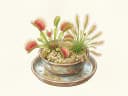
Carnivorous plant
ConceptA plant that traps and digests small insects to get the nutrients its poor soil does not provide.
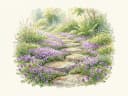
Groundcover or creeping plant
ConceptA low plant that spreads over the ground and covers it like a carpet.
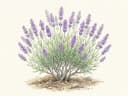
Subshrub
ConceptA small plant with a woody base and soft tips, halfway between a herb and a shrub.
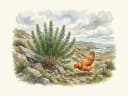
Hardy
ConceptA tough, undemanding plant or breed that copes with cold, heat, drought or neglect.
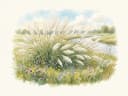
Invasive species
ConceptA plant or animal from elsewhere that spreads out of control and displaces local species.
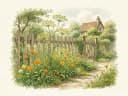
Naturalised (gone wild)
ConceptWhen a cultivated plant escapes from the garden and starts to grow and reproduce on its own in the wild.
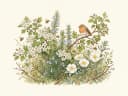
Native species
ConceptA plant or animal that belongs to a region and has always lived there naturally.
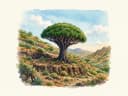
Endemic species
ConceptA species that only exists naturally in one particular area of the world.
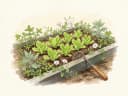
Weeds (arable weeds)
ConceptPlants that come up on their own in the vegetable plot without being sown and compete with the crops.
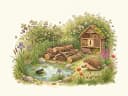
Habitat
ConceptA place with what a species needs to live: food, shelter, water and somewhere to breed.
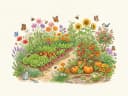
Biodiversity
ConceptThe variety of living things in a place: plants, animals, fungi and microorganisms.
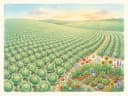
Monoculture
ConceptGrowing a single species over a large area, year after year.

Understorey
ConceptThe plants that grow beneath the trees of a forest: shrubs, ferns, herbs and mosses.
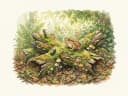
Deadwood (log pile)
ConceptLogs, branches and stumps left to rot slowly to give shelter and food to wildlife.
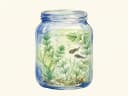
Oxygenating plant
ConceptA plant that lives submerged in pond water and adds oxygen to it.
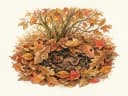
Leaf litter
ConceptThe layer of fallen dry leaves that covers the ground and gradually decomposes.
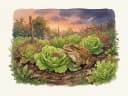
Predator
ConceptAn animal that hunts and eats other animals; in the garden, those that eat pests are allies.
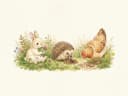
Herbivore, insectivore and omnivore
ConceptWays of grouping animals according to what they eat: plants, insects or a bit of everything.
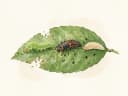
Larva
ConceptThe young stage of many insects, which hatches from the egg looking very different from the adult.
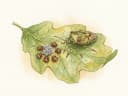
Nymph
ConceptThe young stage of insects that already look like the adult, only smaller and without wings.
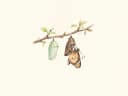
Chrysalis (pupa)
ConceptThe still stage in which a larva turns into an adult inside a casing.
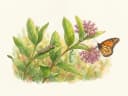
Metamorphosis
ConceptThe transformation of an animal from birth to adulthood through very different stages.
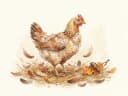
Moult
ConceptThe periodic change of feathers in birds, or of skin in insects, spiders and reptiles.

Hibernation (overwintering)
ConceptA resting state in which many animals spend the winter, with their bodies almost shut down to save energy.
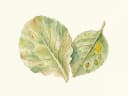
Egg laying (oviposition)
ConceptThe act of laying eggs, and the batch of eggs a female leaves.
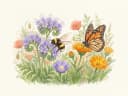
Nectar
ConceptThe sugary liquid that flowers make to attract pollinators.
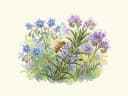
Bee plant (honey plant)
ConceptA plant whose flowers give bees plenty of nectar and pollen.
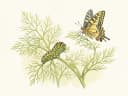
Host plant (larval food plant)
ConceptA plant on which the caterpillars of a particular butterfly feed.
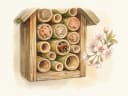
Solitary bees
ConceptBees that do not live in a hive: each female makes her own nest in hollow stems, holes or the ground.
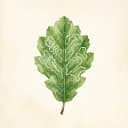
Leaf miner
ConceptA tiny larva that tunnels winding trails inside leaves.
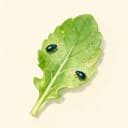
Flea beetle
ConceptA tiny jumping beetle that riddles the leaves of brassicas, rocket and radishes with holes.
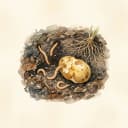
Wireworm
ConceptA hard, thin, yellow larva that lives in the soil and bores into potatoes, carrots and roots.
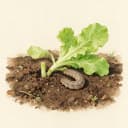
Cutworms
ConceptPlump greyish caterpillars that hide in the soil by day and cut seedlings off at the base at night.
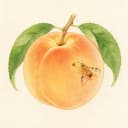
Mediterranean fruit fly
ConceptA small fly that lays its eggs inside ripe fruit, where the larvae rot it.
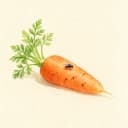
Carrot fly
ConceptA fly whose larvae tunnel into the roots of carrots, parsnips and celery.
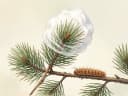
Pine processionary
ConceptA hairy caterpillar that lives in silk nests on pines and cedars, whose stinging hairs are dangerous.
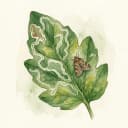
Tomato leafminer (Tuta absoluta)
ConceptA small moth whose larvae mine the leaves, stems and fruit of tomatoes.
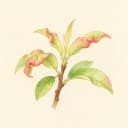
Peach leaf curl
ConceptA fungus that puckers and reddens the young leaves of peach and almond trees in spring.
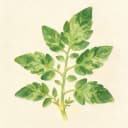
Mosaic virus
ConceptA disease caused by viruses that paints a mosaic of light and dark green blotches on the leaves.
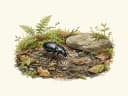
Ground beetles
ConceptFast black beetles that hunt slugs, caterpillars and larvae on the ground at night.
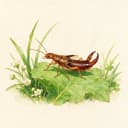
Earwigs
ConceptAn insect with pincers on its tail that eats aphids and pest eggs, though it sometimes nibbles flowers and fruit.
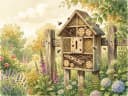
Insect hotel
ConceptA shelter made of canes, drilled wood and other materials where solitary bees and useful insects nest.
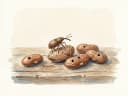
Weevil
ConceptA small beetle with a long snout that attacks stored seeds, dried pulses or roots.
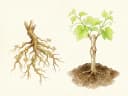
Phylloxera
ConceptA tiny aphid-like insect that attacks the roots of the European grapevine.
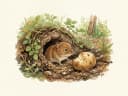
Voles
ConceptSmall field rodents that live in tunnels and gnaw roots, bulbs and tubers.
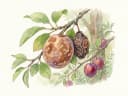
Brown rot (monilinia)
ConceptA fungus that rots fruit on the tree with rings of small whitish pustules, leaving mummified fruit behind.
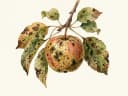
Apple and pear scab
ConceptA fungus that covers the leaves and fruit of apples and pears with dark spots and scabs.
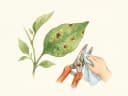
Bacterial disease
ConceptA plant disease caused by bacteria, with greasy spots, cankers or soft rots.
Insecticide, fungicide and herbicide
ConceptProducts to kill insects, fungi or weeds; all of them are pesticides and call for great care.
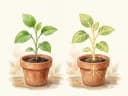
Systemic and contact products
ConceptA systemic product enters the sap and travels through the whole plant; a contact one acts only where it lands.
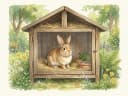
Myxomatosis
ConceptA serious viral disease of rabbits, spread by mosquitoes and fleas.

Rabbit haemorrhagic disease
ConceptA highly contagious and almost always fatal viral disease of rabbits, prevented by vaccination.
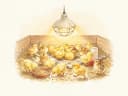
Marek's disease
ConceptA viral disease of hens that causes paralysis and tumours, prevented by vaccinating chicks.
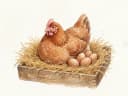
Laying hen
ConceptA hen or breed selected to lay many eggs a year.
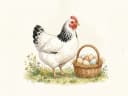
Dual-purpose breed
ConceptA breed suitable for both eggs and meat.
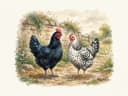
Local breed (heritage breed)
ConceptA domestic animal breed native to a region, adapted to its climate and often at risk of disappearing.
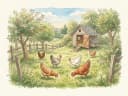
Free range
ConceptRaising animals with a closed shelter for the night and an outdoor area where they spend the day.
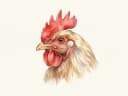
Comb and wattles
ConceptThe red fleshy parts on a hen's head, whose colour changes with its health and laying.
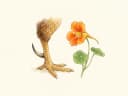
Spur
ConceptA pointed claw on the back of a rooster's leg; in botany, a hollow extension of some flowers.
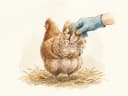
Vent (cloaca)
ConceptThe single opening through which birds pass droppings, urine and eggs.
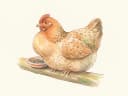
Crop and gizzard
ConceptThe crop stores food at the base of a bird's neck; the gizzard grinds it with small stones.
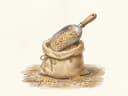
Compound feed
ConceptPrepared food that mixes cereals, protein, minerals and vitamins in the proportions each animal needs.
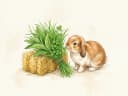
Forage
ConceptGrass, leaves or stems, fresh or dried, given to animals to eat.
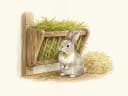
Hay
ConceptGrass cut and dried in the sun, stored as food for rabbits, goats and other herbivores.
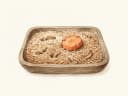
Bran
ConceptThe ground husk of cereals, used as bedding and food when rearing mealworms.
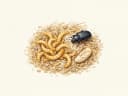
Mealworm
ConceptThe larva of a beetle reared in bran as a protein-rich food for birds, fish and hedgehogs.
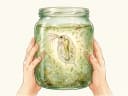
Daphnia (water flea)
ConceptA tiny freshwater crustacean reared in buckets as live food for fish and fry.
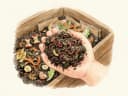
Red wiggler (tiger worm)
ConceptA small red worm that lives in decaying organic matter and is used to make worm compost.
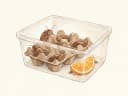
Dubia roach
ConceptA tropical cockroach that cannot climb or fly, reared as live food for reptiles and birds.
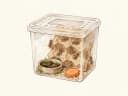
Feeder crickets
ConceptCrickets reared in boxes as a protein-rich live food for birds, reptiles and fish.
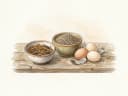
Protein (in animal feed)
ConceptThe nutrient that builds muscle, feathers and eggs; laying or moulting birds need more.
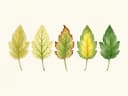
Nutrient deficiency
ConceptA shortage of some nutrient in the plant, which shows in the colour and shape of the leaves.
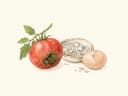
Calcium
ConceptA nutrient that firms up plant cell walls and eggshells.
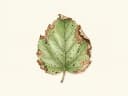
Necrosis
ConceptThe death of part of a tissue, seen as brown, black and dry spots or areas.
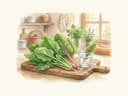
Nitrates
ConceptThe form of nitrogen plants absorb; in excess it builds up in leafy greens or pollutes water.
Heavy metals
ConceptElements such as lead or cadmium that can contaminate soil and pass into vegetables.
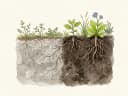
Soil compaction
ConceptPacked-down soil with little air, which roots and water can barely get into.
Permaculture
ConceptA way of designing gardens and homes by imitating natural ecosystems, to produce a lot with little work and without exhausting resources.
Organic growing
ConceptA way of growing without synthetic fertilisers or pesticides, looking after the soil and biodiversity.
Biodynamic farming
ConceptA branch of organic farming that adds special preparations and a calendar based on the moon and the stars.
Lunar calendar
ConceptThe tradition of sowing, pruning or harvesting according to the phase of the moon.
Soft and hard water
ConceptHard water carries a lot of dissolved lime; soft water, very little. Some plants only tolerate soft water.
Spore
ConceptA tiny cell, like a microscopic seed, with which fungi, ferns and mosses reproduce.
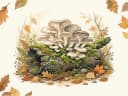
Saprophytic fungus (decomposer)
ConceptA fungus or organism that feeds on dead matter and breaks it down, returning the nutrients to the soil.
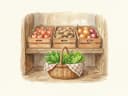
Post-harvest handling
ConceptEverything done with fruit and vegetables from picking to eating, so they last and keep their quality.
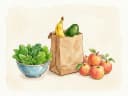
Ethylene
ConceptA gas some fruits give off as they ripen, which speeds up the ripening of those next to them.
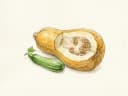
Physiological and eating maturity
ConceptPhysiological maturity is when the fruit's seed is viable; eating maturity, when the fruit is at its best to eat.
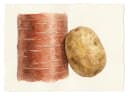
Lenticels
ConceptLittle dots or dashes on the bark of stems, roots and fruit through which the plant breathes.
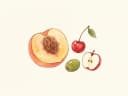
Drupe (stone fruit)
ConceptA fleshy fruit with a single seed protected by a hard stone, such as a peach or an olive.
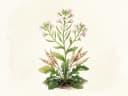
Silique (brassica seed pod)
ConceptThe dry, elongated fruit of brassicas (cabbages, radishes, mustard), which splits in two to release its seeds.

Essential oil
ConceptA highly concentrated aromatic liquid extracted from plants, mainly by distillation.
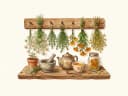
Herbal medicine (medicinal plant)
ConceptUsing plants to look after health; on this site it is explained as tradition, together with its risks.

Emollient
ConceptSomething that softens and soothes irritated skin or mucous membranes.
Expectorant
ConceptSomething that helps loosen and clear mucus from the airways.
Diuretic
ConceptSomething that makes you pass more urine.
Carminative
ConceptSomething that helps release wind and eases a bloated stomach.
Mucilage
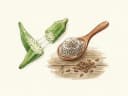
ConceptA plant substance that forms a slippery gel with water, like that of okra, linseed or chia.
Contact dermatitis
ConceptInflammation of the skin with itching, redness or blisters after touching certain plants or products.
Allergen
ConceptA substance that triggers an allergic reaction in sensitive people, such as pollen or certain food proteins.
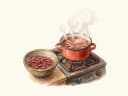
Lectins
ConceptProteins in raw legumes that cause vomiting and diarrhoea, and that are destroyed by thorough boiling.
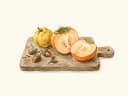
Tannins
ConceptSubstances in some plants and fruits that cause a rough, drying feeling in the mouth.
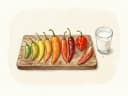
Capsaicin (heat)
ConceptThe substance that makes chillies and hot peppers hot; it is measured on the Scoville scale.
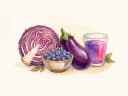
Anthocyanins
ConceptThe red, purple and blue pigments of fruits, flowers and leaves, with antioxidant effects.
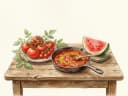
Lycopene
ConceptThe red pigment of tomatoes, watermelon and pink grapefruit, with antioxidant effects.
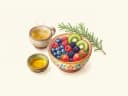
Antioxidants and polyphenols
ConceptSubstances in fruits, vegetables and herbs that protect cells from wear and tear.
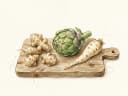
Inulin
ConceptA storage plant fibre in artichokes, Jerusalem artichokes, chicory and burdock that feeds the gut flora.
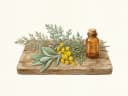
Thujone
ConceptA toxic substance found in wormwood, sage, tansy or thuja, which in high doses affects the nervous system.
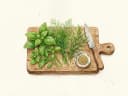
Estragole, safrole and asarone
ConceptAromatic substances in some plants (tarragon, basil, fennel, sassafras, sweet flag) that in high, prolonged doses can damage the liver.
Rotenone
ConceptAn old insecticide of plant origin, now banned in the European Union because of its toxicity.