
Credits and licences
- #1 — vueltaalhuerto illustration
- #2 — vueltaalhuerto illustration
- #3 — vueltaalhuerto illustration
- #4 — vueltaalhuerto illustration
- #5 — vueltaalhuerto illustration
- #6 — vueltaalhuerto illustration
- #7 — vueltaalhuerto illustration
- #8 — vueltaalhuerto illustration
- #9 — vueltaalhuerto illustration
- #10 — vueltaalhuerto illustration
- #11 — vueltaalhuerto illustration
- #12 — vueltaalhuerto illustration
- #13 — vueltaalhuerto illustration
Pointed spring cabbage
and 3 more names
sugarloaf cabbage, cabbage, Brassica oleracea var. capitataPointed spring cabbage is sown in seed trays from August to September, and planted out from September to October. It is harvested from March to May (about 90 days to the first harvest). Grow it in full sun, 40 cm apart, with moderate watering. Dates are for a mild temperate climate in the northern hemisphere; the calendar below adjusts them to your zone.
What else to sow in August and September
A cabbage with a conical head and tender leaves, sweet and quick to cook. Early, ideal for autumn sowings and mild winters.
Family and origin: Cabbage family (Brassicaceae) · native to Europe · More plants from Temperate Europe
01In your area
How will it do in your garden?
Year calendar
| Task | J | F | M | A | M | J | J | A | S | O | N | D |
|---|---|---|---|---|---|---|---|---|---|---|---|---|
| Seed trayAug–Sep | no | no | no | no | no | no | no | yes | yes | no | no | no |
| Plant / transplantSep–Oct | no | no | no | no | no | no | no | no | yes | yes | no | no |
| HarvestMar–May | no | no | yes | yes | yes | no | no | no | no | no | no | no |
Its life cycle at a glance
Swipe and tap a stage to see its details.
02Step by step
From seed to harvest, stage by stage
What the plant needs at each point in its life, from the seed to the harvest and on to the next seed. The figures are only a guide: your climate, your soil and the variety will shift them.
Approximate months for a temperate Spanish climate. Choose your zone in the calendar to adjust them.
Stage 1 · Year 1Seed and germinationSeed and germination: Aug–SepGerminates in 3–10 daysCabbages are sown in a seed tray in early or midsummer, transplanted at the end of summer and harvested in autumn and winter. The small, round seed comes up easily in a few days as long as the seed tray does not overheat.
Cabbages are sown in a seed tray in early or midsummer, transplanted at the end of summer and harvested in autumn and winter. The small, round seed comes up easily in a few days as long as the seed tray does not overheat.
At 15-25 °C it comes up in four or five days; above 30 °C, less well.
Temperature
min. 4°Cideal 15°C–29°Cmax. 35°CIn high summer, put the seed tray in the shade or indoors, because above 30 °C it germinates less well.
Moisture and watering
Keep the potting mix moist, but not waterlogged, watering from below or with a sprayer.
How often: Daily in summer; every two days if it is cool.
Light · Not important
It needs no light to germinate, but as soon as it comes up it must be given plenty so that it does not become leggy.
Container · Small cell
A tray of cells with two seeds per cell, sown 1 cm deep, or a broadcast seedbed for pricking out later.
Potting mix or soil
pH 6.5–7.5
A fine, light, moist seed compost without strong fertiliser.
Nutrients
Mainly needs: no fertiliser
It needs no fertiliser to germinate.
Protection
- Cover the tray with fine mesh as soon as the seedlings come up if flea beetles or cabbage white butterflies are a problem in your area.
Common problems
- Damping off. The seedlings keel over at the base, which looks pinched and dark; overwatering encourages it.
Warning signs
The seedlings come up very long and thin.
Likely cause: Lack of light or too much heat.
What to do: Move them somewhere bright and cool as soon as they come up.
Reference photos
When it moves on to the next stageMove on to the seed tray stage when the two heart-shaped seed leaves have come up and the first true leaf is showing.
Stage 2 · Year 1Seed tray and seedlingsSeed tray and seedlings: Aug–OctLasts about 25–40 daysYoung cabbage plants grow quickly in summer and are usually ready to transplant within a month. They need plenty of light and steady watering to form a compact plant with a firm stem.
Young cabbage plants grow quickly in summer and are usually ready to transplant within a month. They need plenty of light and steady watering to form a compact plant with a firm stem.
Four to six weeks from emergence.
Temperature
min. 5°Cideal 15°C–24°Cmax. 30°CAbove 30 °C the young plants suffer; give them shade in the middle of the day.
Moisture and watering
Water when the surface of the cell starts to dry; in summer this may be daily.
How often: Daily or every two days in summer.
Light · Full sun
6–12 h of light
Plenty of light so that it grows compact, with some shade during the hottest hours in July and August.
Container · Large cell
Leave one seedling per cell, or prick out into large cells or small 6-8 cm pots when it has its first true leaf, burying the stem up to the seed leaves.
Potting mix or soil
Multipurpose compost with a little sieved garden compost.
Nutrients
Mainly needs: nitrogen (N)
If the young plants turn pale before transplanting, one watering with worm compost or a mild liquid feed is enough.
What with: worm compost
Jobs for this stage
- Thin out, leaving a single seedling per cell.
- Harden off the young plants by putting them out in the open for a few hours a day during the last week.
Common problems
- Flea beetle. Tiny round holes in the tender leaves; it can hold the young plants back considerably.
- Cabbage white caterpillars. In summer the white butterfly lays eggs on the undersides of the leaves; the caterpillars devour the young plants.
- Damping off. It remains a risk with overwatering.
Warning signs
The young plants turn purple and stop growing.
Likely cause: Lack of phosphorus or exhausted potting mix, sometimes from staying too long in the cell.
What to do: Transplant as soon as possible or move it into a larger container.
Reference photos
When it moves on to the next stageIt is ready to transplant when it has 4 to 6 true leaves and is about 10-15 cm tall.
Stage 3 · Year 1TransplantingTransplanting: Sep–OctLasts about 7–14 daysCabbages are transplanted at the end of summer so that they build up the plant before the cold. They are large, hungry vegetables that need space, rich soil and a good watering after planting.
Cabbages are transplanted at the end of summer so that they build up the plant before the cold. They are large, hungry vegetables that need space, rich soil and a good watering after planting.
One or two weeks to take.
Temperature
min. 2°Cideal 12°C–24°Cmax. 30°CPlant in the evening or on a cloudy day if it is still hot.
Moisture and watering
Water the young plants before lifting them and water generously straight after planting.
How often: Every day or every two days during the first week.
How much: As a guide, 1 to 2 L per plant at planting.
Light · Full sun
At least 6 h of light
Full sun, at least six hours of direct sunlight.
Container · Straight into the ground
20–30 L
In the bed, 40-50 cm between plants and 50-60 cm between rows, depending on the size of the variety. In a container, at least 20 L per plant.
Potting mix or soil
pH 6.5–7.5
It needs deep, fertile soil that holds moisture, with plenty of well-rotted compost. Acid soils do not suit it, as clubroot appears more readily in them.
Nutrients
Mainly needs: nitrogen (N), phosphorus (P)
Mix two or three spadefuls of well-rotted compost or manure per square metre into the soil before planting.
What with: well-rotted compost, well-rotted manure
Protection
- Put insect mesh over hoops straight after planting to keep off cabbage white butterflies and cabbage root fly.
- A cardboard collar around the stem protects against cutworms.
Jobs for this stage
- Plant a little deeper than it was in the cell, burying the stem up to the first leaves, and firm the soil well.
- Leave a small watering basin around the plant so that the water reaches the roots.
Common problems
- Cutworms. They cut through the stems of newly transplanted plants at ground level.
- Slugs and snails. They nibble the leaves of young plants, especially with the first rains.
- Cabbage root fly. Its white larvae eat the roots of newly planted cabbages, which wilt and pull out easily.
Warning signs
A plant wilts and comes out with almost no roots when pulled.
Likely cause: Cabbage root fly larvae.
What to do: Pull up the affected plant and protect the next ones with mesh or a collar around the stem.
The plant wilts at midday for the first few days.
Likely cause: Normal transplant stress in hot weather.
What to do: Water and wait; it recovers within a week.
Reference photos
When it moves on to the next stageIt has taken when it starts producing new leaves from the centre again and does not wilt during the day.
Stage 4 · Year 1Growth and head formationGrowth and head formation: Oct–DecLasts about 90–150 daysCabbages first form a large rosette of outer leaves and then, in the centre, the heart or head, which tightens over the weeks. Regular watering and good nutrition decide whether the head turns out firm or loose.
Cabbages first form a large rosette of outer leaves and then, in the centre, the heart or head, which tightens over the weeks. Regular watering and good nutrition decide whether the head turns out firm or loose.
It overwinters as a young plant and forms its head in spring.
For this varietyPointed spring cabbage is sown at the end of summer, spends the winter with only a few leaves and forms its cone in spring. Do not feed it with nitrogen in autumn, so that it goes into the cold firm rather than soft.
Temperature
min. -8°Cideal 12°C–20°Cmax. 28°CIt withstands frosts well, which even sweeten it; in strong heat it forms loose heads or bolts.
Moisture and watering
Water regularly at the base, without letting the soil dry out, especially while the head is forming. Avoid very heavy watering after a dry spell, because it splits heads that have already formed.
How often: Every two or three days in early autumn; once a week or less once the rain and cold arrive.
How much: As a guide, 2 to 3 L per plant each time you water.
Light · Full sun
6–10 h of light
Full sun.
Potting mix or soil
Draw a little soil up around the base of the stem to steady the plant and mulch to hold moisture.
Nutrients
Mainly needs: nitrogen (N), potassium (K)
It is one of the hungriest vegetables. A dressing of compost or organic fertiliser a month after transplanting helps to build up the plant; after that, it is best not to overdo the nitrogen, which gives soft heads and attracts aphids.
How often: Once or twice during growth.
What with: compost, well-rotted manure, diluted nettle feed
Protection
- Keep the insect mesh on until the cabbage white butterflies have stopped flying, usually until mid-autumn.
- In areas with very hard frosts, a thick mulch at the base protects the stem.
Jobs for this stage
- Check the undersides of the leaves every week and pick off eggs and caterpillars by hand.
- Remove yellow or diseased lower leaves.
- Earth up the stem as the plant grows taller so that the wind does not blow it over.
Common problems
- Cabbage white caterpillars. Large holes in the leaves and green droppings in the heart; they are the most visible pest of cabbages.
- Diamondback moth. Small, wriggly caterpillars that graze the undersides of the leaves and get into the heart.
- Mealy cabbage aphid. Greyish, mealy colonies on the undersides of the leaves that distort them.
- Cabbage whitefly. Clouds of tiny white flies when the leaves are disturbed, especially in mild autumns.
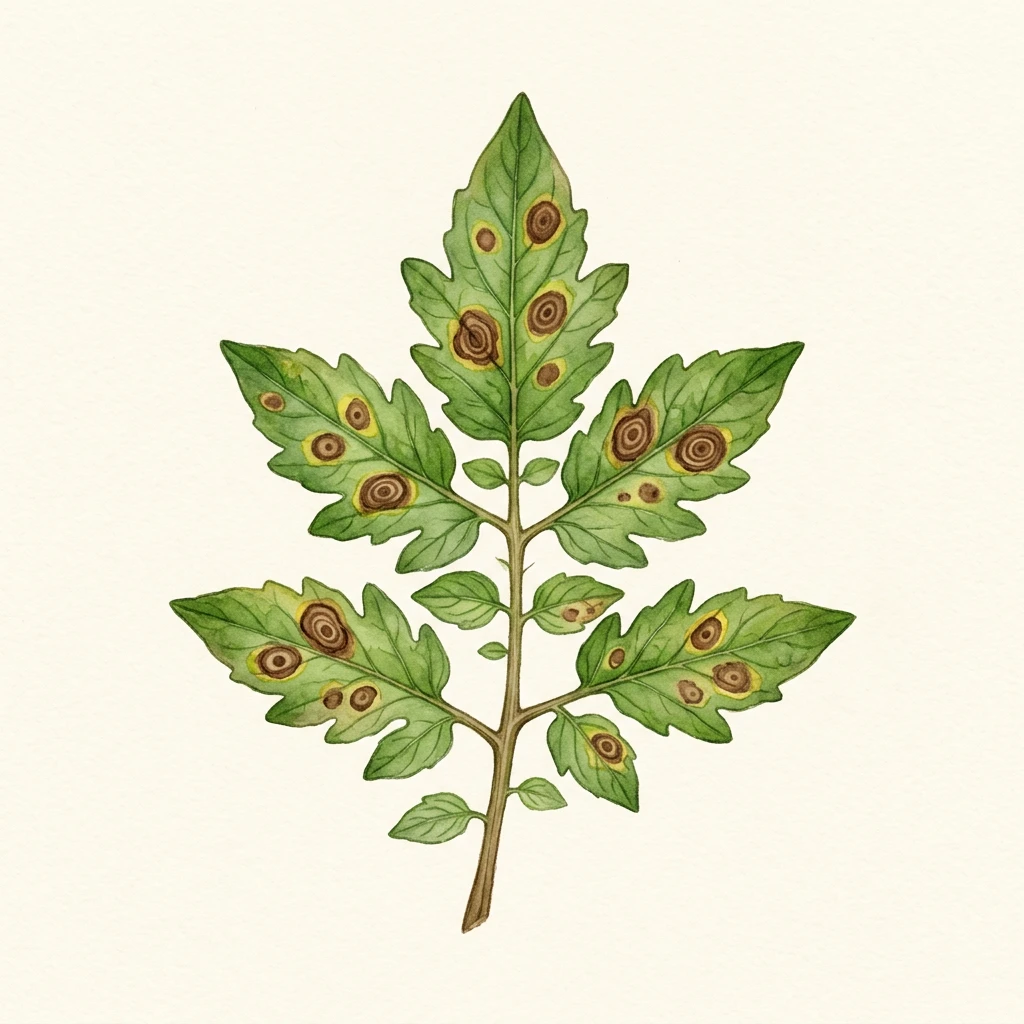
- Alternaria leaf spot. Brown spots with concentric rings on the older leaves in damp weather.
- Clubroot. Swollen, misshapen roots; the plant wilts in the sun and grows little. It appears in acid, waterlogged soils.
Warning signs
The plant wilts in full sun even though the soil is moist, and grows little.
Likely cause: Clubroot on the roots.
What to do: Pull up the plant with its roots and do not compost it; do not plant cabbages in that spot again for several years, and correct the acidity.
The lower leaves turn evenly yellow.
Likely cause: Lack of nitrogen.
What to do: Add compost or an organic fertiliser rich in nitrogen.
The heart does not close and stays loose.
Likely cause: Heat, lack of water or nutrients, or sowing at the wrong time of year.
What to do: Water regularly and feed; next time, adjust the sowing date.
Reference photos
When it moves on to the next stageIt is ready to harvest when the head is large and feels hard when squeezed.
Stage 5 · Year 1HarvestHarvest: Mar–MayLasts about 15–60 daysCabbage is harvested when the head is hard and firm. In winter it stands for several weeks on the plant without spoiling, so you can cut it as you need it.
Cabbage is harvested when the head is hard and firm. In winter it stands for several weeks on the plant without spoiling, so you can cut it as you need it.
Cabbages in the same bed do not mature at the same time; in winter they stand for weeks on the plant.
For this varietyThe Pointed spring cabbage profile gives about 90 days to the first harvest; treat it as a rough guide.
Temperature
min. -8°Cideal 5°C–18°Cmax. 25°CFrosts improve the flavour; cut in mid-morning, when the head is no longer frozen.
Moisture and watering
Water only if the soil is dry and avoid heavy watering after dry days, which splits the head.
How often: Occasional in winter.
Light · Full sun
At least 5 h of light
Full sun.
Nutrients
Mainly needs: no fertiliser
No feeding is needed at harvest time.
Jobs for this stage
- Cut the heads as they become hard, without waiting for all of them to be ready.
- With white and red cabbage, if you leave the stump with a few leaves, it sometimes resprouts with small edible heads.
Harvesting
When it is ready: Harvest when the head has reached the size typical of its variety and is hard when squeezed. Savoy and pointed cabbages form slightly less hard heads: cut them when they feel full and firm.
How to pick: Cut the head at the base with a sharp knife, leaving a few outer leaves to protect it, and remove any damaged wrapper leaves.
Time of day: Harvest in mid-morning, when the head is dry and has thawed.
Yield: As a guide, one head per plant, of 1 to 3 kg depending on the variety.
How to store: A whole cabbage keeps for several weeks in the fridge or somewhere cool and humid, and for months if stored at around 0 °C. Once cut, wrap the piece in a cloth or film and use it within a few days.
Common problems
- Caterpillars. Check inside the outer leaves when harvesting.
- Sclerotinia. Soft rot with white mould at the base of the head in damp weather.
Warning signs
The head splits and reveals the inner leaves.
Likely cause: It has carried on growing after rain or heavy watering following a dry spell.
What to do: Cut it as soon as possible; to hold the others back, twist the plant a quarter turn to break some of its roots.
Reference photos
When it moves on to the next stageThe cycle ends when the last head is cut; any left in the garden will bolt in spring.
Stage 6 · Year 1End of the cycleEnd of the cycle: Apr–JunLasts about 1–14 daysAfter the last harvest, cabbages leave the soil depleted and with remains that can harbour pests. It is a good idea to clear the stumps thoroughly and rotate to a crop from another family.
After the last harvest, cabbages leave the soil depleted and with remains that can harbour pests. It is a good idea to clear the stumps thoroughly and rotate to a crop from another family.
Jobs for this stage
- Pull up the stumps with their roots; chop them up for the compost heap if they are healthy and remove any with clubroot from the garden.
- Sow a crop from another family in their place, such as beans, peas or tomatoes, which appreciate the cool soil.
- Do not plant cabbages, broccoli, cauliflowers, turnips or radishes in the same place again for three or four years.
Common problems
- Clubroot. Its spores live in the soil for many years; a long rotation and a pH close to neutral are the best defence.
Warning signs
The roots of pulled cabbages have swellings.
Likely cause: Clubroot.
What to do: Do not compost those roots, and keep brassicas out of that bed for several years.
Second year: these stages are only needed if you want to save your own seed. Leave a few healthy plants in the ground after harvesting and they will overwinter and flower.
Stage 7 · Year 2 · only for seedSeeds and propagationSeeds and propagation: Jun–AugLasts about 50–75 daysCabbage is biennial: the head is harvested in the first year and it only flowers the following spring, after overwintering. In the second year, if you want seed, leave a few healthy plants in the ground: they flower in spring and the seed ripens in summer, from June to August in a temperate climate. It is possible, but it takes time, space and care with crossing, because all cabbages are the same species. Stored well it keeps for four to six years.
Cabbage is biennial: the head is harvested in the first year and it only flowers the following spring, after overwintering. In the second year, if you want seed, leave a few healthy plants in the ground: they flower in spring and the seed ripens in summer, from June to August in a temperate climate. It is possible, but it takes time, space and care with crossing, because all cabbages are the same species. Stored well it keeps for four to six years.
Seven to ten weeks from flower until the pods turn brown and dry.
Saving seed
When the seed is ripe: Leave a few healthy plants typical of the variety in the garden. In spring they send up a flower stem with yellow flowers and in summer they form thin pods; the seed is ripe when the pods turn from green to brown and rattle when shaken.
How to extract it: With very tight-headed cabbages, in early spring make a shallow cross-shaped cut in the top of the head to help the flower stem emerge. When the pods are dry, cut the branches, finish drying them on a sheet and rub or beat them inside a sack; then sieve and winnow away the chaff.
Drying: Spread the seed in a thin layer, in the shade and somewhere airy, for one or two weeks.
Storage: Store it in a paper envelope inside a tightly closed jar, labelled with the variety and the year, in a cool, dry, dark place.
The seed stays viable for about 4–6 years.
F1 hybrids: Many commercial cabbages are F1 hybrids, whose seeds do not produce plants identical to the parent. Save seed only from traditional or open-pollinated varieties.
Cross-pollination: Cabbages are pollinated by insects and need pollen from other plants, so you need to let at least five or six of the same variety flower. They cross with any other Brassica oleracea in flower, such as broccoli, cauliflower, kale, Brussels sprouts, collards or kohlrabi, and sources recommend keeping them several hundred metres apart, from about 250 to 800 m.
Reference photos
Sources and review
Reviewed on 4 November 2026. Approximate figures, written from these sources and the data in this profile.
- Royal Horticultural Society: Cabbages, grow your own
- University of Illinois Extension: Cabbage
- Utah State University Extension: Brassica, harvest and handling
- Utah State University Extension: Brassica, transplant production
- Seed Savers Exchange: How to grow and save cabbage seeds
- Ministerio de Agricultura, Pesca y Alimentación (MAPA, Spanish Ministry of Agriculture): Guía de gestión integrada de plagas de las brásicas (integrated pest management guide for brassicas)
- Vuelta al Huerto catalogue data (germination, calendar, tolerances and Visual harvest guide)
03Planting
Where and how to plant it
Sow the seed 1.2 cm deep; leave 40 cm between plants and 50 cm between rows.
40 cm between plants · 50 cm between rows
Seed at a depth of 1.2 cm; seedlings go in with the root ball level with the soil.
- In a square-foot bed
- 1 plant every 4 squares30 × 30 cm squares
- Transplanting
- Sep–Oct
- Seed tray
- Aug–Sep
- Germination
- ~10 days
- TipIt is sown at the end of summer, overwinters as a young plant and forms its head in spring.
04Care
Care through the year
Sun and aspectFull sun · 8 h of sun · shade in summer
- Too little sun
- Ideal range
- Plenty of sun
South or south-west, with nothing casting shade at midday
Strong sun: Loves full midday sun and high temperatures.
WateringMoist but never waterlogged · summer: every 2-3 days
- Summerevery 2-3 days2 L per plant/week
- Spring / Autumnevery 4-5 days1 L per plant/week
- Winterevery 2-3 weeks0.3 L per plant/week
Moist but never waterlogged: Water before the surface is completely dry. Never puddles. Mulch: straw or dry plant material cuts watering by 30-50 %.
When to water? Push your finger 3 cm into the soil next to the base of the plant:
- Damp: soil sticks to your finger. Do not water today. The moisture is fine.
- Cool but clean, no mud. Water early tomorrow if it stays like this, or this evening.
- Dry and dusty. Water now, and deeply. This is not where it likes to be.
- Common mistakeWatering in fits and starts or planting in full heat: they bolt, turn bitter or stay small.
Soil and feedingRich, airy loam
Rich, airy loam.
40 % topsoil · 40 % well-rotted compost · 20 % perlite or sand.
Medium: moist but never waterlogged.
This plant prefers a pH between 6.0 and 7.0 (slightly acidic to neutral).
- Well-rotted compost every season and well-decomposed manure in autumn.
- Mulch with straw or dry plant material to hold moisture and smother weeds.
- Rotate crops: do not grow the same family in the same spot two years running.
- Compacted soil or unbroken clay can halve the harvest.
- Watering with a hose from above compacts the soil: drip irrigation or watering at the base is better.
Common mistakes and tips
- TipCover with fine mesh from the start against flea beetles and cabbage caterpillars.
05Harvest
Harvesting and storing
Harvest in Mar–May; the first, about 90 days after sowing.
06Uses and health
What it is used for, and with what care
- Properties
- A tender, sweet cabbage, rich in vitamin C and fibre.
- Uses
- Raw in salads, sautéed or boiled; it cooks in a few minutes.
For guidance only; this is not medical treatment and does not replace advice from a doctor or vet.
07Companions and related plants
What to plant it with
Good companions
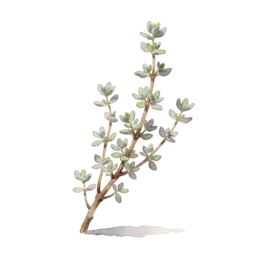
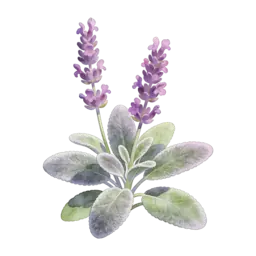
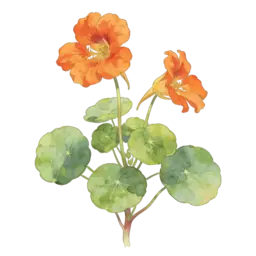
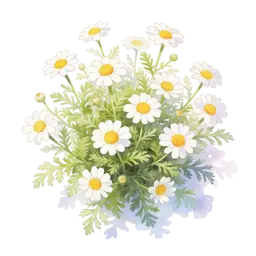
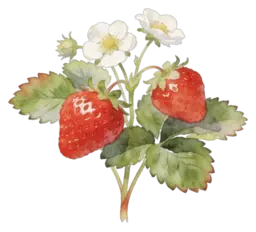
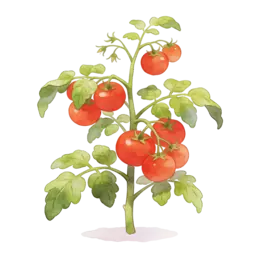
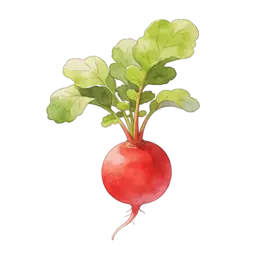
Group it in the same bedPlants with the same watering or the same sun
They are not essential companions, but you will not have to water or position them differently.
08Pests and diseases
Critters and ailments to keep an eye on
The most common ones on this plant. Tap one to see how to recognise it and what to do.
- Early blight (Alternaria)ModerateA fungus that causes dark spots with concentric rings (like a target) on leaves, stems and fruit
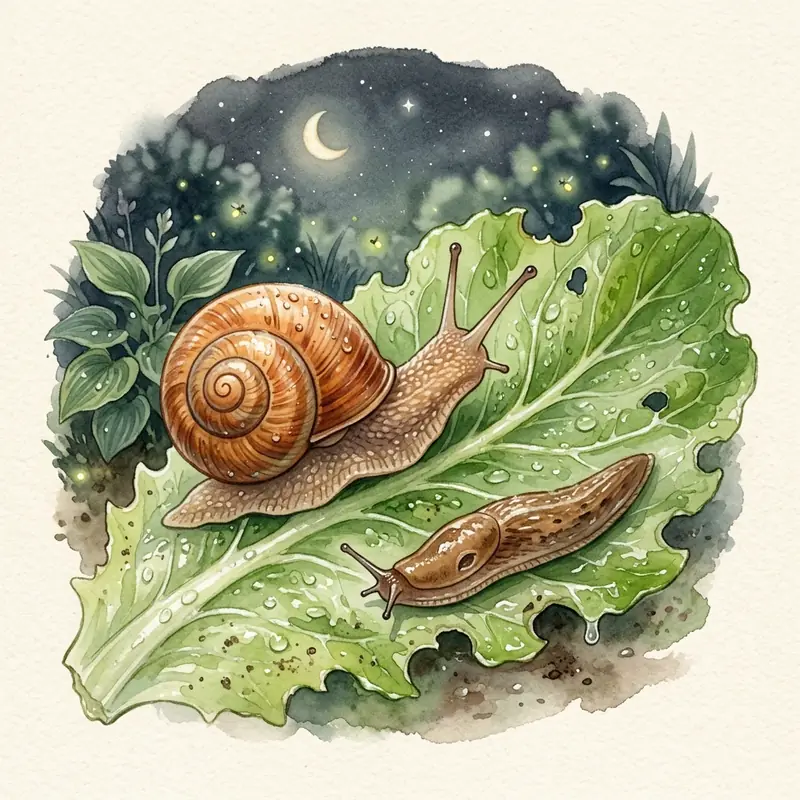
- Slugs and snailsModerateNight-feeding molluscs that devour tender leaves and seedlings, especially in damp weather
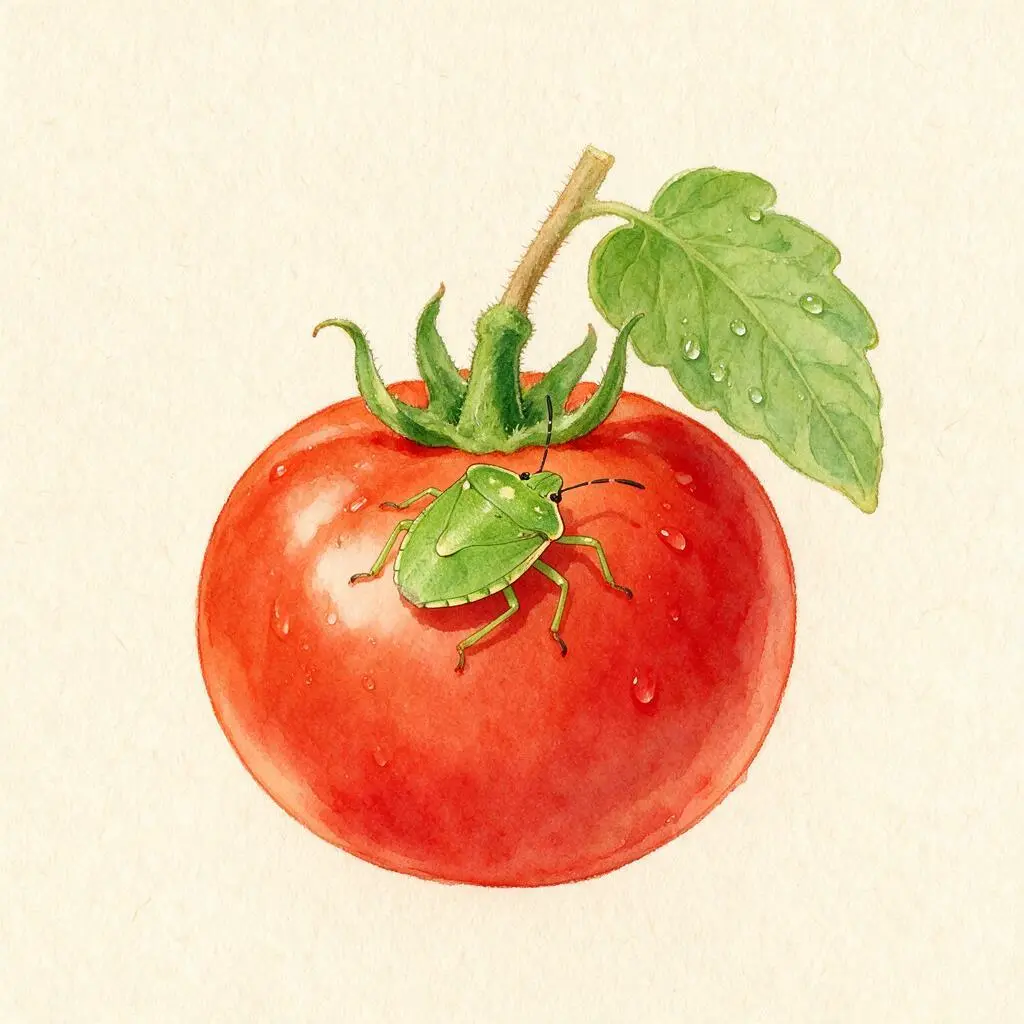
- Shield bugs and stink bugsModerateShield-shaped bugs, green or brightly patterned, that pierce fruit and leaves to suck the sap
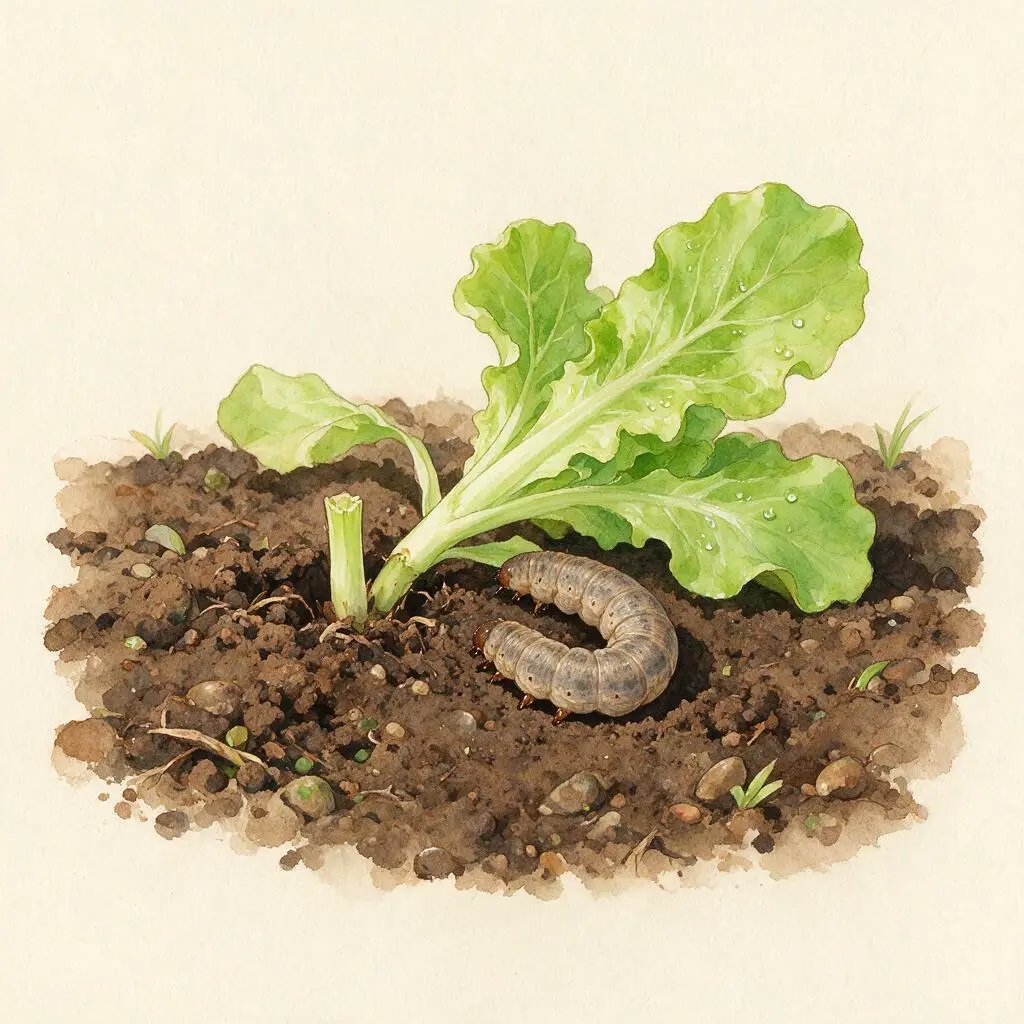
- CutwormsModerateFat, greyish, night-feeding caterpillars that cut seedlings off at the base, at ground level
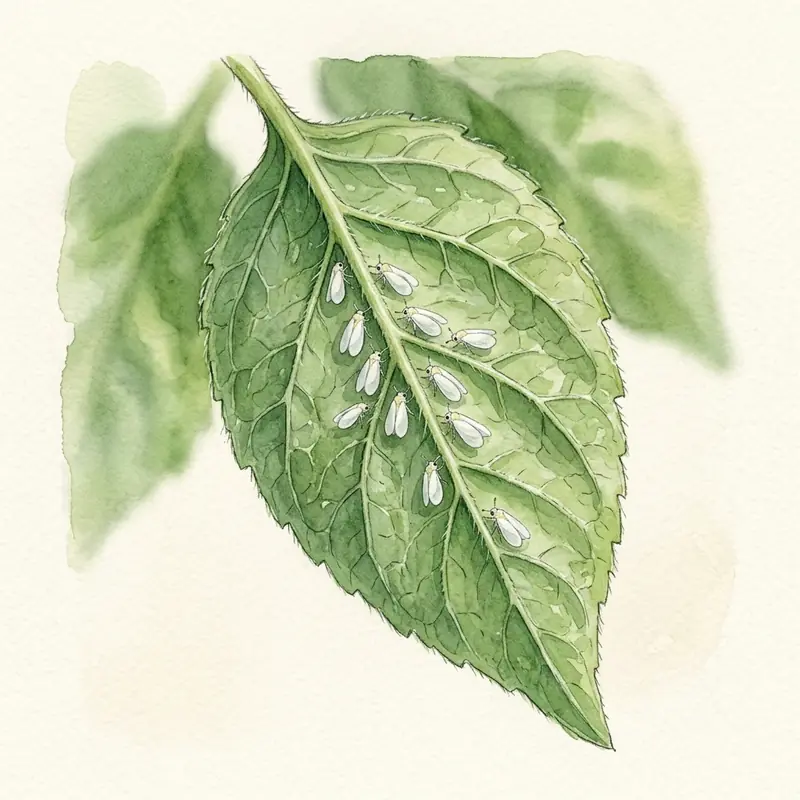
- WhiteflyModerateTiny white insects that fly up in a cloud when the plant is disturbed
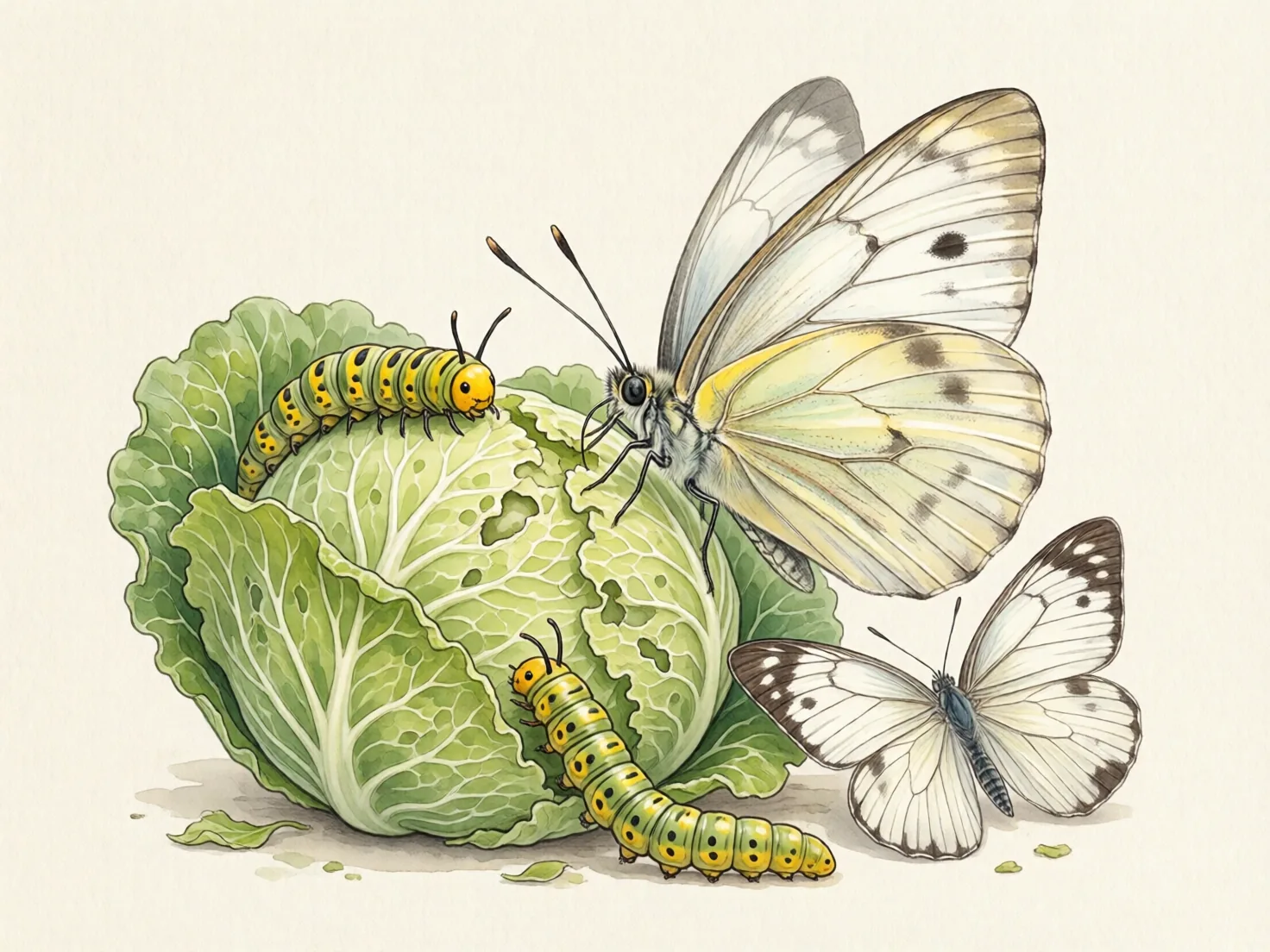
- Cabbage white caterpillars (large and small white butterflies)ModerateThe caterpillars of the cabbage white butterflies (Pieris brassicae and P
No known toxicity to people or pets
Edible, with no notable toxicity. In pets, large amounts eaten raw can cause wind; no risk at normal amounts.