
Credits and licences
- #1 — vueltaalhuerto illustration
- #2 — vueltaalhuerto illustration
- #3 — vueltaalhuerto illustration
- #4 — vueltaalhuerto illustration
- #5 — vueltaalhuerto illustration
- #6 — vueltaalhuerto illustration
- #7 — vueltaalhuerto illustration
- #8 — vueltaalhuerto illustration
- #9 — vueltaalhuerto illustration
- #10 — vueltaalhuerto illustration
- #11 — vueltaalhuerto illustration
- #12 — vueltaalhuerto illustration
- #13 — vueltaalhuerto illustration
- #14 — Forest and Kim Starr · CC BY 3.0 us see on Wikimedia
- #15 — Stefan.lefnaer · CC BY-SA 4.0 see on Wikimedia
Watermelon 'Sugar Baby'
and 1 more names
Citrullus lanatusWatermelon 'Sugar Baby' is sown in seed trays from March to April or directly outdoors from April to May, and planted out in May. It is harvested from August to September (about 90 days to the first harvest). Grow it in full sun, 120 cm apart, with plenty of watering. Dates are for a mild temperate climate in the northern hemisphere; the calendar below adjusts them to your zone.
What else to sow in March, April and May
Watermelon 'Sugar Baby', small and early, suitable for small vegetable gardens. It needs heat and warm soil. Water generously while the fruit swells and cut back as it ripens to concentrate the sugar.
Family and origin: Gourd family (Cucurbitaceae) · native to North-east Africa (Sudan) · More plants from Africa
01In your area
How will it do in your garden?
Year calendar
| Task | J | F | M | A | M | J | J | A | S | O | N | D |
|---|---|---|---|---|---|---|---|---|---|---|---|---|
| Seed trayMar–Apr | no | no | yes | yes | no | no | no | no | no | no | no | no |
| Direct sowingApr–May | no | no | no | yes | yes | no | no | no | no | no | no | no |
| Plant / transplantMay | no | no | no | no | yes | no | no | no | no | no | no | no |
| HarvestAug–Sep | no | no | no | no | no | no | no | yes | yes | no | no | no |
| FloweringJun–Jul | no | no | no | no | no | yes | yes | no | no | no | no | no |
Its life cycle at a glance
Swipe and tap a stage to see its details.
02Step by step
From seed to harvest, stage by stage
What the plant needs at each point in its life, from the seed to the harvest and on to the next seed. The figures are only a guide: your climate, your soil and the variety will shift them.
Approximate months for a temperate Spanish climate. Choose your zone in the calendar to adjust them.
Stage 1Seed and germinationSeed and germination: Mar–AprGerminates in 4–12 daysWatermelon needs even more warmth than melon to germinate. In well-warmed potting mix two thick, oval seed leaves appear within a few days, often still wearing the seed coat.
Watermelon needs even more warmth than melon to germinate. In well-warmed potting mix two thick, oval seed leaves appear within a few days, often still wearing the seed coat.
At 25-30 °C it comes up in four or five days; at 20 °C it can take almost two weeks.
Temperature
min. 16°Cideal 24°C–32°Cmax. 40°CBelow 20 °C it germinates slowly and the seed rots easily.
Moisture and watering
Water once at sowing and then keep the potting mix barely moist. Too much water combined with too little warmth is the most common cause of failure.
How often: Every two or three days, depending on how quickly the surface dries out.
Light · Not important
It needs no light to germinate, but as soon as it comes up it should get as much light as possible.
Container · Pot
0.3–0.5 L
Best sown straight into individual 8-10 cm pots, with one or two seeds placed on edge about 2 cm deep, because watermelons do not like having their roots disturbed.
Potting mix or soil
pH 6–7
Use a light, sandy, free-draining seed compost with no strong fertiliser.
Nutrients
Mainly needs: no fertiliser
It needs no fertiliser at this stage.
Protection
- In March and April germinate it indoors or with a heat mat under the pots, above 24 °C.
Common problems
- Damping-off fungi (collar rot). Seedlings keel over at the base in cold, waterlogged potting mix.
Warning signs
The seeds do not come up and are soft when you dig them up.
Likely cause: They have rotted from cold and too much water.
What to do: Sow again somewhere above 24 °C and water less until they come up.
The seedling cannot shake off the seed coat.
Likely cause: The surface of the potting mix was too dry or the seed was sown too shallow.
What to do: Moisten the seed coat with a mister and remove it very carefully if it is still stuck the next day.
Reference photos
When it moves on to the next stageMove on to the seed tray stage when the seed leaves have opened and the first true leaf appears, already lobed like that of the adult plant.
Stage 2Seed tray and young plantsSeed tray and young plants: Mar–MayLasts about 20–35 daysWatermelon seedlings need constant warmth and plenty of light. They grow fast and are best not kept in the pot too long, because the roots soon start to circle.
Watermelon seedlings need constant warmth and plenty of light. They grow fast and are best not kept in the pot too long, because the roots soon start to circle.
Three to five weeks from germination.
Temperature
min. 16°Cideal 22°C–30°Cmax. 34°CNights below 15 °C stop its growth and turn the leaves yellow.
Moisture and watering
Water when the top layer feels dry to the touch, soaking the pot and letting the excess drain away.
How often: Every two or three days.
Light · Full sun
10–14 h of light
It needs plenty of light to grow compact; with too little it stretches and the stem weakens.
Container · Pot
0.5–1 L
An individual 8-10 cm pot, or a biodegradable fibre pot, so it can be planted without breaking the roots.
Potting mix or soil
Multipurpose potting mix lightened with a little sand or perlite and a little sieved compost.
Nutrients
Mainly needs: no fertiliser
It does not usually need feeding, because it spends little time in the pot.
Jobs for this stage
- Leave a single seedling per pot, snipping off the others at soil level with scissors.
- Put the pots outside during the mild hours of the day so they harden off gradually.
Common problems
- Damping-off fungi. They are still a danger in cold, constantly damp potting mix.
- Aphids. They settle on the undersides of tender leaves, especially in a greenhouse.
Warning signs
The leaves turn yellow and roots poke out of the drainage holes.
Likely cause: The plant has outgrown its pot.
What to do: Transplant it as soon as possible, or move it to a larger pot if it is still cold outside.
Reference photos
When it moves on to the next stageIt is ready to harden off when it has two or three true leaves and the roots hold the root ball together without having filled it completely.
Stage 3Hardening off and transplantingHardening off and transplanting: MayLasts about 7–10 daysBefore going out into the garden, the plant must gradually get used to sun and wind. Watermelon is planted once the soil is warm and with plenty of space around it, because its vines spread several metres.
Before going out into the garden, the plant must gradually get used to sun and wind. Watermelon is planted once the soil is warm and with plenty of space around it, because its vines spread several metres.
About a week of hardening off before planting out.
Temperature
min. 14°Cideal 20°C–30°Cmax. 36°CTransplant when nights stay above 15 °C and the soil is above 18-20 °C.
Moisture and watering
Water the root ball thoroughly before planting and again straight afterwards, so the soil settles around the roots.
How often: For the first few days, every day or every other day if it is hot.
How much: About 2 L per plant at planting.
Light · Full sun
At least 8 h of light
Full sun, with at least eight hours of direct sun; with less, the fruit is small and not very sweet.
Container · Straight into the ground
40–60 L
In a bed or in open ground, with about 120 cm between plants and 150-180 cm between rows. Only small varieties, such as Sugar Baby, can be tried in a large container of at least 40 L.
Potting mix or soil
pH 6–7
It prefers loose, sandy or loamy, deep, well-drained soil with organic matter. Mix two spadefuls of well-rotted compost into the planting hole.
Nutrients
Mainly needs: nitrogen (N), phosphorus (P)
The compost in the planting hole is enough for the first few weeks; avoid fresh manure near the roots.
What with: well-rotted compost, well-rotted manure
Protection
- If cool nights are forecast after planting, cover the plants with horticultural fleece or a plastic tunnel.
- A mulch of straw or dark plastic warms the soil and keeps the fruit clean.
Jobs for this stage
- Plant without breaking the root ball and slightly raised, on a small ridge, so the collar does not sit in water.
- Mulch around the plant once the soil has warmed up.
Common problems
- Slugs and snails. They nibble newly planted plants, especially after rain or watering.
- Cutworms. They cut through the stems of young plants at ground level at night.
Warning signs
The plant wilts in the sunny hours for the first few days.
Likely cause: It is transplant stress, worse if the roots were damaged.
What to do: Give it light shade for a few days and keep the soil moist.
The leaves turn yellow and the plant does not grow after planting.
Likely cause: The soil or the nights are still cold.
What to do: Cover it with a tunnel or horticultural fleece until the warm weather arrives.
Reference photos
When it moves on to the next stageIt has taken when, a few days later, it puts out new leaves and starts to run its vines along the ground.
Stage 4GrowthGrowth: JunLasts about 25–40 daysIn the heat, the watermelon runs its vines and covers the ground with deeply cut leaves. This is the stage for regular watering at the base, mulching and arranging the vines so air can circulate.
In the heat, the watermelon runs its vines and covers the ground with deeply cut leaves. This is the stage for regular watering at the base, mulching and arranging the vines so air can circulate.
Four to six weeks from transplanting to the first female flowers.
Temperature
min. 14°Cideal 22°C–32°Cmax. 40°CBelow 14 °C it stops growing; it loves the heat if it has water.
Moisture and watering
Water at the base without wetting the leaves, and keep the soil moist deep down. Deep, widely spaced watering is better than lots of short waterings.
How often: Every two or three days in hot weather.
How much: As a rough guide, 4-6 L per plant each time.
Light · Full sun
8–12 h of light
It needs full sun all day, in an open spot with no shade.
Potting mix or soil
Keep the soil mulched so it holds moisture and keeps weeds down.
Nutrients
Mainly needs: nitrogen (N)
It needs nitrogen to form its vines, but in moderation: too much gives lots of leaf and fruit that is not very sweet.
How often: Every three or four weeks.
What with: compost, diluted nettle feed, worm castings
Protection
- Mulch with straw to hold soil moisture through the summer.
Jobs for this stage
- Arrange the vines so they do not pile up and air can circulate.
- Pull weeds by hand while the plant has not yet covered the ground.
Common problems
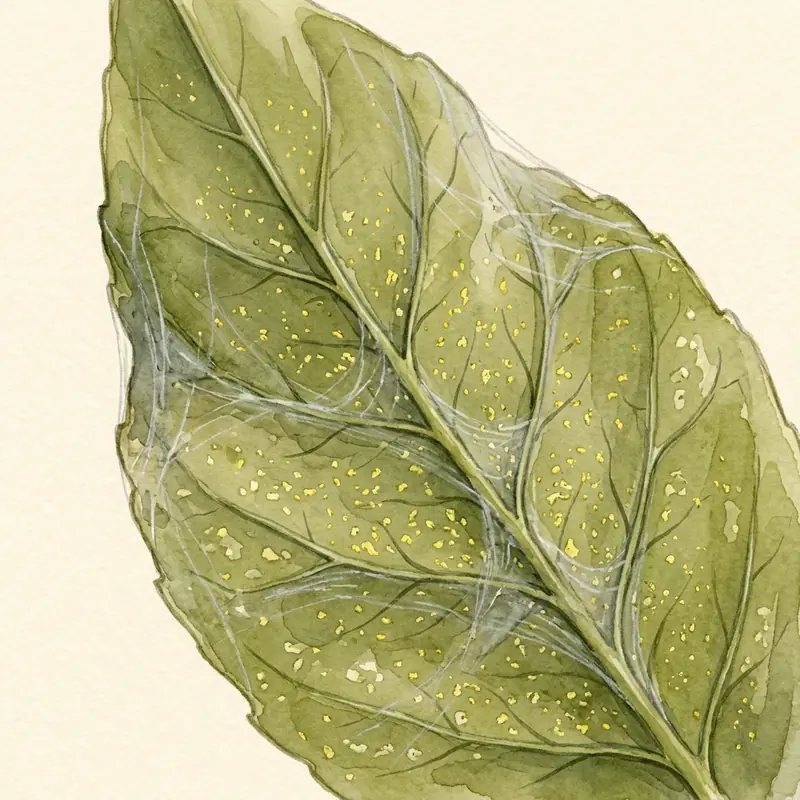
- Red spider mite. Very common on watermelon in hot, dry weather; leaves with tiny yellow speckles and fine webbing underneath.
- Aphids. Colonies on the undersides of young leaves, which become crinkled; they also spread viruses.
- Powdery mildew. A white powder on the leaves from midsummer onwards.
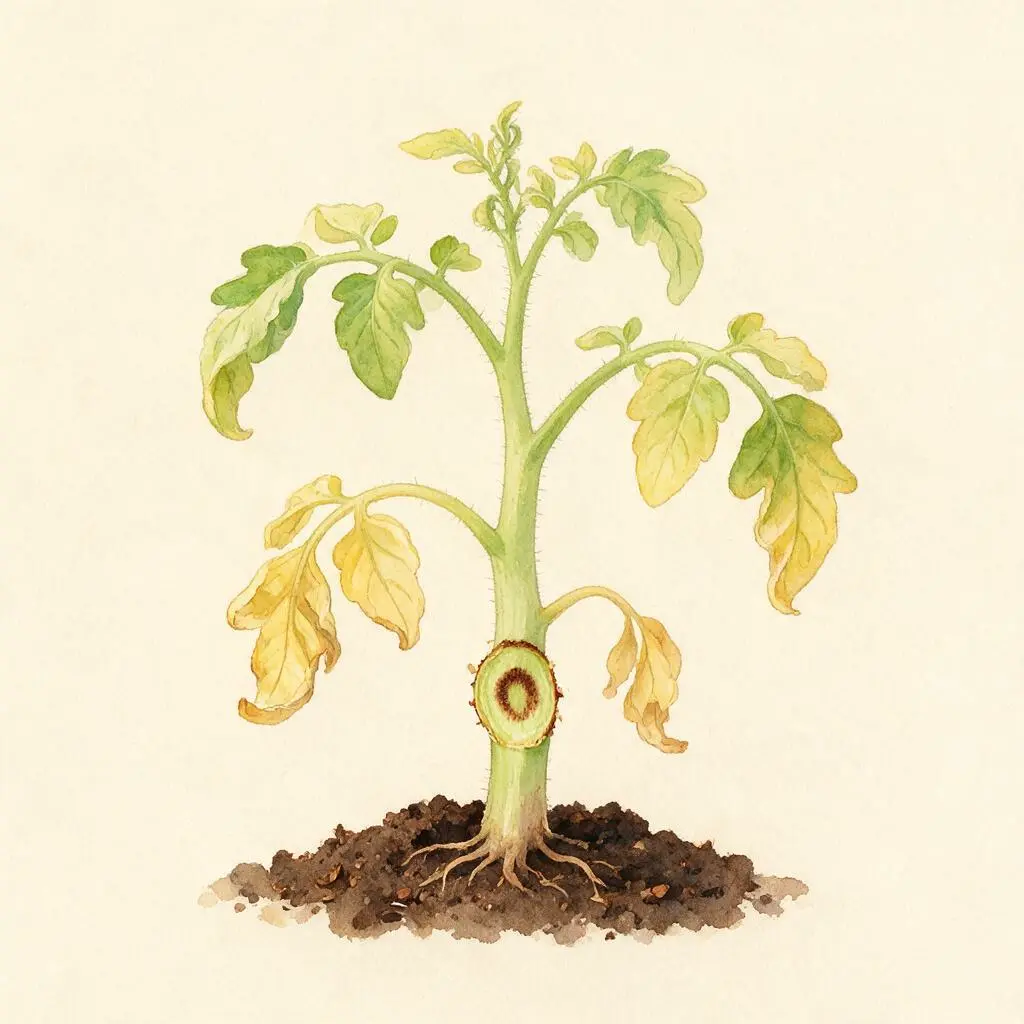
- Fusarium wilt. The plant suddenly wilts even though the soil is moist; the fungus lives in the soil.
Warning signs
The leaves fill with tiny yellow speckles and dry out.
Likely cause: Red spider mite, encouraged by hot, dry weather.
What to do: Dampen the area around the plant frequently, without waterlogging, and check the undersides of the leaves.
A vine or the whole plant wilts and does not recover in the evening.
Likely cause: It may be fusarium wilt or another soil-borne fungus.
What to do: Pull up the plant and do not grow cucurbits in that spot again for years; in soils with this problem, use grafted plants.
Reference photos
When it moves on to the next stageMove on to flowering when the female flowers open, each with a tiny hairy watermelon behind it.
Stage 5Flowering and fruit setFlowering and fruit set: Jun–JulLasts about 10–25 daysWatermelon produces male and female flowers, small and pale yellow. Bees carry the pollen in the morning, and each female flower needs many visits to form a well-shaped watermelon.
Watermelon produces male and female flowers, small and pale yellow. Bees carry the pollen in the morning, and each female flower needs many visits to form a well-shaped watermelon.
The first flowers are usually male; the female ones appear one or two weeks later.
Temperature
min. 16°Cideal 22°C–32°Cmax. 38°CWith cool nights or extreme heat there are few bees and many flowers fail to set.
Moisture and watering
Keep moisture steady during fruit set; thirst at this stage makes the small fruits drop.
How often: Every two or three days in hot weather.
How much: As a rough guide, 4-6 L per plant each time.
Light · Full sun
At least 8 h of light
It still needs full sun, with no shade from other crops taking its light.
Nutrients
Mainly needs: potassium (K)
From flowering onwards it wants more potassium and less nitrogen.
How often: Every three weeks.
What with: compost, sieved wood ash (in moderation), organic fertiliser for fruiting vegetables
Protection
- Sow flowers nearby, such as calendula or borage, to attract pollinators.
Jobs for this stage
- If you see few bees, hand-pollinate in the morning by touching the centre of a female flower with a freshly opened male one.
- Leave two or three watermelons per plant on large varieties, and a few more on small ones, and remove the surplus fruit.
Common problems
Warning signs
The small watermelons shrivel and drop off.
Likely cause: Poor pollination, thirst or too many fruits at once.
What to do: Hand-pollinate, water regularly and thin out the fruit.
The fruits are misshapen, narrower at one end.
Likely cause: Incomplete pollination.
What to do: Attract more pollinators or help with hand pollination.
Reference photos
When it moves on to the next stageWhen the female flower withers and the small watermelon behind it keeps swelling, it has set.
Stage 6Swelling, ripening and harvestSwelling, ripening and harvest: Aug–SepLasts about 35–60 daysThe fruits swell with watering and then ripen with less water and plenty of sun. Watermelon does not ripen once cut, so you need to recognise the right moment to harvest on the plant itself.
The fruits swell with watering and then ripen with less water and plenty of sun. Watermelon does not ripen once cut, so you need to recognise the right moment to harvest on the plant itself.
Each watermelon takes five to eight weeks from setting.
For this varietyThe Watermelon 'Sugar Baby' profile gives about 90 days to the first harvest; treat it as a rough guide.
Temperature
min. 16°Cideal 22°C–32°Cmax. 40°CHeat and sun during ripening give sweeter watermelons.
Moisture and watering
Water generously while they swell and cut back on water in the last two or three weeks, so they gain sugar and do not split.
How often: Every two or three days while swelling; less often during ripening.
How much: As a rough guide, 4-6 L per plant each time while swelling, and less while ripening.
Light · Full sun
At least 8 h of light
Full sun, with some shade from the plant's own leaves over the fruit.
Nutrients
Mainly needs: potassium (K)
A little potassium helps while the fruit swells; during ripening no more feeding is needed.
How often: Once or twice while the fruit swells.
What with: compost, organic fertiliser rich in potassium
Protection
- Place straw or a board under each watermelon so it does not rot in contact with damp soil.
- During heatwaves, cover the most exposed fruit with straw so they do not scorch.
Jobs for this stage
- Check the fruit every two or three days as the time approaches.
- Note down the date each watermelon set so you know when to start watching it.
Harvesting
When it is ready: It is ripe when several signs coincide: the spot where it rests on the ground turns from white to creamy yellow, the tendril nearest the stalk dries up and the skin loses its shine. The sound when you tap it is only an extra clue.
How to pick: Cut the stalk with secateurs or a knife, leaving a few centimetres of stem. Do not pull or twist the fruit, so as not to damage the plant.
Time of day: Pick first thing in the morning, while the fruit is cool.
Yield: As a rough guide, 2 to 4 fruits per plant on large varieties, and a few more on small ones, depending on the climate and the care given.
How to store: Whole, it keeps for one to three weeks in a cool, shady place. Once cut, keep it covered in the fridge and eat it within a few days.
Common problems
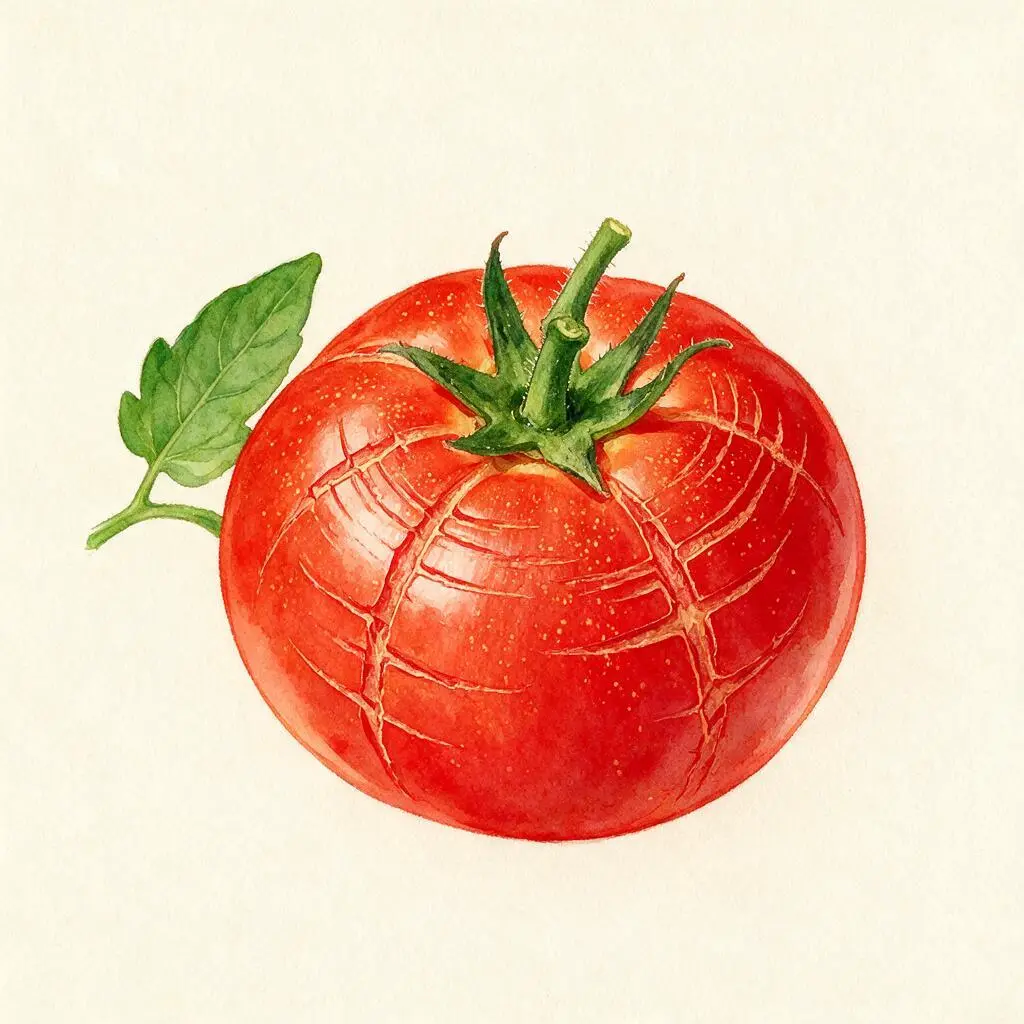
- Fruit splitting. The rind cracks after heavy watering or rain following dry days.
- Sunscald. A whitish patch on the side of the fruit exposed to the sun when the plant loses leaves.
- Red spider mite. If it dries the leaves out early, the watermelons ripen poorly and are not very sweet.
Warning signs
The watermelon is ripe but pale or not very sweet inside.
Likely cause: It was cut too early, or there was too little sun and too much water during ripening.
What to do: Wait until several ripeness signs coincide and cut back watering in the last few weeks.
The fruits split.
Likely cause: Irregular watering or heavy rain after a dry spell.
What to do: Water steadily and moderately during ripening.
Reference photos
When it moves on to the next stageThe cycle ends when the fruit has been picked and the exhausted plant starts to dry out.
Stage 7End of the cycleEnd of the cycle: Sep–OctLasts about 7–21 daysAfter harvest the plant becomes exhausted and starts to dry out. It is time to remove it and prepare the soil for the next crop.
After harvest the plant becomes exhausted and starts to dry out. It is time to remove it and prepare the soil for the next crop.
Jobs for this stage
- Pick all usable fruit before the first cold autumn rains.
- Pull up the plants and compost them if they are healthy; not those with fusarium wilt.
- Sow a green manure or a winter crop from another family, such as broad beans, garlic or cabbages.
- Do not plant watermelons, melons, cucumbers or squashes in the same place again for three or four years.
Common problems
- Fusarium wilt. If you have had it, remove the roots thoroughly and keep that spot free of cucurbits for several years.
Warning signs
The last watermelons do not ripen.
Likely cause: They set too late and lack warmth.
What to do: Remove them so they do not exhaust the plant; next time remove the flowers that appear at the end of summer.
Stage 8Seeds and propagationSeeds and propagation: Aug–SepLasts about 45–65 daysWatermelon seed comes from the same ripe fruit you eat, in summer, with the harvest, so it is easy to save. You only need to make sure the variety is not a hybrid and has not crossed with another watermelon nearby.
Watermelon seed comes from the same ripe fruit you eat, in summer, with the harvest, so it is easy to save. You only need to make sure the variety is not a hybrid and has not crossed with another watermelon nearby.
From fruit set until the watermelon is ripe takes six to eight weeks, and the seed then needs one or two weeks to dry.
Saving seed
When the seed is ripe: Choose a watermelon from a healthy plant that is typical of its variety, fully ripened on the plant. If you leave it indoors for one or two more weeks before cutting it, the seed finishes ripening.
How to extract it: As you eat it, set aside the dark, well-formed seeds, wash them in a sieve, rubbing them to remove the pulp, and discard any white or empty ones.
Drying: Spread them in a thin layer on a plate or rack, in an airy, shady place, for one or two weeks, until they are hard and loose.
Storage: Store them in a paper envelope or a tightly closed jar, labelled with the name and year, in a cool, dry, dark place.
The seed stays viable for about 4–6 years.
F1 hybrids: Many commercial watermelons are F1 hybrids, and seedless watermelons are sterile and give no usable seed. Only save seed from open-pollinated varieties, such as traditional Crimson Sweet or Sugar Baby.
Cross-pollination: Watermelon varieties cross easily with one another through bees, though not with melon or cucumber. To save pure seed grow a single variety, separate varieties by several hundred metres, or hand-pollinate and tape the female flower shut until it withers.
Other ways to propagate
Grafting: In commercial growing, watermelon is almost always grafted onto squash rootstocks, which resist soil-borne fungi and give more vigorous plants. In a home garden it is simpler to buy grafted plants if your soil has fusarium wilt.
Reference photos
Sources and review
Reviewed on 4 November 2026. Approximate figures, written from these sources and the data in this profile.
- Oregon State University Extension: soil temperature and vegetable seed germination
- Utah State University Extension: How to grow watermelon in your garden
- Penn State Extension: Watermelon Production
- Suzanne Ashworth: Seed to Seed (Seed Savers Exchange), chapter on cucurbits
- J. V. Maroto: Horticultura herbácea especial (Mundi-Prensa), chapter on watermelon
- Vuelta al Huerto catalogue data (germination, calendar, tolerances and Visual harvest guide)
03Planting
Where and how to plant it
Sow the seed 2.5 cm deep; leave 1.2 m between plants and 1.8 m between rows.
1.2 m between plants · 1.8 m between rows
Seed at a depth of 2.5 cm; seedlings go in with the root ball level with the soil.
- In a square-foot bed
- 1 plant every 16 squares30 × 30 cm squares
- Transplanting
- May
- Seed tray
- Mar–Apr
- Direct sowing
- Apr–May
- Common mistakePlanting too close together cuts down air flow and encourages fungal disease.
04Care
Care through the year
Sun and aspectFull sun · 8 h of sun · South or south-west, with nothing casting shade at midday
- Too little sun
- Ideal range
- Plenty of sun
South or south-west, with nothing casting shade at midday
Strong sun: Loves full midday sun and high temperatures.
WateringConstantly moist · summer: daily or every 2 days above 30 °C
- Summerdaily or every 2 days above 30 °C3.5 L per plant/week
- Spring / Autumnevery 3-4 days1.6 L per plant/week
- Winterevery 2 weeks if dry0.4 L per plant/week
Constantly moist: The soil should always feel cool and damp. Ideal with mulch and drip irrigation. Mulch: straw or dry plant material cuts watering by 30-50 %.
When to water? Push your finger 2 cm into the soil next to the base of the plant:
- Damp: soil sticks to your finger. Do not water, although for this plant it is just right — check again tomorrow.
- Cool but clean, no mud. Water today: it likes to stay constantly moist.
- Dry and dusty. Water urgently and add mulch to hold in moisture.
- TipWater often but without waterlogging.
- TipThe watermelon is ripe when the tendril nearest the fruit dries up and the patch resting on the ground turns from white to yellow.
- Common mistakeWatering in fits and starts (bone dry, then waterlogged) splits the fruit and leaves flowers that fail to set.
Soil and feedingRich, airy loam
Rich, airy loam.
40 % topsoil · 40 % well-rotted compost · 20 % perlite or sand.
Medium: moist but never waterlogged.
This plant prefers a pH between 6.0 and 7.0 (slightly acidic to neutral).
- Well-rotted compost every season and well-decomposed manure in autumn.
- Mulch with straw or dry plant material to hold moisture and smother weeds.
- Rotate crops: do not grow the same family in the same spot two years running.
- Compacted soil or unbroken clay can halve the harvest.
- Watering with a hose from above compacts the soil: drip irrigation or watering at the base is better.
- TipSow in a heated seed tray and transplant when the soil is warm and there is no longer any risk of cold.
- TipDig compost into the soil before planting and keep watering regular so growth never stalls.
05Harvest
Harvesting and storing
Harvest in Aug–Sep; the first, about 90 days after sowing.
- TipHarvest often: the more you pick, the more the plant produces.
06Uses and health
What it is used for, and with what care
- Properties
- Very hydrating, with lycopene, and low in calories.
- Uses
- Fresh fruit.
For guidance only; this is not medical treatment and does not replace advice from a doctor or vet.
07Companions and related plants
What to plant it with
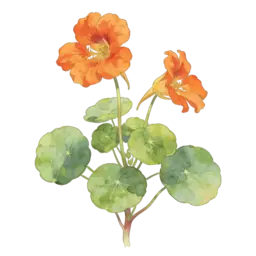
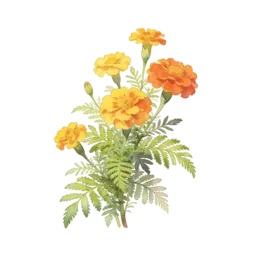
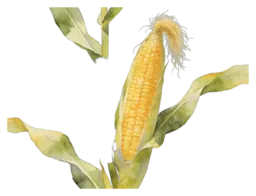
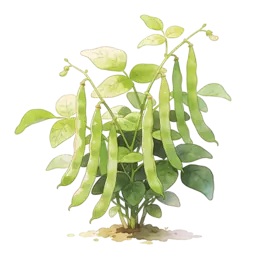

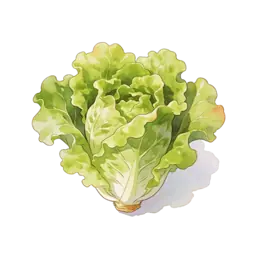
Keep apart
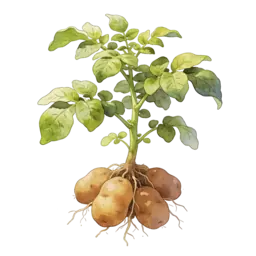
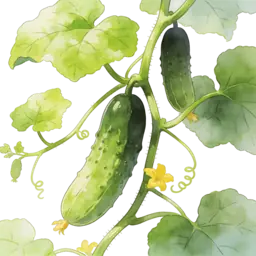
Group it in the same bedPlants with the same watering or the same sun
They are not essential companions, but you will not have to water or position them differently.
Same watering · Lots of water
Compare with similar varieties
| Variety | Sowing | Harvest | Days | Spacing | Difficulty |
|---|---|---|---|---|---|
| Watermelon 'Crimson Sweet' | Mar–May | Jul–Sep | ~90 | 120 cm | Moderate |
| Watermelon 'Sugar Baby' | Mar–May | Aug–Sep | ~90 | 120 cm | Difficult |
| Black watermelon | Mar–May | Jul–Sep | ~90 | 120 cm | Moderate |
08Pests and diseases
Critters and ailments to keep an eye on
The most common ones on this plant. Tap one to see how to recognise it and what to do.
- Red spider miteSeriousA minute, almost invisible mite that settles on the undersides of leaves in hot, dry weather
- Fusarium wiltSeriousA soil fungus that blocks the plant's water-conducting vessels
- Fruit splittingMildConcentric or radial cracks in the skin of the fruit caused by taking up water suddenly after a dry spell
No known toxicity to people or pets
Not toxic; remove the seeds and rind if you give it to a pet.