
Credits and licences
- #1 — vueltaalhuerto illustration
- #2 — vueltaalhuerto illustration
- #3 — vueltaalhuerto illustration
- #4 — vueltaalhuerto illustration
- #5 — vueltaalhuerto illustration
- #6 — vueltaalhuerto illustration
- #7 — vueltaalhuerto illustration
- #8 — vueltaalhuerto illustration
- #9 — vueltaalhuerto illustration
- #10 — vueltaalhuerto illustration
- #11 — vueltaalhuerto illustration
- #12 — vueltaalhuerto illustration
- #13 — Алексей Кабанов · CC BY-SA 4.0 see on Wikimedia
- #14 — Stefan.lefnaer · CC BY-SA 4.0 see on Wikimedia
Rocket
and 1 more names
Eruca sativaRocket is sown directly outdoors from February to May and from September to October. It is harvested from March to June and from October to November (about 30 days to the first harvest). Grow it in sun or partial shade, 15 cm apart, with moderate watering. Dates are for a mild temperate climate in the northern hemisphere; the calendar below adjusts them to your zone.
What else to sow in February, March, April, May, September and October
Fast-growing rocket with a peppery flavour. In hot weather it bolts straight away, so sow it in cool seasons, a little and often. It needs regular watering; its flowers are edible too.
Family and origin: Cabbage family (Brassicaceae) · native to Eastern Mediterranean · More plants from Mediterranean basin
01In your area
How will it do in your garden?
Year calendar
| Task | J | F | M | A | M | J | J | A | S | O | N | D |
|---|---|---|---|---|---|---|---|---|---|---|---|---|
| Direct sowingFeb–May, Sep–Oct | no | yes | yes | yes | yes | no | no | no | yes | yes | no | no |
| HarvestMar–Jun, Oct–Nov | no | no | yes | yes | yes | yes | no | no | no | yes | yes | no |
Its life cycle at a glance
Swipe and tap a stage to see its details.
02Step by step
From seed to harvest, stage by stage
What the plant needs at each point in its life, from the seed to the harvest and on to the next seed. The figures are only a guide: your climate, your soil and the variety will shift them.
Approximate months for a temperate Spanish climate. Choose your zone in the calendar to adjust them.
Stage 1Direct sowing and germinationDirect sowing and germination: Feb–May, Sep–OctGerminates in 2–8 daysRocket is one of the fastest crops in the garden: it is sown directly in the bed or in a trough and comes up in a few days. It is best to sow little and often, in spring and autumn.
Rocket is one of the fastest crops in the garden: it is sown directly in the bed or in a trough and comes up in a few days. It is best to sow little and often, in spring and autumn.
In warm soil it comes up in three or four days; in the cold, in a week.
Temperature
min. 4°Cideal 15°C–24°Cmax. 30°CIt germinates easily over a wide temperature range, but in hot weather the young plant bolts straight away.
Moisture and watering
Keep the soil moist with a fine-rosed watering can until the seedlings come up.
How often: Every one or two days if it does not rain.
Light · Not important
It needs no light to germinate.
Container · Straight into the ground
Sow thinly in rows 15-20 cm apart, about 5 mm-1 cm deep, or broadcast in a trough at least 15 cm deep.
Potting mix or soil
pH 6–7.5
It prefers loose, moisture-retentive soil with some organic matter.
Nutrients
Mainly needs: no fertiliser
It needs no fertiliser to germinate.
Protection
- If flea beetle is common in your garden, cover the sowing with insect-proof mesh from day one.
Common problems
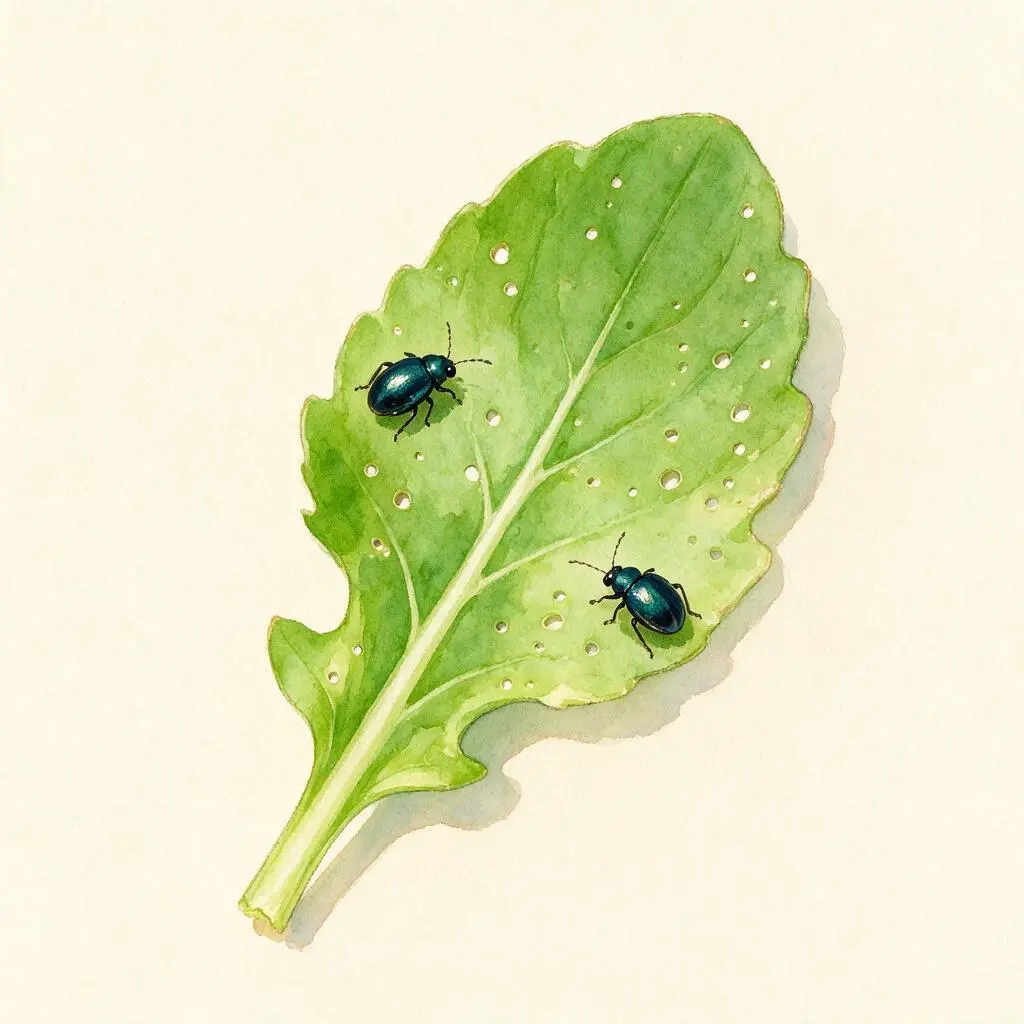
- Flea beetle. It nibbles the seed leaves and first leaves as soon as they emerge and can ruin a sowing in a few days.
Warning signs
The newly emerged seedlings become riddled with tiny holes.
Likely cause: Flea beetle, especially in dry, sunny weather.
What to do: Cover with insect-proof mesh and keep the soil moist, because flea beetles prefer dry soil.
Reference photos
When it moves on to the next stageMove on to the growing stage when it has opened its two heart-shaped seed leaves and the first true leaf is showing.
Stage 2Rosette growthRosette growth: Feb–Jun, Sep–NovLasts about 18–35 daysWithin a few weeks rocket forms a rosette of lobed leaves with a peppery flavour. It grows best in cool weather with regular watering; in heat and drought the leaves become hotter and the plant bolts very early.
Within a few weeks rocket forms a rosette of lobed leaves with a peppery flavour. It grows best in cool weather with regular watering; in heat and drought the leaves become hotter and the plant bolts very early.
Three to five weeks from germination to the first leaves of a useful size.
Temperature
min. -2°Cideal 10°C–20°Cmax. 26°CIt withstands light frosts; above 24-26 °C and with long days it bolts straight away.
Moisture and watering
Water little and often so the soil never dries out; thirst toughens the leaves and brings on bolting.
How often: Every two or three days in spring and autumn; daily in hot weather.
How much: As a rough guide, 2 to 4 L per square metre each time.
Light · Partial shade
4–8 h of light
Sun in autumn, winter and early spring; partial shade as soon as the heat builds.
Container · Straight into the ground
Thin out to about 10-15 cm between plants if you want large leaves, or less if you grow it for baby leaves.
Potting mix or soil
Keep the soil weeded and lightly mulched so it holds moisture.
Nutrients
Mainly needs: no fertiliser
It is undemanding; the compost from the previous crop is usually enough. Too much nitrogen makes the leaves soft.
Protection
- Tightly sealed insect-proof mesh protects against flea beetle and diamondback moth.
- In late spring, shade netting delays bolting.
Jobs for this stage
- Thin out and use the small plants you remove in salads.
- Sow another batch every two or three weeks for a continuous supply of tender leaves.
Common problems
- Flea beetle. Small round holes in the leaves; it is the most typical pest of rocket.
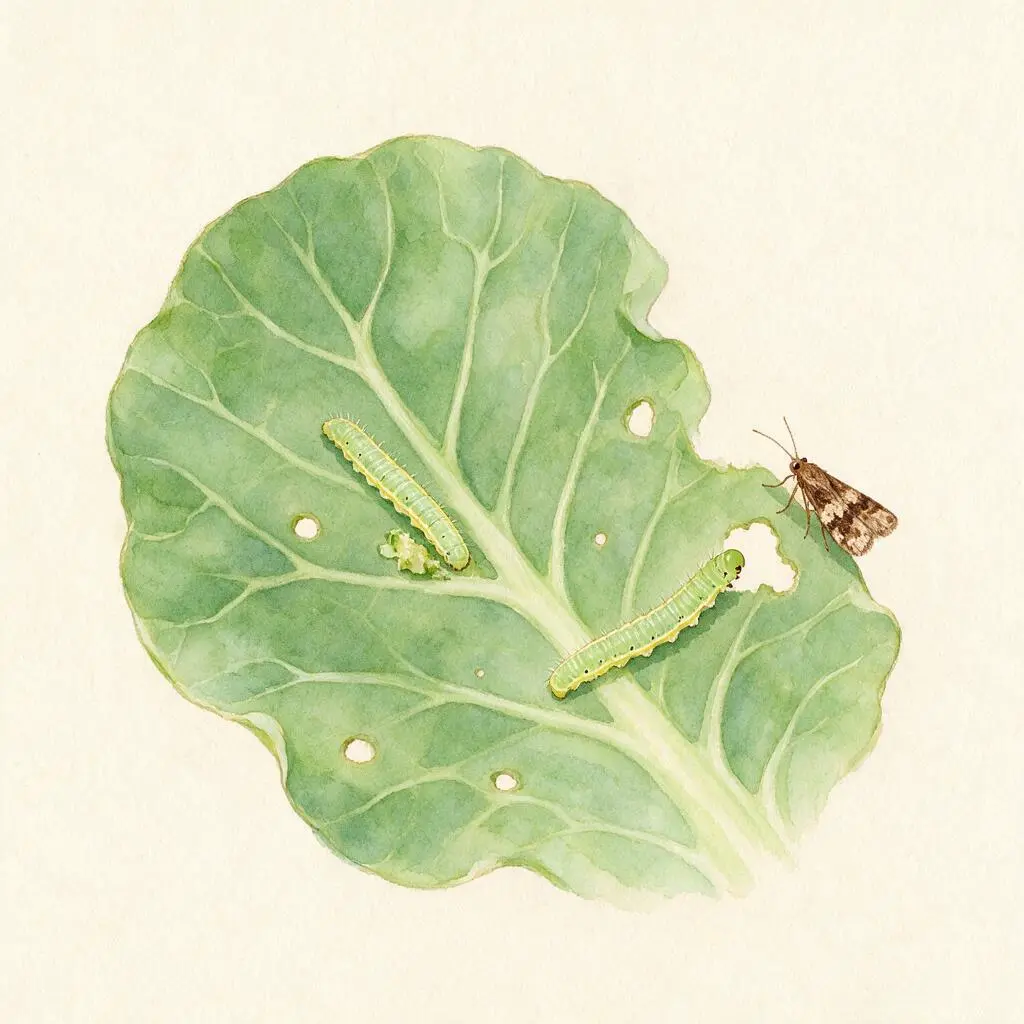
- Diamondback moth. Its small green caterpillars graze the leaves from underneath and leave little transparent windows.
- Aphids. Colonies on the undersides of the leaves and on tender shoots.
- Slugs and snails. They nibble the tender leaves, especially in damp weather.
Warning signs
The leaves are too hot and tough.
Likely cause: Heat, drought or plants that are already mature.
What to do: Harvest younger, water regularly and sow in the cool seasons.
Reference photos
When it moves on to the next stageIt is ready to start cutting when the leaves are about 5-7 cm long and the rosette has no flower stalk yet.
Stage 3HarvestHarvest: Mar–Jun, Oct–NovLasts about 14–35 daysRocket is harvested by cutting the outer leaves as needed, and it regrows several times. The guide is not the calendar but the size of the leaves and the absence of a flower stalk.
Rocket is harvested by cutting the outer leaves as needed, and it regrows several times. The guide is not the calendar but the size of the leaves and the absence of a flower stalk.
Several cuts over two to five weeks, until it bolts.
For this varietyThe Rocket profile gives about 30 days to the first harvest; treat it as a rough guide.
Temperature
min. -2°Cideal 10°C–20°Cmax. 26°CMoisture and watering
Keep watering regularly between cuts so it regrows with tender leaves.
How often: Every two or three days, more often in hot weather.
Light · Partial shade
At least 4 h of light
Sun in the cool season and partial shade in the heat.
Nutrients
Mainly needs: no fertiliser
It does not usually need feeding during the harvest.
Jobs for this stage
- Cut the outer leaves and leave the centre of the rosette to keep producing.
- Do not cut more than a third of the plant at once.
Harvesting
When it is ready: Cut when the leaves are about 5-7 cm long if you want them tender and mild, or about 10-15 cm if you prefer them more peppery, always before you see flower buds.
How to pick: Cut the outer leaves with scissors or a knife, leaving the centre of the rosette intact so it regrows. If it is the last harvest, pull up the whole plant.
Time of day: Harvest first thing in the morning, when the leaves are cool and crisp.
Yield: As a rough guide, 0.5 to 1.5 kg per square metre over several cuts.
How to store: Store it unwashed in a closed container in the fridge, where it keeps for three to five days. If you harvest in hot weather, chill it as soon as possible.
Common problems
- Flea beetle. It keeps attacking between cuts; keep the mesh in place.
Warning signs
Flower buds appear in the centre.
Likely cause: The plant is starting to bolt.
What to do: Harvest what is left now; the flowers are edible too.
Reference photos
When it moves on to the next stageThe harvest ends when a tall flower stalk appears and the leaves become tough and bitter.
Stage 4BoltingBolting: Apr–JulLasts about 7–21 daysWith heat and long days, rocket sends up a stalk with creamy-white, purple-veined flowers that attract many pollinators. The leaves lose quality, but the flowers are edible and have a peppery taste.
With heat and long days, rocket sends up a stalk with creamy-white, purple-veined flowers that attract many pollinators. The leaves lose quality, but the flowers are edible and have a peppery taste.
In spring it may bolt a few weeks after germinating.
Temperature
min. 2°Cideal 12°C–25°Cmax. 30°CMoisture and watering
If you are going to save seed, water moderately until the pods form.
How often: Once or twice a week.
Light · Full sun
At least 6 h of light
For seed, full sun is best.
Jobs for this stage
- Use the flowers in salads before pulling up the plant.
- If you are not going to save seed, pull up the bolted plants and sow another batch.
Common problems
- Aphids. They build up on the flower stalks and young pods.
Warning signs
The rocket bolts three or four weeks after germinating.
Likely cause: A late spring or summer sowing, with heat and long days.
What to do: Concentrate sowings in early spring and autumn, and water regularly.
Reference photos
When it moves on to the next stageMove on to the seed stage when the flowers give way to thin, elongated pods held close to the stalk.
Stage 5End of the cycleEnd of the cycle: Apr–Jul, Nov–DecLasts about 1–7 daysRocket occupies the bed for a very short time, which makes it ideal for filling gaps between crops. When it is finished, it is best not to follow it with other plants of the same family.
Rocket occupies the bed for a very short time, which makes it ideal for filling gaps between crops. When it is finished, it is best not to follow it with other plants of the same family.
Jobs for this stage
- Pull up the remains and compost them if they are healthy.
- Sow or plant a crop from another family in its place, such as lettuces, beans or carrots.
- Do not follow it with cabbages, radishes, turnips or more rocket in the same place, because they share flea beetle and other pests.
Common problems
- Flea beetle. It overwinters in debris and the surrounding soil; rotating the crop helps reduce it.
Warning signs
Each sowing suffers more flea beetle than the last.
Likely cause: Brassicas are being repeated in the same place.
What to do: Rotate to another bed and cover sowings with mesh.
Stage 6Seeds and propagationSeeds and propagation: Jun–AugLasts about 25–40 daysRocket gives a lot of seed in a short time. Just let a few plants bolt in spring and collect the pods when they dry, by summer, before they split open on their own.
Rocket gives a lot of seed in a short time. Just let a few plants bolt in spring and collect the pods when they dry, by summer, before they split open on their own.
From the opening of the flowers until the pods are dry and brown takes three to six weeks.
Saving seed
When the seed is ripe: The seed is ripe when the thin, elongated pods turn from green to light brown and the plant dries out. If you wait too long, the pods split and the seed falls to the ground.
How to extract it: Cut the stalks when most of the pods are dry and finish drying them inside a paper bag. Then rub or beat them inside the bag and separate the chaff with a sieve or by blowing.
Drying: Leave the clean seed in a thin layer in an airy, shady place for a week.
Storage: Store it in a paper envelope inside a tightly closed jar, labelled with the variety and year, in a cool, dry, dark place.
The seed stays viable for about 4–6 years.
F1 hybrids: Almost all garden rocket varieties are open-pollinated; if the packet says it is an F1 hybrid, its seeds will not produce plants identical to the parent.
Cross-pollination: Rocket is insect-pollinated and crosses with other varieties of cultivated rocket flowering nearby, though not with fine-leaved wild rocket, which is a different species. To keep it pure, let only one variety flower or separate them by several hundred metres, and save seed from at least five plants.
Reference photos
Sources and review
Reviewed on 4 November 2026. Approximate figures, written from these sources and the data in this profile.
- Royal Horticultural Society: Rocket, grow your own
- Sustainable Agriculture Research and Education: Northeast Crop Production and Harvest Manual, Arugula
- Seed Savers Exchange: How to grow and save arugula seeds
- Harvest to Table: When and how to harvest arugula for the best flavor
- Vuelta al Huerto catalogue data (germination, calendar and Visual harvest guide)
03Planting
Where and how to plant it
Sow the seed 1 cm deep; leave 15 cm between plants and 15 cm between rows.
15 cm between plants · 15 cm between rows
Seed at a depth of 1 cm.
- In a square-foot bed
- 4 plants per square30 × 30 cm squares
- Direct sowing
- Feb–May, Sep–Oct
- Germination
- ~5 days
- TipSow in succession, a little every two or three weeks, so you get tender leaves without everything maturing at once.
- Common mistakeSowing in heat and long days: many bolt as soon as temperatures rise; better in the cool seasons.
04Care
Care through the year
Sun and aspectSun and shade · 5 h of sun · shade in summer
- Too little sun
- Ideal range
- Plenty of sun
East, or south with light shade in the middle of the day
Moderate sun: Copes with full sun, but give it some shade during heatwaves.
- TipIt grows quickly in autumn and spring; in summer find it some partial shade and sow a little and often, because it bolts straight away.
WateringMoist but never waterlogged · summer: every 2-3 days
- Summerevery 2-3 days2 L per plant/week
- Spring / Autumnevery 4-5 days1 L per plant/week
- Winterevery 2-3 weeks0.3 L per plant/week
Moist but never waterlogged: Water before the surface is completely dry. Never puddles. Mulch: straw or dry plant material cuts watering by 30-50 %.
When to water? Push your finger 3 cm into the soil next to the base of the plant:
- Damp: soil sticks to your finger. Do not water today. The moisture is fine.
- Cool but clean, no mud. Water early tomorrow if it stays like this, or this evening.
- Dry and dusty. Water now, and deeply. This is not where it likes to be.
- TipWater little and often.
Soil and feedingRich, airy loam
Rich, airy loam.
40 % topsoil · 40 % well-rotted compost · 20 % perlite or sand.
Medium: moist but never waterlogged.
This plant prefers a pH between 6.0 and 7.0 (slightly acidic to neutral).
- Well-rotted compost every season and well-decomposed manure in autumn.
- Mulch with straw or dry plant material to hold moisture and smother weeds.
- Rotate crops: do not grow the same family in the same spot two years running.
- Compacted soil or unbroken clay can halve the harvest.
- Watering with a hose from above compacts the soil: drip irrigation or watering at the base is better.
- Common mistakeLetting the soil dry out or watering in fits and starts toughens and embitters the leaves and brings on bolting (running to flower).
05Harvest
Harvesting and storing
Harvest in Mar–Jun, Oct–Nov; the first, about 30 days after sowing.
- TipWater lightly and often, and harvest young or pick the outer leaves: it regrows and stays tender.
- Common mistakeLeaving the harvest too late: the leaves turn stringy or bitter.
06Uses and health
What it is used for, and with what care
- Properties
- A peppery leaf rich in vitamin K and antioxidants.
- Uses
- Leaves in salads and on pizza.
For guidance only; this is not medical treatment and does not replace advice from a doctor or vet.
07Companions and related plants
What to plant it with
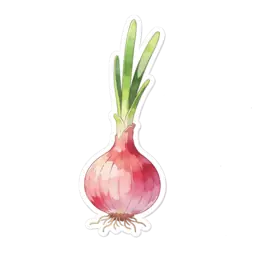
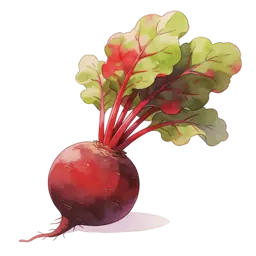
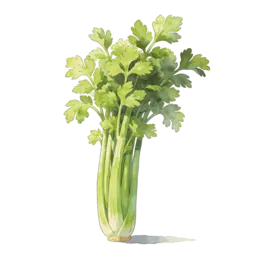

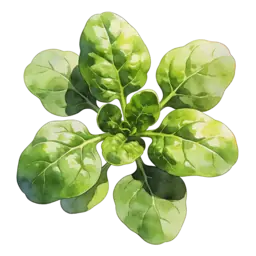
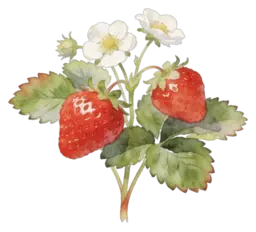
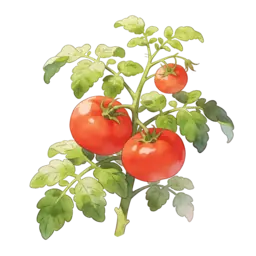
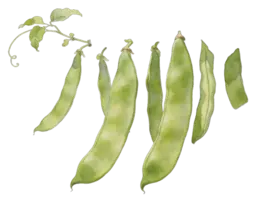

Group it in the same bedPlants with the same watering or the same sun
They are not essential companions, but you will not have to water or position them differently.
Same watering · Moderate watering
08Pests and diseases
Critters and ailments to keep an eye on
The most common ones on this plant. Tap one to see how to recognise it and what to do.
- Cabbage white caterpillars (large and small white butterflies)ModerateThe caterpillars of the cabbage white butterflies (Pieris brassicae and P
- Diamondback mothModerateA small moth whose greenish caterpillars (5 to 10 mm long) make small holes and tunnels in the leaves of brass
- Flea beetlesModerateSmall shiny beetles (2 to 4 mm) that jump like fleas when touched

No known toxicity to people or pets
Not toxic to people or pets.