Credits and licences
- #1 — vueltaalhuerto illustration
- #2 — vueltaalhuerto illustration
- #3 — vueltaalhuerto illustration
- #4 — vueltaalhuerto illustration
- #5 — vueltaalhuerto illustration
- #6 — vueltaalhuerto illustration
- #7 — vueltaalhuerto illustration
- #8 — vueltaalhuerto illustration
- #9 — vueltaalhuerto illustration
- #10 — vueltaalhuerto illustration
Sea kale
and 1 more names
Crambe maritimaSea kale is sown in seed trays from March to April or directly outdoors from March to April and in October, and planted out from March to April. It is harvested from March to May (about 730 days to the first harvest). Grow it in full sun, 75 cm apart, with moderate watering. Dates are for a mild temperate climate in the northern hemisphere; the calendar below adjusts them to your zone.
What else to sow in March, April and October
A vigorous perennial about 60 to 90 cm tall, with a thick, fleshy root, that forms a broad clump of large, wavy leaves with curled edges, greyish blue-green and waxy-looking. In early summer it is covered with clusters of very fragrant white flowers, followed by round fruits the size of a pea. It is grown mainly for its tender spring shoots, which are blanched by covering them so that they come up pale, sweet and crisp, and are cooked like asparagus; the young leaves and flower buds are also eaten. In the wild it is a scarce plant of shingle and sandy beaches, and it is protected in several places: do not collect it on the coast, and buy seeds or nursery plants. Do not confuse it with curly kale, with the ornamental Crambe cordifolia, which is not grown as a vegetable, or with rock samphire (Crithmum maritimum).
Family and origin: Cabbage family (Brassicaceae) · native to The coasts of Europe, from the Baltic to the Black Sea, mainly Atlantic · More plants from Temperate Europe
01In your area
How will it do in your garden?
Year calendar
| Task | J | F | M | A | M | J | J | A | S | O | N | D |
|---|---|---|---|---|---|---|---|---|---|---|---|---|
| Seed trayMar–Apr | no | no | yes | yes | no | no | no | no | no | no | no | no |
| Direct sowingMar–Apr, Oct | no | no | yes | yes | no | no | no | no | no | yes | no | no |
| Plant / transplantMar–Apr | no | no | yes | yes | no | no | no | no | no | no | no | no |
| HarvestMar–May | no | no | yes | yes | yes | no | no | no | no | no | no | no |
| PruningOct–Nov | no | no | no | no | no | no | no | no | no | yes | yes | no |
| CuttingsFeb–Mar | no | yes | yes | no | no | no | no | no | no | no | no | no |
| Divide the clumpMar | no | no | yes | no | no | no | no | no | no | no | no | no |
Its life cycle at a glance
Swipe and tap a stage to see its details.
02Planting
Where and how to plant it
Sow the seed 1.5 cm deep; leave 75 cm between plants and 90 cm between rows.
75 cm between plants · 90 cm between rows
Seed at a depth of 1.5 cm; seedlings go in with the root ball level with the soil.
- In a square-foot bed
- 1 plant every 9 squares30 × 30 cm squares
- Transplanting
- Mar–Apr
- Seed tray
- Mar–Apr
- Direct sowing
- Mar–Apr, Oct
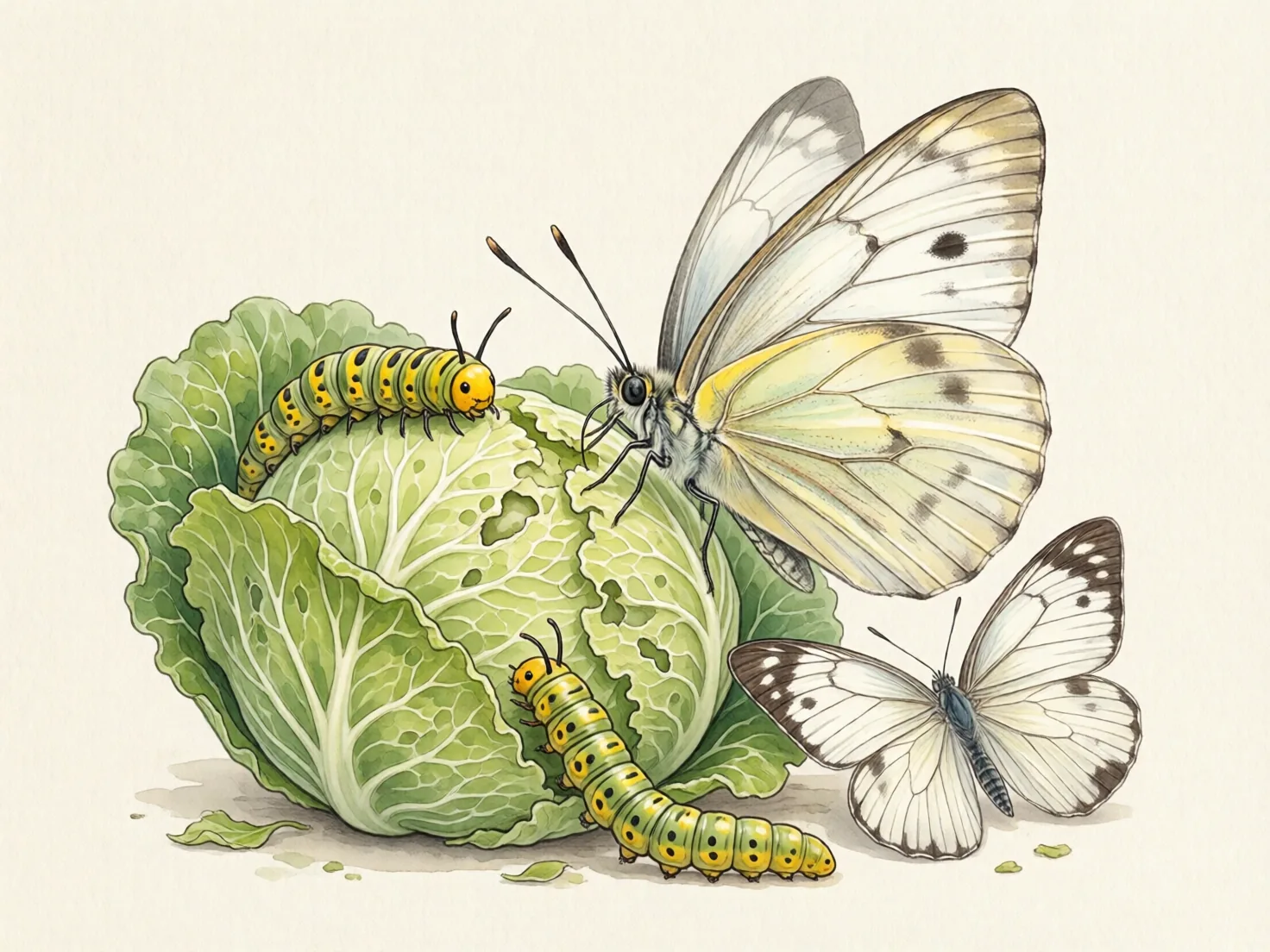
- TipLike all members of the cabbage family, it shares clubroot with cabbages, so do not plant it where cabbages have grown recently; watch out for slugs and cabbage caterpillars.
- TipSow in succession, a little every two or three weeks, so you get tender leaves without everything maturing at once.
- Common mistakeSowing in heat and long days: many bolt as soon as temperatures rise; better in the cool seasons.
03Care
Care through the year
Sun and aspectFull sun · 8 h of sun · South or south-west, with nothing casting shade at midday
- Too little sun
- Ideal range
- Plenty of sun
South or south-west, with nothing casting shade at midday
Strong sun: Loves full midday sun and high temperatures.
Full sun; it tolerates partial shade. Protect it from strong wind, which tears the large leaves.
- TipFrom the third year, at the end of winter, cover the clump with a terracotta pot, a bucket or a forcer that lets no light through and, a few weeks later, cut the pale shoots when they are about 15 to 20 cm long.
WateringMoist but never waterlogged · summer: every 2-3 days
- Summerevery 2-3 days2 L per plant/week
- Spring / Autumnevery 4-5 days1 L per plant/week
- Winterevery 2-3 weeks0.3 L per plant/week
Moist but never waterlogged: Water before the surface is completely dry. Never puddles. Mulch: straw or dry plant material cuts watering by 30-50 %.
Water regularly in the first year until the root is established; after that it copes well with dry spells, but crops better with moderate moisture. It needs loose, very well-drained soil that does not become waterlogged in winter.
When to water? Push your finger 3 cm into the soil next to the base of the plant:
- Damp: soil sticks to your finger. Do not water today. The moisture is fine.
- Cool but clean, no mud. Water early tomorrow if it stays like this, or this evening.
- Dry and dusty. Water now, and deeply. This is not where it likes to be.
Soil and feedingpH 6–8 · Rich, airy loam
Rich, airy loam.
40 % topsoil · 40 % well-rotted compost · 20 % perlite or sand.
Medium: moist but never waterlogged.
This plant prefers a pH between 6.0 and 8.0 (slightly acidic to alkaline).
- Well-rotted compost every season and well-decomposed manure in autumn.
- Mulch with straw or dry plant material to hold moisture and smother weeds.
- Rotate crops: do not grow the same family in the same spot two years running.
- Compacted soil or unbroken clay can halve the harvest.
- Watering with a hose from above compacts the soil: drip irrigation or watering at the base is better.
- Common mistakeLetting the soil dry out or watering in fits and starts toughens and embitters the leaves and brings on bolting (running to flower).
PruningWhen: Oct–Nov
Pruning time for this plant: Oct–Nov.
Common mistakes and tips
- TipDo not cut shoots in the first or second year: let it build up reserves.
04Harvest
Harvesting and storing
Harvest in Mar–May; the first, about 730 days after sowing.
- TipWater lightly and often, and harvest young or pick the outer leaves: it regrows and stays tender.
- Common mistakeLeaving the harvest too late: the leaves turn stringy or bitter.
05Propagation
Make new plants
It can be propagated by seed, by root cuttings and by dividing the clump. The seed is enclosed in a corky capsule that slows germination: carefully remove the husk and sow 1 or 2 cm deep in deep pots, in spring or autumn, outdoors; germination is slow and erratic, sometimes taking weeks or months. For root cuttings, cut straight pieces, pencil-thick and 10 to 15 cm long, from the side roots of plants more than two years old, in winter or early spring, and plant them with the top end upwards. Mature clumps are divided in early spring.
Seeds: how to germinate them~30 days
- TipSeed-raised plants take two to five years to mature, and those from root cuttings somewhat less.
- TipStop cutting in early June so that the plant can regrow and recover, and cut it back to ground level in autumn.
06Uses and health
What it is used for, and with what care
No toxicity is known in normal culinary use. Like other members of the cabbage family, it contains glucosinolates which, in very large amounts and eaten raw, can affect the thyroid gland in people with thyroid problems: cook it. In dogs and cats it can cause mild digestive upset if they eat a lot. In the wild it is a scarce plant and protected in several places: do not collect it from beaches. Do not eat wild coastal plants without being sure of their identity, and do not confuse it with the ornamental Crambe cordifolia, which is not grown as a vegetable.
- Properties
- The shoots provide fibre, vitamin C and the sulphur compounds typical of cabbages; they are eaten as a seasonal vegetable, with no proven healing properties.
- Uses
- The tender blanched spring shoots are eaten boiled or steamed for a few minutes like asparagus, with oil or butter; so are the young leaves and the flower buds, like broccoli. Old, green, thick leaves are tough and bitter.
For guidance only; this is not medical treatment and does not replace advice from a doctor or vet.
07Companions and related plants
Related plants
Group it in the same bedPlants with the same watering or the same sun
They are not essential companions, but you will not have to water or position them differently.
08Pests and diseases
Critters and ailments to keep an eye on
The most common ones on this plant. Tap one to see how to recognise it and what to do.
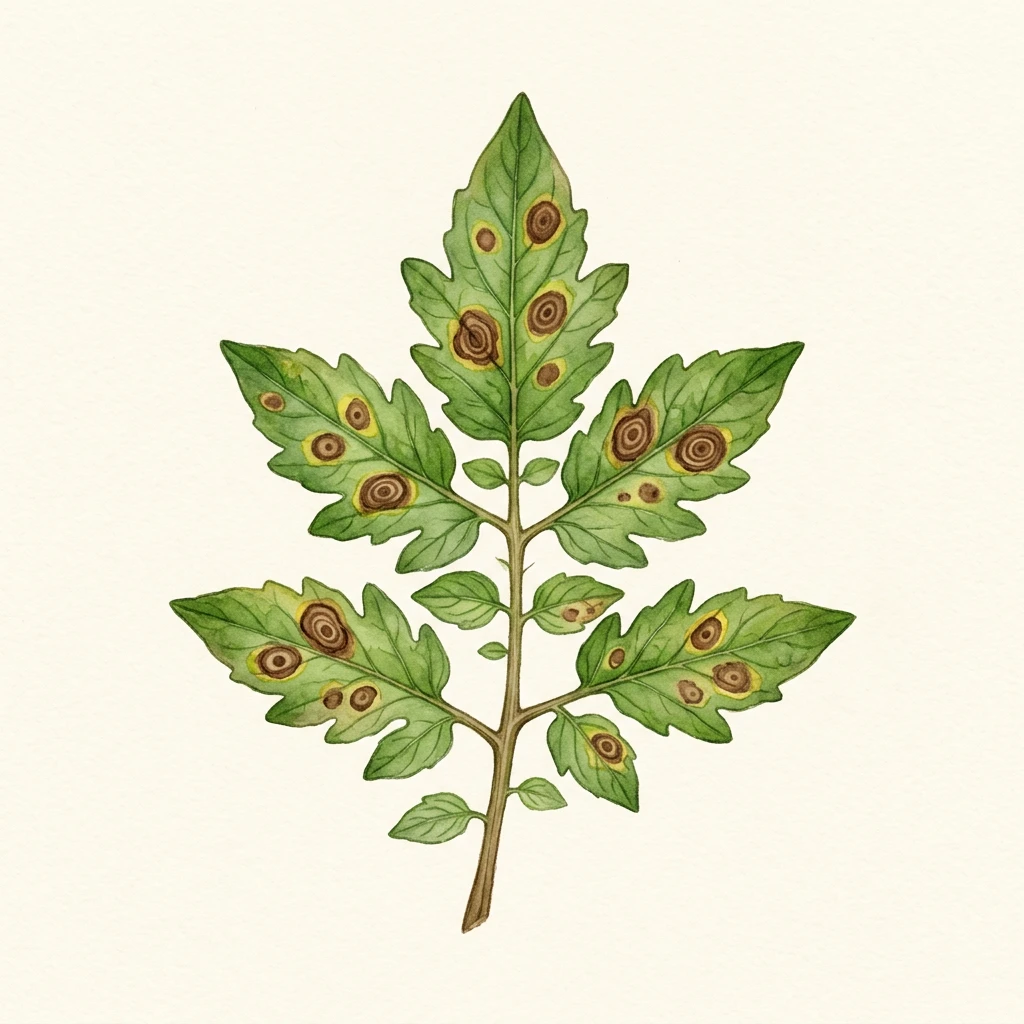
- Early blight (Alternaria)ModerateA fungus that causes dark spots with concentric rings (like a target) on leaves, stems and fruit
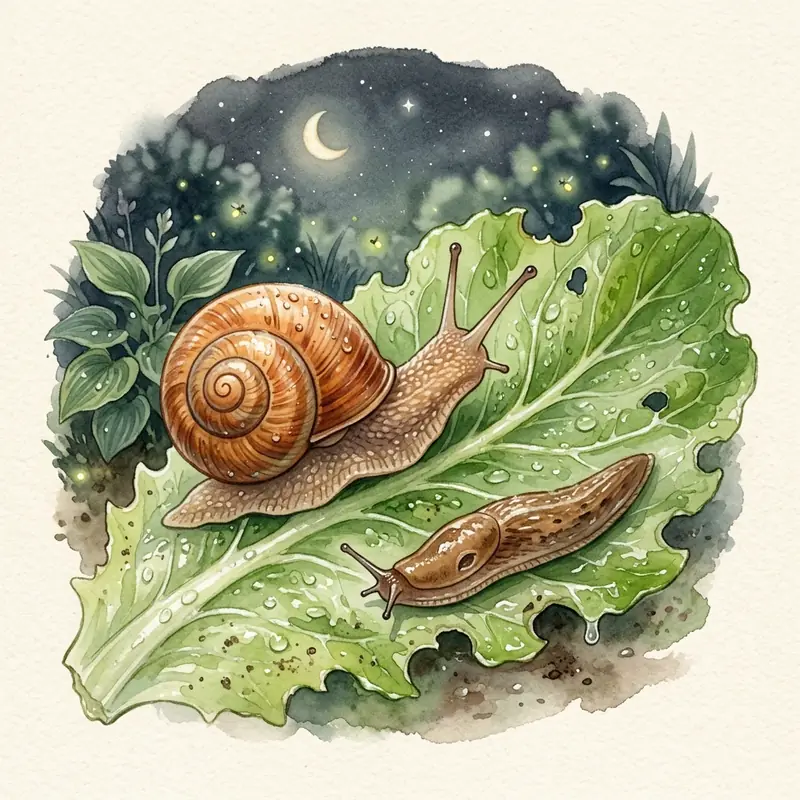
- Slugs and snailsModerateNight-feeding molluscs that devour tender leaves and seedlings, especially in damp weather
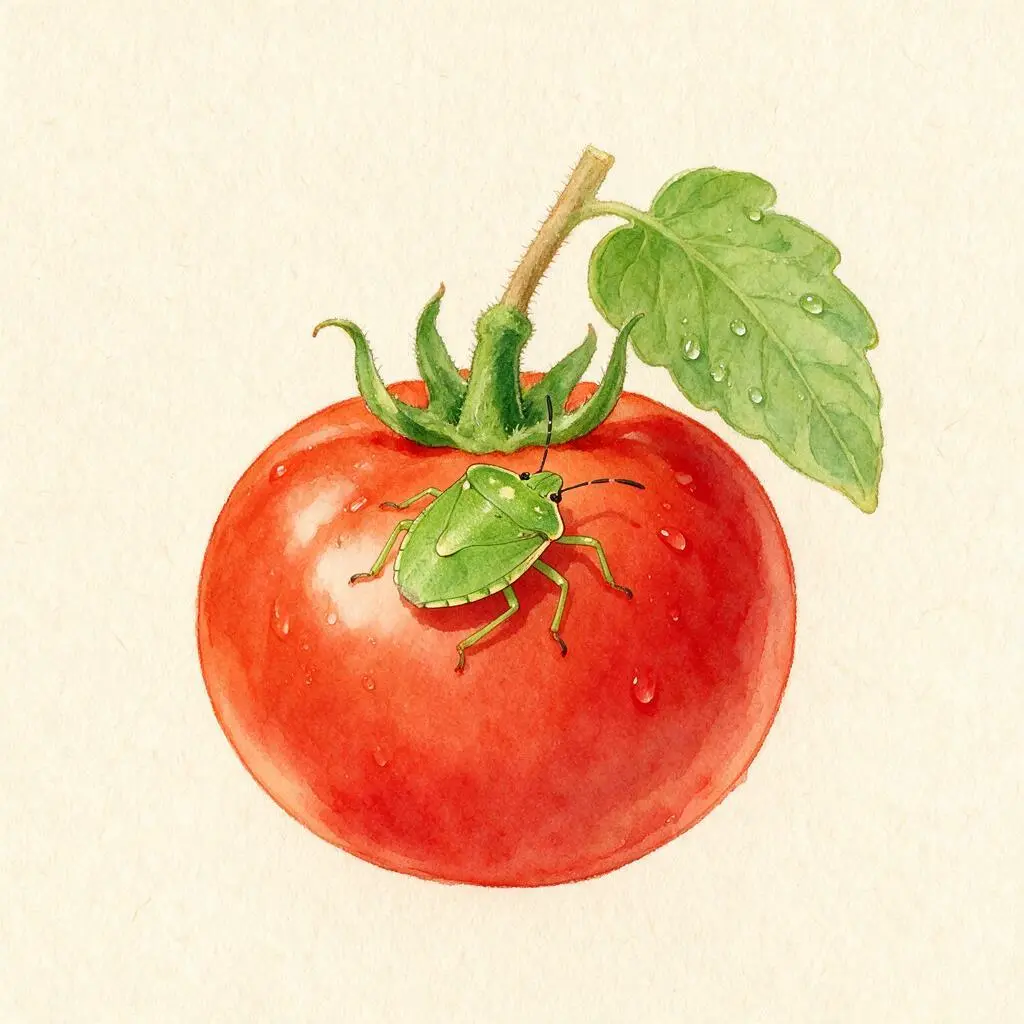
- Shield bugs and stink bugsModerateShield-shaped bugs, green or brightly patterned, that pierce fruit and leaves to suck the sap
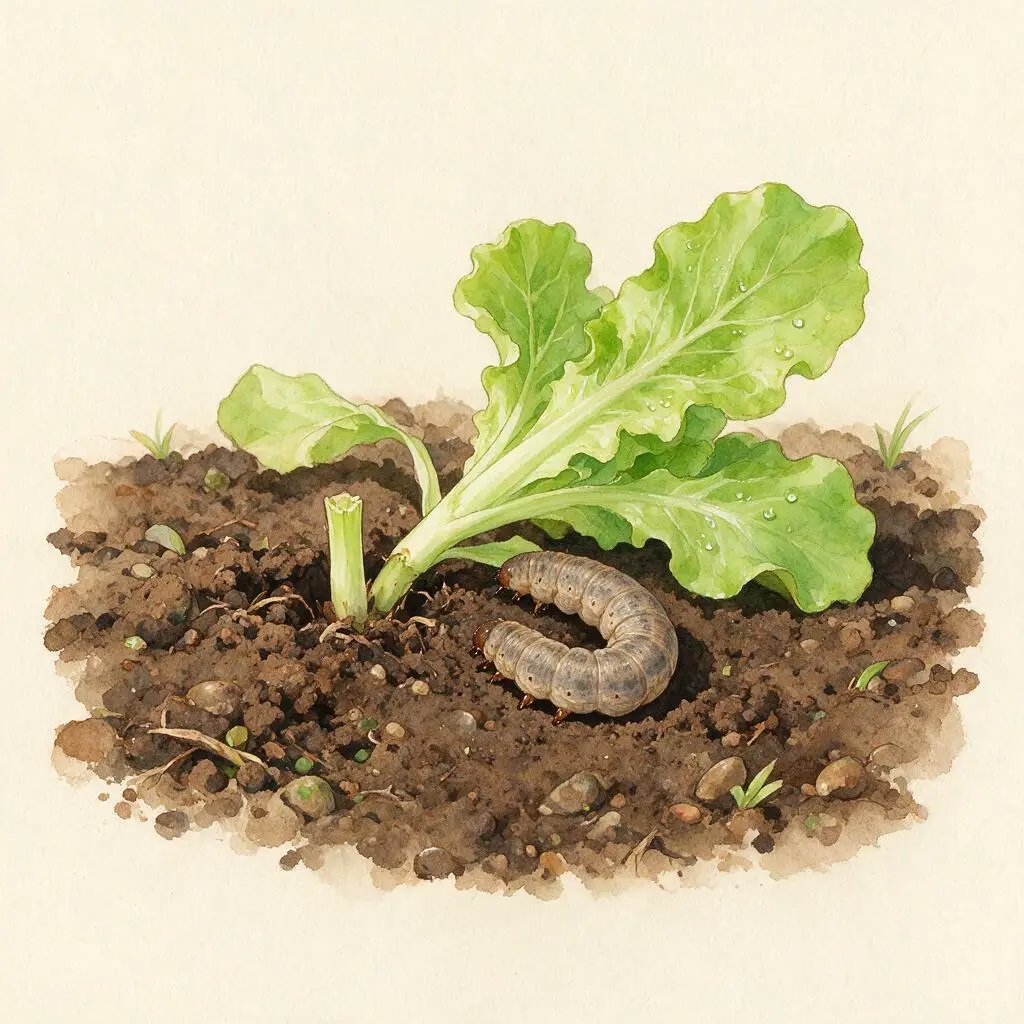
- CutwormsModerateFat, greyish, night-feeding caterpillars that cut seedlings off at the base, at ground level
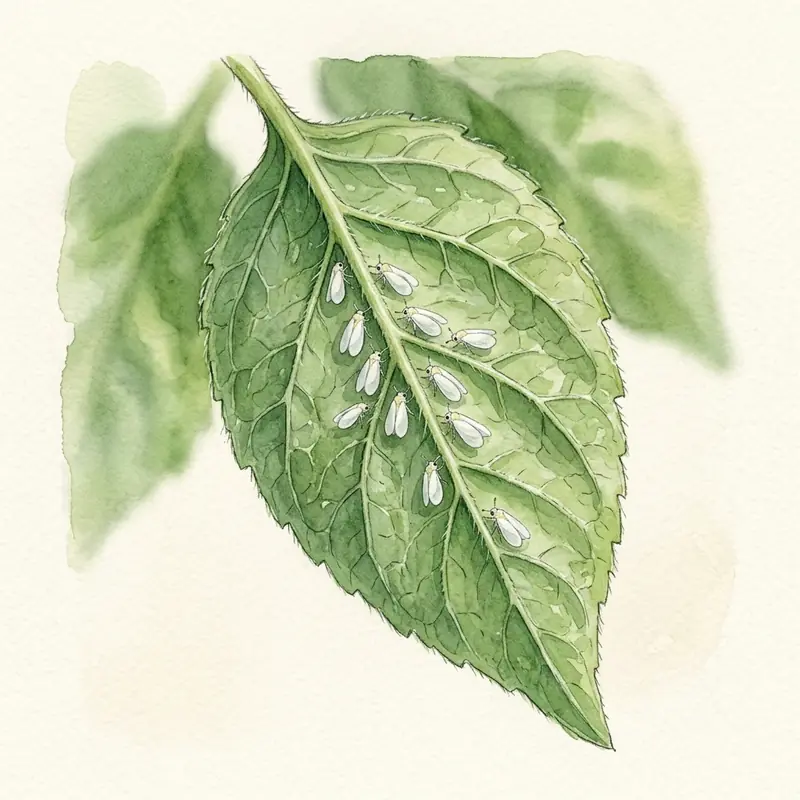
- WhiteflyModerateTiny white insects that fly up in a cloud when the plant is disturbed
- Cabbage white caterpillars (large and small white butterflies)ModerateThe caterpillars of the cabbage white butterflies (Pieris brassicae and P