Credits and licences
- #1 — vueltaalhuerto illustration
- #2 — vueltaalhuerto illustration
- #3 — vueltaalhuerto illustration
- #4 — vueltaalhuerto illustration
- #5 — vueltaalhuerto illustration
- #6 — vueltaalhuerto illustration
- #7 — vueltaalhuerto illustration
- #8 — vueltaalhuerto illustration
- #9 — vueltaalhuerto illustration
- #10 — vueltaalhuerto illustration
- #11 — vueltaalhuerto illustration
- #12 — vueltaalhuerto illustration
- #13 — Stefan.lefnaer · CC BY-SA 4.0 see on Wikimedia
- #14 — Zenon Sych · CC BY-SA 4.0 see on Wikimedia
- #15 — Schlaghecken Josef · CC BY 4.0 see on Wikimedia
- #16 — Ryan Hodnett · CC BY-SA 4.0 see on Wikimedia
Rainbow chard
and 1 more names
silverbeetRainbow chard is sown directly outdoors from March to April and from August to September. It is harvested from May to June and from October to November (about 55 days to the first harvest). Grow it in full sun, 30 cm apart, with moderate watering. Dates are for a mild temperate climate in the northern hemisphere; the calendar below adjusts them to your zone.
What else to sow in March, April, August and September
A chard with coloured stalks (yellow, pink, orange), as ornamental as it is edible. It is harvested just like white chard, leaf by leaf over many months. It grows in sun or partial shade, with constant moisture but without waterlogging.
Family and origin: Goosefoot family (Amaranthaceae) · native to Mediterranean basin · More plants from Mediterranean basin
01In your area
How will it do in your garden?
Year calendar
| Task | J | F | M | A | M | J | J | A | S | O | N | D |
|---|---|---|---|---|---|---|---|---|---|---|---|---|
| Direct sowingMar–Apr, Aug–Sep | no | no | yes | yes | no | no | no | yes | yes | no | no | no |
| HarvestMay–Jun, Oct–Nov | no | no | no | no | yes | yes | no | no | no | yes | yes | no |
Its life cycle at a glance
Swipe and tap a stage to see its details.
02Step by step
From seed to harvest, stage by stage
What the plant needs at each point in its life, from the seed to the harvest and on to the next seed. The figures are only a guide: your climate, your soil and the variety will shift them.
Approximate months for a temperate Spanish climate. Choose your zone in the calendar to adjust them.
Stage 1 · Year 1Seed and germinationSeed and germination: Mar–Apr, Aug–SepGerminates in 5–14 daysWhat we call chard seed is actually a small corky fruit with several seeds inside, which is why two or three little plants usually come up together from each sowing point. It germinates well in warm, moist soil.
What we call chard seed is actually a small corky fruit with several seeds inside, which is why two or three little plants usually come up together from each sowing point. It germinates well in warm, moist soil.
In warm soil it comes up in a week; in cold soil it can take two.
Temperature
min. 4°Cideal 15°C–29°Cmax. 35°CBelow 10 °C it comes up slowly and unevenly; in strong heat it is best to sow in the evening and keep the soil cool.
Moisture and watering
Keep the soil moist, but not waterlogged, until the seedlings come up; the corky coat needs to absorb water to open.
How often: Every one or two days if it does not rain, depending on the heat.
Light · Not important
It needs no light to germinate; once it comes up, it does need sun or bright partial shade.
Container · Straight into the ground
Sow direct 1-2 cm deep, in groups of two or three seeds every 30 cm, or in large cells if you prefer to transplant.
Potting mix or soil
pH 6.5–7.5
It does well in cool, deep soil rich in organic matter; in a seed tray, a light multipurpose compost.
Nutrients
Mainly needs: no fertiliser
It needs no fertiliser to germinate.
Protection
- A thin layer of sieved compost over the sowing stops a crust forming.
Jobs for this stage
- Soak the seeds in water at room temperature for 12 to 24 hours before sowing; this way they come up sooner and more evenly.
Common problems
- Damping off. The seedlings keel over at the base in waterlogged soil; avoid overwatering.
Warning signs
Several seedlings come up together from each sowing point.
Likely cause: This is normal, because each 'seed' is a fruit with several seeds inside.
What to do: Thin out, leaving the strongest, or carefully separate the others to transplant them.
Reference photos
When it moves on to the next stageMove on to the thinning or transplanting stage when the seedlings have two true leaves as well as their seed leaves.
Stage 2 · Year 1Thinning or transplantingThinning or transplanting: Apr–May, Sep–OctLasts about 5–10 daysIf you sowed in the bed, it is time to thin out and leave a single plant per station; if you sowed in cells or bought young plants, it is time to transplant. Chard takes easily if it is planted with the whole rootball.
If you sowed in the bed, it is time to thin out and leave a single plant per station; if you sowed in cells or bought young plants, it is time to transplant. Chard takes easily if it is planted with the whole rootball.
A week for the plant to take and start growing again.
Temperature
min. 0°Cideal 12°C–25°Cmax. 32°CAvoid planting during a heatwave or just before a hard frost.
Moisture and watering
Water thoroughly straight after planting or thinning to settle the soil around the roots.
How often: For the first few days, every one or two days depending on the heat.
How much: As a guide, half a litre to a litre per plant at planting.
Light · Full sun
At least 5 h of light
It grows well in full sun and also in partial shade, especially in summer.
Container · Straight into the ground
10–20 L
In the bed, about 30 cm between plants and 40-50 cm between rows. In a container, at least 10 L and 25-30 cm deep per plant.
Potting mix or soil
pH 6.5–7.5
Loose, deep soil, with one or two spadefuls of well-rotted compost per square metre.
Nutrients
Mainly needs: nitrogen (N)
The compost added at planting covers the first few weeks; keep fresh manure away from the roots.
What with: well-rotted compost, well-rotted manure
Jobs for this stage
- Thin by cutting the surplus seedlings off at ground level, without pulling them, so as not to disturb the roots of the one that stays.
- Plant at the same depth as it was in the cell, without burying the collar.
Common problems
- Slugs and snails. They devour young plants at night, especially after rain.
- Cutworms. They cut through the stems of newly transplanted seedlings at ground level.
Warning signs
The plant wilts in the sunny hours for the first few days.
Likely cause: Normal transplant stress.
What to do: Water and provide light shade for a few days; it recovers within a week.
Reference photos
When it moves on to the next stageIt has taken when it produces new leaves from the centre and does not wilt in full sun.
Stage 3 · Year 1GrowthGrowth: Apr–Jun, Sep–NovLasts about 35–55 daysChard forms a rosette of large leaves with fleshy stalks that keeps growing for months. It needs regular water and fertile soil to produce large, tender leaves.
Chard forms a rosette of large leaves with fleshy stalks that keeps growing for months. It needs regular water and fertile soil to produce large, tender leaves.
Five to eight weeks from establishment to the first usable leaves.
Temperature
min. -5°Cideal 15°C–25°Cmax. 32°CIt withstands light frosts and the heat of a Mediterranean summer if it has enough water; in hard frosts the leaves get scorched.
Moisture and watering
Water regularly, without letting the soil dry out completely: when thirsty, the leaves toughen and the plant may bolt. Water at the base and avoid wetting the heart in the evening.
How often: Every two or three days in hot weather; once or twice a week in spring and autumn.
How much: As a guide, 1 to 2 L per plant each time you water.
Light · Full sun
5–10 h of light
Sun or partial shade; in summer, light shade keeps the leaves more tender.
Potting mix or soil
Keep the soil mulched with straw or grass clippings so that it holds moisture.
Nutrients
Mainly needs: nitrogen (N)
As a leaf crop picked over many months, it appreciates regular dressings of compost or an organic fertiliser rich in nitrogen.
How often: Every four to six weeks while you are harvesting.
What with: compost, worm compost, diluted nettle feed
Protection
- During a heatwave, shade netting in the middle of the day stops the plant becoming exhausted.
- In areas with hard frosts, a thick mulch protects the crown and the plant resprouts in spring.
Jobs for this stage
- Remove old, yellow or spotted leaves to let air in and stop fungal diseases spreading.
- Weed around the plants and top up the mulch as it breaks down.
Common problems
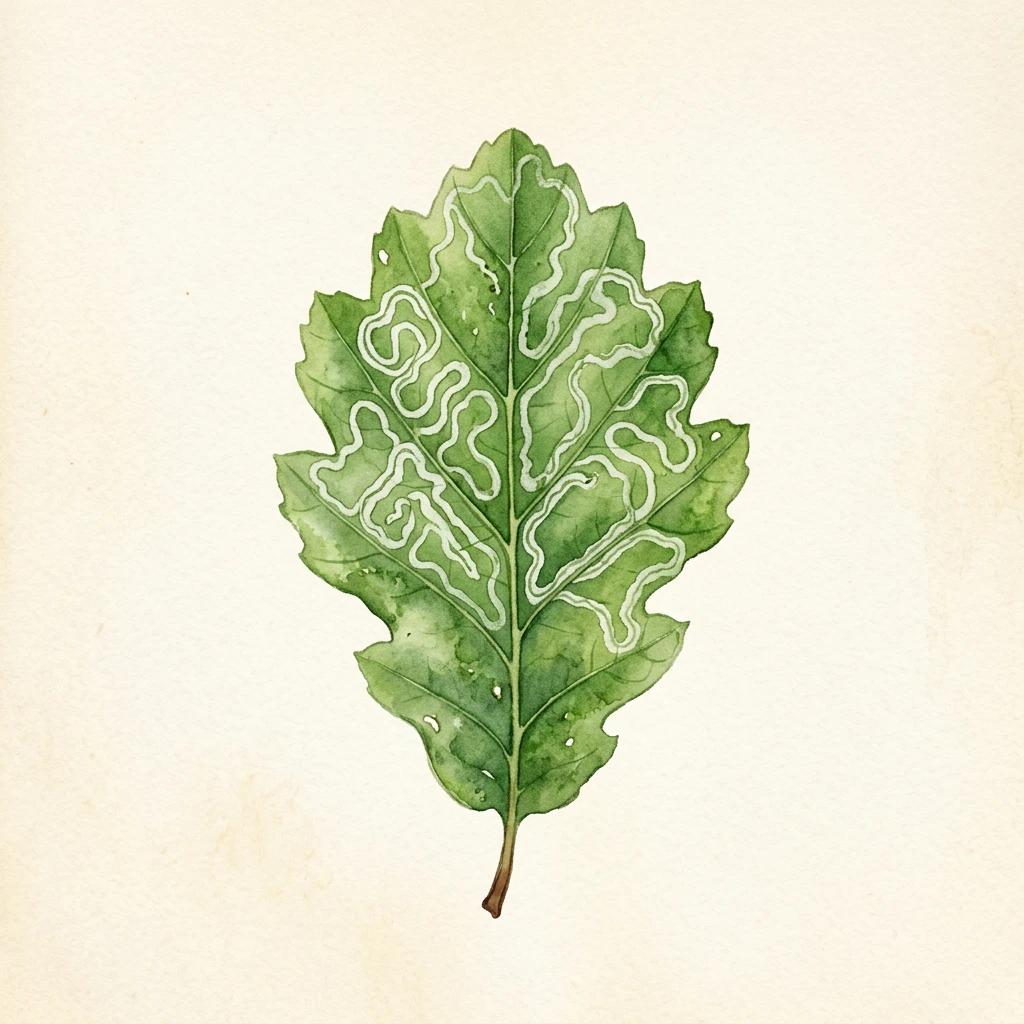
- Leaf miner. Pale, blistered patches inside the leaf, where the larva lives; cut off and destroy affected leaves.
- Aphids. Colonies on the undersides of the tender central leaves.
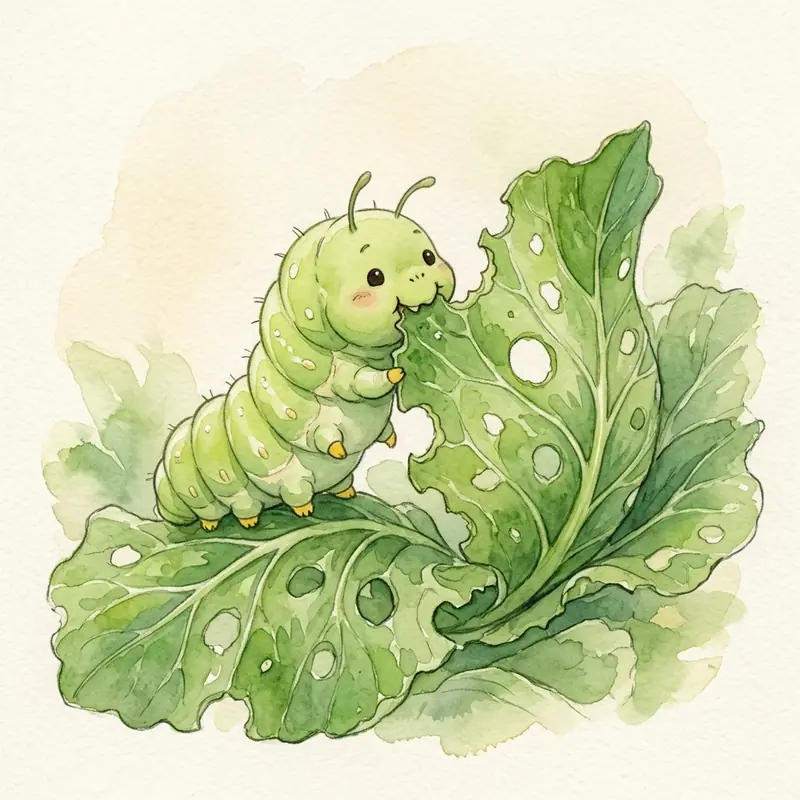
- Caterpillars and armyworms. Large holes in the leaves, especially in late summer and autumn.
- Cercospora leaf spot. Small round spots with grey centres and reddish edges that spread in warm, humid weather; remove the affected leaves.
- Slugs and snails. They hide between the stalks and nibble the leaves at night.
Warning signs
The lower leaves turn yellow and the new ones come through small.
Likely cause: Lack of nitrogen after several weeks of picking.
What to do: Add compost or an organic fertiliser rich in nitrogen and water afterwards.
The leaves look limp at midday even though the soil is moist.
Likely cause: It is a defence against strong heat; large leaves lose water more quickly.
What to do: If it recovers by the evening, it is nothing serious; provide light shade during heatwaves.
Reference photos
When it moves on to the next stageIt is ready to start harvesting when the outer leaves are 15-20 cm long and have firm stalks.
Stage 4 · Year 1HarvestHarvest: May–Jun, Oct–NovLasts about 60–180 daysChard is not pulled up: the outer leaves are cut and the plant keeps producing from the centre for months. Well looked after, it crops from spring through to winter.
Chard is not pulled up: the outer leaves are cut and the plant keeps producing from the centre for months. Well looked after, it crops from spring through to winter.
Pickings every few days for several months.
For this varietyThe Rainbow chard profile gives about 55 days to the first harvest; treat it as a rough guide.
Temperature
min. -5°Cideal 12°C–25°Cmax. 32°CMoisture and watering
Keep watering regularly throughout the harvest so that the plant regrows with tender leaves.
How often: Every two or three days in hot weather; once or twice a week the rest of the year.
How much: As a guide, 1 to 2 L per plant each time you water.
Light · Full sun
At least 5 h of light
Sun or partial shade.
Nutrients
Mainly needs: nitrogen (N)
A little compost around the plant every month or six weeks helps to keep up the pace of regrowth.
How often: Every four to six weeks.
What with: compost, worm compost
Jobs for this stage
- Cut the outer leaves, working from the outside in, and always leave the central heart intact.
- Do not remove more than a third of the plant at once, and pick again every few days.
Harvesting
When it is ready: Cut the outer leaves when they are about 15-20 cm long or more, glossy and with firm stalks. The smaller ones are milder in flavour and the large ones stronger.
How to pick: Cut with a clean knife or scissors at the base of the outer leaves, or bend the stalk outwards to snap it, without touching the central heart or damaging the crown.
Time of day: Harvest in the morning, when the leaves are cool and crisp.
Yield: As a guide, 1 to 3 kg per plant over the whole season, depending on the care given and how long the crop lasts.
How to store: Store it unwashed in a bag or a closed container in the fridge, where it keeps for three to five days. The stalks keep a little longer than the green leaf.
Common problems
- Leaf miner. Discard leaves with tunnels when harvesting to break the pest's cycle.
- Cercospora leaf spot. In warm, humid weather, remove spotted leaves and do not wet the foliage when watering.
Warning signs
The leaves come through yellowish and holed, with woody stalks.
Likely cause: The plant is old, stressed or has started to bolt.
What to do: Cut off the flower stem if it appears, feed and water well; if it does not improve, sow a new batch.
Reference photos
When it moves on to the next stageThe harvest ends when the leaves become tough and bitter and a flower stem rises from the centre.
Stage 5 · Year 1End of the cycleEnd of the cycle: Jun–Jul, Nov–DecLasts about 1–7 daysWhen the plant is exhausted or bolts early and you do not want seed, it is better to pull it up and sow another batch than to try to keep it going. Its deep root leaves the soil loose for the next crop.
When the plant is exhausted or bolts early and you do not want seed, it is better to pull it up and sow another batch than to try to keep it going. Its deep root leaves the soil loose for the next crop.
Jobs for this stage
- Pull up the whole plant and put it on the compost heap if it is healthy; leaves with cercospora spots are better removed from the garden.
- Sow a crop from another family in its place, such as beans, peas or courgettes.
- Do not grow chard, beetroot or spinach in the same place in succession, because they share pests and diseases.
Common problems
- Cercospora leaf spot. It survives on plant remains; clear them thoroughly so that it does not pass to the next crop.
Warning signs
The leaf spots appear earlier every year.
Likely cause: Infected remains in the soil and repeated cropping.
What to do: Rotate to another bed for two or three years.
Second year: these stages are only needed if you want to save your own seed. Leave a few healthy plants in the ground after harvesting and they will overwinter and flower.
Stage 6 · Year 2 · only for seedBoltingBolting: Apr–JunLasts about 20–40 daysChard is biennial: the leaves are harvested in the first year, and the flowers come in the spring of the second, after overwintering. In the second year, if you want seed, leave a few healthy plants in the ground: between April and June, in a temperate climate, they send up a tall stem of greenish flowers. Young plants that go through many weeks of cold can also bolt prematurely, in their first year.
Chard is biennial: the leaves are harvested in the first year, and the flowers come in the spring of the second, after overwintering. In the second year, if you want seed, leave a few healthy plants in the ground: between April and June, in a temperate climate, they send up a tall stem of greenish flowers. Young plants that go through many weeks of cold can also bolt prematurely, in their first year.
From when the stem starts to rise until the flowers open.
Temperature
min. 0°Cideal 12°C–25°Cmax. 32°CMoisture and watering
If you are going to save seed, keep watering moderately; if not, stop watering and pull up the plant.
How often: Once or twice a week.
Light · Full sun
At least 6 h of light
To set seed, full sun is best.
Jobs for this stage
- If you do not want seed, cut off the flower stem as soon as it appears; sometimes this extends leaf production by a few weeks.
- If you do want seed, stake the flower stem, which can grow over one and a half metres tall.
Common problems
- Aphids. They settle on the tender flower stems.
Warning signs
A late-winter sowing bolts in spring having produced hardly any leaves.
Likely cause: The young plants went through several weeks of cold and took it for a winter.
What to do: Sow a little later, when the soil has warmed up, or protect the seedlings from the cold.
Reference photos
When it moves on to the next stageMove on to the seed stage when the stem is covered in clusters of hard green fruits, attached along the branches.
Stage 7 · Year 2 · only for seedSeeds and propagationSeeds and propagation: Jul–SepLasts about 60–90 daysTo get chard seed you have to let the plant overwinter and flower in its second year. In the second year, if you want seed, leave a few healthy plants in the ground, and the seed ripens in summer, from July to September in a temperate climate. It is easy, but it needs space and patience, and you have to bear in mind that it crosses with beetroot. Stored well it keeps for four to six years.
To get chard seed you have to let the plant overwinter and flower in its second year. In the second year, if you want seed, leave a few healthy plants in the ground, and the seed ripens in summer, from July to September in a temperate climate. It is easy, but it needs space and patience, and you have to bear in mind that it crosses with beetroot. Stored well it keeps for four to six years.
Two to three months from flower until the fruits turn brown and hard.
Saving seed
When the seed is ripe: In the summer of the second year, when the flower stem turns yellow and the fruits, attached along the branches, turn brown and hard, the seed is ripe. It does not all ripen at once: the lower branches ripen before the upper ones.
How to extract it: Cut the branches when most of the fruits are brown and finish drying them hanging up or on a sheet under cover. Then rub the branches between your hands, wearing gloves, and separate the chaff with a sieve or by blowing.
Drying: Spread the seeds in a thin layer, in the shade and somewhere airy, for one or two weeks.
Storage: Store them in a paper envelope inside a tightly closed jar, labelled with the variety and the year, in a cool, dry, dark place.
The seed stays viable for about 4–6 years.
F1 hybrids: Chard varieties are usually traditional ones that come true from seed, but if the packet says it is an F1 hybrid, its seeds will not produce plants identical to the parent.
Cross-pollination: Chard is wind-pollinated and crosses easily with other chard and with beetroot, which is the same species. To keep it true, let only one variety of chard or beetroot flower in your garden; sources speak of several hundred metres of separation.
Reference photos
Sources and review
Reviewed on 4 November 2026. Approximate figures, written from these sources and the data in this profile.
- Royal Horticultural Society: Chard, grow your own
- Seed Savers Exchange: How to grow and save Swiss chard seeds
- Harvest to Table: How to harvest Swiss chard so it keeps growing
- Oregon State University Extension: soil temperature and vegetable seed germination
- Maroto, J. V.: Horticultura herbácea especial (Mundi-Prensa), chard chapter
- Vuelta al Huerto catalogue data (germination, calendar, tolerances and Visual harvest guide)
03Planting
Where and how to plant it
Sow the seed 2.5 cm deep; leave 30 cm between plants and 45 cm between rows.
30 cm between plants · 45 cm between rows
Seed at a depth of 2.5 cm.
- In a square-foot bed
- 1 plant per square30 × 30 cm squares
- Direct sowing
- Mar–Apr, Aug–Sep
- Germination
- ~10 days
- TipSow in succession, a little every two or three weeks, so you get tender leaves without everything maturing at once.
- Common mistakeSowing in heat and long days: many bolt as soon as temperatures rise; better in the cool seasons.
04Care
Care through the year
Sun and aspectFull sun · 8 h of sun · South or south-west, with nothing casting shade at midday
- Too little sun
- Ideal range
- Plenty of sun
South or south-west, with nothing casting shade at midday
Strong sun: Loves full midday sun and high temperatures.
WateringMoist but never waterlogged · summer: every 2-3 days
- Summerevery 2-3 days2 L per plant/week
- Spring / Autumnevery 4-5 days1 L per plant/week
- Winterevery 2-3 weeks0.3 L per plant/week
Moist but never waterlogged: Water before the surface is completely dry. Never puddles. Mulch: straw or dry plant material cuts watering by 30-50 %.
When to water? Push your finger 3 cm into the soil next to the base of the plant:
- Damp: soil sticks to your finger. Do not water today. The moisture is fine.
- Cool but clean, no mud. Water early tomorrow if it stays like this, or this evening.
- Dry and dusty. Water now, and deeply. This is not where it likes to be.
- TipCut the outer leaves and leave the heart: that way it produces for months; water regularly and give light shade during a heatwave.
Soil and feedingRich, airy loam
Rich, airy loam.
40 % topsoil · 40 % well-rotted compost · 20 % perlite or sand.
Medium: moist but never waterlogged.
This plant prefers a pH between 6.0 and 7.0 (slightly acidic to neutral).
- Well-rotted compost every season and well-decomposed manure in autumn.
- Mulch with straw or dry plant material to hold moisture and smother weeds.
- Rotate crops: do not grow the same family in the same spot two years running.
- Compacted soil or unbroken clay can halve the harvest.
- Watering with a hose from above compacts the soil: drip irrigation or watering at the base is better.
- Common mistakeLetting the soil dry out or watering in fits and starts toughens and embitters the leaves and brings on bolting (running to flower).
05Harvest
Harvesting and storing
Harvest in May–Jun, Oct–Nov; the first, about 55 days after sowing.
- TipWater lightly and often, and harvest young or pick the outer leaves: it regrows and stays tender.
- Common mistakeLeaving the harvest too late: the leaves turn stringy or bitter.
06Uses and health
What it is used for, and with what care
Healthy for people; it has oxalates, which in quantity upset pets. If a pet eats a large amount, see a vet. Because of its nitrates, AESAN (the Spanish Food Safety Agency) advises not giving it to babies under one year old and limiting it between one and three years; also avoid it for children with a gut infection.
- Properties
- A chard with coloured stalks, rich in vitamins K and A.
- Uses
- Leaves and stalks, cooked.
For guidance only; this is not medical treatment and does not replace advice from a doctor or vet.
07Companions and related plants
What to plant it with
Good companions
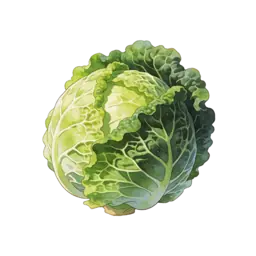
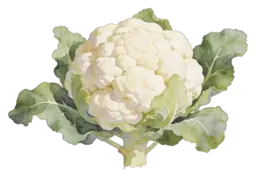
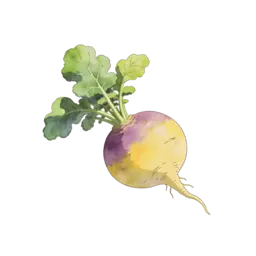
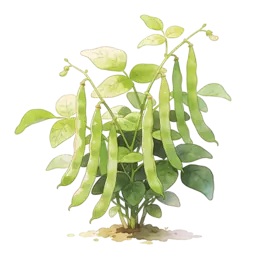
Keep apart
Group it in the same bedPlants with the same watering or the same sun
They are not essential companions, but you will not have to water or position them differently.
Same watering · Moderate watering
Compare with similar varieties
| Variety | Sowing | Harvest | Days | Spacing | Difficulty |
|---|---|---|---|---|---|
| Rainbow chard | Mar–Apr, Aug–Sep | May–Jun, Oct–Nov | ~55 | 30 cm | Easy |
| White-stemmed Swiss chard | Feb–Apr, Aug–Sep | May–Jul, Oct–Dec | ~60 | 30 cm | Easy |
08Pests and diseases
Critters and ailments to keep an eye on
The most common ones on this plant. Tap one to see how to recognise it and what to do.