Credits and licences
- #1 — vueltaalhuerto illustration
- #2 — vueltaalhuerto illustration
- #3 — vueltaalhuerto illustration
- #4 — vueltaalhuerto illustration
- #5 — vueltaalhuerto illustration
- #6 — vueltaalhuerto illustration
- #7 — vueltaalhuerto illustration
- #8 — vueltaalhuerto illustration
- #9 — vueltaalhuerto illustration
Red Globe table grape
and 3 more names
grape, grapevine, vineRed Globe table grape is planted from December to March. It is harvested from September to October. Grow it in full sun, 200 cm apart, with moderate watering. Dates are for a mild temperate climate in the northern hemisphere; the calendar below adjusts them to your zone.
A pink grape with very large, round, crisp berries that contain seeds. It produces showy bunches that keep for a long time.
Family and origin: Grape family (Vitaceae) · native to United States (California) · More plants from North America
01In your area
How will it do in your garden?
Year calendar
| Task | J | F | M | A | M | J | J | A | S | O | N | D |
|---|---|---|---|---|---|---|---|---|---|---|---|---|
| Plant / transplantDec–Mar | yes | yes | yes | no | no | no | no | no | no | no | no | yes |
| HarvestSep–Oct | no | no | no | no | no | no | no | no | yes | yes | no | no |
| FloweringMay–Jun | no | no | no | no | yes | yes | no | no | no | no | no | no |
| PruningDec–Feb | yes | yes | no | no | no | no | no | no | no | no | no | yes |
| CuttingsJan–Feb | yes | yes | no | no | no | no | no | no | no | no | no | no |
Its life cycle at a glance
Swipe and tap a stage to see its details.
02Planting
Where and how to plant it
Leave 2 m between plants and 3 m between rows; give it a stake from the start.
2 m between plants · 3 m between rows
Seedlings are planted with the root ball level with the soil.
- In a square-foot bed
- 1 plant every 49 squares30 × 30 cm squares
- Transplanting
- Dec–Mar
- Support
- Needs a stake
03Care
Care through the year
Sun and aspectFull sun · 8 h of sun · South or south-west, with nothing casting shade at midday
- Too little sun
- Ideal range
- Plenty of sun
South or south-west, with nothing casting shade at midday
Strong sun: Loves full midday sun and high temperatures.
- TipA late-season table grape with very large berries, which needs warmth and plenty of sun.
WateringMoist but never waterlogged · summer: every 2-3 days
- Summerevery 2-3 days12 L per tree/week
- Spring / Autumnevery 4-5 days6 L per tree/week
- Winterevery 2-3 weeks1.8 L per tree/week
Moist but never waterlogged: Water before the surface is completely dry. Never puddles. Mulch: straw or dry plant material cuts watering by 30-50 %.
When to water? Push your finger 3 cm into the soil next to the base of the plant:
- Damp: soil sticks to your finger. Do not water today. The moisture is fine.
- Cool but clean, no mud. Water early tomorrow if it stays like this, or this evening.
- Dry and dusty. Water now, and deeply. This is not where it likes to be.
- TipWatch out for powdery mildew and downy mildew in wet springs and keep watering regular until veraison (when the berries start to soften and change colour), and sparser afterwards.
- Common mistakeOverwatering in summer swells the fruit but takes away its flavour.
Soil and feedingDeep, free-draining, not too rich soil
Deep, free-draining, not too rich soil.
Topsoil + 20-30 % coarse sand or fine gravel. Little compost.
High: wet feet rot the vine.
This plant prefers a pH between 6.0 and 7.5 (slightly acidic to slightly alkaline).
- Very fertile soil gives lots of leaf and shoots, little fruit and poor quality.
- Frequent watering in summer swells the fruit and takes away its sugar.
PruningWhen: Dec–Feb
Pruning time for this plant: Dec–Feb.
- TipWinter pruning concentrates the sap and improves next year's fruit.
- Common mistakeNot pruning leaves an unproductive tangle that is prone to disease.
Common mistakes and tips
- TipIt is trained on a pergola or high trellis; thin the bunches and berries after fruit set, because if the vine carries too much fruit the berries do not reach full size or colour up.
- TipIn very hot areas where the nights do not cool down it also struggles to colour.
- TipGive it a sturdy support (pergola, wires) from the start.
04Harvest
Harvesting and storing
Harvest in Sep–Oct.
05Propagation
Make new plants
Plant it bare-root in winter or container-grown at any time of year. Phylloxera is present in almost all of Spain, so the usual thing is to buy a plant grafted onto an American rootstock (110 Richter, 1103 Paulsen, SO4…). Canes rooted in January and February only do well on their own roots in very sandy soils, where phylloxera hardly spreads.
06Uses and health
What it is used for, and with what care
DANGER for dogs: grapes are toxic (kidney failure). Never give them any. If eaten, this is a veterinary emergency.
- Properties
- A large, crisp grape, rich in antioxidants.
- Uses
- Fresh grapes.
For guidance only; this is not medical treatment and does not replace advice from a doctor or vet.
07Companions and related plants
What to plant it with
Good companions
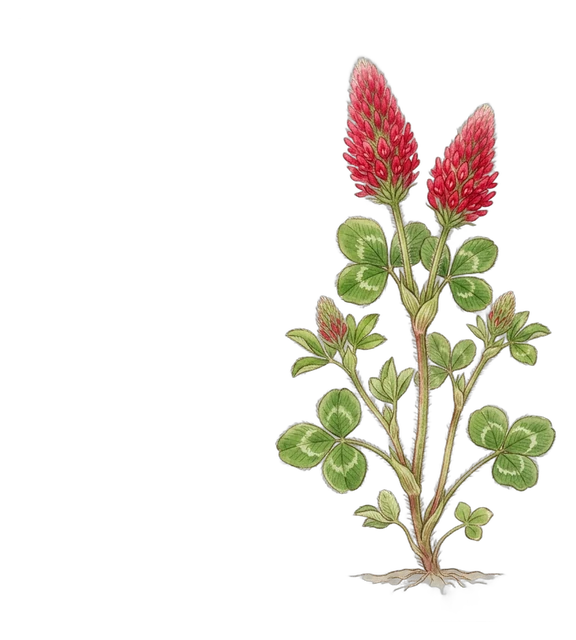
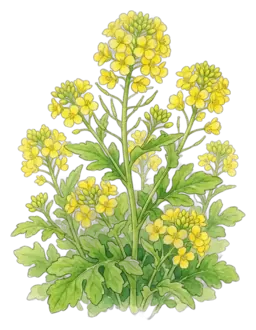
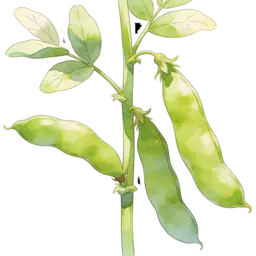
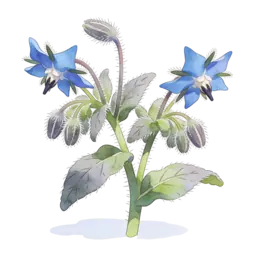
Group it in the same bedPlants with the same watering or the same sun
They are not essential companions, but you will not have to water or position them differently.
Same watering · Moderate watering
08Pests and diseases
Critters and ailments to keep an eye on
The most common ones on this plant. Tap one to see how to recognise it and what to do.
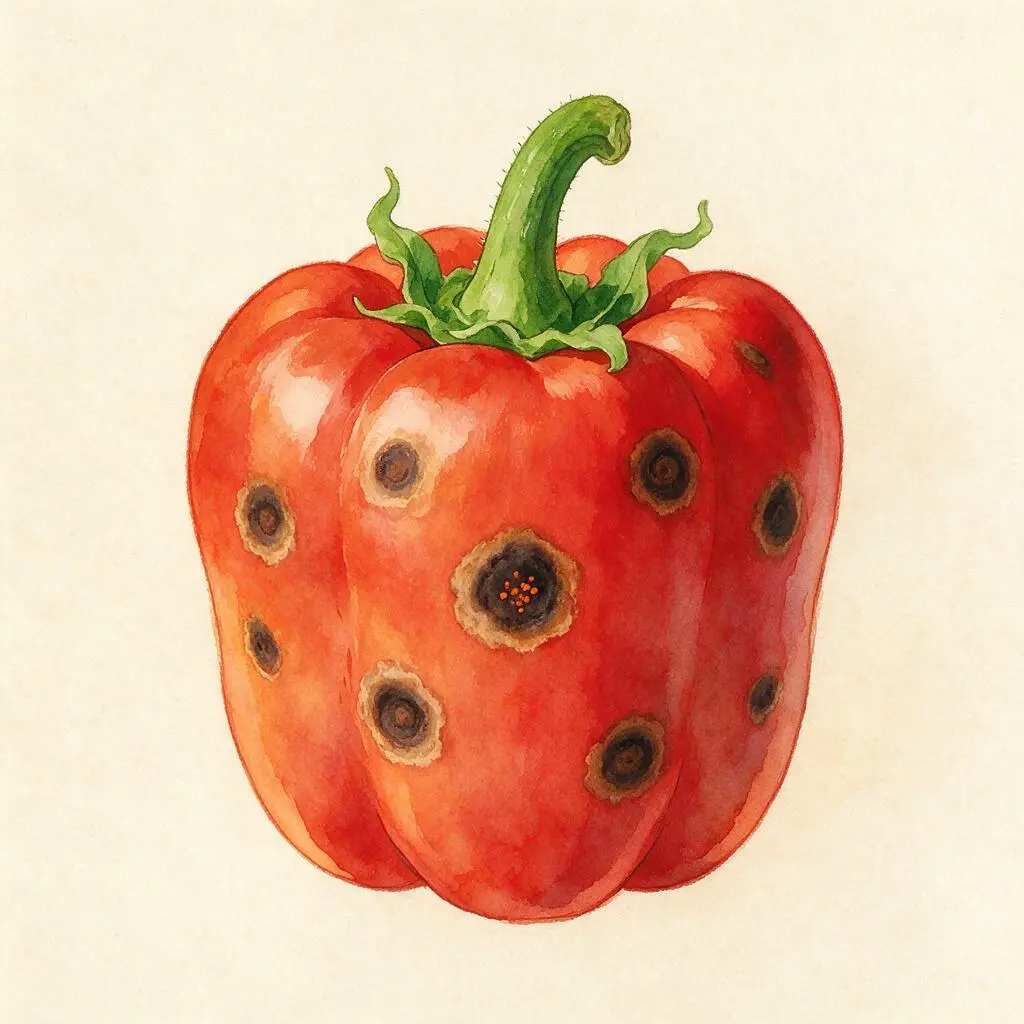
- AnthracnoseModerateA fungus that produces sunken, round, dark spots on fruit, with concentric rings and, in damp weather, pink or
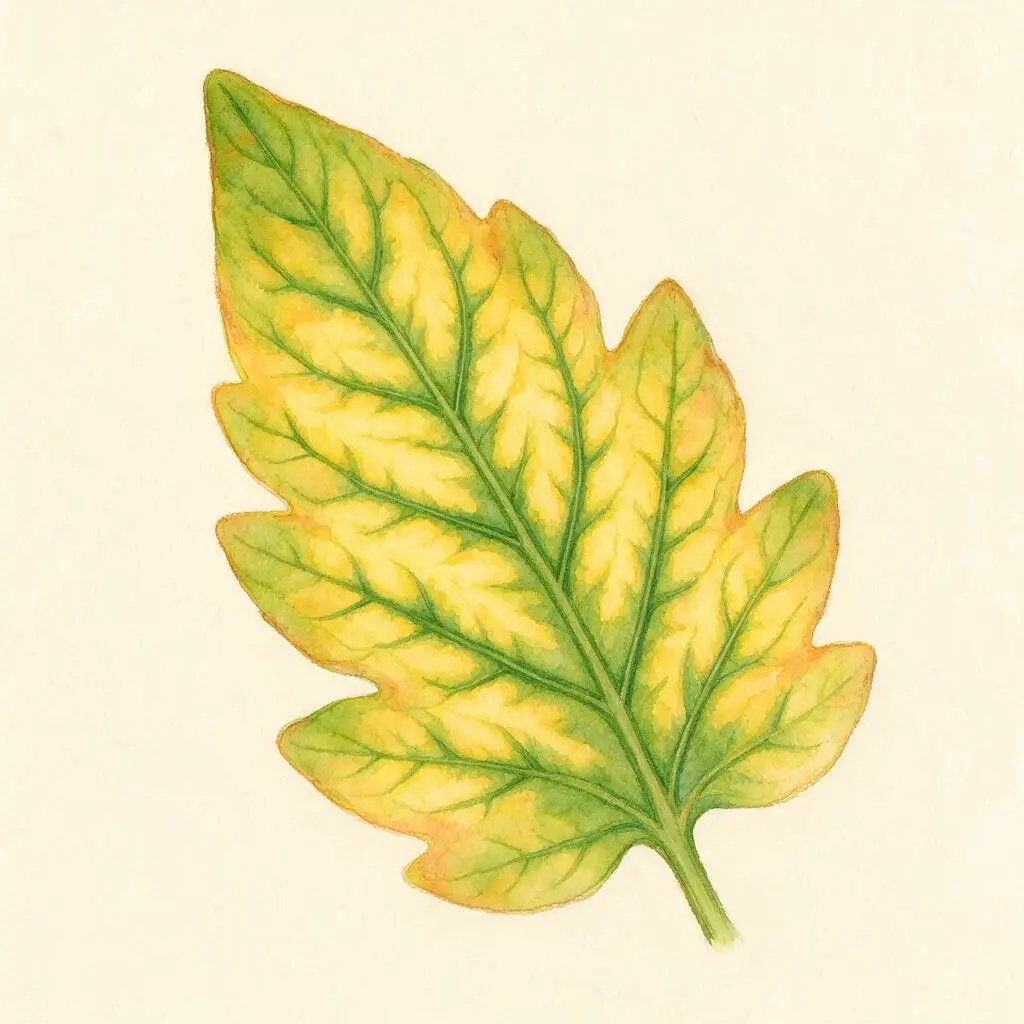
- Magnesium deficiencyModerateMagnesium is the central atom of chlorophyll
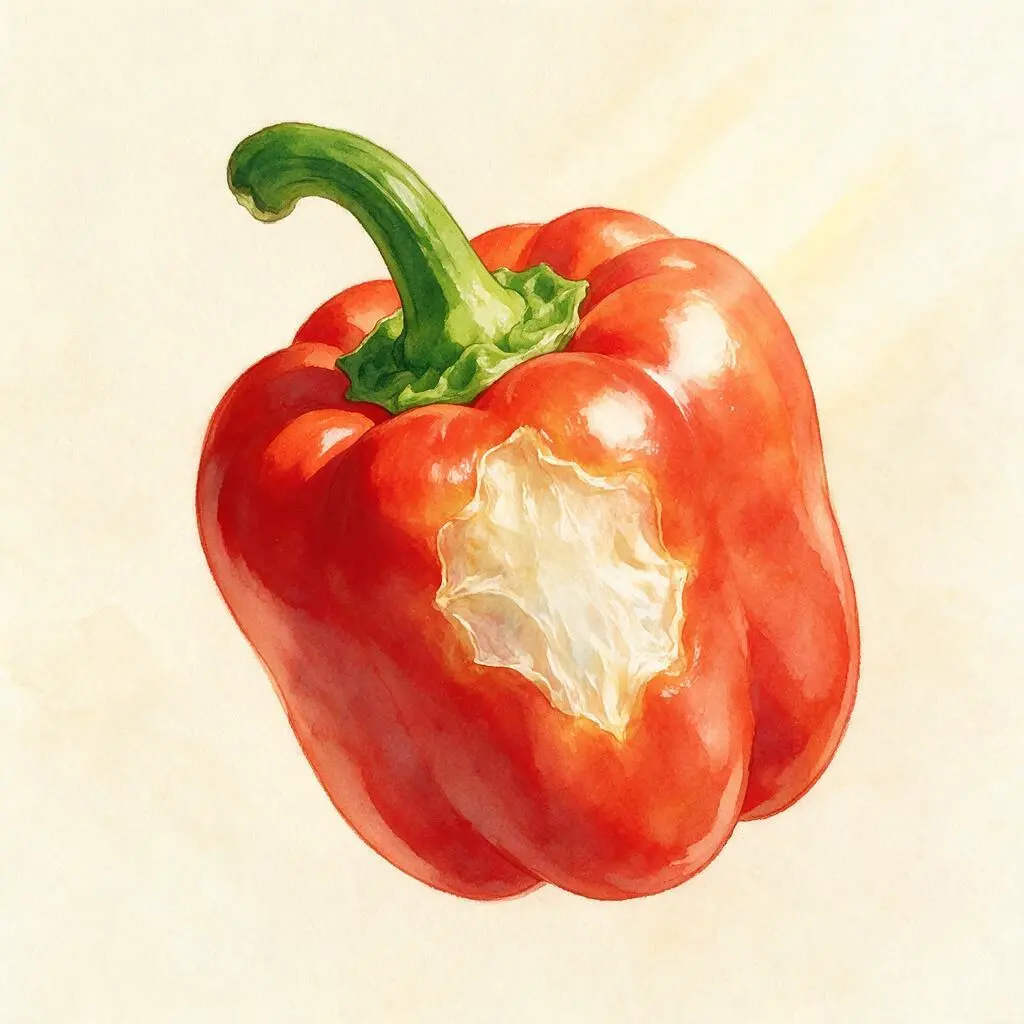
- SunscaldMildAreas of fruit or leaves exposed to direct sun that burn because of extreme temperatures or because they are s
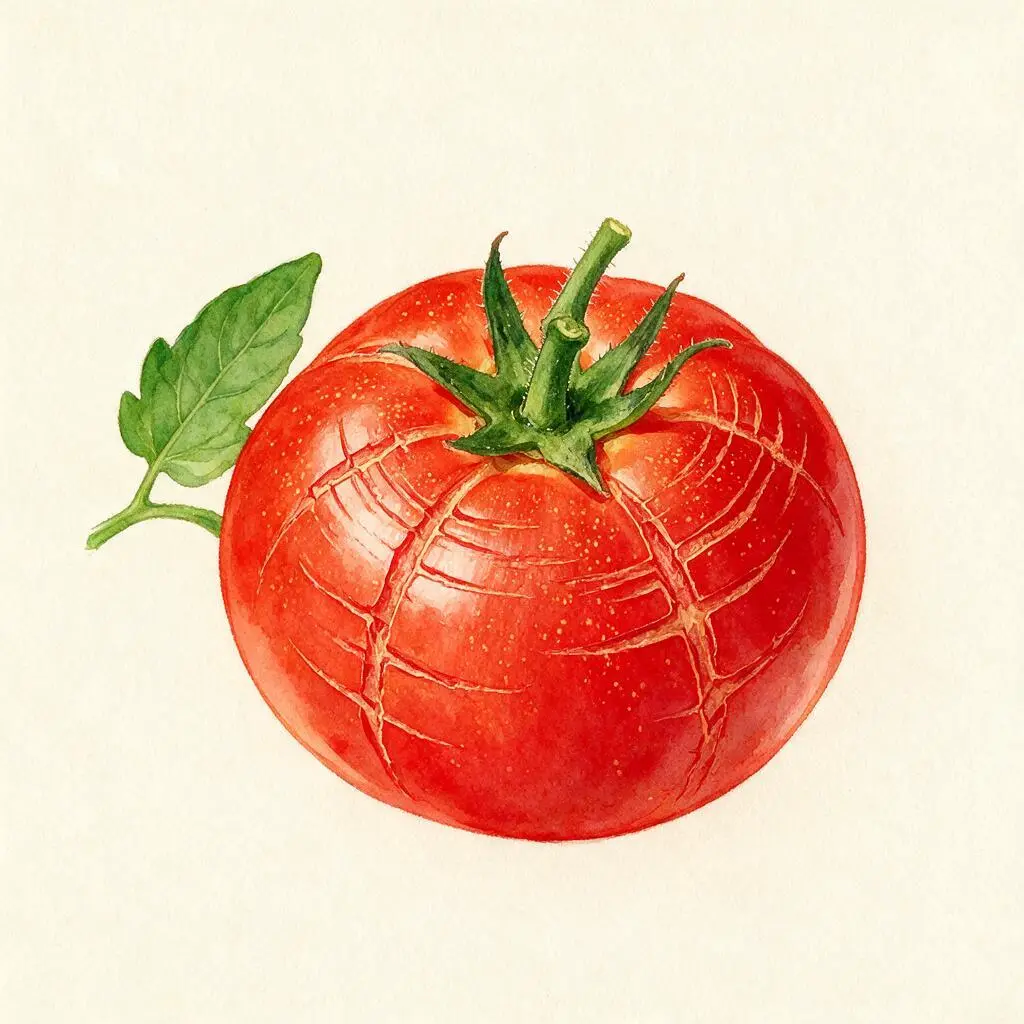
- Fruit splittingMildConcentric or radial cracks in the skin of the fruit caused by taking up water suddenly after a dry spell