
Credits and licences
- #1 — vueltaalhuerto illustration
- #2 — vueltaalhuerto illustration
- #3 — vueltaalhuerto illustration
- #4 — vueltaalhuerto illustration
- #5 — vueltaalhuerto illustration
- #6 — vueltaalhuerto illustration
- #7 — vueltaalhuerto illustration
- #8 — vueltaalhuerto illustration
- #9 — vueltaalhuerto illustration
- #10 — vueltaalhuerto illustration
Three-cornered leek
and 1 more names
Allium triquetrumThree-cornered leek is sown directly outdoors from September to October. It is harvested from November to April (about 150 days to the first harvest). Grow it in sun or partial shade, 10 cm apart, with moderate watering. Dates are for a mild temperate climate in the northern hemisphere; the calendar below adjusts them to your zone.
What else to sow in September and October
A bulbous perennial 20 to 40 cm tall, with long, soft, strap-like leaves that have a pronounced keel giving them a triangular cross-section, and a three-angled flower stem, hence its name. From February to May it produces a one-sided umbel of white, hanging, bell-shaped flowers, with a green stripe on each petal. All parts smell and taste of mild onion and garlic: the tender leaves, the buds and flowers, and the small bulbs are used, like chives or green garlic. It grows through the winter, sprouting in autumn, flowering in spring and dying back in summer. It spreads easily by bulblets and by seed (which ants disperse) and behaves as an invasive in some areas; it is not on the Spanish Catalogue of Invasive Alien Species (Catálogo español de especies exóticas invasoras) or the EU list, but it should not be released into the countryside. Be careful: it looks like toxic plants such as snowflakes (Leucojum), daffodils or lily of the valley; if the crushed leaf does not smell of onion or garlic, do not eat it.
Family and origin: Amaryllis family (Amaryllidaceae) · native to Western Mediterranean region (southern Europe, North Africa and Macaronesia); naturalised in the rest of Europe, Australia and other temperate areas · More plants from Mediterranean basin
01In your area
How will it do in your garden?
Year calendar
| Task | J | F | M | A | M | J | J | A | S | O | N | D |
|---|---|---|---|---|---|---|---|---|---|---|---|---|
| Direct sowingSep–Oct | no | no | no | no | no | no | no | no | yes | yes | no | no |
| Plant / transplantSep–Nov | no | no | no | no | no | no | no | no | yes | yes | yes | no |
| HarvestNov–Apr | yes | yes | yes | yes | no | no | no | no | no | no | yes | yes |
| FloweringFeb–May | no | yes | yes | yes | yes | no | no | no | no | no | no | no |
| Divide the clumpJun–Sep | no | no | no | no | no | yes | yes | yes | yes | no | no | no |
Its life cycle at a glance
Swipe and tap a stage to see its details.
02Planting
Where and how to plant it
Sow the seed 5 cm deep; leave 10 cm between plants and 20 cm between rows.
10 cm between plants · 20 cm between rows
Seed at a depth of 5 cm; seedlings go in with the root ball level with the soil.
- In a square-foot bed
- 9 plants per square30 × 30 cm squares
- Transplanting
- Sep–Nov
- Direct sowing
- Sep–Oct
- Germination
- ~30 days
- TipPlant it in a shady border or in a corner of the vegetable garden where it can spread without getting in the way, ideally in a pot or an edged bed if you do not want it to take over.
03Care
Care through the year
Sun and aspectSun and shade · 5 h of sun · shade in summer
- Too little sun
- Ideal range
- Plenty of sun
East, or south with light shade during the middle of the day
Moderate sun: Copes with full sun, but give it some shade during heatwaves.
Partial shade or gentle sun; it tolerates full sun in winter and spring, but the top growth dies back in summer anyway. It grows more lushly in cool, shady corners.
WateringMoist but never waterlogged · summer: every 2-3 days
- Summerevery 2-3 days0.8 L per plant/week
- Spring / Autumnevery 4-5 days0.4 L per plant/week
- Winterevery 2-3 weeks0.1 L per plant/week
Moist but never waterlogged: Water before the surface is completely dry. Never puddles. Mulch: straw or dry plant material cuts watering by 30-50 %.
Water moderately in autumn and winter if there is not enough rain, to keep the soil slightly moist. In summer the plant is dormant and needs no water; very waterlogged soil can rot the bulbs.
When to water? Push your finger 3 cm into the soil next to the base of the plant:
- Damp: soil sticks to your finger. Do not water today. The moisture is fine.
- Cool but clean, no mud. Water early tomorrow if it stays like this, or this evening.
- Dry and dusty. Water now, and deeply. This is not where it likes to be.
- Common mistakeOverwatering: most prefer to dry out between waterings.
Soil and feedingpH 6–7.5 · Free-draining, airy mix
Free-draining, airy mix.
40 % topsoil · 30 % coarse sand or perlite · 30 % well-rotted compost (less compost for Mediterranean herbs).
High: almost all prefer being thirsty to being wet.
This plant prefers a pH between 6.0 and 7.5 (slightly acidic to slightly alkaline).
- Mediterranean herbs in very rich, heavily watered soil: they grow a lot but lose their aroma.
- A pot without a drainage hole: the roots rot within weeks.
- TipMany Mediterranean herbs prefer poor soil and little water: more aroma.
Pruning
- TipPinch out the tips often so it branches and does not run to seed so soon.
Common mistakes and tips
- TipCut the tender leaves, flowers and buds from autumn to spring, always leaving part of the clump to regrow.
- TipIn summer the top growth dies back and the bulb remains dormant; do not throw it away thinking it is dead.
- TipCut the flower stems before the seeds set, do not dump the remains in the countryside or roadside ditches, and do not release it into the wild.
- Common mistakeLetting them flower early makes the leaves bitter (in leafy herbs).
04Harvest
Harvesting and storing
Harvest in Nov–Apr; the first, about 150 days after sowing.
- TipBefore picking, crush a leaf and check that it smells of onion or garlic; wash it well and only pick it from clean places, away from paths and treated areas.
05Propagation
Make new plants
It is propagated mainly by dividing the clumps and by bulblets: in late summer or autumn, separate the bulbs with their roots and plant them about 5 cm deep and 10 cm apart. It can also be grown from seed, sown in late summer or autumn and covered with about 3 to 5 mm of soil; it germinates within a few weeks at mild temperatures. It self-seeds very readily, so if you do not want it to spread, cut the flower stems before the seeds ripen.
Seeds: how to germinate them~30 days
06Uses and health
What it is used for, and with what care
WARNING: it is edible for people, but like all Allium species it can cause digestive upset if eaten in excess. DANGER OF CONFUSION: it looks like snowflakes and snowdrops (Leucojum, Galanthus), daffodils and lily of the valley (Convallaria), which are toxic; only pick plants that clearly smell of onion or garlic when you crush a leaf. It is toxic to dogs and cats: alliums can damage red blood cells and cause vomiting, diarrhoea and weakness, especially in cats, so do not let them eat it. INVASIVE: it naturalises and spreads easily by bulblets and by seed, and in some places it behaves as an invasive; it is not among the species regulated by the Spanish Catalogue or the EU, but do not release it into the wild, avoid giving away bulbs for planting in the countryside and dispose of the remains carefully.
- Properties
- It has a mild garlic and onion flavour, with the properties of other alliums such as chives, and provides fresh greens in winter, when there are few leaves in the vegetable garden.
- Uses
- The tender leaves, buds and flowers are used raw and chopped in salads, omelettes, soups, sauces and cheeses, and the small bulbs like green garlic or spring onions. Add them at the end so they do not lose their aroma. It is an edible plant widely used in foraged cooking, but it is not used to treat illnesses.
For guidance only; this is not medical treatment and does not replace advice from a doctor or vet.
07Companions and related plants
What to plant it with
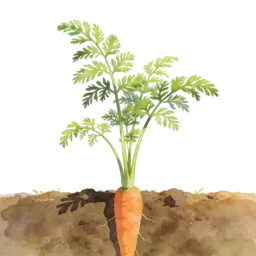
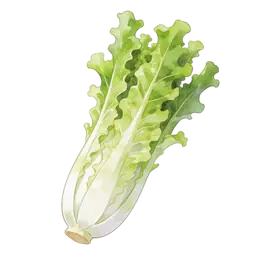
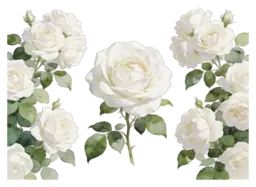
Keep apart
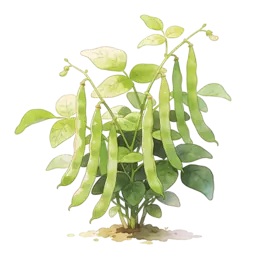
Group it in the same bedPlants with the same watering or the same sun
They are not essential companions, but you will not have to water or position them differently.
Same watering · Moderate watering
Compare with similar varieties
| Variety | Sowing | Harvest | Days | Spacing | Difficulty |
|---|---|---|---|---|---|
| Garlic chives (Chinese chives) | Mar–Apr | Apr–Oct | — | 20 cm | Easy |
| Chives | Mar–Apr | Apr–Oct | — | 20 cm | Easy |
| Three-cornered leek | Sep–Oct | Nov–Apr | ~150 | 10 cm | Easy |