Credits and licences
- #1 — vueltaalhuerto illustration
- #2 — vueltaalhuerto illustration
- #3 — vueltaalhuerto illustration
- #4 — vueltaalhuerto illustration
- #5 — vueltaalhuerto illustration
- #6 — vueltaalhuerto illustration
- #7 — vueltaalhuerto illustration
- #8 — vueltaalhuerto illustration
- #9 — vueltaalhuerto illustration
- #10 — vueltaalhuerto illustration
Tamarillo (tree tomato)
and 2 more names
Cyphomandra betacea, tamarillosTamarillo (tree tomato) is sown in seed trays from February to April, and planted out from April to May. It is harvested from November to April (about 540 days to the first harvest). Grow it in sun or partial shade, 300 cm apart, with moderate watering. Dates are for a mild temperate climate in the northern hemisphere; the calendar below adjusts them to your zone.
What else to sow in February, March and April
A small Andean tree 2 to 4 m tall, short-lived (about ten to fifteen years), with large, heart-shaped, slightly downy leaves, pale pink flowers in clusters and oval, pointed fruits with smooth red or yellow skin that hang in bunches. The orange flesh, with dark seeds, has a sweet-and-sour flavour halfway between tomato and passion fruit, and is eaten with a spoon or used in sauces, juices and jams; the skin is bitter and is not eaten. It is sensitive to cold and wind, so it only crops well on the frost-free Spanish Mediterranean coast, in the Canary Islands and in warm, sheltered areas, or in a large pot protected in winter. Only the ripe fruit without its skin is eaten; the rest of the plant is not. Do not confuse it with the common tomato or with the tomatillo.
Family and origin: Nightshade family (Solanaceae) · native to The Andes (Peru, Bolivia, Ecuador and Colombia) · More plants from Andes
01In your area
How will it do in your garden?
Year calendar
| Task | J | F | M | A | M | J | J | A | S | O | N | D |
|---|---|---|---|---|---|---|---|---|---|---|---|---|
| Seed trayFeb–Apr | no | yes | yes | yes | no | no | no | no | no | no | no | no |
| Plant / transplantApr–May | no | no | no | yes | yes | no | no | no | no | no | no | no |
| HarvestNov–Apr | yes | yes | yes | yes | no | no | no | no | no | no | yes | yes |
| PruningApr–May | no | no | no | yes | yes | no | no | no | no | no | no | no |
| CuttingsMay–Jul | no | no | no | no | yes | yes | yes | no | no | no | no | no |
Its life cycle at a glance
Swipe and tap a stage to see its details.
02Planting
Where and how to plant it
Sow the seed 5 mm deep; leave 3 m between plants and 4 m between rows.
3 m between plants · 4 m between rows
Seed at a depth of 5 mm; seedlings go in with the root ball level with the soil.
- In a square-foot bed
- 1 plant every 100 squares30 × 30 cm squares
- Transplanting
- Apr–May
- Seed tray
- Feb–Apr
- Germination
- ~21 days
03Care
Care through the year
Sun and aspectSun and shade · 5 h of sun · shade in summer
- Too little sun
- Ideal range
- Plenty of sun
East, or south with light shade in the middle of the day
Moderate sun: Copes with full sun, but give it some shade during heatwaves.
Sun during the milder hours and some shade at midday in harsh summers; the large leaves suffer from wind and the August sun. Plant it in the shelter of walls or hedges.
WateringMoist but never waterlogged · summer: every 2-3 days
- Summerevery 2-3 days30 L per tree/week
- Spring / Autumnevery 4-5 days15 L per tree/week
- Winterevery 2-3 weeks4.5 L per tree/week
Moist but never waterlogged: Water before the surface is completely dry. Never puddles. Mulch: straw or dry plant material cuts watering by 30-50 %.
Regular, moderate watering, with mulch, because the roots are shallow and dry out quickly. It does not tolerate waterlogging, which encourages root fungi, or heavy soil.
When to water? Push your finger 3 cm into the soil next to the base of the plant:
- Damp: soil sticks to your finger. Do not water today. The moisture is fine.
- Cool but clean, no mud. Water early tomorrow if it stays like this, or this evening.
- Dry and dusty. Water now, and deeply. This is not where it likes to be.
Soil and feedingpH 5.5–7 · A deep planting hole and well-drained soil
A deep planting hole and well-drained soil.
The site's own topsoil + 1/3 well-rotted compost + a handful of sand if there is clay.
Good: prolonged waterlogging rots the roots.
This plant prefers a pH between 5.5 and 7.0 (slightly acidic to neutral).
- Dig a hole at least 60×60×60 cm before planting.
- A thick mulch around the tree (not touching the trunk) reduces water stress.
- Spread compost on the surface every autumn; never bury the graft union.
- A narrow hole in hard ground: the roots end up trapped as if in a pot.
- Burying the graft encourages rot and takes vigour away from the rootstock.
- TipChoose a frost-free, sheltered spot with fertile, loose, well-drained soil.
- Common mistakeDo not bury the graft union (the bulge on the trunk): if it ends up below ground it rots. Leave it a little above the soil.
PruningWhen: Apr–May
Pruning time for this plant: Apr–May.
- TipPrune in spring to leave a few main branches so that it does not split under the weight of the fruit.
- TipPlant while dormant (autumn to winter) and shape the canopy by pruning in the first few years.
Common mistakes and tips
- TipIf there is frost, protect young trees with fleece.
04Harvest
Harvesting and storing
Harvest in Nov–Apr; the first, about 540 days after sowing.
- TipHarvest when the fruits are well coloured and give slightly when pressed; on a mature plant the harvest is spread over months.
- TipA good mulch and drip irrigation in summer make all the difference to the harvest.
05Propagation
Make new plants
It is propagated from seed, taken from fully ripe fruit, washed and sown in a seed tray with bottom heat; it germinates in three weeks, sometimes longer. It can also be propagated from semi-ripe cuttings in summer or from pieces of woody branch, which root easily, and this keeps the variety, red or yellow, which seed may not come true to.
06Uses and health
What it is used for, and with what care
It belongs to the Solanaceae: the ripe, peeled fruit can be eaten without problems, but the leaves, stems and green fruits contain alkaloids and must not be eaten. Some sensitive people may notice an itchy mouth or allergic reactions when eating it. There are no specific data for dogs and cats: as a precaution, keep them from chewing leaves and green fruits and consult a vet if in any doubt.
- Properties
- A fruit with vitamin C, provitamin A and fibre, low in calories; it is no substitute for any treatment.
- Uses
- The flesh of the ripe fruit is eaten, cut in half and scooped out with a spoon, or in sauces, juices, jams and desserts. The skin is bitter and is not eaten: peel the fruit or scoop out the flesh with a spoon. The leaves and green fruits are not eaten.
For guidance only; this is not medical treatment and does not replace advice from a doctor or vet.
07Companions and related plants
What to plant it with
Good companions
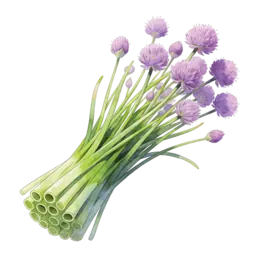
Keep apart
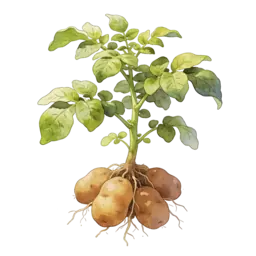
Group it in the same bedPlants with the same watering or the same sun
They are not essential companions, but you will not have to water or position them differently.
Same watering · Moderate watering
Compare with similar varieties
| Variety | Sowing | Harvest | Days | Spacing | Difficulty |
|---|---|---|---|---|---|
| Tomato 'Black Krim' | Feb–Mar | Jul–Sep | ~85 | 60 cm | Moderate |
| Tomato 'Brandywine' | Feb–Mar | Aug–Sep | ~95 | 65 cm | Moderate |
| Tomato 'Cherry Roma' | Feb–Mar | Jun–Oct | ~70 | 50 cm | Easy |
| Tomato 'Costoluto Genovese' | Feb–Mar | Jul–Sep | ~85 | 60 cm | Moderate |
| Tomato 'Cuore di Bue' | Feb–Mar | Jul–Sep | ~85 | 60 cm | Moderate |
| Tomato 'Green Zebra' | Feb–Mar | Jul–Sep | ~78 | 50 cm | Moderate |
| Tomato 'Kumato' | Feb–Mar | Jul–Oct | ~80 | 55 cm | Moderate |
| Tomato 'Mar Azul' | Feb–Mar | Jul–Sep | ~80 | 60 cm | Moderate |
| Tomato 'Marmande' | Feb–Mar | Jul–Sep | ~80 | 60 cm | Moderate |
| Tomato 'Montserrat' | Feb–Mar | Jul–Sep | ~80 | 60 cm | Moderate |
| Tomato 'Muchamiel' | Jan–Mar | Jun–Aug | ~75 | 60 cm | Moderate |
| Tomato 'Roma' | Feb–Mar | Jul–Sep | ~80 | 50 cm | Moderate |
| Tomato 'Pera de Girona' | Feb–Mar | Jul–Sep | ~80 | 55 cm | Easy |
| Tomato 'Raf' | Aug–Sep | Dec–Apr | ~110 | 60 cm | Difficult |
| Tomato 'Rosa de Barbastro' | Feb–Mar | Jul–Sep | ~95 | 70 cm | Moderate |
| Tomato 'San Marzano' | Feb–Mar | Jul–Sep | ~85 | 50 cm | Moderate |
08Pests and diseases
Critters and ailments to keep an eye on
The most common ones on this plant. Tap one to see how to recognise it and what to do.
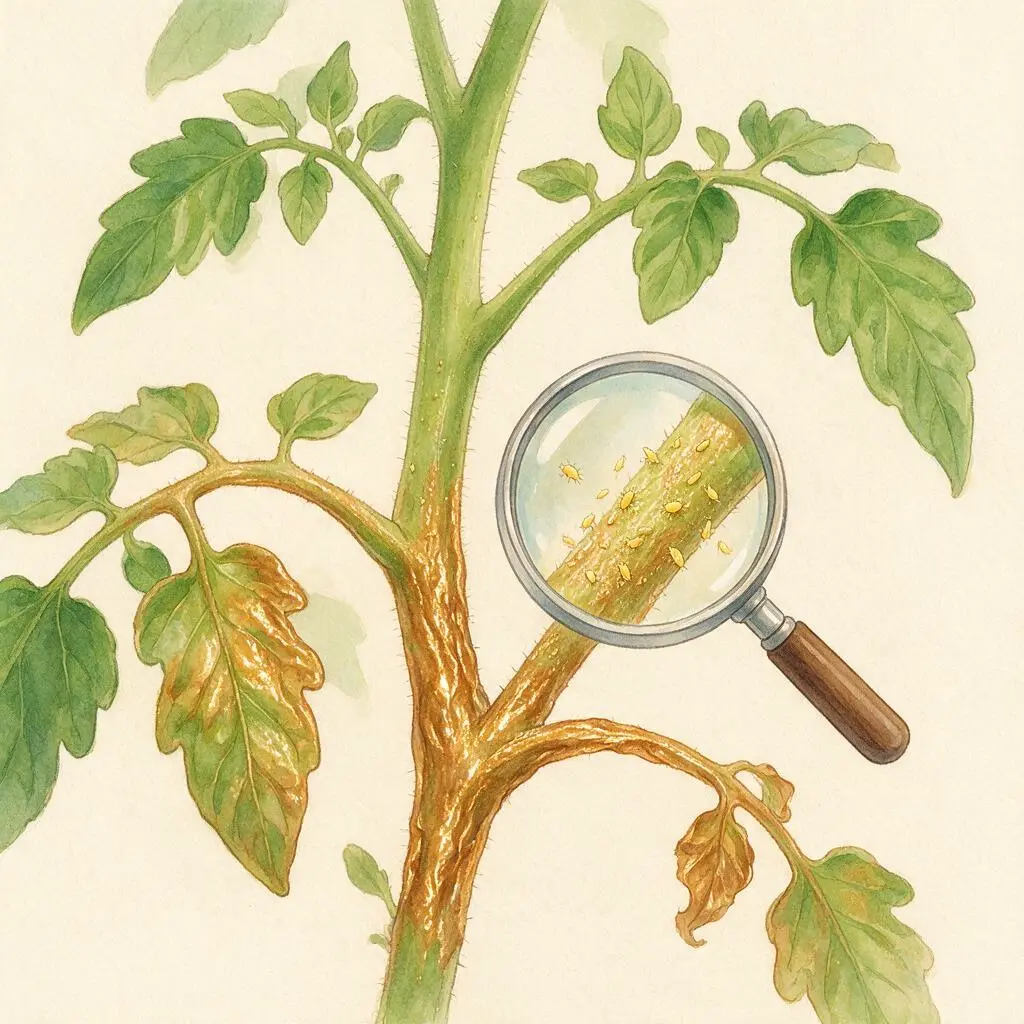
- Tomato russet miteSeriousA tiny mite (about 0.15 mm), invisible to the naked eye, that bronzes the stems and lower leaves of tomatoes
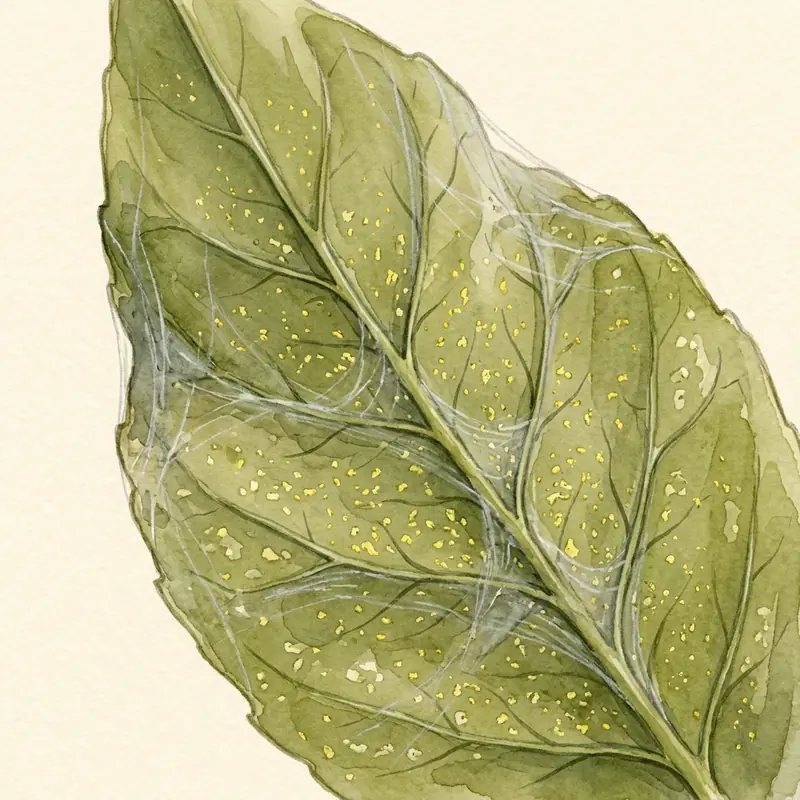
- Red spider miteSeriousA minute, almost invisible mite that settles on the undersides of leaves in hot, dry weather
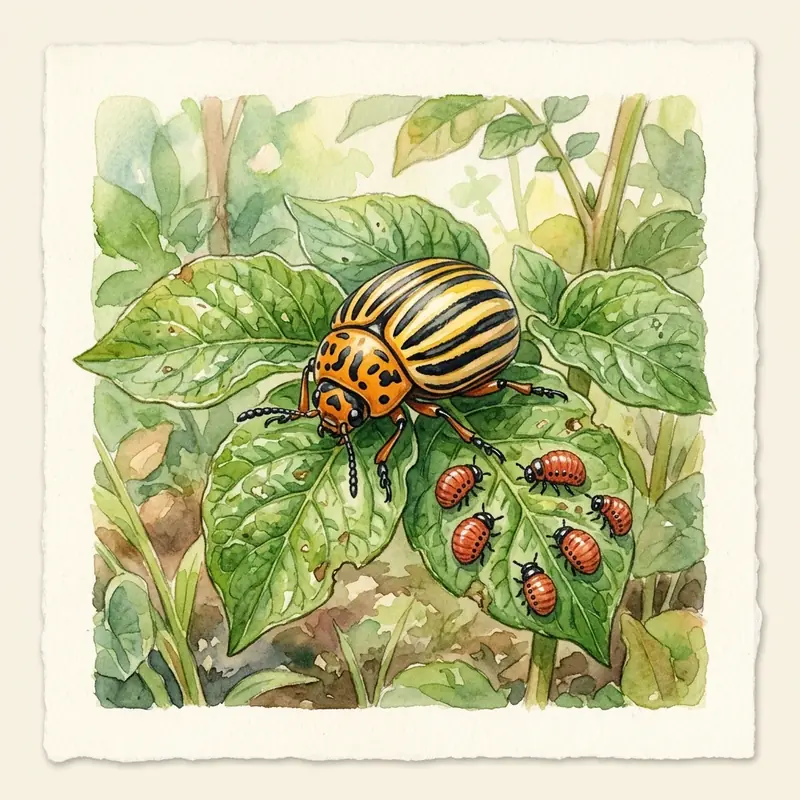
- Colorado potato beetleSeriousA yellow-and-black striped beetle whose voracious reddish larvae devour potato leaves
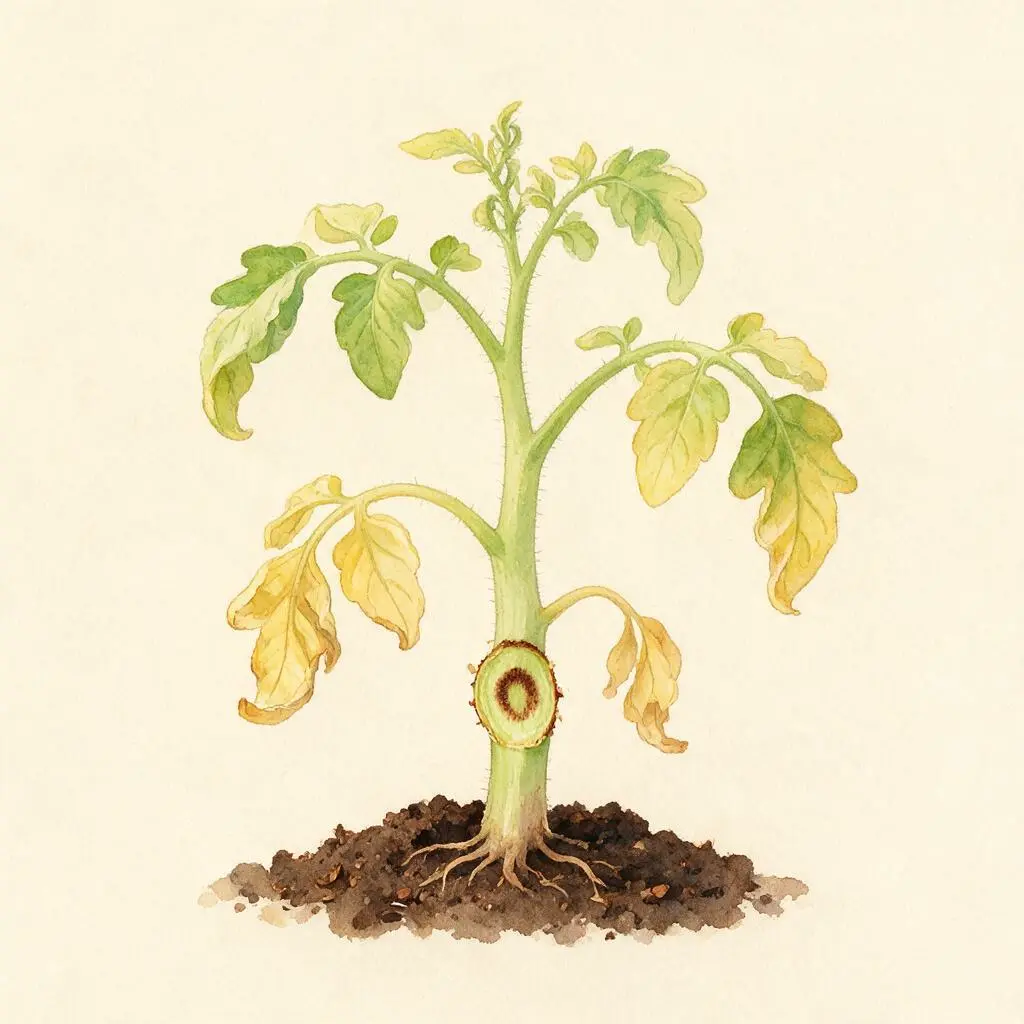
- Fusarium wiltSeriousA soil fungus that blocks the plant's water-conducting vessels
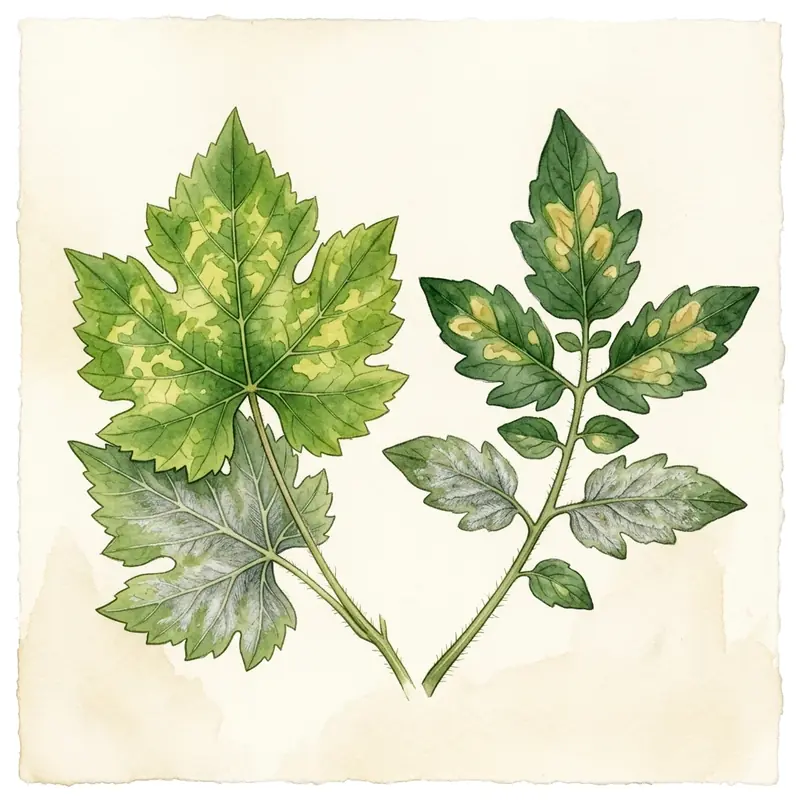
- Downy mildewSeriousA very destructive disease encouraged by damp conditions
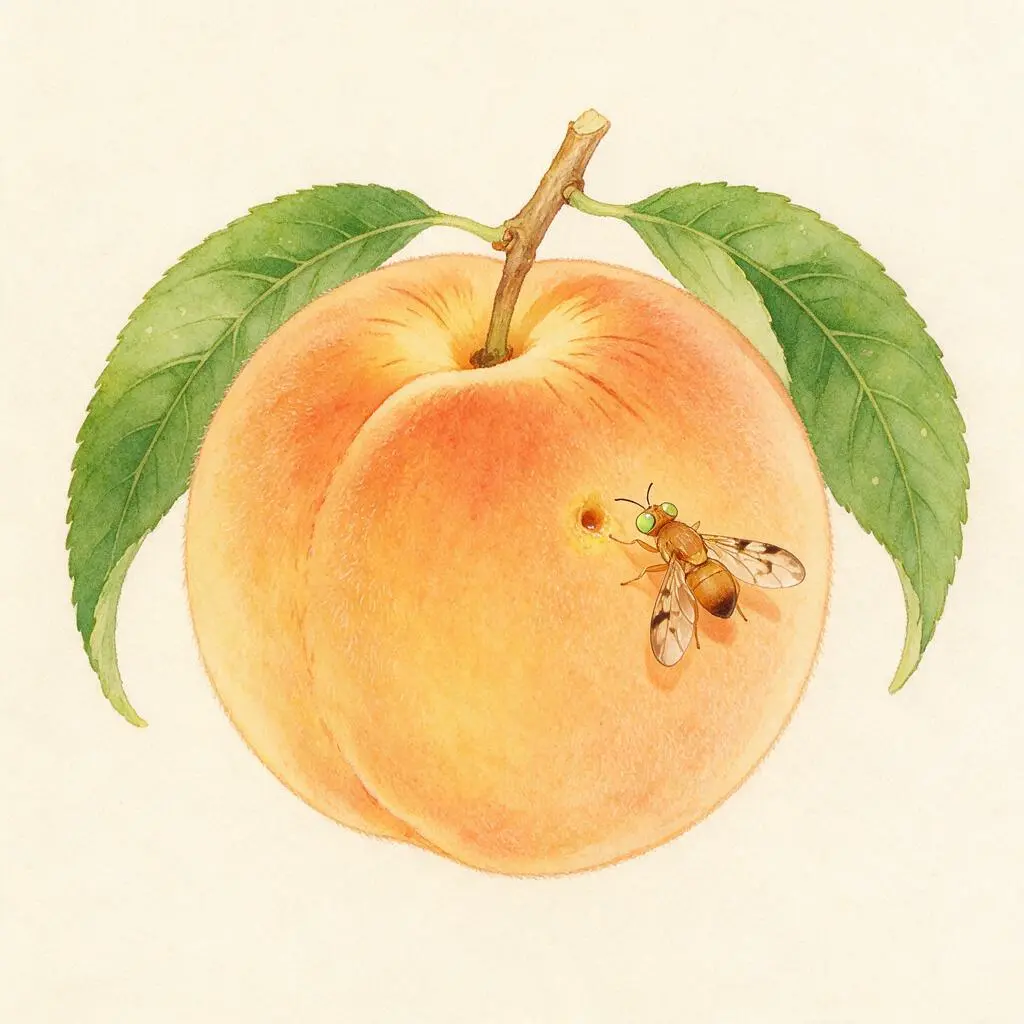
- Mediterranean fruit flySeriousA yellowish fly with mottled wings that stings ripe fruit to lay its eggs