
Credits and licences
- #1 — vueltaalhuerto illustration
- #2 — vueltaalhuerto illustration
- #3 — vueltaalhuerto illustration
- #4 — vueltaalhuerto illustration
- #5 — vueltaalhuerto illustration
- #6 — vueltaalhuerto illustration
- #7 — vueltaalhuerto illustration
- #8 — vueltaalhuerto illustration
- #9 — vueltaalhuerto illustration
- #10 — vueltaalhuerto illustration
Spelt
and 1 more names
Triticum speltaSpelt is sown directly outdoors from October to November. It is harvested from July to August (about 250 days to the first harvest). Grow it in full sun, 5 cm apart, with little watering. Dates are for a mild temperate climate in the northern hemisphere; the calendar below adjusts them to your zone.
What else to sow in October and November
A winter cereal, an ancient wheat with tall stalks of 1 to 1.5 m and long, rather loose ears with well-spaced spikelets that turn golden as they ripen. It is hardy, copes well with cold, poor soils and damp, and needs less fertiliser than common wheat. Its grain is hulled: it comes out of threshing still wrapped in a tough husk that has to be removed before milling, with a stone mill or a dehuller, which makes home growing more complicated. It is sown in autumn and harvested in high summer, and it gives a slightly nutty flour used in bread, pasta and baking. It contains gluten, so it is not suitable for people with coeliac disease. Do not confuse it with farro, a name also given to other hulled wheats such as emmer (Triticum dicoccum).
Family and origin: Grass family (Poaceae) · native to The Near East and Europe; it has been grown for centuries in northern Spain, especially in Asturias, where it is called escanda · More plants from Fertile Crescent
01In your area
How will it do in your garden?
Year calendar
| Task | J | F | M | A | M | J | J | A | S | O | N | D |
|---|---|---|---|---|---|---|---|---|---|---|---|---|
| Direct sowingOct–Nov | no | no | no | no | no | no | no | no | no | yes | yes | no |
| HarvestJul–Aug | no | no | no | no | no | no | yes | yes | no | no | no | no |
| FloweringMay–Jun | no | no | no | no | yes | yes | no | no | no | no | no | no |
Its life cycle at a glance
Swipe and tap a stage to see its details.
02Planting
Where and how to plant it
Sow the seed 3 cm deep; leave 5 cm between plants and 18 cm between rows; give it a stake from the start.
5 cm between plants · 18 cm between rows
Seed at a depth of 3 cm.
- In a square-foot bed
- 36 plants per square30 × 30 cm squares
- Direct sowing
- Oct–Nov
- Germination
- ~10 days
- Support
- Needs a stake
- Common mistakePlanting too close together cuts down air flow and encourages fungal disease.
03Care
Care through the year
Sun and aspectFull sun · 8 h of sun · South or south-west, with nothing casting shade at midday
- Too little sun
- Ideal range
- Plenty of sun
South or south-west, with nothing casting shade at midday
Strong sun: Loves full midday sun and high temperatures.
Full sun. As a winter cereal, it spends the cold months in growth and ripens with the warmth of early summer; in shade it flops over and yields poorly.
WateringLet it dry out between waterings · summer: every 5-7 days
- Summerevery 5-7 days1 L per plant/week
- Spring / Autumnevery 10-14 days0.4 L per plant/week
- Winteronly in extreme drought (once a month)0.2 L per plant/week
Let it dry out between waterings: A Mediterranean favourite: better thirsty than overwatered.
In a Mediterranean climate it hardly needs watering if sown in autumn, because it manages on winter and spring rainfall. If the spring is very dry, a light watering when the stems are lengthening helps the grain fill. It hates waterlogged soils.
When to water? Push your finger 5 cm into the soil next to the base of the plant:
- Damp: soil sticks to your finger. Do not water yet. It has more than enough; wait for it to dry out more.
- Cool but clean, no mud. Wait another 1-2 days before watering.
- Dry and dusty. Water now, but moderately. Do not overdo it: it prefers thirst to excess.
Soil and feedingpH 6–7.5 · Rich, airy loam
Rich, airy loam.
40 % topsoil · 40 % well-rotted compost · 20 % perlite or sand.
Medium: moist but never waterlogged.
This plant prefers a pH between 6.0 and 7.5 (slightly acidic to slightly alkaline).
- Well-rotted compost every season and well-decomposed manure in autumn.
- Mulch with straw or dry plant material to hold moisture and smother weeds.
- Rotate crops: do not grow the same family in the same spot two years running.
- Compacted soil or unbroken clay can halve the harvest.
- Watering with a hose from above compacts the soil: drip irrigation or watering at the base is better.
- TipSow in autumn after a legume (broad beans, peas, vetch) to make use of the nitrogen it leaves behind, and do not grow a cereal in the same bed two years running.
- TipDo not overdo nitrogen fertiliser, because the tall stalks will flop over.
- TipDig compost into the soil before planting and keep watering regular so growth never stalls.
Common mistakes and tips
- TipCut it when the grain is hard and the straw dry, tie the ears into sheaves and leave them to dry.
- TipTo separate the grain you have to thresh it and then dehusk it with a stone mill or a dehuller; the flour keeps best stored as whole grain and milled when needed.
- TipWatch for rusts and powdery mildew in a wet spring, and for birds as it ripens.
04Harvest
Harvesting and storing
Harvest in Jul–Aug; the first, about 250 days after sowing.
- TipWatch the plant and harvest at the right moment: every crop has its own.
- Common mistakeWatering in fits and starts (bone dry, then waterlogged) stresses the plant and lowers the yield.
05Propagation
Make new plants
It is propagated only by seed, and it should be sown the way it is sold: as spikelets with their husk, since hulled grain germinates less well. Sow broadcast or in rows in autumn, from October to November, in well-loosened soil, about 3 cm deep, using about 20 to 30 g of seed per square metre, then cover and rake in. It comes up in one or two weeks, tillers during the winter and forms ears in spring. It is harvested from July to August, when the straw and ears are golden and dry. There are spring varieties for areas with very harsh winters.
Seeds: how to germinate them~10 days
06Uses and health
What it is used for, and with what care
WARNING: spelt is a wheat and contains gluten, so it is not suitable for people with coeliac disease or a wheat allergy; its type of gluten differs from that of common wheat, but it is not safe for coeliacs. Damp cereals can become infected with the ergot fungus (Claviceps), which forms small dark horn-like growths on the ear and is toxic: if you see them, throw that harvest away. Never give mouldy grain to people or animals. Raw bread dough made with yeast is dangerous for dogs. Healthy grain is not toxic to dogs and cats.
- Properties
- It is an ancient wheat rich in fibre, protein and minerals, giving a lightly nutty flour and bread with a dense crumb. It is hardy, copes well with cold and poor soils with little fertiliser, and improves the garden rotation.
- Uses
- The dehusked grain is milled into flour for bread, pasta, biscuits and baking, and it is also cooked whole, like rice, in salads and stews. The husk must be removed before eating; the straw and husks are not eaten, but they make good bedding or mulch.
For guidance only; this is not medical treatment and does not replace advice from a doctor or vet.
07Companions and related plants
What to plant it with
Good companions
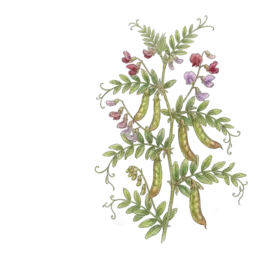
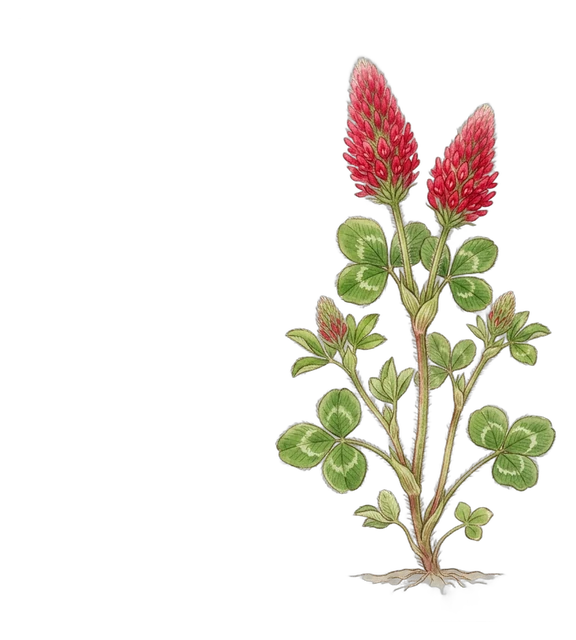
Group it in the same bedPlants with the same watering or the same sun
They are not essential companions, but you will not have to water or position them differently.