
Credits and licences
- #1 — vueltaalhuerto illustration
- #2 — vueltaalhuerto illustration
- #3 — vueltaalhuerto illustration
- #4 — vueltaalhuerto illustration
- #5 — vueltaalhuerto illustration
- #6 — vueltaalhuerto illustration
- #7 — vueltaalhuerto illustration
- #8 — vueltaalhuerto illustration
- #9 — vueltaalhuerto illustration
- #10 — vueltaalhuerto illustration
- #11 — vueltaalhuerto illustration
- #12 — vueltaalhuerto illustration
- #13 — vueltaalhuerto illustration
- #14 — Daderot · Public domain see on Wikimedia
- #15 — Raffi Kojian · CC BY-SA 3.0 see on Wikimedia
- #16 — Forest & Kim Starr · CC BY 3.0 see on Wikimedia
- #17 — Kembangraps · CC0 see on Wikimedia
Jalapeño chilli
and 2 more names
chilli pepper, hot pepperJalapeño chilli is sown in seed trays from February to March, and planted out in May. It is harvested from July to September (about 75 days to the first harvest). Grow it in full sun, 40 cm apart, with moderate watering. Dates are for a mild temperate climate in the northern hemisphere; the calendar below adjusts them to your zone.
What else to sow in February and March
The jalapeño chilli has medium heat and is very productive in warm weather. Transplant it once the cold has passed; regular watering and frequent picking encourage new flowers.
Family and origin: Nightshade family (Solanaceae) · native to Xalapa, Veracruz, Mexico · More plants from Mesoamerica
01In your area
How will it do in your garden?
Year calendar
| Task | J | F | M | A | M | J | J | A | S | O | N | D |
|---|---|---|---|---|---|---|---|---|---|---|---|---|
| Seed trayFeb–Mar | no | yes | yes | no | no | no | no | no | no | no | no | no |
| Plant / transplantMay | no | no | no | no | yes | no | no | no | no | no | no | no |
| HarvestJul–Sep | no | no | no | no | no | no | yes | yes | yes | no | no | no |
| FloweringJun–Aug | no | no | no | no | no | yes | yes | yes | no | no | no | no |
Its life cycle at a glance
Swipe and tap a stage to see its details.
02Planting
Where and how to plant it
Sow the seed 5 mm deep; leave 40 cm between plants and 60 cm between rows.
40 cm between plants · 60 cm between rows
Seed at a depth of 5 mm; seedlings go in with the root ball level with the soil.
- In a square-foot bed
- 1 plant every 4 squares30 × 30 cm squares
- Transplanting
- May
- Seed tray
- Feb–Mar
- Germination
- ~10 days
- Common mistakePlanting too close together cuts down air flow and encourages fungal disease.
03Care
Care through the year
Sun and aspectFull sun · 8 h of sun · South or south-west, with nothing casting shade at midday
- Too little sun
- Ideal range
- Plenty of sun
South or south-west, with nothing casting shade at midday
Strong sun: Loves full midday sun and high temperatures.
WateringMoist but never waterlogged · summer: every 2-3 days
- Summerevery 2-3 days2 L per plant/week
- Spring / Autumnevery 4-5 days1 L per plant/week
- Winterevery 2-3 weeks0.3 L per plant/week
Moist but never waterlogged: Water before the surface is completely dry. Never puddles. Mulch: straw or dry plant material cuts watering by 30-50 %.
When to water? Push your finger 3 cm into the soil next to the base of the plant:
- Damp: soil sticks to your finger. Do not water today. The moisture is fine.
- Cool but clean, no mud. Water early tomorrow if it stays like this, or this evening.
- Dry and dusty. Water now, and deeply. This is not where it likes to be.
- Common mistakeWatering in fits and starts (bone dry, then waterlogged) splits the fruit and leaves flowers that fail to set.
Soil and feedingRich, airy loam
Rich, airy loam.
40 % topsoil · 40 % well-rotted compost · 20 % perlite or sand.
Medium: moist but never waterlogged.
This plant prefers a pH between 6.0 and 7.0 (slightly acidic to neutral).
- Well-rotted compost every season and well-decomposed manure in autumn.
- Mulch with straw or dry plant material to hold moisture and smother weeds.
- Rotate crops: do not grow the same family in the same spot two years running.
- Compacted soil or unbroken clay can halve the harvest.
- Watering with a hose from above compacts the soil: drip irrigation or watering at the base is better.
- TipDig compost into the soil before planting and keep watering regular so growth never stalls.
04Harvest
Harvesting and storing
Harvest in Jul–Sep; the first, about 75 days after sowing.
- TipFor more heat, cut back watering slightly in the 2 weeks before harvest (without letting it wilt).
- TipHarvest often: the more you pick, the more the plant produces.
05Uses and health
What it is used for, and with what care
Hot for people (it irritates mucous membranes in large amounts); in dogs and cats capsaicin causes drooling, vomiting and diarrhoea. If it is eaten, see a vet.
For guidance only; this is not medical treatment and does not replace advice from a doctor or vet.
06Companions and related plants
What to plant it with
Good companions
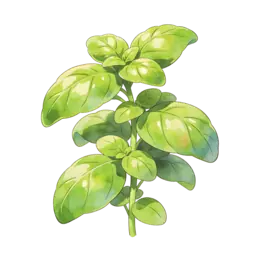
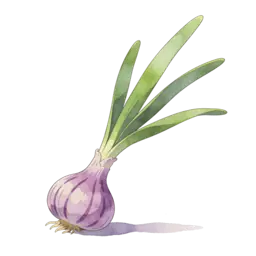
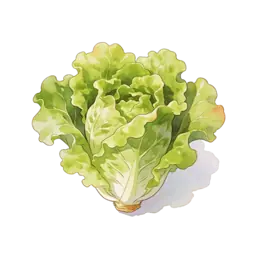
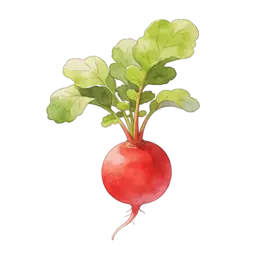
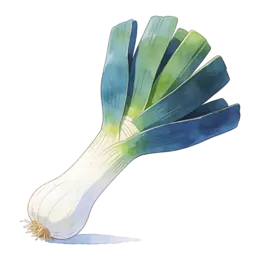
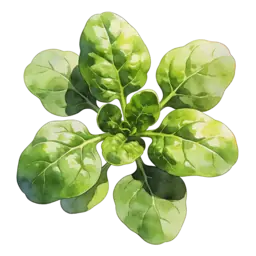
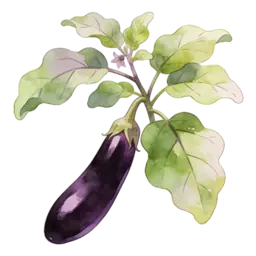
Keep apart
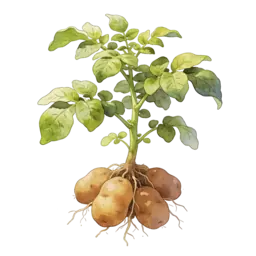
Group it in the same bedPlants with the same watering or the same sun
They are not essential companions, but you will not have to water or position them differently.
Same watering · Moderate watering
Compare with similar varieties
| Variety | Sowing | Harvest | Days | Spacing | Difficulty |
|---|---|---|---|---|---|
| Carolina Reaper chilli | Jan–Feb | Sep–Oct | ~120 | 45 cm | Difficult |
| Habanero chilli | Jan–Feb | Aug–Oct | ~100 | 40 cm | Difficult |
| Jalapeño chilli | Feb–Mar | Jul–Sep | ~75 | 40 cm | Moderate |
| Poblano chilli | Feb–Mar | Aug–Sep | ~90 | 45 cm | Moderate |
| Serrano chilli | Feb–Mar | Jul–Sep | ~80 | 40 cm | Moderate |
| Tabasco chilli | Jan–Mar | Aug–Oct | ~110 | 45 cm | Moderate |