
Credits and licences
- #1 — vueltaalhuerto illustration
- #2 — vueltaalhuerto illustration
- #3 — vueltaalhuerto illustration
- #4 — vueltaalhuerto illustration
- #5 — vueltaalhuerto illustration
- #6 — vueltaalhuerto illustration
- #7 — vueltaalhuerto illustration
- #8 — vueltaalhuerto illustration
- #9 — vueltaalhuerto illustration
- #10 — vueltaalhuerto illustration
- #11 — vueltaalhuerto illustration
- #12 — vueltaalhuerto illustration
- #13 — Matt Lavin from Bozeman, Montana, USA · CC BY-SA 2.0 see on Wikimedia
- #14 — Forest and Kim Starr · CC BY 3.0 us see on Wikimedia
Pak choi
and 1 more names
Chinese white cabbagePak choi is sown directly outdoors from March to April and from August to September. It is harvested in May and from October to November (about 45 days to the first harvest). Grow it in sun or partial shade, 25 cm apart, with moderate watering. Dates are for a mild temperate climate in the northern hemisphere; the calendar below adjusts them to your zone.
What else to sow in March, April, August and September
Pak choi is a fast-growing Asian cabbage for cool weather that bolts in the heat. Water it regularly, harvest it early and cover it with mesh against flea beetles and caterpillars.
Family and origin: Cabbage family (Brassicaceae) · native to China (Yangtze valley) · More plants from Far East
01In your area
How will it do in your garden?
Year calendar
| Task | J | F | M | A | M | J | J | A | S | O | N | D |
|---|---|---|---|---|---|---|---|---|---|---|---|---|
| Direct sowingMar–Apr, Aug–Sep | no | no | yes | yes | no | no | no | yes | yes | no | no | no |
| HarvestMay, Oct–Nov | no | no | no | no | yes | no | no | no | no | yes | yes | no |
Its life cycle at a glance
Swipe and tap a stage to see its details.
02Planting
Where and how to plant it
Sow the seed 1 cm deep; leave 25 cm between plants and 30 cm between rows.
25 cm between plants · 30 cm between rows
Seed at a depth of 1 cm.
- In a square-foot bed
- 1 plant per square30 × 30 cm squares
- Direct sowing
- Mar–Apr, Aug–Sep
- Germination
- ~5 days
- TipSow in succession so you always have some.
- TipSow in succession, a little every two or three weeks, so you get tender leaves without everything maturing at once.
- Common mistakeSowing in heat and long days: many bolt as soon as temperatures rise; better in the cool seasons.
03Care
Care through the year
Sun and aspectSun and shade · 5 h of sun · shade in summer
- Too little sun
- Ideal range
- Plenty of sun
East, or south with light shade during the middle of the day
Moderate sun: Copes with full sun, but give it some shade during heatwaves.
WateringMoist but never waterlogged · summer: every 2-3 days
- Summerevery 2-3 days2 L per plant/week
- Spring / Autumnevery 4-5 days1 L per plant/week
- Winterevery 2-3 weeks0.3 L per plant/week
Moist but never waterlogged: Water before the surface is completely dry. Never puddles. Mulch: straw or dry plant material cuts watering by 30-50 %.
When to water? Push your finger 3 cm into the soil next to the base of the plant:
- Damp: soil sticks to your finger. Do not water today. The moisture is fine.
- Cool but clean, no mud. Water early tomorrow if it stays like this, or this evening.
- Dry and dusty. Water now, and deeply. This is not where it likes to be.
Soil and feedingRich, airy loam
Rich, airy loam.
40 % topsoil · 40 % well-rotted compost · 20 % perlite or sand.
Medium: moist but never waterlogged.
This plant prefers a pH between 6.0 and 7.0 (slightly acidic to neutral).
- Well-rotted compost every season and well-decomposed manure in autumn.
- Mulch with straw or dry plant material to hold moisture and smother weeds.
- Rotate crops: do not grow the same family in the same spot two years running.
- Compacted soil or unbroken clay can halve the harvest.
- Watering with a hose from above compacts the soil: drip irrigation or watering at the base is better.
- Common mistakeLetting the soil dry out or watering in fits and starts toughens and embitters the leaves and brings on bolting (running to flower).
04Harvest
Harvesting and storing
Harvest in May, Oct–Nov; the first, about 45 days after sowing.
- TipIts growing cycle is short, six to eight weeks: harvest before it bolts or it will turn bitter.
- TipWater lightly and often, and harvest young or pick the outer leaves: it regrows and stays tender.
- Common mistakeLeaving the harvest too late: the leaves turn stringy or bitter.
05Uses and health
What it is used for, and with what care
- Properties
- A Chinese cabbage rich in vitamins C and A and in calcium.
- Uses
- Raw or stir-fried (wok).
For guidance only; this is not medical treatment and does not replace advice from a doctor or vet.
06Companions and related plants
What to plant it with
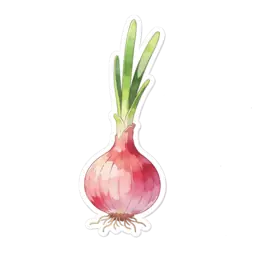
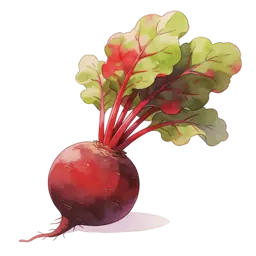
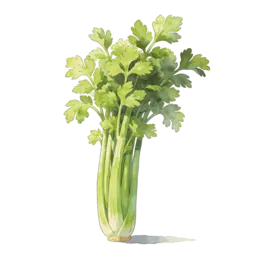
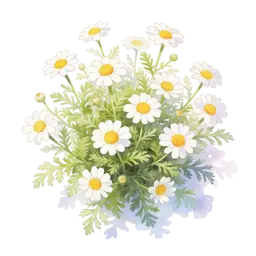
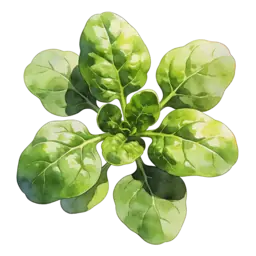
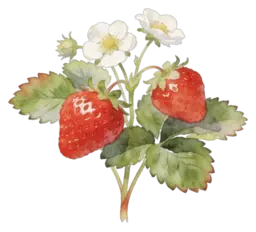
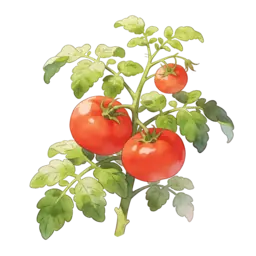
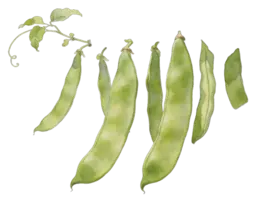
Group it in the same bedPlants with the same watering or the same sun
They are not essential companions, but you will not have to water or position them differently.
Same watering · Moderate watering
No known toxicity to people or pets
Not toxic in culinary amounts.