In this article (13 sections)
- Diagnosis first
- Scenario A: hard clay soil
- Scenario B: sandy soil (holds little)
- Scenario C: builders' earth / rubble
- Scenario D: poor but reasonable soil
- The 4 commandments of regeneration
- 1. Add organic matter constantly
- 2. Do not leave the soil bare
- 3. Reduce tillage
- 4. Bring in worms and biodiversity
- “Impossible” soils
- Realistic budget (20 m², 215 sq ft plot)
- Remember
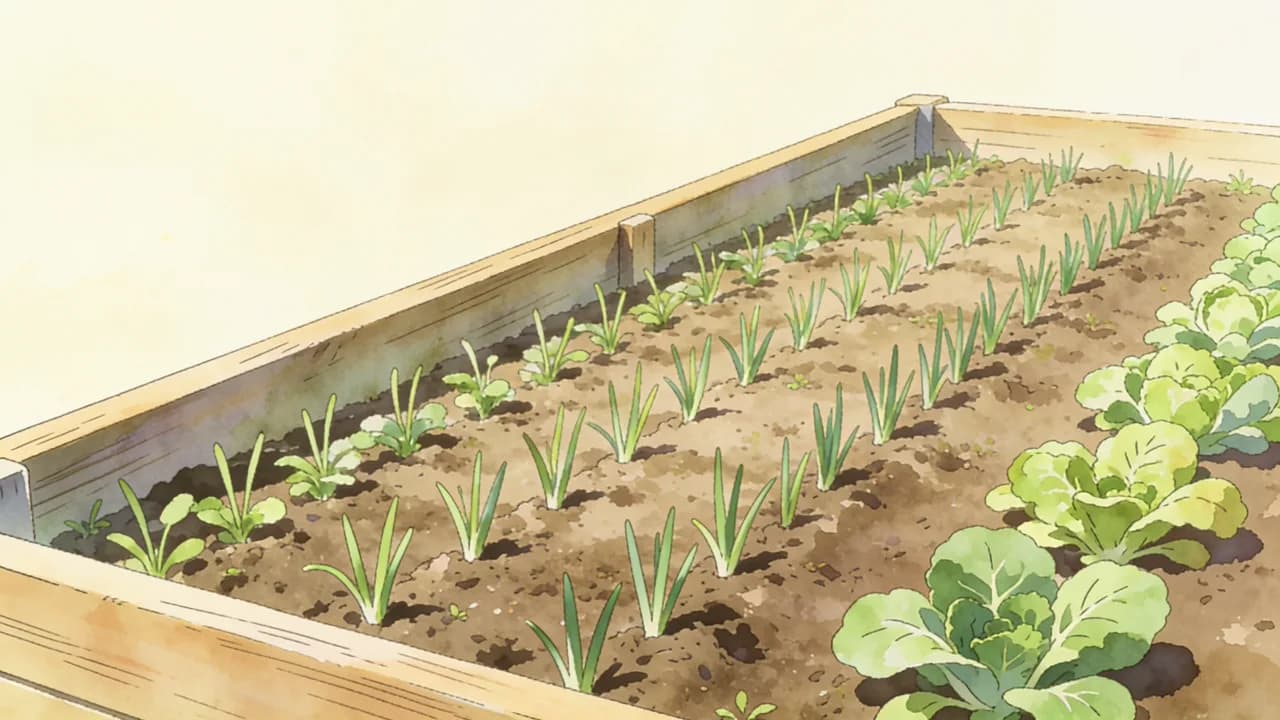
“Bad” soil does not exist: there are soils that need time. With a 2-3 year plan you can turn almost any soil into a productive garden, except in the extreme cases you will see below.
Diagnosis first
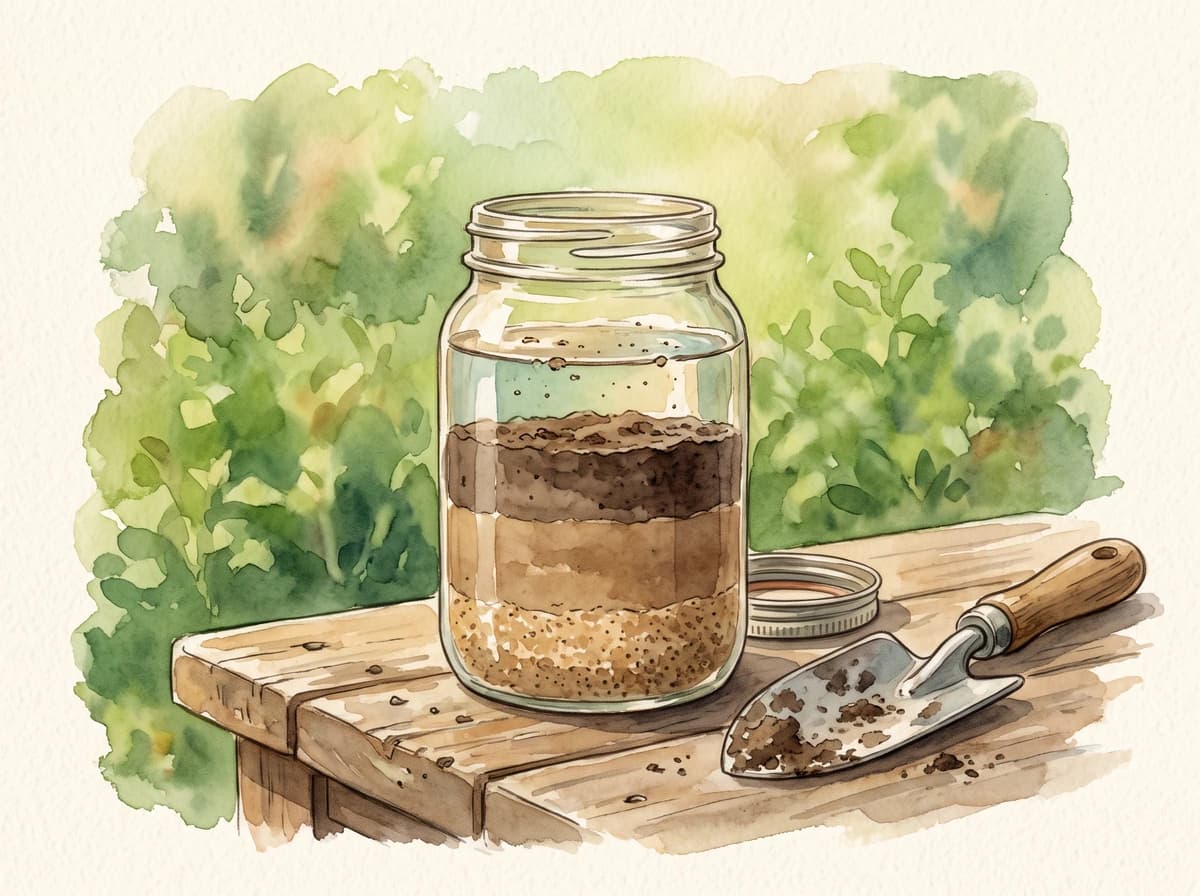
Before spending money, find out what you have. Do the texture and pH test.
The typical scenarios are these:
Scenario A: hard clay soil
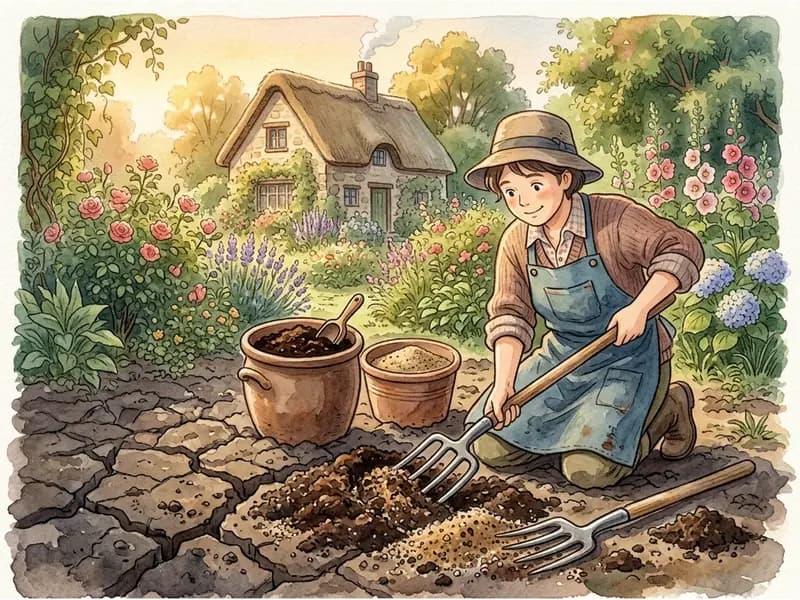
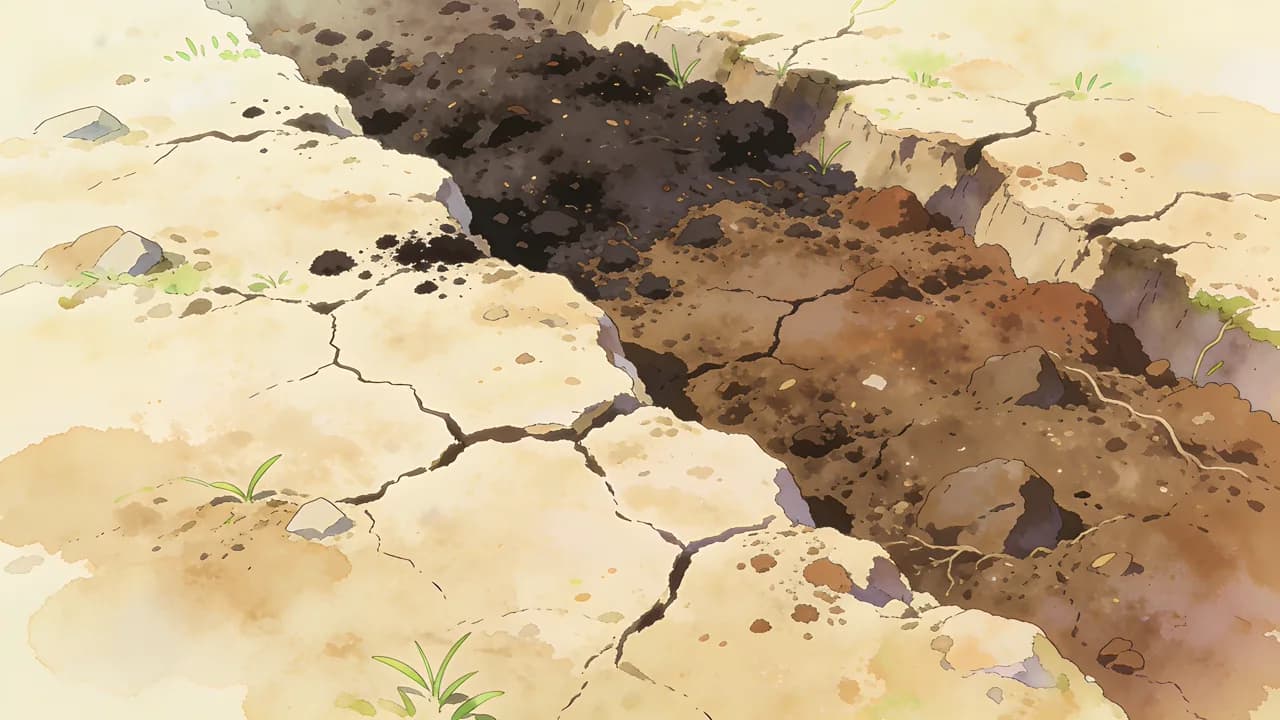
Symptoms: it cracks when it dries, sticks like plasticine when it rains, terrible drainage, almost impossible to dig.
2-year plan:
- Year 1, autumn: spread about 5 cm (2 in) of very well-rotted compost, loosen the surface with a fork without turning, and sow vetch + rye as a cover. Their roots will break the crust. Do not add sand: mixed with clay it hardens the soil more.
- Year 1, spring: cut the cover before it sets seed, leave it as mulch and plant undemanding, shallow-rooted crops (lettuce, radish, spinach).
- Year 1, summer: pumpkin or courgette, which tolerate clay well.
- Year 2: repeat the compost, with worm castings if you can. You can now plant tomato and pepper.
Total input: as a guide, 30-50 kg/m² of organic matter over 2 years. If the soil is so hard you cannot even loosen it, start straight away with a raised bed.
Scenario B: sandy soil (holds little)
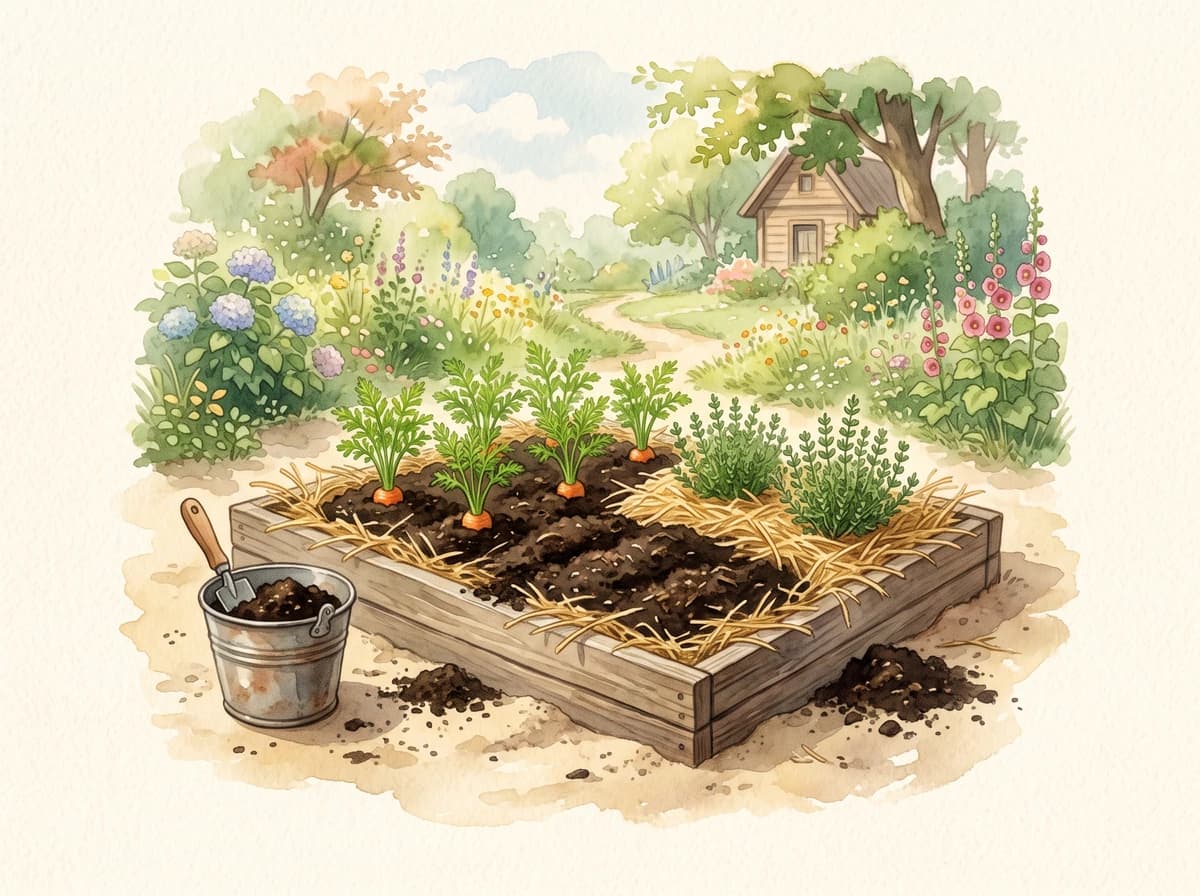
Symptoms: it dries out within 24 h after watering, nutrients leave with the rain, plants always thirsty and hungry.
2-year plan:
- Year 1: spread 5-8 cm (2–3.1 in) of compost and mix it in shallowly. If you want an extra push, add bentonite clay (as a guide 1-2 kg/m²), which improves water retention, although it is optional.
- All of year 1: permanent thick mulch (about 10 cm, 3.9 in).
- Year 2: repeat the compost and keep up the mulch.
Organic matter quickly improves a sandy soil, but it is used up fast: you will have to replenish it every year.
Scenario C: builders' earth / rubble
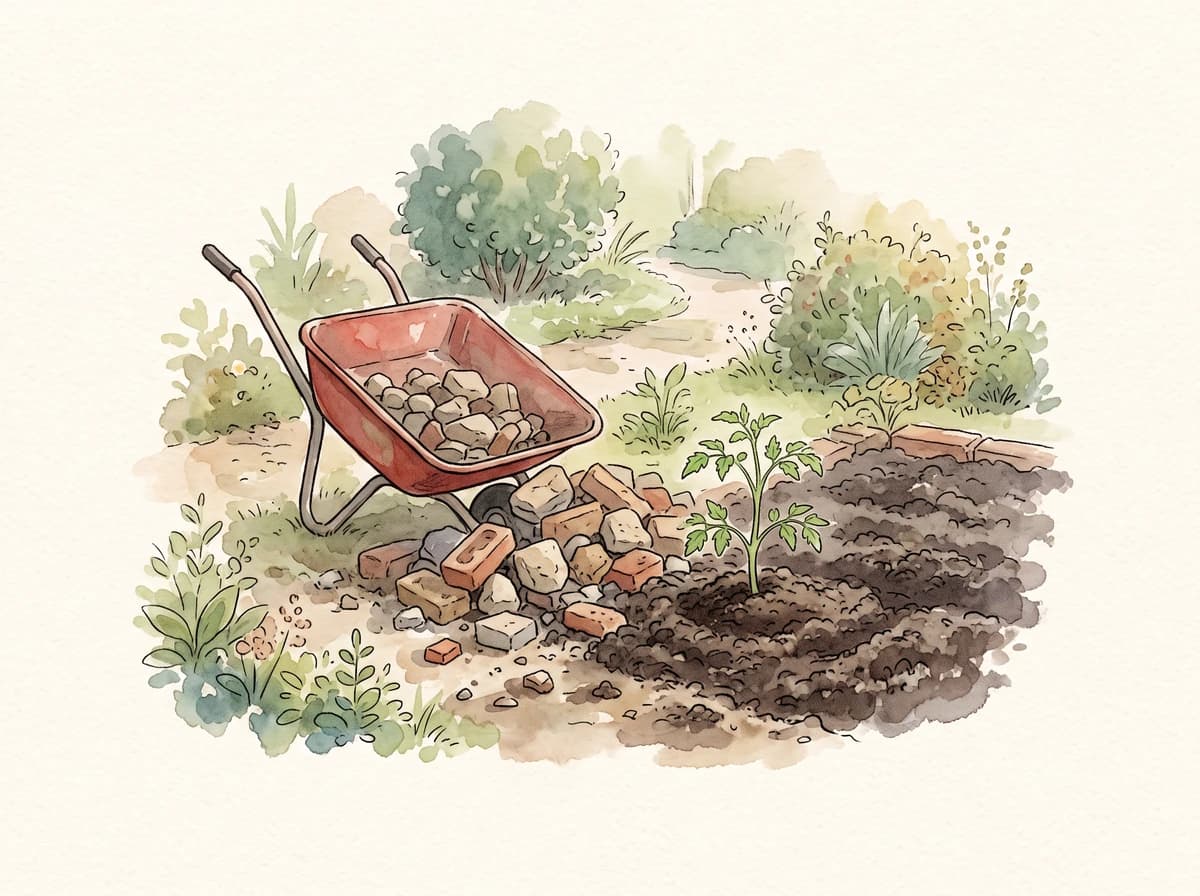
Symptoms: plaster, bricks, plastics, greyish lifeless earth.
3-year plan:
- Year 1: remove what you can with a sieve (plaster, plastics, cement). After that you have two paths. The recommended one is to build raised beds and plant only in them. The alternative is to bring in 20 cm (7.9 in) of good topsoil on top of the original soil.
- Years 1 and 2: plant only in the bed or in the new layer, without letting the roots reach the original soil.
- Year 3: try planting herbs and undemanding vegetables directly in the original soil, if you have been improving it.
If you suspect there are paints, oils or other contaminants, do not grow there until the soil has been analysed.
Scenario D: poor but reasonable soil
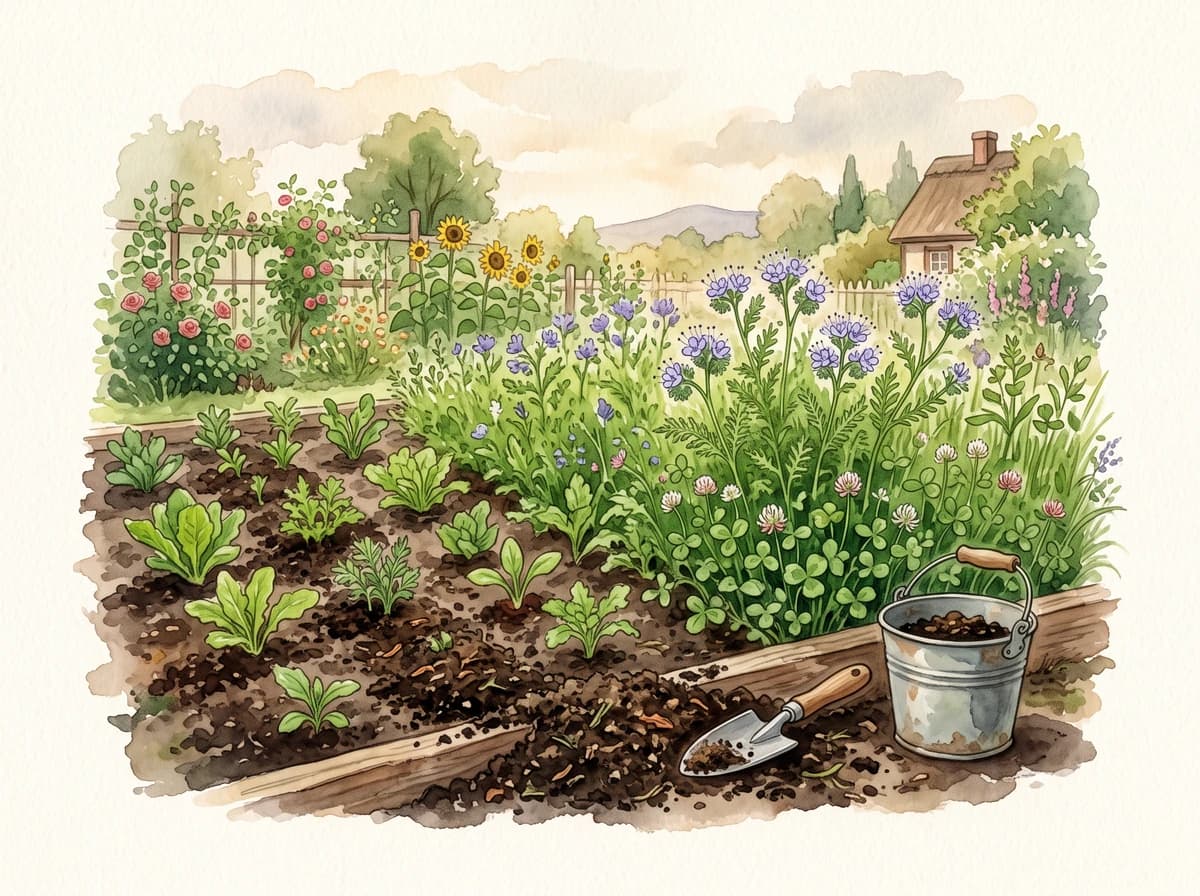
Symptoms: the plants grow, but give stunted harvests. The typical garden soil not worked for decades.
1-year plan:
- Autumn: add compost or very well-rotted manure (3-5 kg/m²) and sow a cover crop of vetch.
- Spring: cut the cover and work it in shallowly. Add 1 kg/m² more of compost.
- All year: mulch of 5 cm (2 in).
In a single season you should already notice a clear improvement.
The 4 commandments of regeneration
1. Add organic matter constantly
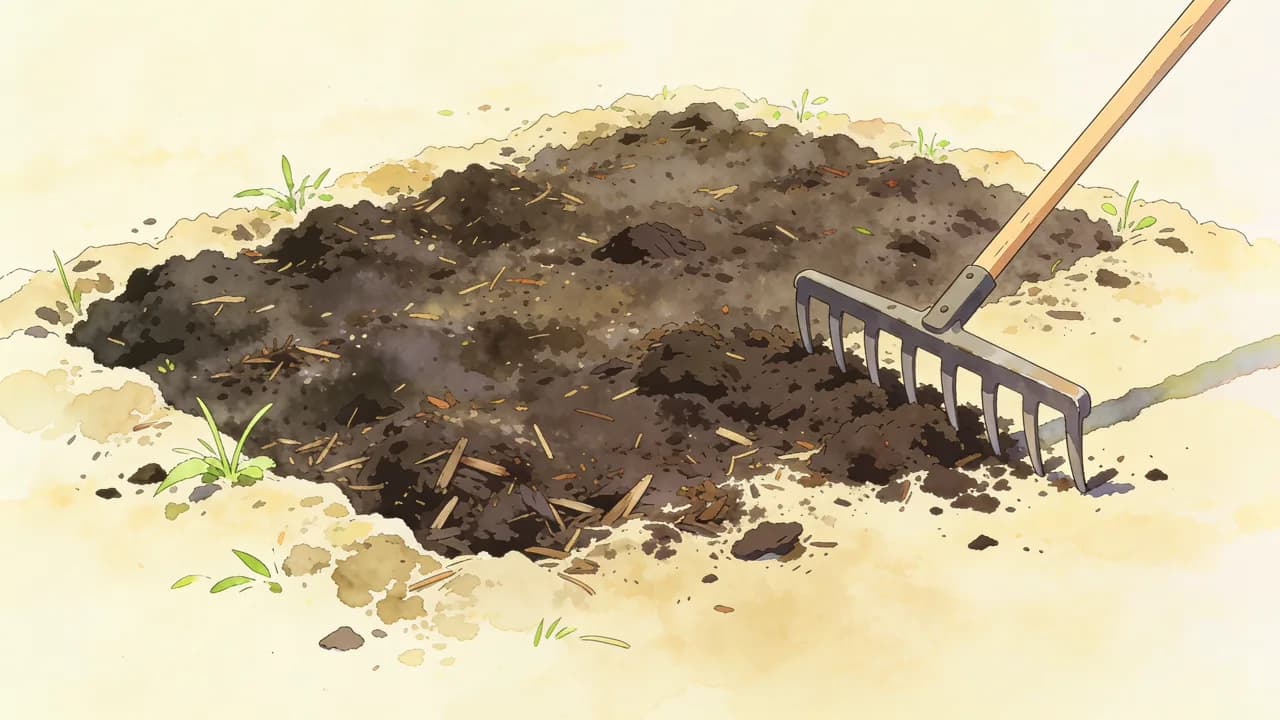
It is the basis of all the work: compost, manure, mulch and cover crops.
2. Do not leave the soil bare
If there is no crop, there is mulch or a cover crop. Sun and rain degrade bare soil.
3. Reduce tillage
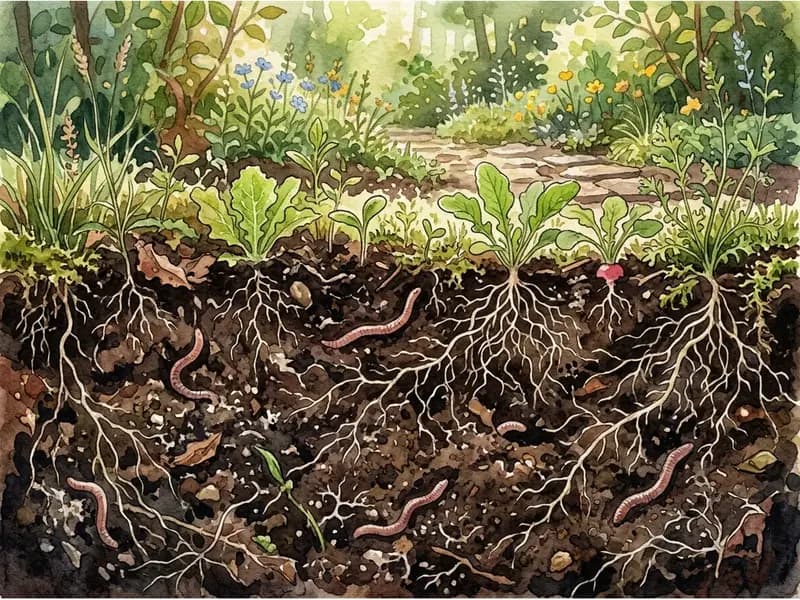
Turning the soil over with a rotavator breaks the fungal network and the structure of the soil. Loosen with a double-handled broadfork without turning. Over the years, soil life increases noticeably.
4. Bring in worms and biodiversity
If you add organic matter and keep the soil covered, worms usually appear by themselves. There is no need to buy them: the red Californian worms that are sold live in compost, not in the soil, and do not colonise the bed. Use them, if you like, in a worm bin and then add the castings they produce.
“Impossible” soils
There are cases where it is better not to battle with the original soil:
- Contaminated by industrial chemicals: have an analysis done by an accredited laboratory before anything else.
- Very high water table (water at 30 cm, 11.8 in): raised bed compulsory.
- Rock at 20 cm (7.9 in): also, raised bed.
- Large trees or aggressive-rooted plants around: if you put the growing medium straight onto the soil, the roots from around will end up finding the compost and the watering. A box with a bottom that drains is advisable. Guide: trees and plants around the garden.
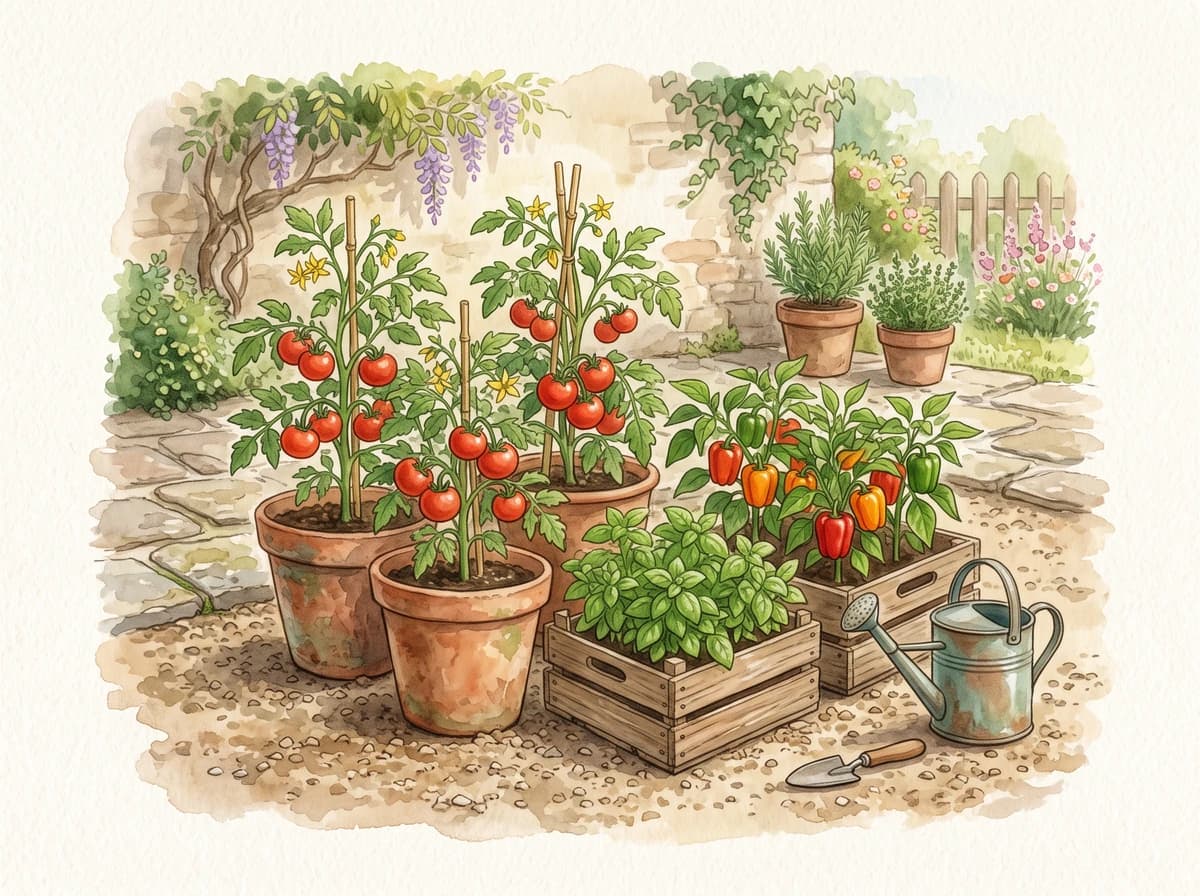
In those cases, the raised bed with a controlled growing medium is the quickest.
Realistic budget (20 m², 215 sq ft plot)
- Clay: €100-150 (compost + cover crop + time).
- Sandy: €60-100 (compost + clay + mulch).
- Builders': €200-400 (bed + soil + compost).
- Poor: €30-60 (compost + vetch).
Part of the investment is recovered in vegetables harvested from the first year.
Remember
Soil is not bought, it is raised. A good gardener is really a soil keeper. The plants are almost a side effect.

Greens, browns, moisture and troubleshooting.