In this article (9 sections)
Compost is solid and supplies nutrients slowly. Compost tea is its liquid version: you water with it and the supply reaches the root sooner. It is a gentle feed that is useful for pots and seed trays, but it does not replace compost and should be used with a few precautions, which you will see below.
What it is and what it is for
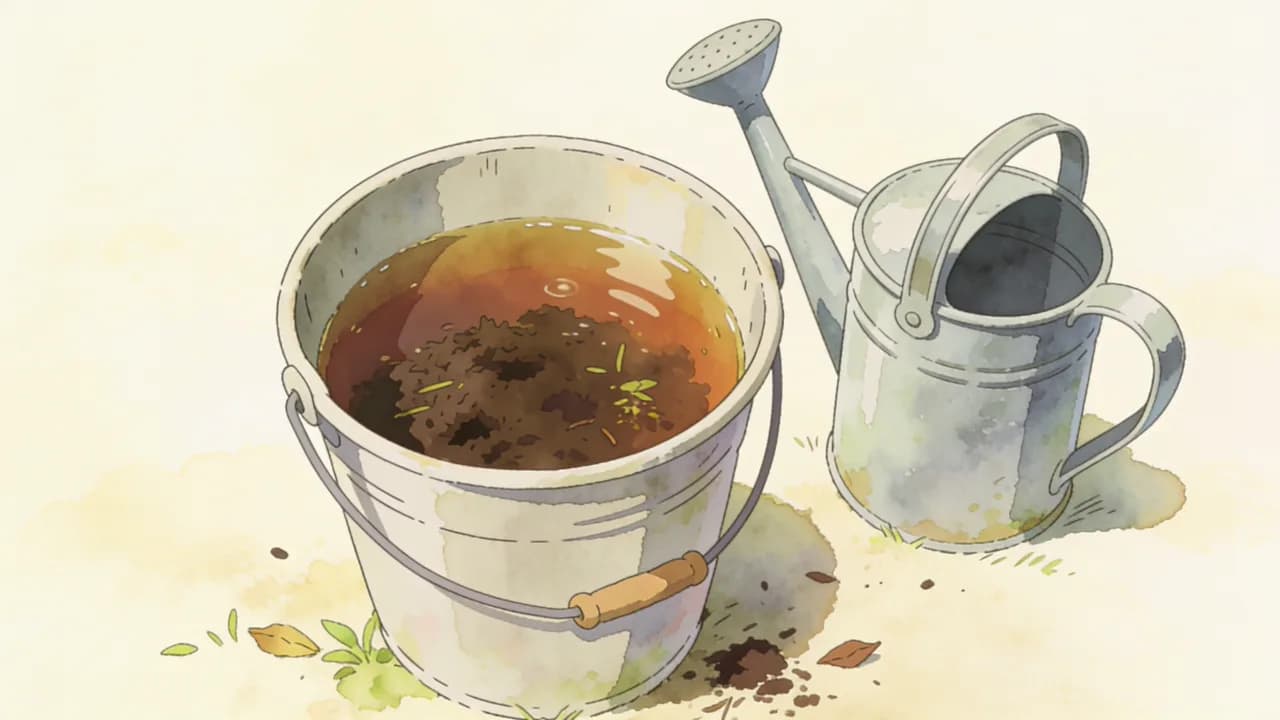
It is an aerated infusion of mature compost in water. The water extracts the soluble salts and some fine organic matter from the compost, and the air keeps alive the aerobic part (the part that does not smell bad).
It is mainly useful as a watering for the growing medium: a gentle supply of nutrients for seed trays, pots and growing plants. It has been said to protect against fungi on the leaves, but agricultural extension trials have not found a consistent effect, so do not count on it.
Basic recipe (aerated tea, the recommended one)

You need:
- 1 bucket or demijohn of 10 L (about 2.6 US gal).
- Two large handfuls of very mature compost, dark and smelling of forest soil. 200 g (7.1 oz) of worm castings also work.
- A cloth bag or an old stocking.
- An aquarium pump with its diffuser.
Steps:
- Put the compost inside the bag and tie it like a little sack.
- Hang it in the bucket with 10 L (about 2.6 US gal) of water without chlorine (rainwater, or tap water left to stand for a day).
- Aerate with the aquarium pump for 24 hours, in a shaded spot.
- Remove the bag (the compost that is left you can put on a bed).
- The liquid should end up the colour of weak tea and smelling of earth. If it smells rotten, throw it away.
Do not add sugar or molasses. They feed bacteria, and along with them dangerous microbes such as E. coli or Salmonella can multiply.
If you have no air pump (simple tea)
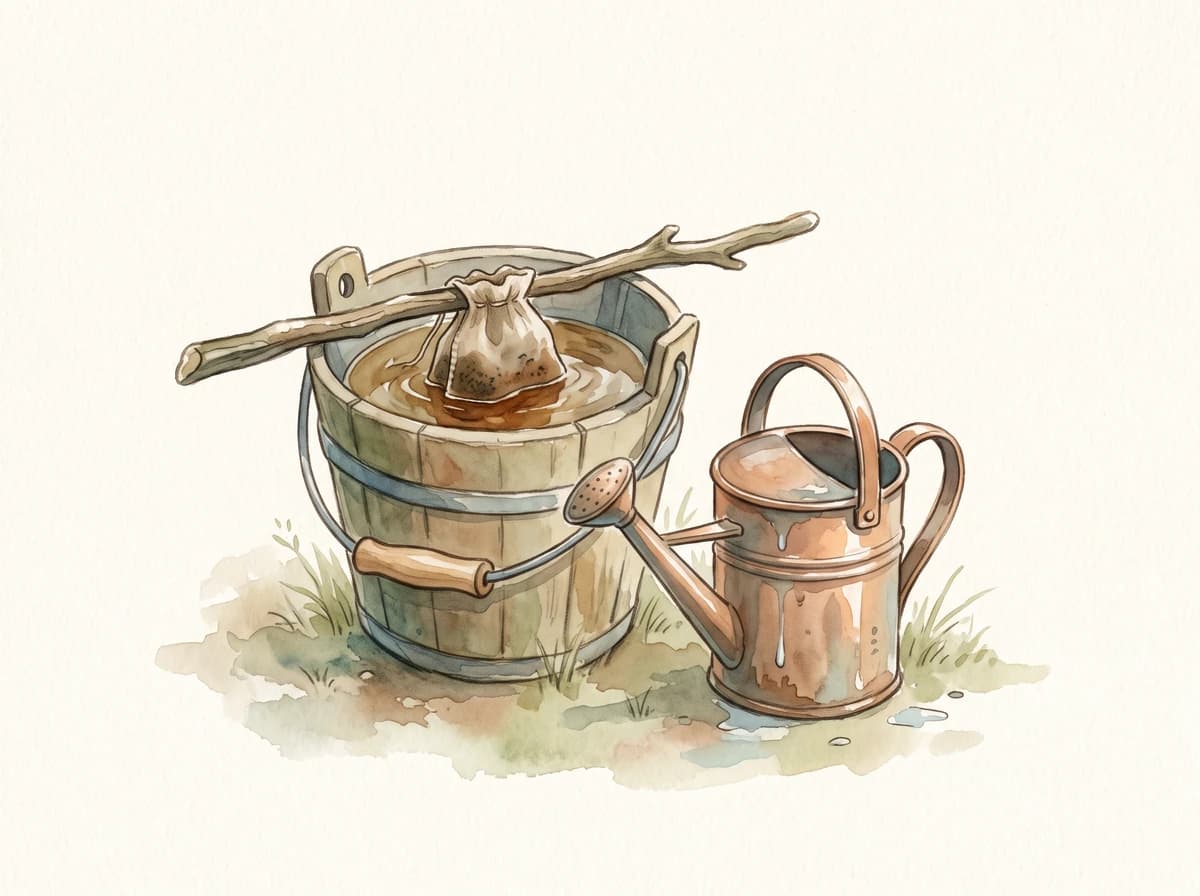
It is the weaker version, but it will do in a pinch. Do the same, but without a pump: leave the little sack in the water between 12 and 24 hours and stir vigorously several times a day to oxygenate it. Do not leave it longer, because without air it turns anaerobic and smells rotten.
How to use it
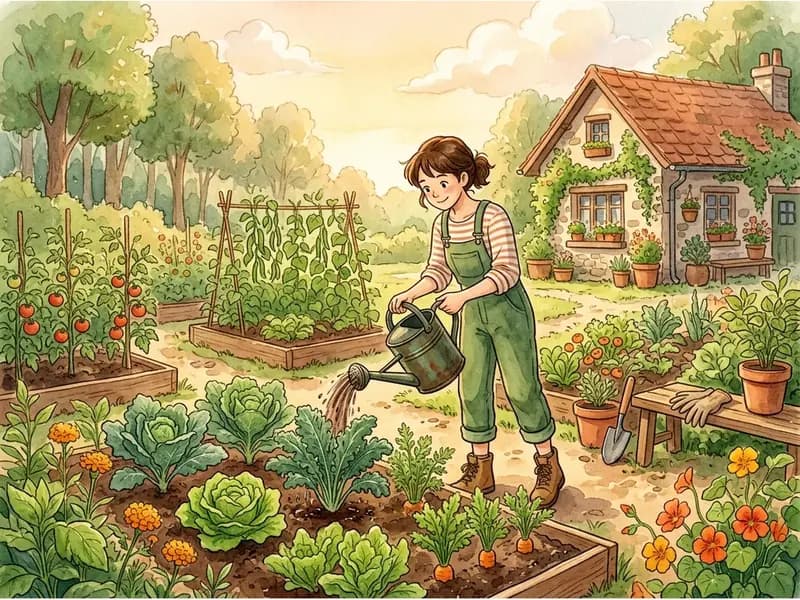
Use it the same day you make it, and apply it to the growing medium, not on the leaves.
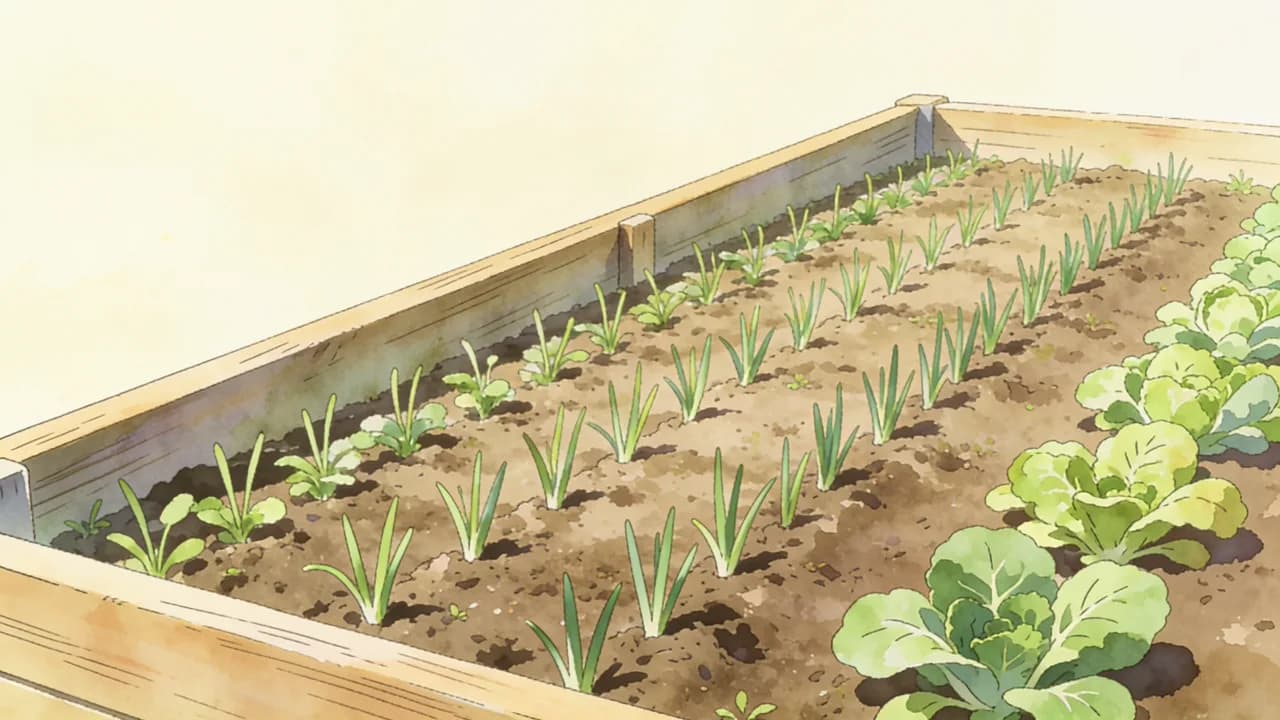
- Pots and seed trays: water with the tea undiluted, about 200-500 ml (6.8–16.9 fl oz) per plant every 15-20 days, while it grows.
- Garden: about 1-2 L (about 1.1–2.1 quarts) per square metre, every 2-3 weeks, in the period of active growth (spring and summer).
Spraying on the leaves: better to avoid it
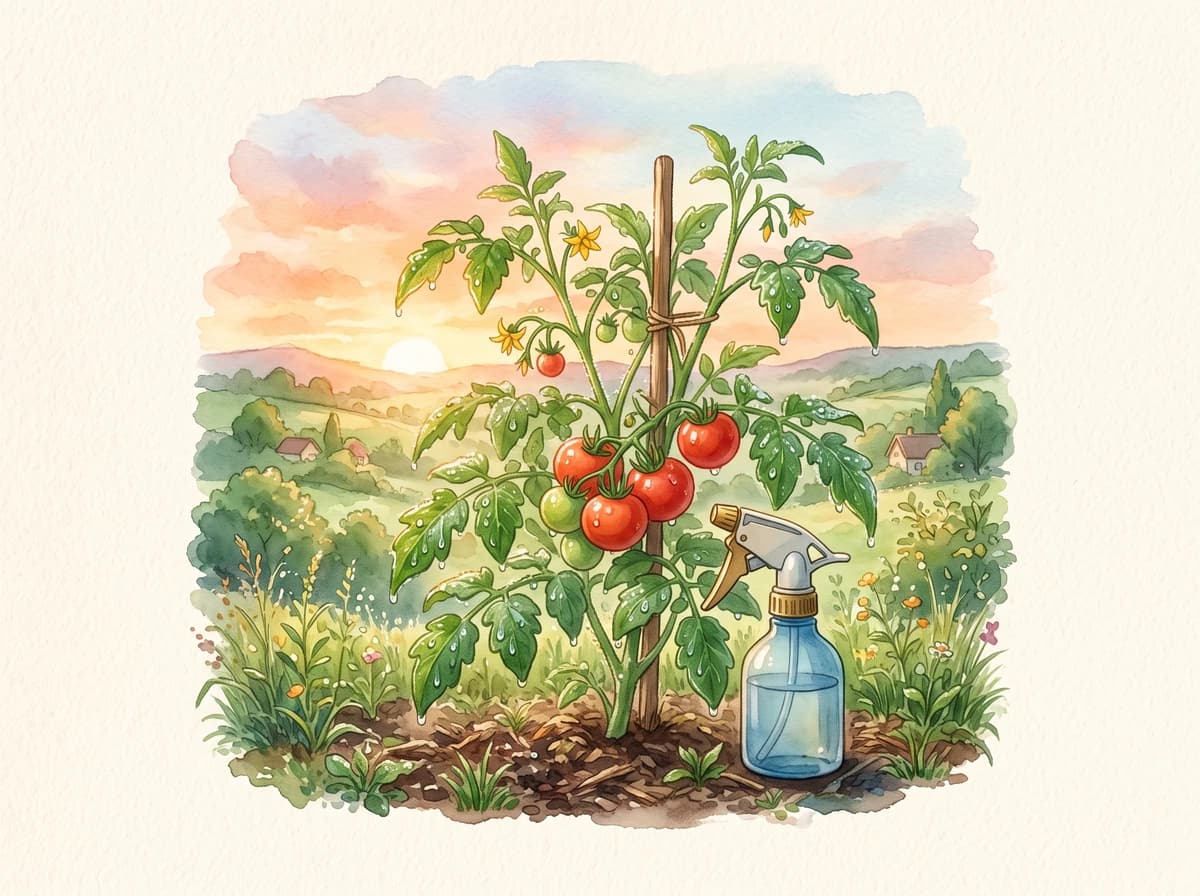
Many texts recommend spraying it as a foliar protector. We do not recommend it: the effect against fungi is unreliable and, besides, the tea can leave microbes on leaves and fruit. Under no circumstances spray it on lettuce or spinach or on fruit you will eat raw.
Other liquid preparations that are not compost tea
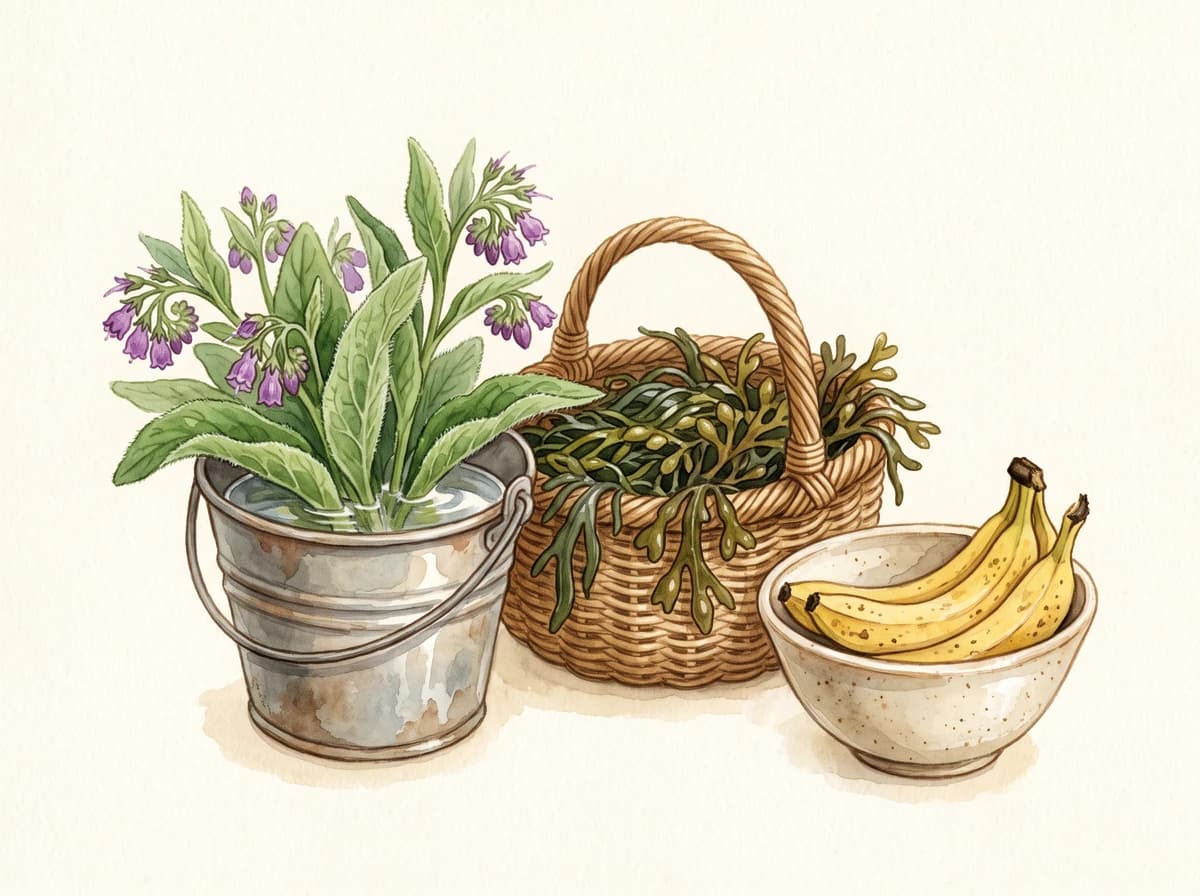
Nettle feed, comfrey feed and horsetail decoction are other preparations, with their own recipe and their own doses. You will find them explained step by step in the tip on nettle feed and horsetail decoction. In short: nettle is a nitrogen-rich fertiliser, comfrey supplies more potassium for flowering, and horsetail is a preventive against fungi, not a fertiliser.
When not to use it
- With unmatured compost, or with manure that has not reached temperature and is not well cured.
- On leaves or fruit that are eaten raw.
- After 24-36 hours from its preparation: it turns anaerobic.
- As the only fertiliser: it supplies much less than putting solid compost on top.
Storage
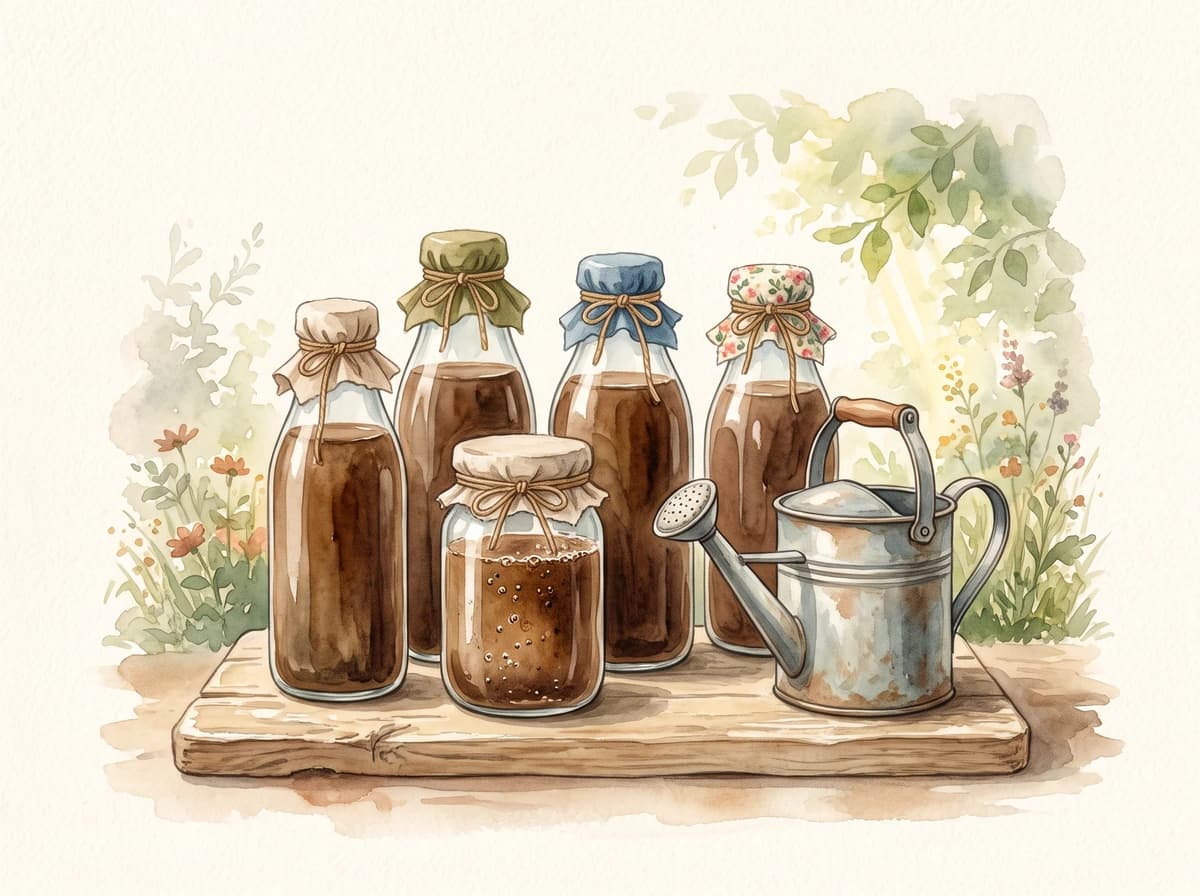
It is not kept. Prepare only what you will use that day. After 24-36 hours the tea turns anaerobic and smells rotten. If you have some left over, water a bed or a corner of the garden with it, but do not keep it for another day.
What to expect
It is a gentle supply of soluble nutrients that shows mainly on seed trays, pots and young plants. Applied every 15-20 days, the plant usually gains some greenness, but it does not work miracles. Base feeding is still solid compost.

Greens, browns, moisture and troubleshooting.