
Credits and licences
- #1 — vueltaalhuerto illustration
- #2 — vueltaalhuerto illustration
- #3 — vueltaalhuerto illustration
- #4 — vueltaalhuerto illustration
- #5 — vueltaalhuerto illustration
- #6 — vueltaalhuerto illustration
Miniature rose
and 1 more names
Rosa chinensis minimaMiniature rose is planted from November to March. It flowers from May to October. Grow it in full sun, 30 cm apart, with moderate watering. Dates are for a mild temperate climate in the northern hemisphere; the calendar below adjusts them to your zone.
A miniature rose only 30-40 cm tall, with scaled-down flowers that are perfect for pots and balconies. Its compact size makes it ideal wherever there is no room for a traditional rose.
Family and origin: Rose family (Rosaceae) · native to Horticultural selection (China) · More plants from Far East
01In your area
How will it do in your garden?
Year calendar
| Task | J | F | M | A | M | J | J | A | S | O | N | D |
|---|---|---|---|---|---|---|---|---|---|---|---|---|
| Plant / transplantNov–Mar | yes | yes | yes | no | no | no | no | no | no | no | yes | yes |
| FloweringMay–Oct | no | no | no | no | yes | yes | yes | yes | yes | yes | no | no |
| PruningJan–Feb | yes | yes | no | no | no | no | no | no | no | no | no | no |
Its life cycle at a glance
Swipe and tap a stage to see its details.
02Planting
Where and how to plant it
Leave 30 cm between plants.
30 cm between plants
Seedlings are planted with the root ball level with the soil.
- Transplanting
- Nov–Mar
- Common mistakePlanting too deep smothers the crown of the plant.
03Care
Care through the year
Sun and aspectFull sun · 8 h of sun · South or south-west, with nothing casting shade at midday
- Too little sun
- Ideal range
- Plenty of sun
South or south-west, with nothing casting shade at midday
Strong sun: Loves full midday sun and high temperatures.
- TipIn strong summer sun it appreciates some shade at midday.
WateringMoist but never waterlogged · summer: every 2-3 days
- Summerevery 2-3 days6 L per plant/week
- Spring / Autumnevery 4-5 days3 L per plant/week
- Winterevery 2-3 weeks0.9 L per plant/week
Moist but never waterlogged: Water before the surface is completely dry. Never puddles. Mulch: straw or dry plant material cuts watering by 30-50 %.
When to water? Push your finger 3 cm into the soil next to the base of the plant:
- Damp: soil sticks to your finger. Do not water today. The moisture is fine.
- Cool but clean, no mud. Water early tomorrow if it stays like this, or this evening.
- Dry and dusty. Water now, and deeply. This is not where it likes to be.
- TipWater generously in the first year until it is established; after that it looks after itself.
Soil and feedingDeep soil with good drainage
Deep soil with good drainage.
Medium/high.
This plant prefers a pH between 6.0 and 7.5 (slightly acidic to slightly alkaline).
- Water generously in the first year until it is established.
- A thick mulch all year round, not touching the trunk.
- TipGrow it in a deep pot with good drainage and never let the potting mix dry out completely, because a small volume of soil warms up and runs out of nutrients sooner than garden soil.
PruningWhen: Jan–Feb
Pruning time for this plant: Jan–Feb.
- TipFormative pruning after flowering keeps the shape compact.
- Common mistakePruning at the wrong time removes the year's flower buds.
Common mistakes and tips
- TipIn dry air its most common pest is red spider mite: check the undersides of the leaves.
- TipAt the end of winter cut it back by about half.
04Uses and health
What it is used for, and with what care
- Properties
- As with other roses, its petals are edible as long as the plant has not been treated with pesticides.
For guidance only; this is not medical treatment and does not replace advice from a doctor or vet.
05Companions and related plants
What to plant it with
Good companions


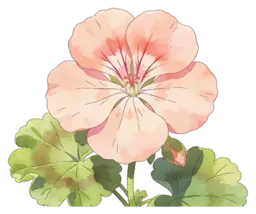
Compare with similar varieties
| Variety | Sowing | Harvest | Days | Spacing | Difficulty |
|---|---|---|---|---|---|
| Rose 'Iceberg' (floribunda) | Nov–Mar | May–Oct | — | 100 cm | Easy |
| Rose 'Mister Lincoln' (hybrid tea) | Nov–Mar | May–Sep | — | 120 cm | Moderate |
| Rose 'The Fairy' (ground cover) | Nov–Mar | Jun–Oct | — | 80 cm | Easy |
| English rose 'Abraham Darby' | Nov–Mar | May–Sep | — | 120 cm | Moderate |
| English rose 'Graham Thomas' | Nov–Mar | May–Oct | — | 120 cm | Moderate |
| Miniature rose | Nov–Mar | May–Oct | — | 30 cm | Easy |
| Rugosa rose | Nov–Mar | May–Sep | — | 120 cm | Easy |
| Climbing rose 'Pierre de Ronsard' | Nov–Feb | May–Oct | — | 200 cm | Moderate |
06Pests and diseases
Critters and ailments to keep an eye on
The most common ones on this plant. Tap one to see how to recognise it and what to do.
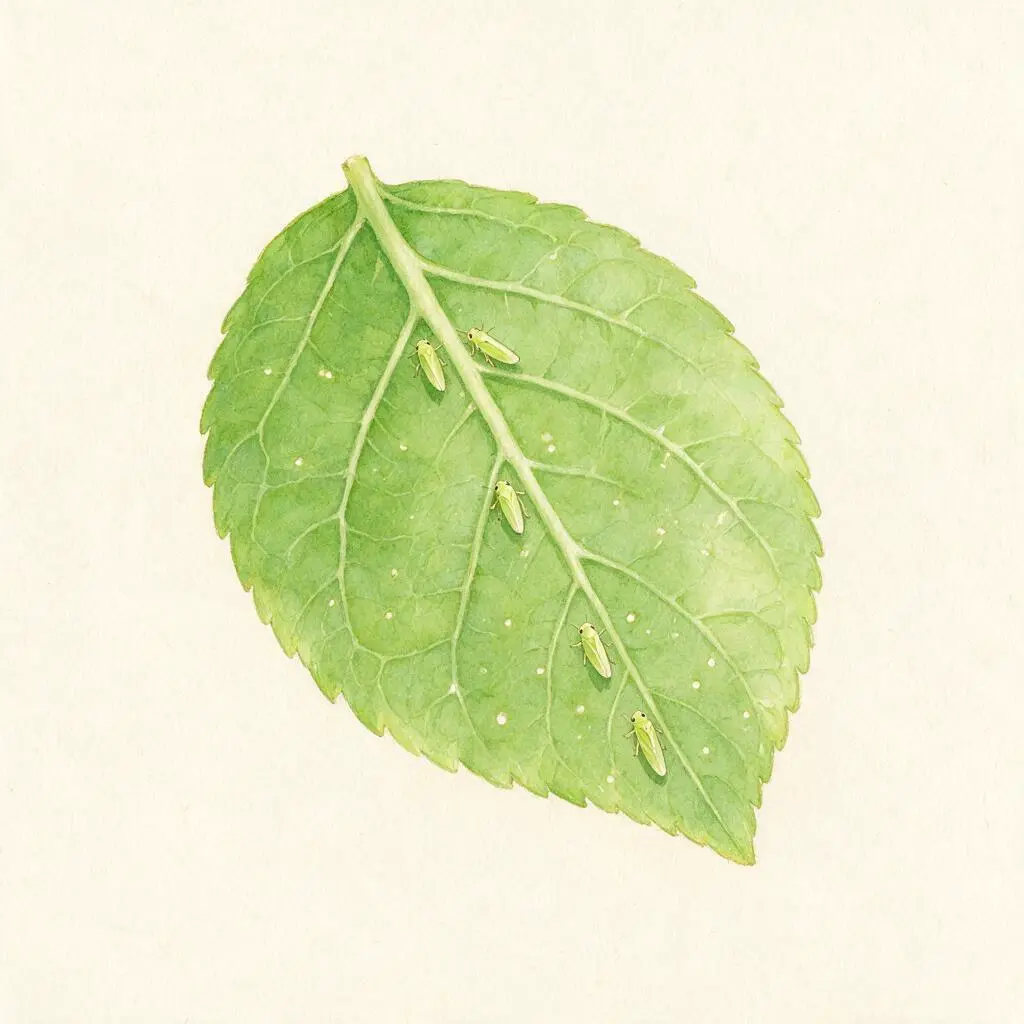
- LeafhoppersModerateSmall, elongated insects (3 to 5 mm), green or cream, that hop sideways
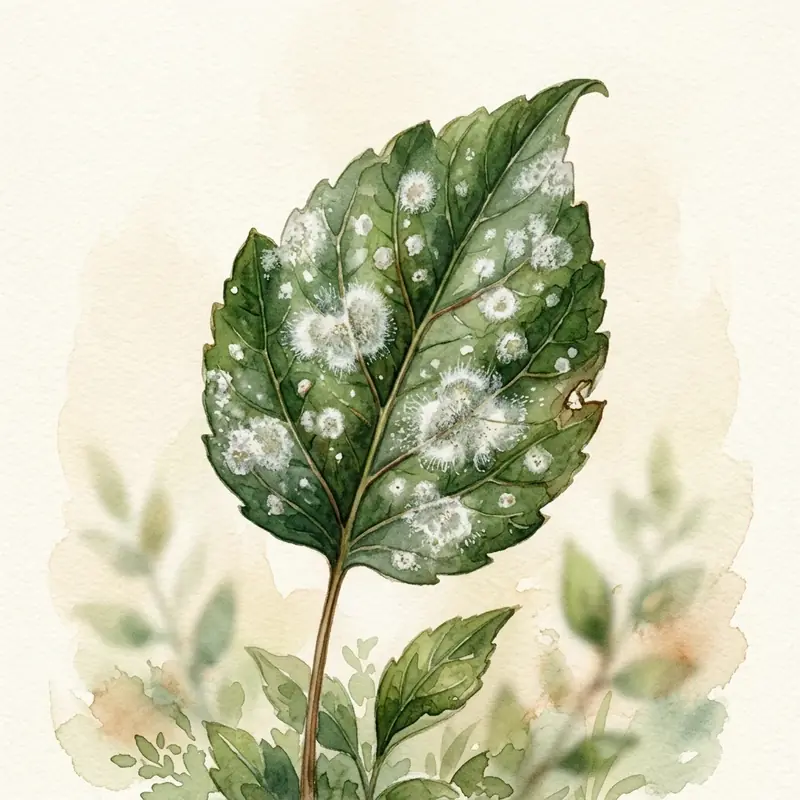
- Powdery mildewModerateA fungus that covers the leaves in a white, flour-like powder
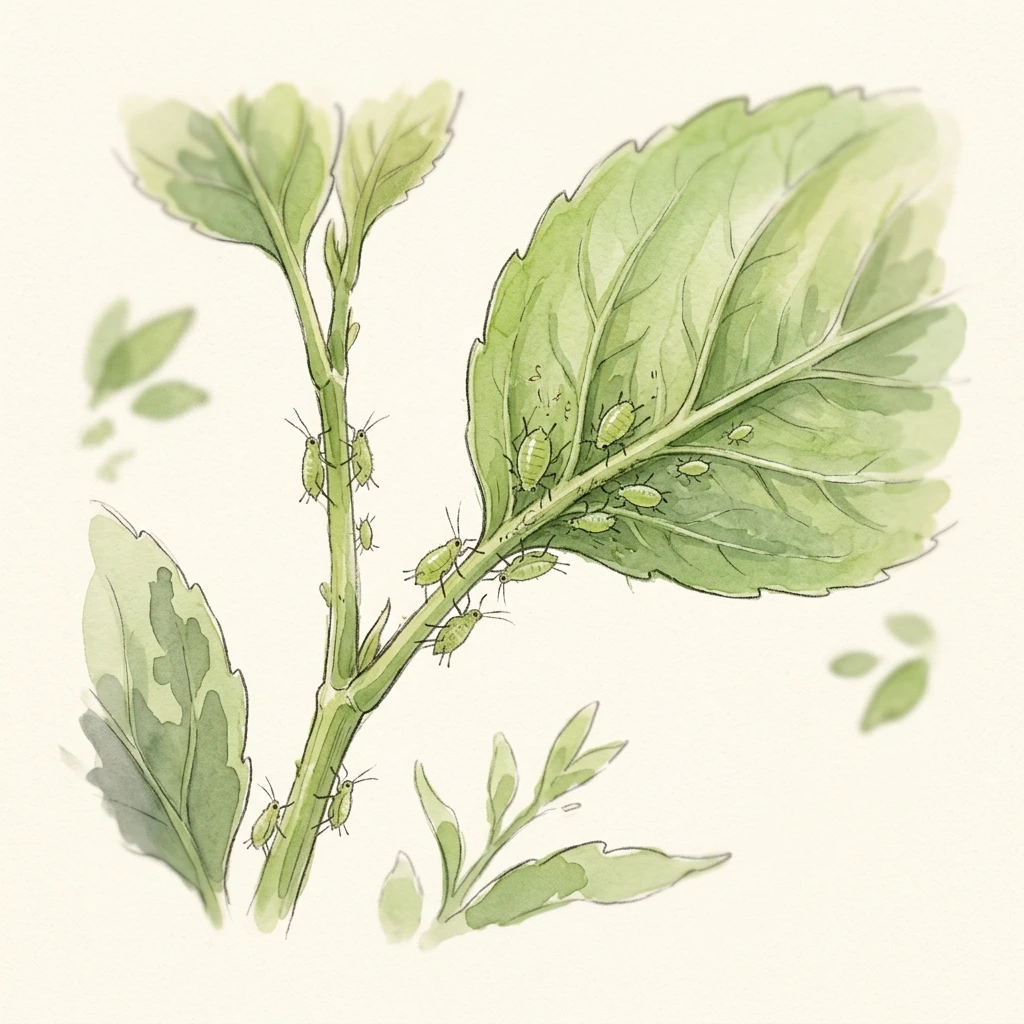
- AphidsModerateSmall, soft-bodied insects (green, black or yellow) that cluster on tender shoots and on the undersides of lea
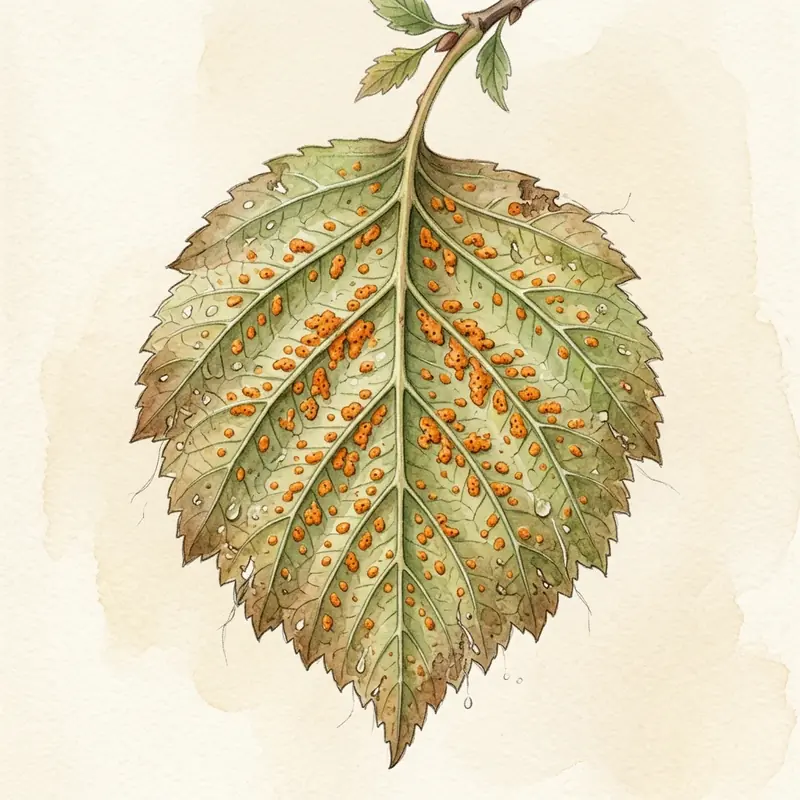
- RustModerateA fungus that forms rust-coloured pustules (orange, brown or yellow) on the undersides of the leaves
No known toxicity to people or pets
Not toxic to people or pets.