
Credits and licences
- #1 — vueltaalhuerto illustration
- #2 — vueltaalhuerto illustration
- #3 — vueltaalhuerto illustration
- #4 — vueltaalhuerto illustration
- #5 — vueltaalhuerto illustration
- #6 — vueltaalhuerto illustration
- #7 — Storye book · CC BY-SA 4.0 see on Wikimedia
- #8 — Anna reg · CC BY-SA 3.0 see on Wikimedia
- #9 — Photo by David J. Stang · CC BY-SA 4.0 see on Wikimedia
- #10 — Storye book · CC BY-SA 4.0 see on Wikimedia
English rose 'Graham Thomas'
and 2 more names
yellow English rose, Graham ThomasEnglish rose 'Graham Thomas' is planted from November to March. It flowers from May to October. Grow it in full sun, 120 cm apart, with moderate watering. Dates are for a mild temperate climate in the northern hemisphere; the calendar below adjusts them to your zone.
An English rose with very full, fragrant honey-yellow flowers, one of the most famous David Austin cultivars. Its shrubby habit and continuous repeat flowering make it ideal for flowering hedges.
Family and origin: Rose family (Rosaceae) · native to England (David Austin, 1983) · More plants from Temperate Europe
01In your area
How will it do in your garden?
Year calendar
| Task | J | F | M | A | M | J | J | A | S | O | N | D |
|---|---|---|---|---|---|---|---|---|---|---|---|---|
| Plant / transplantNov–Mar | yes | yes | yes | no | no | no | no | no | no | no | yes | yes |
| FloweringMay–Oct | no | no | no | no | yes | yes | yes | yes | yes | yes | no | no |
| PruningJan–Feb | yes | yes | no | no | no | no | no | no | no | no | no | no |
Its life cycle at a glance
Swipe and tap a stage to see its details.
02Planting
Where and how to plant it
Leave 1.2 m between plants.
1.2 m between plants
Seedlings are planted with the root ball level with the soil.
- Transplanting
- Nov–Mar
- Common mistakePlanting too deep smothers the crown of the plant.
03Care
Care through the year
Sun and aspectFull sun · 8 h of sun · South or south-west, with nothing casting shade at midday
- Too little sun
- Ideal range
- Plenty of sun
South or south-west, with nothing casting shade at midday
Strong sun: Loves full midday sun and high temperatures.
- TipIn the south of Spain give it shade during the hottest hours, because in strong sun the yellow fades and the flowers last less.
WateringMoist but never waterlogged · summer: every 2-3 days
- Summerevery 2-3 days6 L per plant/week
- Spring / Autumnevery 4-5 days3 L per plant/week
- Winterevery 2-3 weeks0.9 L per plant/week
Moist but never waterlogged: Water before the surface is completely dry. Never puddles. Mulch: straw or dry plant material cuts watering by 30-50 %.
When to water? Push your finger 3 cm into the soil next to the base of the plant:
- Damp: soil sticks to your finger. Do not water today. The moisture is fine.
- Cool but clean, no mud. Water early tomorrow if it stays like this, or this evening.
- Dry and dusty. Water now, and deeply. This is not where it likes to be.
- TipWater generously in the first year until it is established; after that it looks after itself.
Soil and feedingDeep soil with good drainage
Deep soil with good drainage.
Medium/high.
This plant prefers a pH between 6.0 and 7.5 (slightly acidic to slightly alkaline).
- Water generously in the first year until it is established.
- A thick mulch all year round, not touching the trunk.
PruningWhen: Jan–Feb
Pruning time for this plant: Jan–Feb.
- TipDeadhead so that it flowers again.
- TipFormative pruning after flowering keeps the shape compact.
- Common mistakePruning at the wrong time removes the year's flower buds.
Common mistakes and tips
- TipIt is more vigorous than it looks: in warm climates the stems grow very long and it can be trained as a short climber against a wall or trellis.
- TipIf you want it as a shrub, in winter shorten the stems by roughly half and remove old or weak ones.
04Uses and health
What it is used for, and with what care
- Properties
- A very fragrant English rose; the petals are edible and used in cosmetics.
For guidance only; this is not medical treatment and does not replace advice from a doctor or vet.
05Companions and related plants
Related plants
Compare with similar varieties
| Variety | Sowing | Harvest | Days | Spacing | Difficulty |
|---|---|---|---|---|---|
| Rose 'Iceberg' (floribunda) | Nov–Mar | May–Oct | — | 100 cm | Easy |
| Rose 'Mister Lincoln' (hybrid tea) | Nov–Mar | May–Sep | — | 120 cm | Moderate |
| Rose 'The Fairy' (ground cover) | Nov–Mar | Jun–Oct | — | 80 cm | Easy |
| English rose 'Abraham Darby' | Nov–Mar | May–Sep | — | 120 cm | Moderate |
| English rose 'Graham Thomas' | Nov–Mar | May–Oct | — | 120 cm | Moderate |
| Miniature rose | Nov–Mar | May–Oct | — | 30 cm | Easy |
| Rugosa rose | Nov–Mar | May–Sep | — | 120 cm | Easy |
| Climbing rose 'Pierre de Ronsard' | Nov–Feb | May–Oct | — | 200 cm | Moderate |
06Pests and diseases
Critters and ailments to keep an eye on
The most common ones on this plant. Tap one to see how to recognise it and what to do.
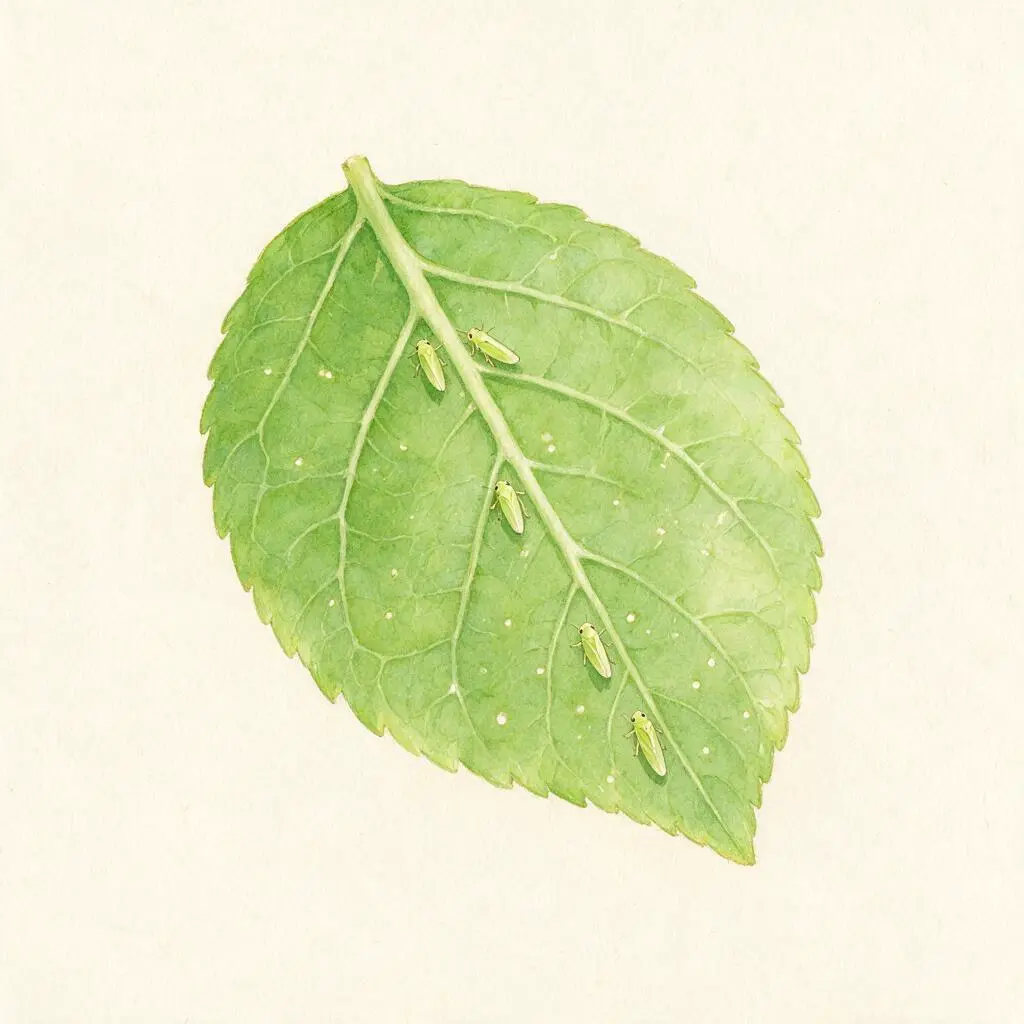
- LeafhoppersModerateSmall, elongated insects (3 to 5 mm), green or cream, that hop sideways
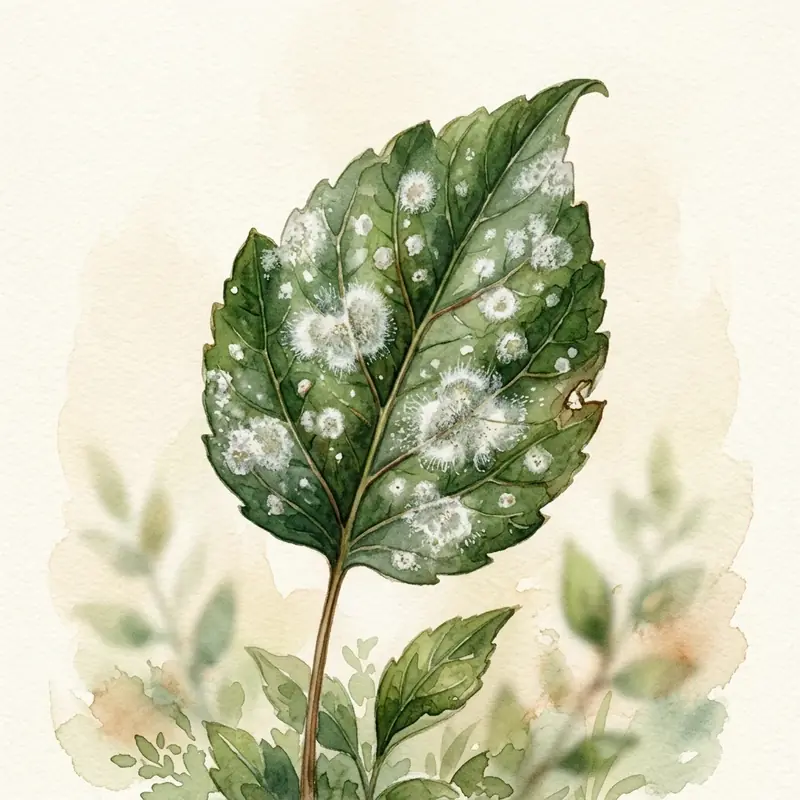
- Powdery mildewModerateA fungus that covers the leaves in a white, flour-like powder
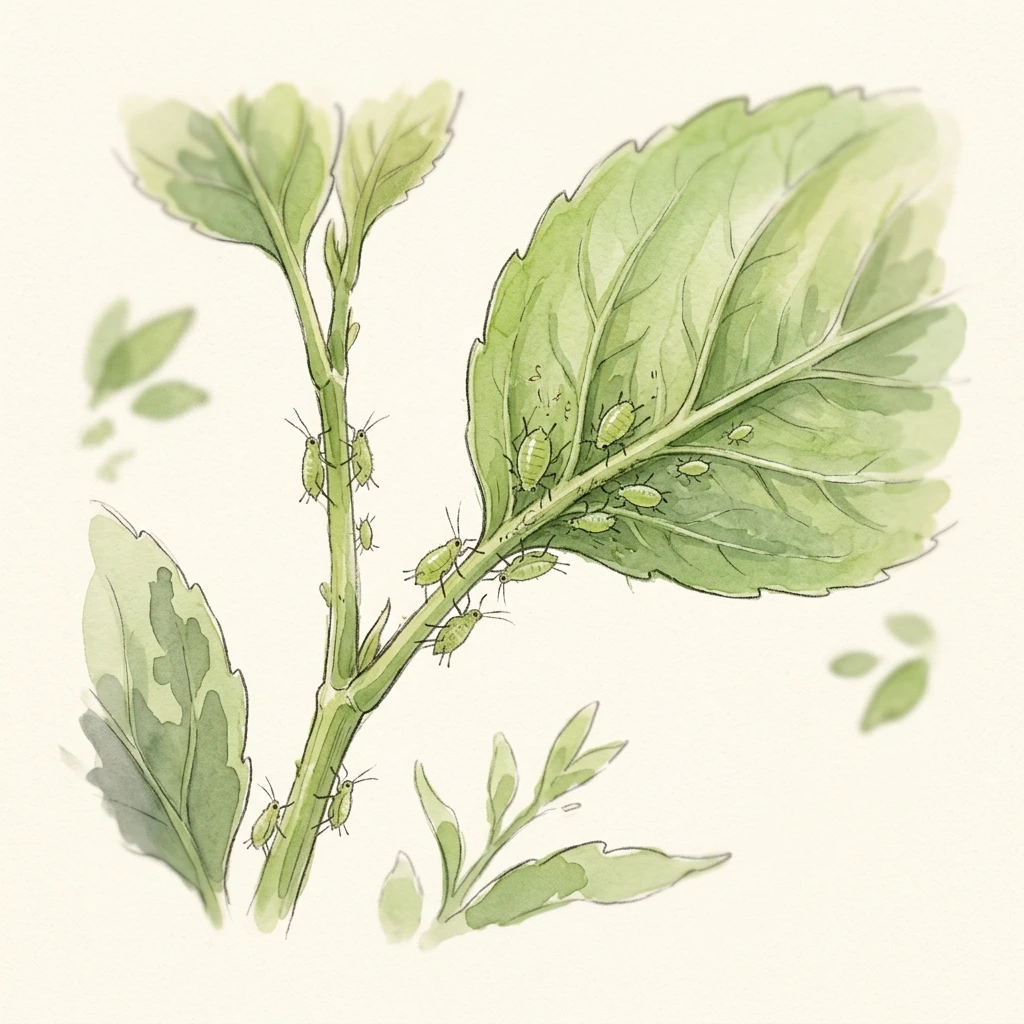
- AphidsModerateSmall, soft-bodied insects (green, black or yellow) that cluster on tender shoots and on the undersides of lea
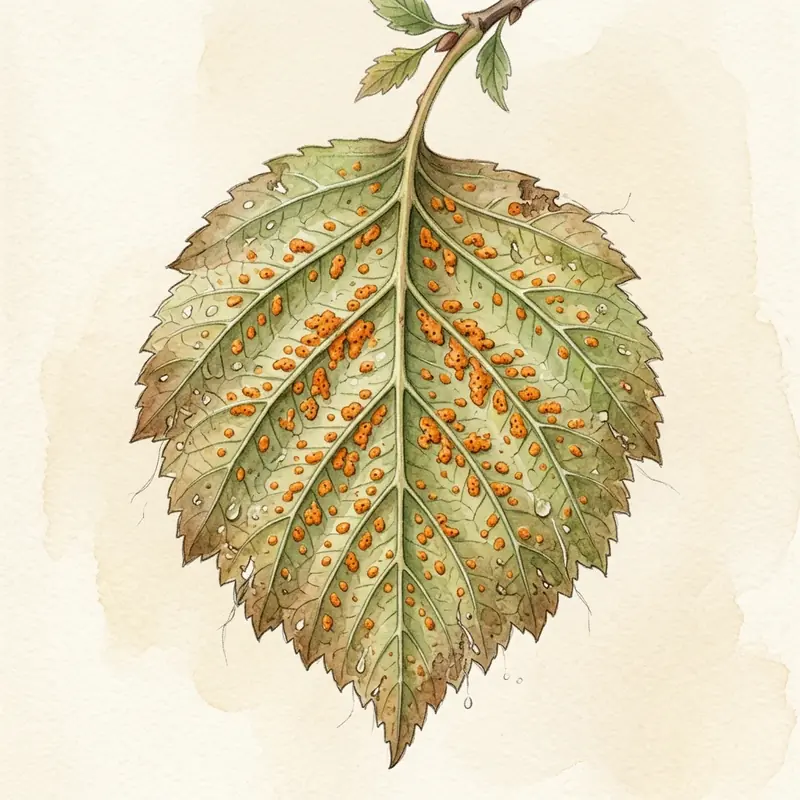
- RustModerateA fungus that forms rust-coloured pustules (orange, brown or yellow) on the undersides of the leaves
No known toxicity to people or pets
It is not toxic to people or pets; the only risk is the thorns.