In this article (13 sections)
- 1. Sowing too much, too soon
- 2. Watering a little every day
- 3. Sowing in poor soil and expecting miracles
- 4. Ignoring the soil pH
- 5. Transplanting tomatoes too early
- 6. Planting nightshades where there was another nightshade the year before
- 7. Reaching for chemicals at the first aphid
- 8. Not labelling
- 9. Harvesting too late
- 10. Writing nothing down
- 11. Leaving the garden covered with plastic “to retain moisture”
- 12. Giving up in August
- How to take it
Nobody escapes them, but knowing them in advance saves you a lot of disappointment.
Fewer plants, better looked after. 6-8 varieties well treated always beat 30 badly spread out.
1. Sowing too much, too soon
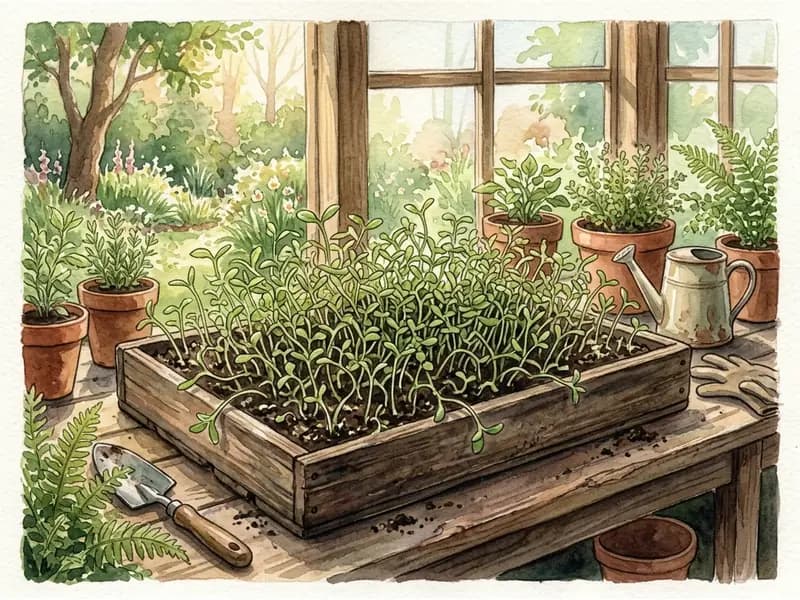
The classic: you get excited in February, sow 40 varieties and, when they grow, there is no room for all of them or time to look after them. Start with 6-8 varieties and expand the next year. Also, do not be in a hurry: almost everything for summer has to wait for the cold to pass.
2. Watering a little every day
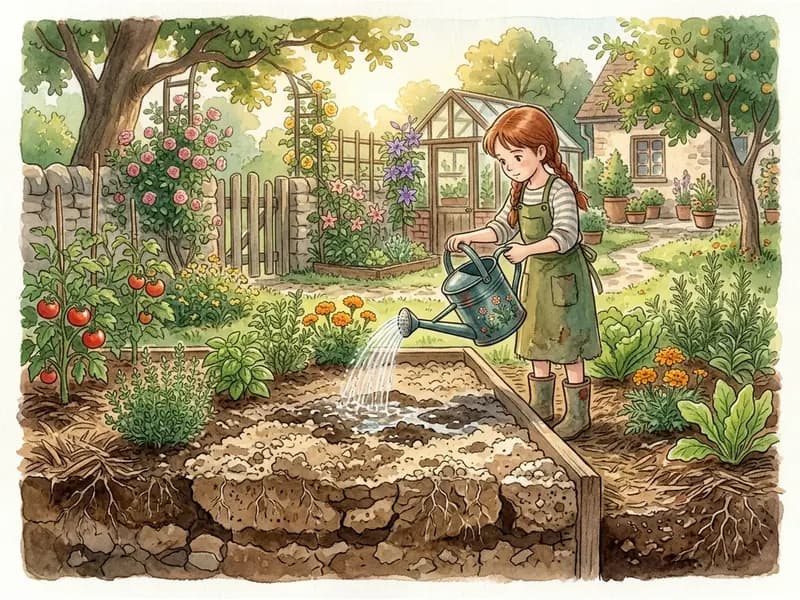
Short, daily watering wets only the surface, encourages the roots to stay near the top and favours fungi. The norm is to water less often and wet thoroughly: for example, 2-3 times a week in summer, and less the rest of the year, depending on the soil and the weather. Check the moisture by pushing your finger a few centimetres into the soil. See Smart watering.
3. Sowing in poor soil and expecting miracles
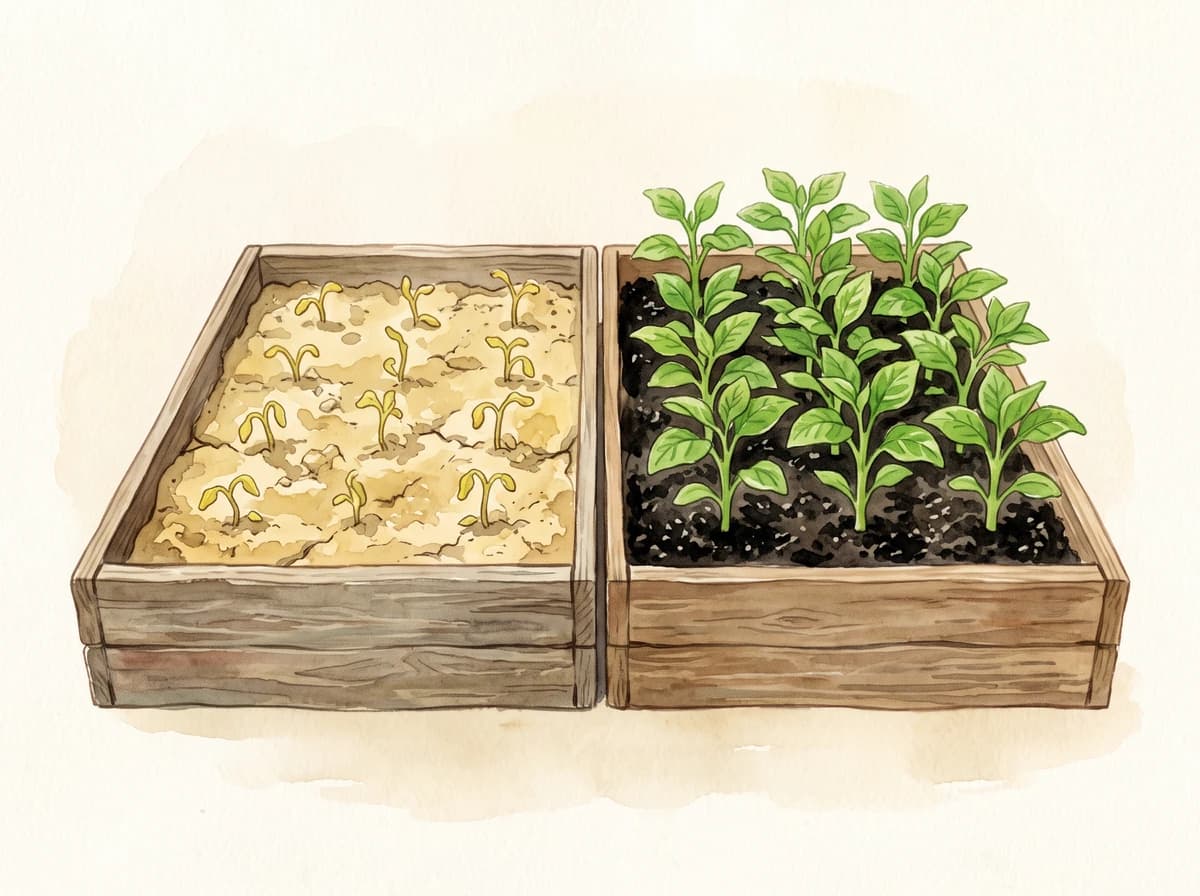
Without organic matter, there is no garden. Before sowing, add compost or very well-rotted manure (as a guide, a layer of compost of 1-3 cm, 0.4–1.2 in, that is, 10-30 L, about 2.6–7.9 US gal per m²). Without that, everything grows slowly or does not grow.
4. Ignoring the soil pH
In many Mediterranean areas the water is hard and the soil chalky, with a high pH: blueberries and other acid-loving plants have a hard time. In the north, many soils are acid, and sometimes liming is worthwhile. Do not do it blindly: a pH kit or a soil test will tell you whether it is needed.
5. Transplanting tomatoes too early
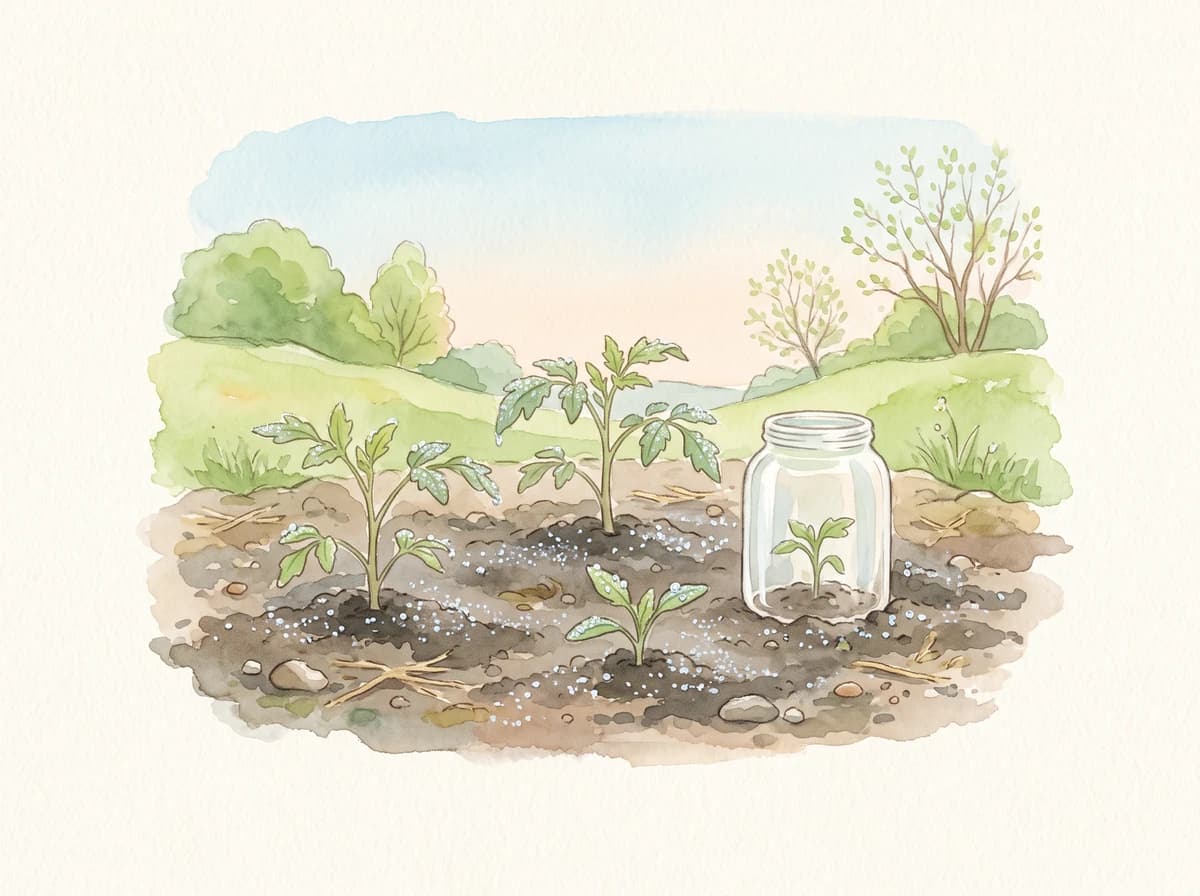
In the inland peninsula, late frosts can come as late as April and even early May. A frozen tomato does not recover, and below about 10 °C (50 °F) it stalls. Wait until the risk of frost has passed and the nights are mild; if you plant it earlier, protect it with a cover.
6. Planting nightshades where there was another nightshade the year before
The soil builds up pathogens specific to each family and the nutrients get used up unevenly. Rotate: after tomato, plant carrot; then, bean; and then, garlic.
7. Reaching for chemicals at the first aphid
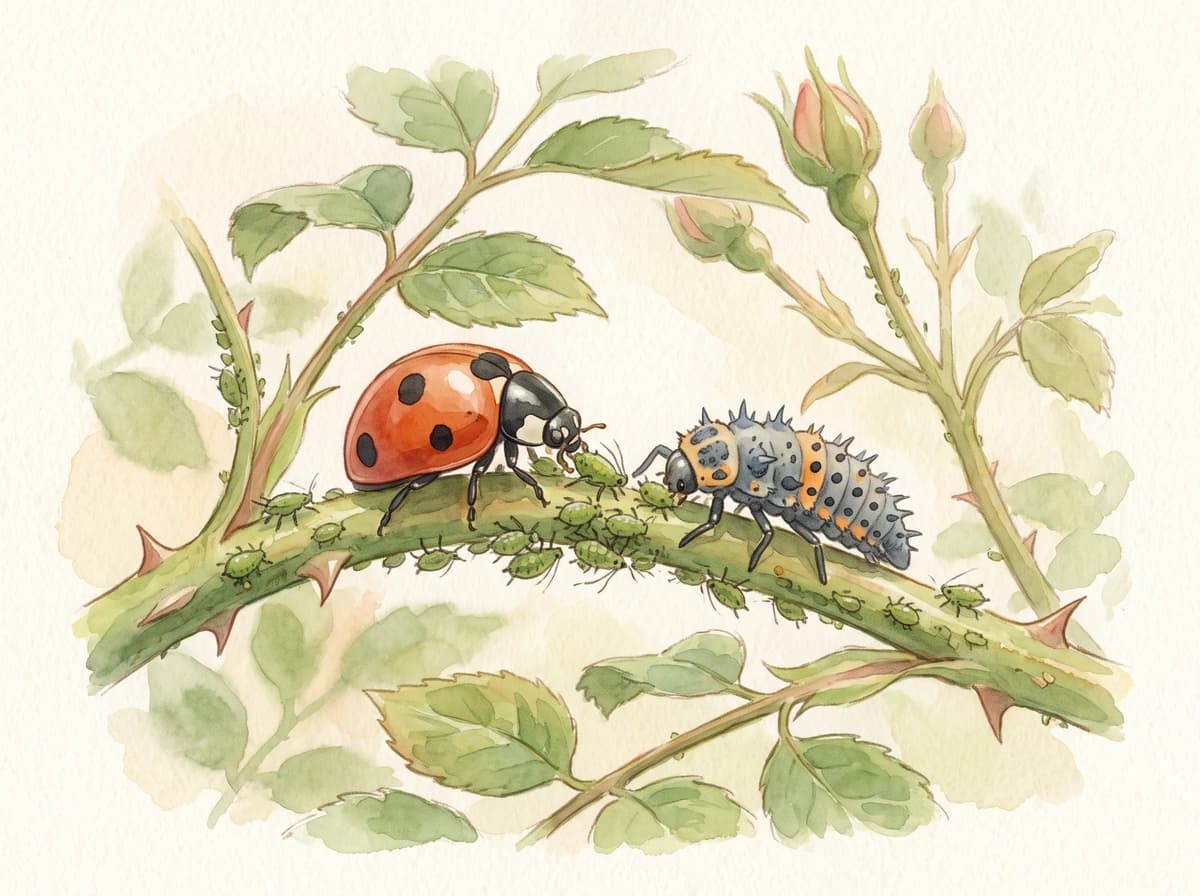
Aphids come and go. Their predators (ladybirds, hoverflies) usually arrive in 2-3 weeks. If you attack with an insecticide, you also harm the allies and the aphids return stronger. First hold on for a few days; if there are a lot, remove the most affected shoots or spray with potassium soap, at the dose on the pack and at dusk.
8. Not labelling
In June you will not know which row was the beetroot and which the carrot. Put in sticks with the name and date, or self-adhesive tape.
9. Harvesting too late
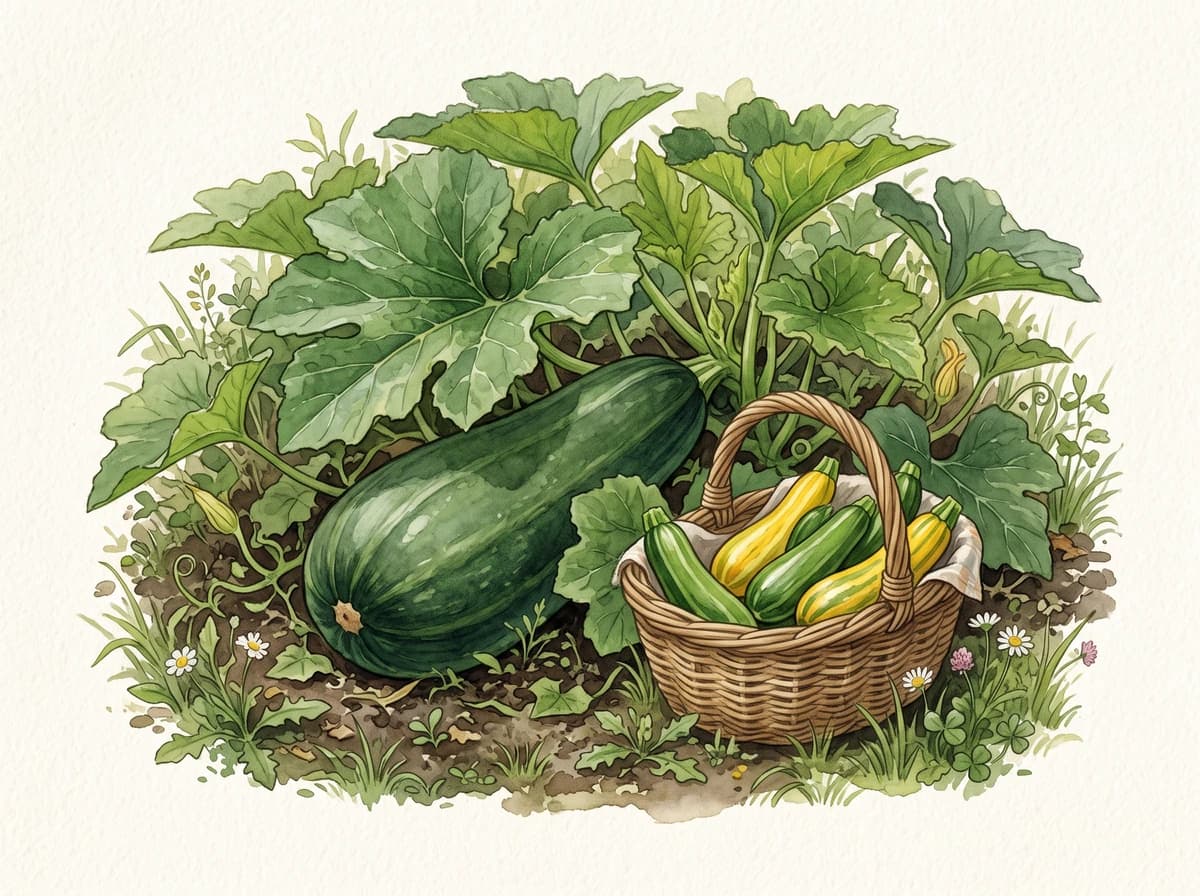
- Courgette: pick it at about 20 cm (7.9 in); past 30 cm (11.8 in), it goes spongy.
- Green bean: when it is still slim, not when the seeds show.
- Lettuce: when it bolts (puts up a stem and flower) it turns bitter, so harvest before.
10. Writing nothing down
In December you will not remember why a harvest was poor. A notebook or the “My garden” app, with the sowing, transplanting and harvest dates, helps you adjust the next season.
11. Leaving the garden covered with plastic “to retain moisture”
A plastic that covers the soil without letting water or air through holds moisture, but it also suffocates the roots, soaks the neck of the plant and favours fungi. Organic mulch (straw, leaf litter) is better: it breathes and nourishes. Perforated plastic mulch only works well with drip irrigation underneath.
12. Giving up in August
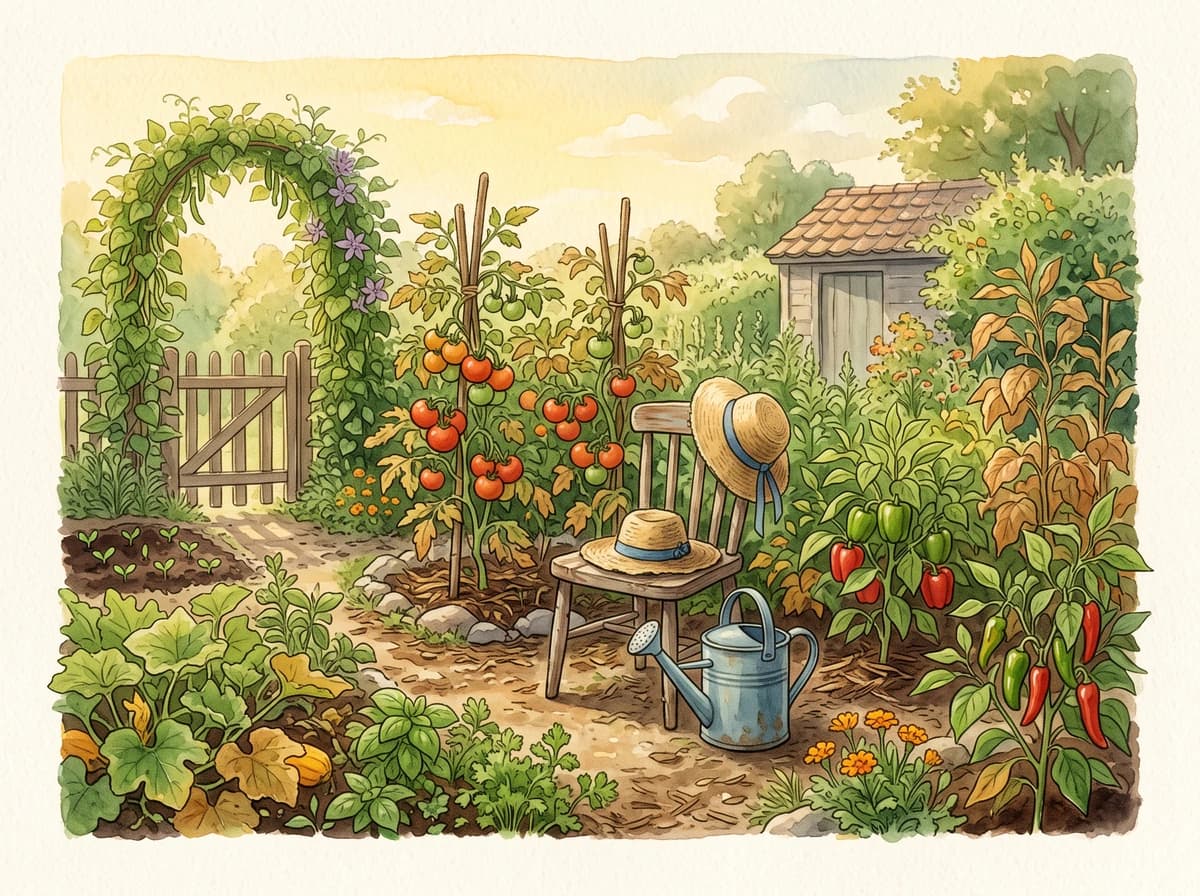
It is the worst time of year in the inland peninsula: heat, visitors and mould. Do not throw in the towel: September and October are a second season, with lettuces, spinach and cabbages, and it is the time to sow garlic (around October-November).
How to take it
Every mistake is a teacher. In the garden, whoever does not fail, does not learn. Write down what happened and try again next season. In three years almost nothing will surprise you.

Set it up by zones, elements and crops.
Plant profiles mentioned in this article
More articles on starting from scratch
How much time does a vegetable garden need? The real timetable
Raised bed or direct sowing in the ground: which suits you?