Credits and licences
- #1 — vueltaalhuerto illustration
- #2 — vueltaalhuerto illustration
- #3 — vueltaalhuerto illustration
- #4 — vueltaalhuerto illustration
- #5 — vueltaalhuerto illustration
- #6 — vueltaalhuerto illustration
- #7 — vueltaalhuerto illustration
- #8 — vueltaalhuerto illustration
- #9 — vueltaalhuerto illustration
- #10 — vueltaalhuerto illustration
Water mint (Mentha aquatica)
and 2 more names
aquatic mint, pond mintWater mint (Mentha aquatica) is sown in seed trays from March to April, and planted out from April to May and from September to October. It is harvested from June to September (about 60 days to the first harvest). Grow it in sun or partial shade, 40 cm apart, with plenty of watering. Dates are for a mild temperate climate in the northern hemisphere; the calendar below adjusts them to your zone.
What else to sow in March and April
A perennial mint of banksides and waterlogged soils, with upright, somewhat reddish or purplish, hairy stems 20 to 60 cm tall (up to 90 cm in very fertile soil), which spreads by rhizomes and comes back every spring. The leaves are oval, toothed and dark green, often tinged with purple, and smell strongly of mint when rubbed. From midsummer to early autumn it bears rounded heads of small lilac or pink flowers at the tips of the stems, which attract bees and butterflies. It is grown at the edge of ponds, in pots or baskets with waterlogged potting mix and in permanently damp soil, where it creeps about and can become a little invasive, although it is a native plant of the Iberian Peninsula. It is one of the parents of peppermint (Mentha × piperita), which arose from its cross with spearmint. It is used as a culinary herb, in infusions and for flavouring, with a stronger scent than spearmint.
Family and origin: Mint family (Lamiaceae) · native to Europe, North Africa and western Asia (including Spain), on the banks of rivers, streams and lagoons and in waterlogged soils · More plants from Temperate Europe
01In your area
How will it do in your garden?
Year calendar
| Task | J | F | M | A | M | J | J | A | S | O | N | D |
|---|---|---|---|---|---|---|---|---|---|---|---|---|
| Seed trayMar–Apr | no | no | yes | yes | no | no | no | no | no | no | no | no |
| Plant / transplantApr–May, Sep–Oct | no | no | no | yes | yes | no | no | no | yes | yes | no | no |
| HarvestJun–Sep | no | no | no | no | no | yes | yes | yes | yes | no | no | no |
| FloweringJul–Oct | no | no | no | no | no | no | yes | yes | yes | yes | no | no |
| CuttingsApr–Sep | no | no | no | yes | yes | yes | yes | yes | yes | no | no | no |
| Divide the clumpMar–Apr, Sep–Oct | no | no | yes | yes | no | no | no | no | yes | yes | no | no |
Its life cycle at a glance
Swipe and tap a stage to see its details.
02Planting
Where and how to plant it
The seed goes on the surface, uncovered; leave 40 cm between plants and 50 cm between rows.
40 cm between plants · 50 cm between rows
Seed at ground level; seedlings go in with the root ball level with the soil.
- In a square-foot bed
- 1 plant every 4 squares30 × 30 cm squares
- Transplanting
- Apr–May, Sep–Oct
- Seed tray
- Mar–Apr
- Germination
- ~14 days
- TipThe plant crosses with other mints, so do not save seed if you want to keep it pure.
- TipIt is not a plant that should be released into natural wetlands.
03Care
Care through the year
Sun and aspectSun and shade · 6 h of sun · shade in summer
- Too little sun
- Ideal range
- Plenty of sun
East, or south with light shade during the middle of the day
Moderate sun: Copes with full sun, but give it some shade during heatwaves.
Full sun or partial shade, always with its roots damp. In full sun and short of water, the leaf edges scorch and powdery mildew appears; in deep shade it gets leggy and flowers poorly. It withstands hard frosts down to about -15 °C, as it loses its stems in winter and regrows in spring.
WateringVery moist, tolerates waterlogging · summer: soil always soaked; in a pot, a saucer of water or a basket submerged a few centimetres
- Summersoil always soaked; in a pot, a saucer of water or a basket submerged a few centimetres1.4 L per plant/week
- Spring / Autumnevery 3-4 days0.6 L per plant/week
- Winteronly if the soil dries out; for the rest of the winter rain is enough0.2 L per plant/week
Very moist, tolerates waterlogging: Saturated or nearly saturated soil. Still watch out for fungal disease.
It is a marginal plant: set the basket or pot so that the surface of the potting mix sits 5 or 10 cm below the water, or place it at the edge with its roots in mud. In a garden pot with no pond, always leave a saucer of water underneath. If the potting mix dries out, it wilts quickly.
This is a plant for waterlogged soil or pond margins: the finger test does not help, because the soil must stay wet all the time. Make sure the mud never dries out and, if it grows in a pond, that the water covers the base as the profile says; in summer, top up what evaporates.
Soil and feedingpH 6–7.5 · Free-draining, airy mix
Free-draining, airy mix.
40 % topsoil · 30 % coarse sand or perlite · 30 % well-rotted compost (less compost for Mediterranean herbs).
High: almost all prefer being thirsty to being wet.
This plant prefers a pH between 6.0 and 7.5 (slightly acidic to slightly alkaline).
- Mediterranean herbs in very rich, heavily watered soil: they grow a lot but lose their aroma.
- A pot without a drainage hole: the roots rot within weeks.
- TipPlant it in a pond basket with heavy garden soil and a layer of gravel on top, so that it does not muddy the water or spread across the whole pond.
Pruning
- TipPinch out the tips often so it branches and does not run to seed so soon.
Common mistakes and tips
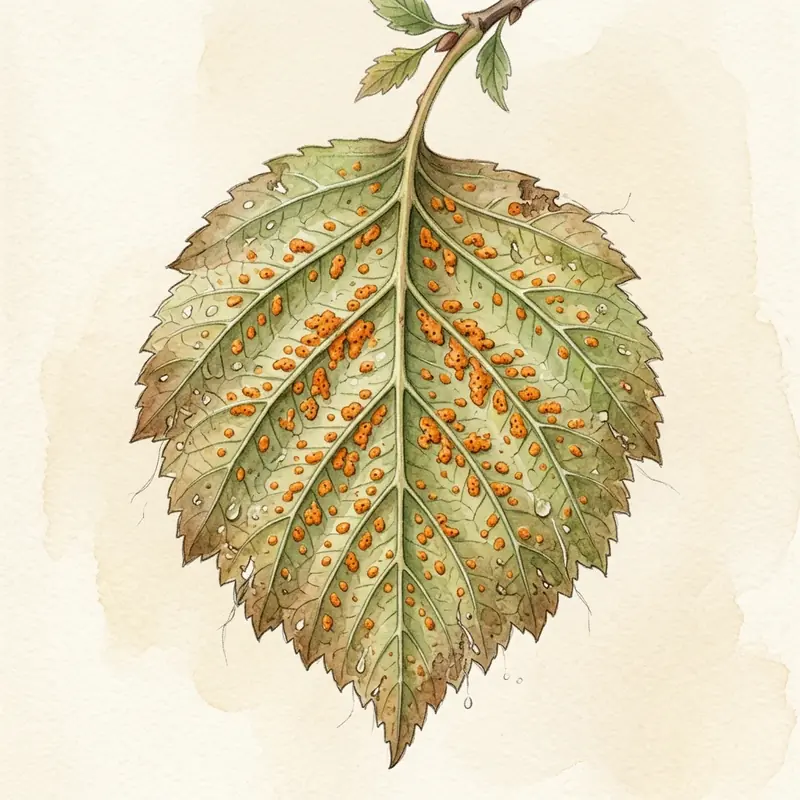
- TipCut the stems back after flowering so that it regrows young; powdery mildew and rust appear if it dries out.
- TipWhen you use it, wash the stems well first.
- TipThe frequencies and timings are a rough guide.
- Common mistakeLetting them flower early makes the leaves bitter (in leafy herbs).
04Harvest
Harvesting and storing
Harvest in Jun–Sep; the first, about 60 days after sowing.
- TipIf you gather it from wild watercourses with livestock nearby, it may carry liver fluke larvae, as watercress can: do not eat it raw.
05Propagation
Make new plants
It is propagated mainly by dividing the clump and by stem cuttings. Lift the clump in spring or autumn and split it into pieces with white rhizomes and roots, then plant them straight away in damp soil or in pond baskets. Tip cuttings 8 to 12 cm long root in water or in wet mud in one or two weeks and can be taken from spring to early autumn. It can also be sown: the tiny seeds are scattered on the surface and germinate in about two weeks with light and 15-22 °C, but the plants do not come true and it is slower.
Seeds: how to germinate them~14 days
- TipDivide the clump every two or three years, because the centre dies out.
06Uses and health
What it is used for, and with what care
In small amounts as a seasoning it causes no problems, but mint essential oil is highly concentrated and should not be taken or applied without professional advice, least of all in young children. In dogs and cats, eating a lot of the plant can cause digestive upset, and the essential oil is more of a problem. Do not confuse it with pennyroyal (Mentha pulegium), which is toxic in quantity. Like wild watercress, water mint from streams and ditches with livestock upstream may carry liver fluke larvae (Fasciola hepatica), so do not eat it raw unless it is cultivated or from water of known quality. If in doubt, consult a doctor or a vet.
- Properties
- In folk tradition, like other mints, it has been taken as an infusion for its digestive and aromatic properties. There is no modern evidence to recommend it as a home remedy, and no doses are given here.
- Uses
- The fresh or dried leaves are used to flavour infusions, sauces and salads, in small amounts: its scent is stronger than that of spearmint. Wash the stems well first, especially if they come from wild watercourses.
For guidance only; this is not medical treatment and does not replace advice from a doctor or vet.
07Companions and related plants
What to plant it with
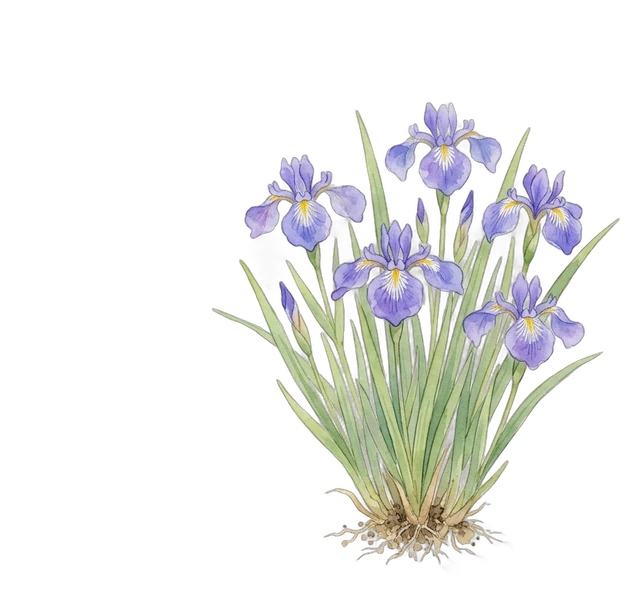
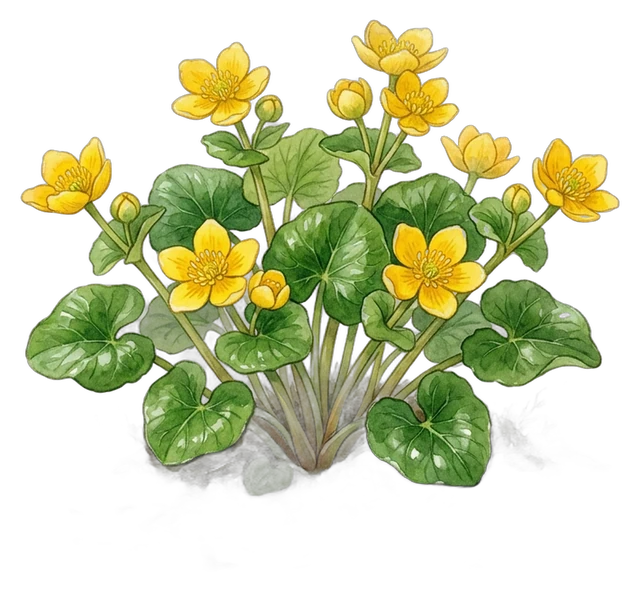
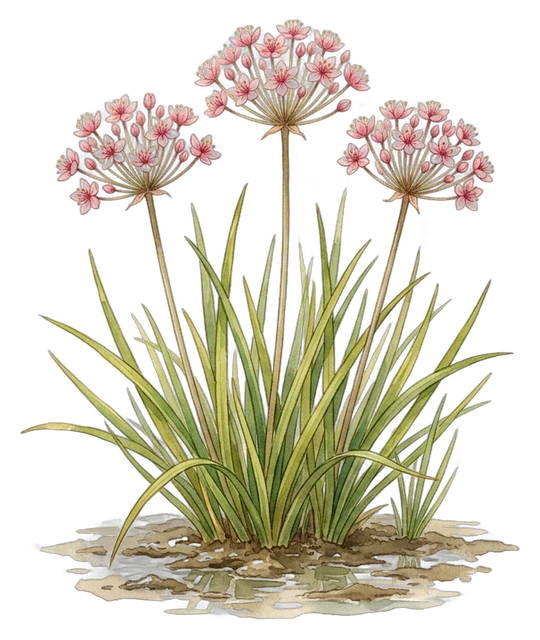
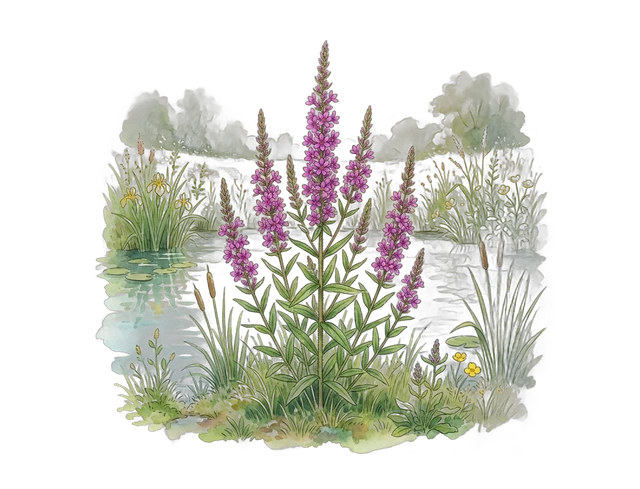
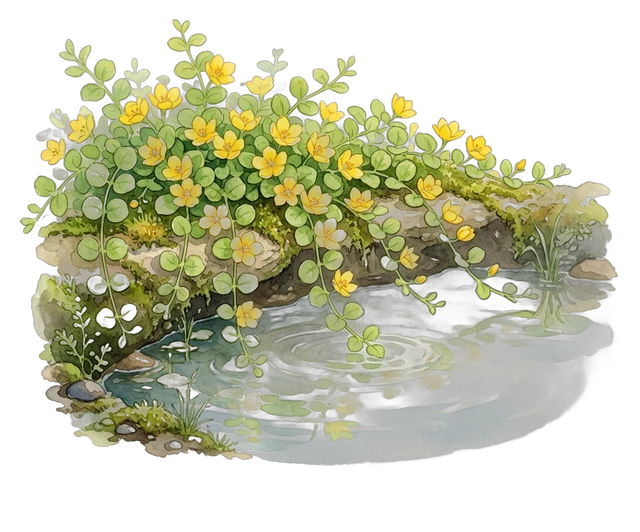
Group it in the same bedPlants with the same watering or the same sun
They are not essential companions, but you will not have to water or position them differently.
Same watering · Lots of water
Compare with similar varieties
| Variety | Sowing | Harvest | Days | Spacing | Difficulty |
|---|---|---|---|---|---|
| Water mint (Mentha aquatica) | Mar–Apr | Jun–Sep | ~60 | 40 cm | Easy |
| Korean mint (agastache) | Feb–May | Jun–Oct | ~90 | 40 cm | Easy |
| Catnip | Feb–May | May–Sep | ~90 | 45 cm | Easy |
| Moroccan mint | Mar–May, Sep–Oct | Apr–Oct | — | 30 cm | Easy |
| Peppermint | Mar–May, Sep–Oct | Apr–Oct | — | 30 cm | Easy |
| Pineapple mint | Mar–May, Sep–Oct | Apr–Oct | ~60 | 40 cm | Easy |
08Pests and diseases
Critters and ailments to keep an eye on
The most common ones on this plant. Tap one to see how to recognise it and what to do.