Credits and licences
- #1 — vueltaalhuerto illustration
- #2 — vueltaalhuerto illustration
- #3 — vueltaalhuerto illustration
- #4 — vueltaalhuerto illustration
- #5 — vueltaalhuerto illustration
- #6 — vueltaalhuerto illustration
- #7 — vueltaalhuerto illustration
- #8 — vueltaalhuerto illustration
- #9 — vueltaalhuerto illustration
- #10 — vueltaalhuerto illustration
Aleppo pine
Aleppo pine is sown directly outdoors from February to March. Grow it in full sun, 600 cm apart, with little watering. Dates are for a mild temperate climate in the northern hemisphere; the calendar below adjusts them to your zone.
What else to sow in February and March
A fast-growing Mediterranean conifer, 10 to 20 m tall when mature, with an open, irregular crown, an often twisted trunk and silvery-grey bark that becomes reddish and fissured with age. The leaves, or needles, are fine, soft, light green and grow in pairs. The cones, 6 to 12 cm long and glossy brown, take two years to ripen and often stay closed on the branch for years until heat, from a fire for example, opens them. It withstands heat, drought, wind and poor, chalky soils very well, and is one of the species most used in reforestation around the Mediterranean. In a garden it needs a lot of space, because the crown and roots take up a good deal of room, and its resin burns easily. It is also sold as a bonsai, which needs direct sun all year round and is kept outdoors.
Family and origin: Pine family (Pinaceae) · native to Mediterranean basin; a native tree in eastern and southern Spain · More plants from Mediterranean basin
01In your area
How will it do in your garden?
Year calendar
| Task | J | F | M | A | M | J | J | A | S | O | N | D |
|---|---|---|---|---|---|---|---|---|---|---|---|---|
| Direct sowingFeb–Mar | no | yes | yes | no | no | no | no | no | no | no | no | no |
| Plant / transplantFeb–Mar, Oct–Nov | no | yes | yes | no | no | no | no | no | no | yes | yes | no |
| FloweringSep–Nov | no | no | no | no | no | no | no | no | yes | yes | yes | no |
| PruningJan–Feb | yes | yes | no | no | no | no | no | no | no | no | no | no |
Its life cycle at a glance
Swipe and tap a stage to see its details.
02Planting
Where and how to plant it
Sow the seed 1 cm deep; leave 6 m between plants and 8 m between rows.
6 m between plants · 8 m between rows
Seed at a depth of 1 cm; seedlings go in with the root ball level with the soil.
- Transplanting
- Feb–Mar, Oct–Nov
- Direct sowing
- Feb–Mar
- Germination
- ~21 days
- TipIt is a tree for wide open spaces: plant it away from houses, walls, pipes and other trees, and more than about 10 m from buildings if possible.
- Common mistakePlanting in a small hole limits rooting.
03Care
Care through the year
Sun and aspectFull sun · 8 h of sun · South or south-west, with nothing casting shade at midday
- Too little sun
- Ideal range
- Plenty of sun
South or south-west, with nothing casting shade at midday
Strong sun: Loves full midday sun and high temperatures.
Full sun all day, the bonsai too: it does not adapt to shade or to living indoors.
WateringLet it dry out between waterings · summer: every 5-7 days
- Summerevery 5-7 days4 L per plant/week
- Spring / Autumnevery 10-14 days1.6 L per plant/week
- Winteronly in extreme drought (once a month)0.6 L per plant/week
Let it dry out between waterings: A Mediterranean favourite: better thirsty than overwatered.
Water regularly for the first two or three summers, with deep, infrequent waterings. After that it withstands the normal drought of the Mediterranean climate without watering. It does not tolerate waterlogging. The bonsai, in its pot, does need regular watering.
When to water? Push your finger 5 cm into the soil next to the base of the plant:
- Damp: soil sticks to your finger. Do not water yet. It has more than enough; wait for it to dry out more.
- Cool but clean, no mud. Wait another 1-2 days before watering.
- Dry and dusty. Water now, but moderately. Do not overdo it: it prefers thirst to excess.
- TipWater it in well in the first year; after that they are very tough.
Soil and feedingpH 6.5–8.5 · Free-draining, slightly acidic soil
Free-draining, slightly acidic soil.
High.
This plant prefers a pH between 6.5 and 8.5 (neutral to alkaline).
- TipChoose a sunny spot with well-drained soil.
- TipIf you buy a bonsai, always keep it outside, in full sun, and water when the soil dries on the surface.
- TipFree-draining soil: they cope badly with prolonged waterlogging.
PruningWhen: Jan–Feb
Pruning time for this plant: Jan–Feb.
- TipPrune only dead or very low branches and do it in winter, and check the regulations on felling and pruning before touching a pine on forest land.
- Common mistakePruning back into old wood with no green does not regrow: it leaves bare patches.
Common mistakes and tips
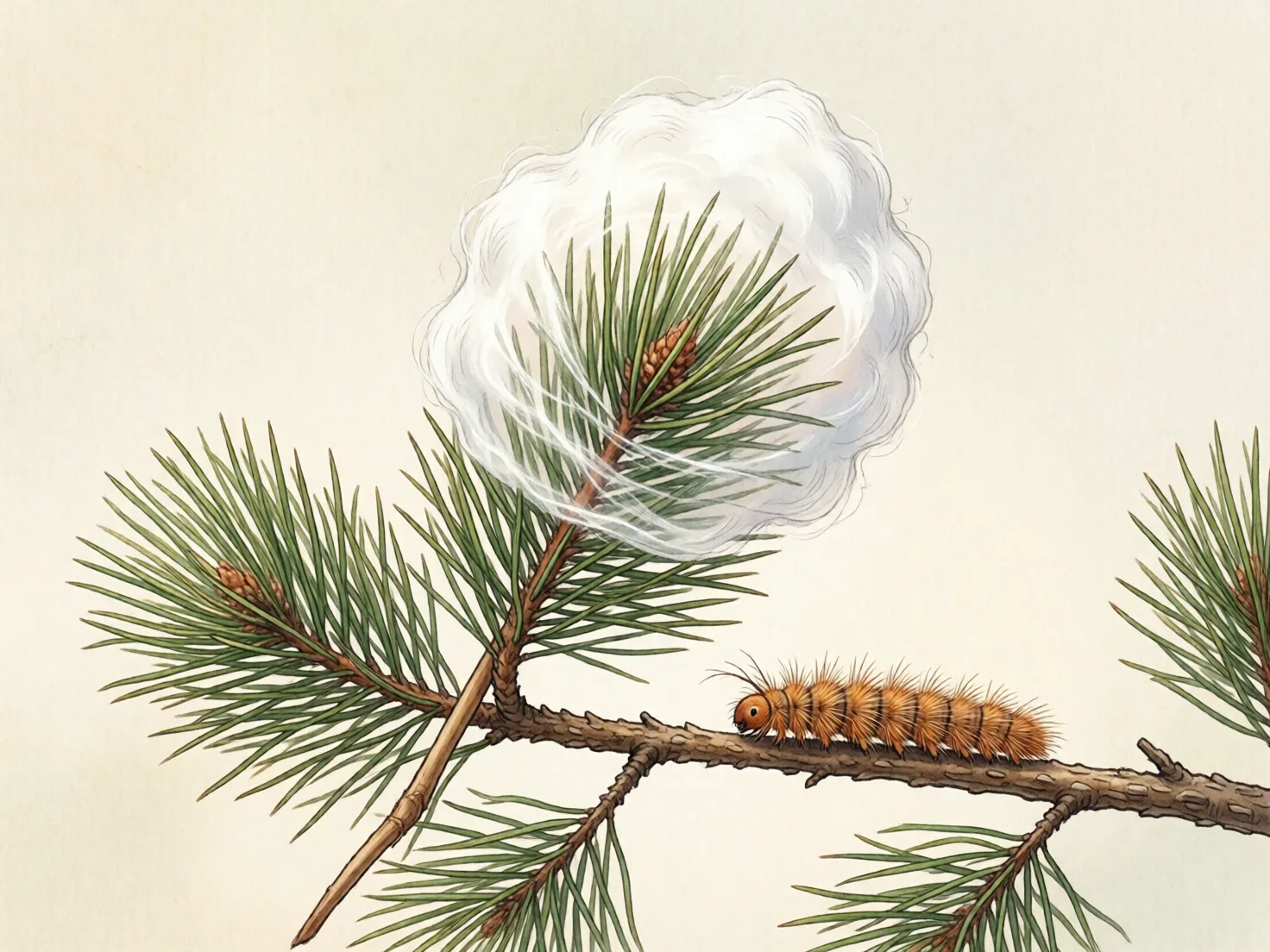
- TipIn winter, look out for the white silk nests of the pine processionary caterpillar and ask the local council or a professional to remove them.
- TipKeep the area around the house clear of dry scrub and needles, because of the fire risk.
04Propagation
Make new plants
It is propagated by seed. The cones are gathered ripe, from September to December, and left to dry in the sun in a box or paper bag, in a warm, dry place, until they open and release the seeds, which are small, grey and have a long wing. They are sown in February or March, shallowly, at about 10 mm, in a deep container, and come up in three or four weeks. The seedlings take years to become trees and are not transplanted bare-root. It cannot practically be propagated from cuttings.
Seeds: how to germinate them~21 days
05Uses and health
What it is used for, and with what care
PROCESSIONARY CATERPILLAR: the pine processionary caterpillar (Thaumetopoea pityocampa) lives in white silk nests in the crowns of this pine and has highly irritant hairs that cause rashes, irritation of the eyes and airways and allergic reactions in people, and they are dangerous for dogs, which can suffer necrosis of the tongue if they lick or sniff them. Do not touch the nests or the caterpillars, keep children and pets away and alert the local council or a professional. FIRE: the resin and needles burn easily; do not plant it near homes and keep the surrounding area clear. POLLEN: it can cause allergies in spring. The needles and resin can cause digestive upset in dogs and cats if they chew them. Do not gather cones or plants in protected areas.
- Properties
- It is a tree of great ecological value around the Mediterranean: it protects the soil, withstands drought and provides shade and shelter for wildlife with very little care.
- Uses
- It is not grown for food. Its seeds are small, resinous and of little culinary value, so do not use them in cooking or home remedies, and do not make infusions from the needles or resin.
For guidance only; this is not medical treatment and does not replace advice from a doctor or vet.
06Companions and related plants
What to plant it with

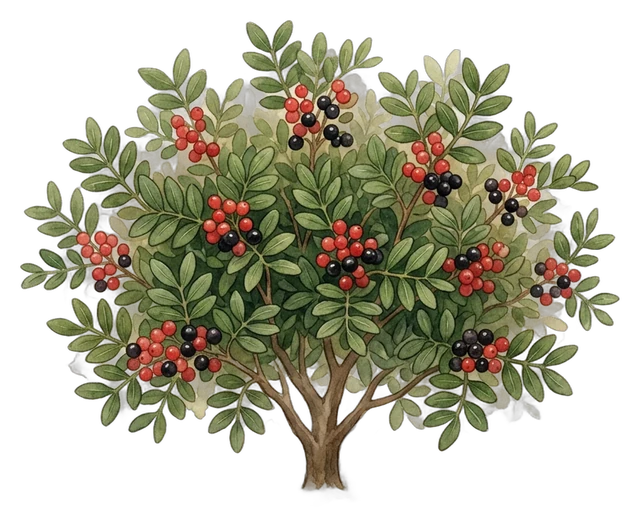
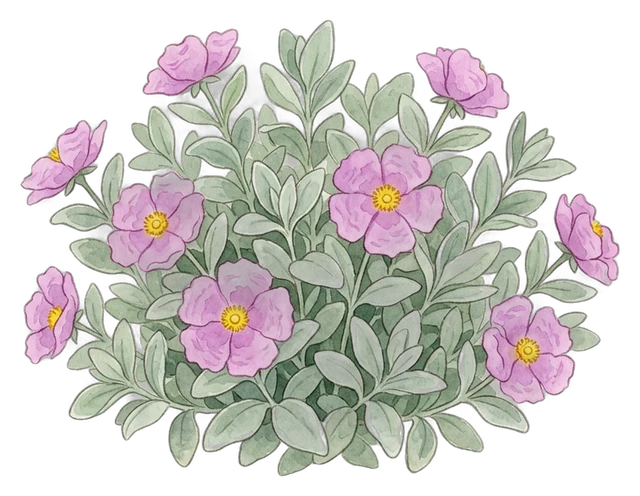
Compare with similar varieties
| Variety | Sowing | Harvest | Days | Spacing | Difficulty |
|---|---|---|---|---|---|
| Aleppo pine | Feb–Mar | Sep–Nov | — | 600 cm | Easy |
| Dwarf mountain pine (Pinus mugo) | — | — | — | 120 cm | Easy |
| Stone pine | Nov–Feb | Dec–Mar | ~3650 | 800 cm | Moderate |
07Pests and diseases
Critters and ailments to keep an eye on
The most common ones on this plant. Tap one to see how to recognise it and what to do.