Credits and licences
- #1 — vueltaalhuerto illustration
- #2 — vueltaalhuerto illustration
- #3 — vueltaalhuerto illustration
- #4 — vueltaalhuerto illustration
- #5 — vueltaalhuerto illustration
- #6 — vueltaalhuerto illustration
- #7 — vueltaalhuerto illustration
- #8 — vueltaalhuerto illustration
- #9 — vueltaalhuerto illustration
- #10 — vueltaalhuerto illustration
Stone pine
and 1 more names
Pinus pineaStone pine is sown in seed trays from January to February or directly outdoors from November to February, and planted out from February to March and from October to November. Grow it in full sun, 800 cm apart, with little watering. Dates are for a mild temperate climate in the northern hemisphere; the calendar below adjusts them to your zone.
What else to sow in January, February, November and December
A Mediterranean conifer 15 to 25 m tall which, with age, develops a broad, flat, umbrella-shaped crown and a straight trunk with reddish-grey bark, deeply fissured into plates. It has long needles, 10 to 20 cm, grouped in pairs, and large, rounded, glossy brown cones, which take three years to ripen and hold the pine nuts, with a hard shell and a white, oily kernel. It prefers loose, sandy soils and tolerates drought and sea breezes well, but its taproot is deep and it transplants badly once mature. It is a large tree: do not plant it near buildings or pipes. It takes years to produce cones, between 10 and more than 15 from sowing, and considerably fewer if the young plant is grafted. Pine nuts can cause allergies in sensitive people. In many areas, felling a mature pine requires a permit.
Family and origin: Pine family (Pinaceae) · native to Mediterranean basin · More plants from Mediterranean basin
01In your area
How will it do in your garden?
Year calendar
| Task | J | F | M | A | M | J | J | A | S | O | N | D |
|---|---|---|---|---|---|---|---|---|---|---|---|---|
| Seed trayJan–Feb | yes | yes | no | no | no | no | no | no | no | no | no | no |
| Direct sowingNov–Feb | yes | yes | no | no | no | no | no | no | no | no | yes | yes |
| Plant / transplantFeb–Mar, Oct–Nov | no | yes | yes | no | no | no | no | no | no | yes | yes | no |
| FloweringDec–Mar | yes | yes | yes | no | no | no | no | no | no | no | no | yes |
| PruningJan–Feb | yes | yes | no | no | no | no | no | no | no | no | no | no |
Its life cycle at a glance
Swipe and tap a stage to see its details.
02Planting
Where and how to plant it
Sow the seed 2.5 cm deep; leave 8 m between plants and 10 m between rows.
8 m between plants · 10 m between rows
Seed at a depth of 2.5 cm; seedlings go in with the root ball level with the soil.
- Transplanting
- Feb–Mar, Oct–Nov
- Seed tray
- Jan–Feb
- Direct sowing
- Nov–Feb
- Germination
- ~21 days
- Common mistakePlanting in a small hole limits rooting.
03Care
Care through the year
Sun and aspectFull sun · 8 h of sun · South or south-west, with nothing casting shade at midday
- Too little sun
- Ideal range
- Plenty of sun
South or south-west, with nothing casting shade at midday
Strong sun: Loves full midday sun and high temperatures.
Full sun from a young age; in the shade of other trees it grows crooked and does not produce cones.
WateringLet it dry out between waterings · summer: every 5-7 days
- Summerevery 5-7 days4 L per plant/week
- Spring / Autumnevery 10-14 days1.6 L per plant/week
- Winteronly in extreme drought (once a month)0.6 L per plant/week
Let it dry out between waterings: A Mediterranean favourite: better thirsty than overwatered.
Regular watering in the first and second summers so it gets established. From then on rainfall is enough; excess water and waterlogged soil cause root rot.
When to water? Push your finger 5 cm into the soil next to the base of the plant:
- Damp: soil sticks to your finger. Do not water yet. It has more than enough; wait for it to dry out more.
- Cool but clean, no mud. Wait another 1-2 days before watering.
- Dry and dusty. Water now, but moderately. Do not overdo it: it prefers thirst to excess.
Soil and feedingpH 5.5–7.5 · Free-draining, slightly acidic soil
Free-draining, slightly acidic soil.
High.
This plant prefers a pH between 5.5 and 7.5 (slightly acidic to slightly alkaline).
- TipChoose a very sunny, open spot with deep, sandy soil, and leave plenty of space: the mature crown spreads 8 m or more.
- TipFree-draining soil: they cope badly with prolonged waterlogging.
PruningWhen: Jan–Feb
Pruning time for this plant: Jan–Feb.
- TipDo not prune it hard; removing dead branches in winter is enough.
- Common mistakePruning back into old wood with no green does not regrow: it leaves bare patches.
Common mistakes and tips
- TipPine nuts in their shells keep better cold and in a sealed container.
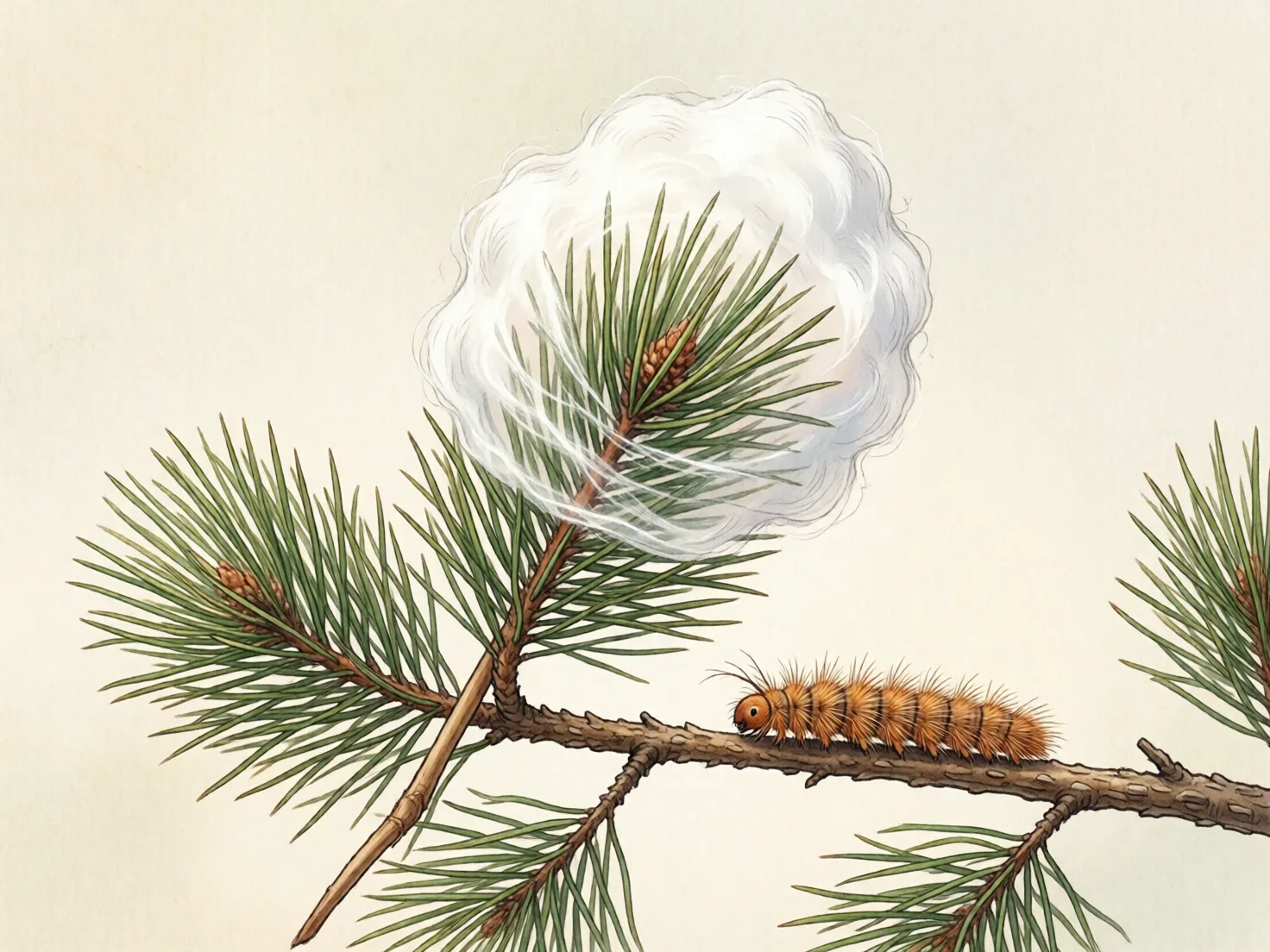
- TipWatch out for the processionary caterpillar, which is irritant and dangerous for people and pets, and for the western conifer seed bug on the cones.
04Harvest
Harvesting and storing
- TipThe cones are gathered from December to March, in their third year, and dried in the sun until they open and release the pine nuts.
05Propagation
Make new plants
It is propagated from seed (the pine nut in its shell) sown in autumn or winter, in tall, deep pots because it forms a long taproot, and it is transplanted with its root ball to its final position while still small. Seed-grown plants take a long time to produce cones; in commercial plantations grafted plants are used, which start producing sooner.
Seeds: how to germinate them~21 days
06Uses and health
What it is used for, and with what care
ALLERGEN: pine nuts can cause allergies, sometimes severe, in people sensitive to nuts; if there is a history of allergy, avoid them. Some batches, especially from other pine species, leave a metallic, bitter taste for days, which is not dangerous. A pine nut in its hard shell can damage teeth. PROCESSIONARY CATERPILLAR: the pine processionary caterpillar (Thaumetopoea pityocampa) has highly irritant hairs, dangerous for people and above all for dogs and cats that sniff or touch it; if you see silky nests in the tree, do not touch them and alert a professional. For dogs and cats, the needles and cones can irritate and cause digestive upset: do not let them chew them. In many Spanish regions, felling a mature pine requires a permit.
- Properties
- Pine nuts provide unsaturated fats, protein, vitamin E and minerals such as magnesium and zinc, and are very energy-rich; their value is mainly culinary.
- Uses
- The shelled pine nuts are eaten raw or toasted, in salads, pesto, baking, stuffings and stews. They are extracted from the cones after drying them in the sun, and the hard shell is removed. They go rancid easily: store them cold and in a sealed container.
For guidance only; this is not medical treatment and does not replace advice from a doctor or vet.
07Companions and related plants
What to plant it with
Good companions

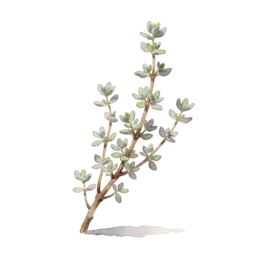
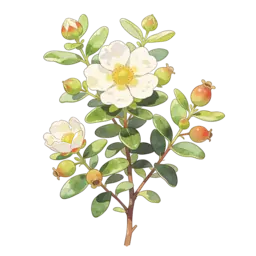
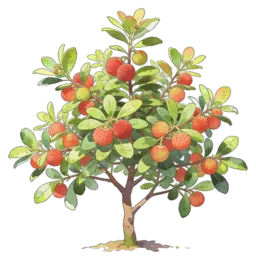
Compare with similar varieties
| Variety | Sowing | Harvest | Days | Spacing | Difficulty |
|---|---|---|---|---|---|
| Aleppo pine | Feb–Mar | Sep–Nov | — | 600 cm | Easy |
| Dwarf mountain pine (Pinus mugo) | — | — | — | 120 cm | Easy |
| Stone pine | Nov–Feb | Dec–Mar | ~3650 | 800 cm | Moderate |
08Pests and diseases
Critters and ailments to keep an eye on
The most common ones on this plant. Tap one to see how to recognise it and what to do.