Credits and licences
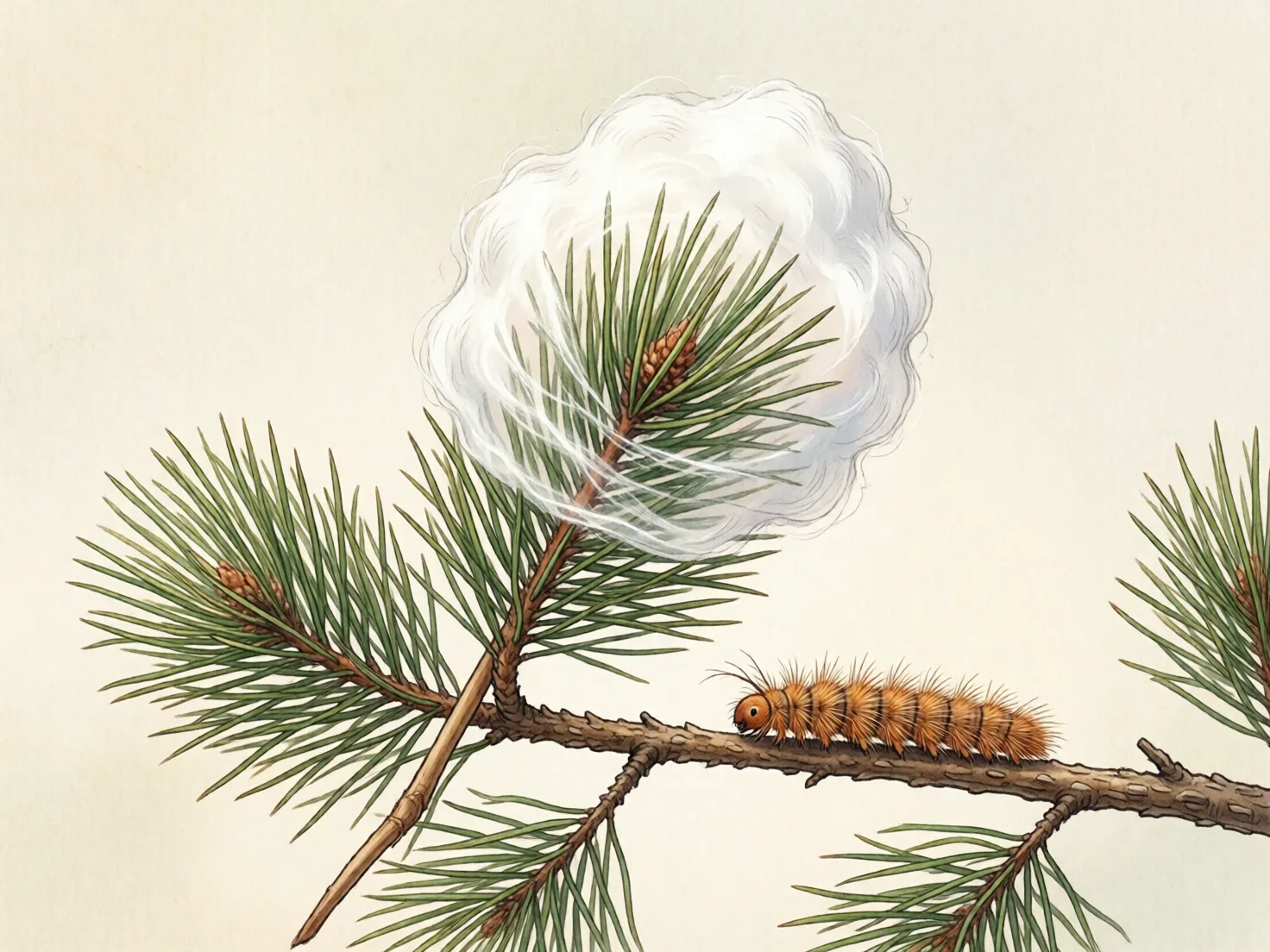
- #1 — vueltaalhuerto illustration
- #2 — vueltaalhuerto illustration
- #3 — vueltaalhuerto illustration
- #4 — vueltaalhuerto illustration
- #5 — vueltaalhuerto illustration
- #6 — vueltaalhuerto illustration
- #7 — vueltaalhuerto illustration
- #8 — Georgi Kunev · CC BY 2.5 see on Wikimedia
Dwarf mountain pine (Pinus mugo)
and 2 more names
dwarf pine, Pinus mugoA slow-growing mountain conifer with a squat habit, ideal for rock gardens and small gardens. Pinch the new candles in mid-spring to keep it compact.
Family and origin: Pine family (Pinaceae) · native to Alps and Carpathians · More plants from Temperate Europe
01In your area
How will it do in your garden?
02Planting
Where and how to plant it
Sow the seed 3 mm deep; leave 1.2 m between plants.
1.2 m between plants
Seed at a depth of 3 mm.
- Common mistakePlanting in a small hole limits rooting.
03Care
Care through the year
Sun and aspectFull sun · 8 h of sun · South or south-west, with nothing casting shade at midday
- Too little sun
- Ideal range
- Plenty of sun
South or south-west, with nothing casting shade at midday
Strong sun: Loves full midday sun and high temperatures.
WateringLet it dry out between waterings · summer: every 5-7 days
- Summerevery 5-7 days4 L per plant/week
- Spring / Autumnevery 10-14 days1.6 L per plant/week
- Winteronly in extreme drought (once a month)0.6 L per plant/week
Let it dry out between waterings: A Mediterranean favourite: better thirsty than overwatered.
When to water? Push your finger 5 cm into the soil next to the base of the plant:
- Damp: soil sticks to your finger. Do not water yet. It has more than enough; wait for it to dry out more.
- Cool but clean, no mud. Wait another 1-2 days before watering.
- Dry and dusty. Water now, but moderately. Do not overdo it: it prefers thirst to excess.
- TipIt withstands extreme cold, but suffers in the hot, dry summers of low-lying areas, where it appreciates some midday shade and deep, infrequent watering.
- TipWater it in well in the first year; after that they are very tough.
Soil and feedingFree-draining, slightly acidic soil
Free-draining, slightly acidic soil.
High.
This plant prefers a pH between 5.5 and 7.0 (slightly acidic to neutral).
- TipIt needs sun and well-drained soil.
- TipWhen planting, leave the root collar level with the soil, without burying it.
- TipFree-draining soil: they cope badly with prolonged waterlogging.
04Uses and health
What it is used for, and with what care
The needles and resin can cause mild digestive upset if swallowed. If there are symptoms, see the vet.
- Properties
- A compact conifer ideal for rock gardens and pots.
For guidance only; this is not medical treatment and does not replace advice from a doctor or vet.
05Companions and related plants
Related plants
Compare with similar varieties
| Variety | Sowing | Harvest | Days | Spacing | Difficulty |
|---|---|---|---|---|---|
| Aleppo pine | Feb–Mar | Sep–Nov | — | 600 cm | Easy |
| Dwarf mountain pine (Pinus mugo) | — | — | — | 120 cm | Easy |
| Stone pine | Nov–Feb | Dec–Mar | ~3650 | 800 cm | Moderate |
06Pests and diseases
Critters and ailments to keep an eye on
The most common ones on this plant. Tap one to see how to recognise it and what to do.