Credits and licences
- #1 — vueltaalhuerto illustration
- #2 — vueltaalhuerto illustration
- #3 — vueltaalhuerto illustration
- #4 — vueltaalhuerto illustration
- #5 — vueltaalhuerto illustration
- #6 — vueltaalhuerto illustration
- #7 — vueltaalhuerto illustration
- #8 — vueltaalhuerto illustration
- #9 — vueltaalhuerto illustration
- #10 — vueltaalhuerto illustration
Mastic tree (lentisc)
and 2 more names
Pistacia lentiscus, lentiskMastic tree (lentisc) is sown directly outdoors from November to February. It flowers from March to May. Grow it in full sun, 150 cm apart, with little watering. Dates are for a mild temperate climate in the northern hemisphere; the calendar below adjusts them to your zone.
What else to sow in January, February, November and December
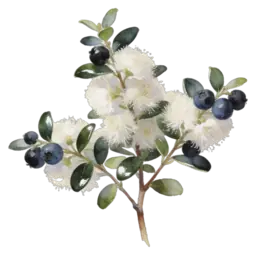
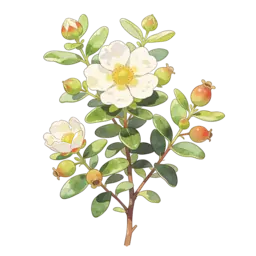
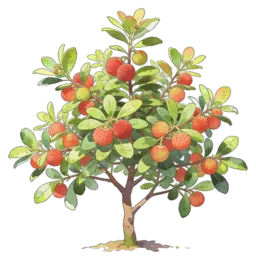
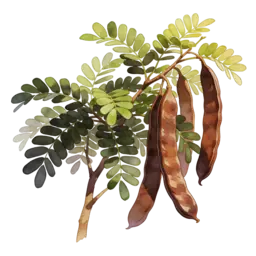
An evergreen, aromatic shrub of the Mediterranean scrubland, dense and slow-growing, usually reaching 1 to 3 m, and a little more in good conditions. It has compound leaves with 6 to 10 oval, leathery, glossy dark green leaflets, on a slightly winged midrib, always in an even number. It is dioecious: some plants bear only male flowers, dark red in colour, and others only female flowers, which produce clusters of small berries that turn from red to black. It copes very well with drought, heat, wind and poor, chalky soils, and takes pruning well for hedges or shapes. Birds eat the berries. It is a good shrub for dry gardens and for restoring Mediterranean scrub. Wild plants must not be dug up from the countryside. The pollen can cause allergies in some people.
Family and origin: Cashew family (Anacardiaceae) · native to Mediterranean basin · More plants from Mediterranean basin
01In your area
How will it do in your garden?
Year calendar
| Task | J | F | M | A | M | J | J | A | S | O | N | D |
|---|---|---|---|---|---|---|---|---|---|---|---|---|
| Direct sowingNov–Feb | yes | yes | no | no | no | no | no | no | no | no | yes | yes |
| Plant / transplantFeb–Mar, Oct–Nov | no | yes | yes | no | no | no | no | no | no | yes | yes | no |
| FloweringMar–May | no | no | yes | yes | yes | no | no | no | no | no | no | no |
| PruningMar–Apr | no | no | yes | yes | no | no | no | no | no | no | no | no |
| CuttingsNov–Dec | no | no | no | no | no | no | no | no | no | no | yes | yes |
Its life cycle at a glance
Swipe and tap a stage to see its details.
02Planting
Where and how to plant it
Sow the seed 1 cm deep; leave 1.5 m between plants and 2 m between rows.
1.5 m between plants · 2 m between rows
Seed at a depth of 1 cm; seedlings go in with the root ball level with the soil.
- Transplanting
- Feb–Mar, Oct–Nov
- Direct sowing
- Nov–Feb
- Germination
- ~30 days
- TipIf you want berries for the birds, you need at least one female plant, with a male nearby for wind pollination; buy plants already sexed or whose flowering is known.
- TipIt is a slow-growing plant.
- TipBuy the plant from a nursery and do not dig up plants from the wild.
- Common mistakePlanting too deep smothers the crown of the plant.
03Care
Care through the year
Sun and aspectFull sun · 8 h of sun · South or south-west, with nothing casting shade at midday
- Too little sun
- Ideal range
- Plenty of sun
South or south-west, with nothing casting shade at midday
Strong sun: Loves full midday sun and high temperatures.
Full sun so it grows dense and fruits. It tolerates some partial shade, but grows more open.
WateringLet it dry out between waterings · summer: every 5-7 days
- Summerevery 5-7 days3 L per plant/week
- Spring / Autumnevery 10-14 days1.2 L per plant/week
- Winteronly if extremely dry (once a month)0.5 L per plant/week
Let it dry out between waterings: A Mediterranean favourite: better thirsty than overwatered.
Water regularly only for the first two summers, so it puts down deep roots. After that it survives without watering along almost all of the Spanish Mediterranean coast, with an occasional emergency watering in long droughts. Waterlogging and soils that hold water are the only things it cannot tolerate.
When to water? Push your finger 5 cm into the soil next to the base of the plant:
- Damp: soil sticks to your finger. Do not water yet. It has more than enough; wait for it to dry out more.
- Cool but clean, no mud. Wait another 1-2 days before watering.
- Dry and dusty. Water now, but moderately. Do not overdo it: it prefers thirst to excess.
- TipWater regularly for the first two summers and then leave it to its own devices.
- TipWater generously in the first year until it is established; after that it looks after itself.
Soil and feedingpH 6.5–8.5 · Deep soil with good drainage
Deep soil with good drainage.
Medium/high.
This plant prefers a pH between 6.5 and 8.5 (neutral to alkaline).
- Water generously in the first year until it is established.
- A thick mulch all year round, not touching the trunk.
- TipPlant it in autumn or at the end of winter, in full sun, in any well-drained soil, including chalky and poor ones, 1.5 m apart if for a hedge.
PruningWhen: Mar–Apr
Pruning time for this plant: Mar–Apr.
- TipPrune lightly at the end of winter or in spring to shape it, without cutting hard into old wood all at once.
- TipFormative pruning after flowering keeps the shape compact.
- Common mistakePruning at the wrong time removes the year's flower buds.
04Propagation
Make new plants
The simplest way is from seed. Gather fully ripe berries from September to November, remove the flesh in water, discard the empty ones (they float), dry them and sow shortly afterwards, in autumn or at the end of winter, in a tube or deep small pot, one centimetre deep; they come up within weeks or a few months. Cuttings of the current year's shoots will root, but with low success rates and only with bottom heat and humidity. As it is dioecious, seed gives male and female plants at random, and the sex cannot be told until they flower.
Seeds: how to germinate them~30 days
05Uses and health
What it is used for, and with what care
The leaves and berries are not a food commonly used in cooking, so do not eat them. Like other members of the cashew family (Anacardiaceae), its pollen can cause allergies in spring and its resin can irritate the skin of sensitive people. There are no reliable data on toxicity to dogs and cats: to be safe, do not let them chew the plant or eat the berries in quantity.
- Properties
- An aromatic Mediterranean shrub that has yielded a resin (mastic, mainly from a variety grown on Chios) and an oil from the berries, with traditional uses. Here it is valued above all as a dry-garden plant and as shelter and food for birds.
For guidance only; this is not medical treatment and does not replace advice from a doctor or vet.
06Companions and related plants