In this article (18 sections)
- Direct sowing (into the bed)
- Direct sowing list
- Transplanting recommended
- Seed tray and transplant list
- Both options (depending on your circumstances)
- Rules for successful direct sowing
- 1. Well-prepared soil
- 2. Correct depth
- 3. Constant watering
- 4. Mark the rows
- 5. Protection against visitors
- Thinning (when too many plants come up)
- Transplanting from a seed tray
- Frequent mistakes
- Sowing direct what needs a seed tray
- Transplanting what does not tolerate it
- Transplanting too early
- In short
Not everything is sown the same way. Some seeds go straight into the bed and others need to go through a seed tray first. Here is a practical classification.
Direct sowing (into the bed)
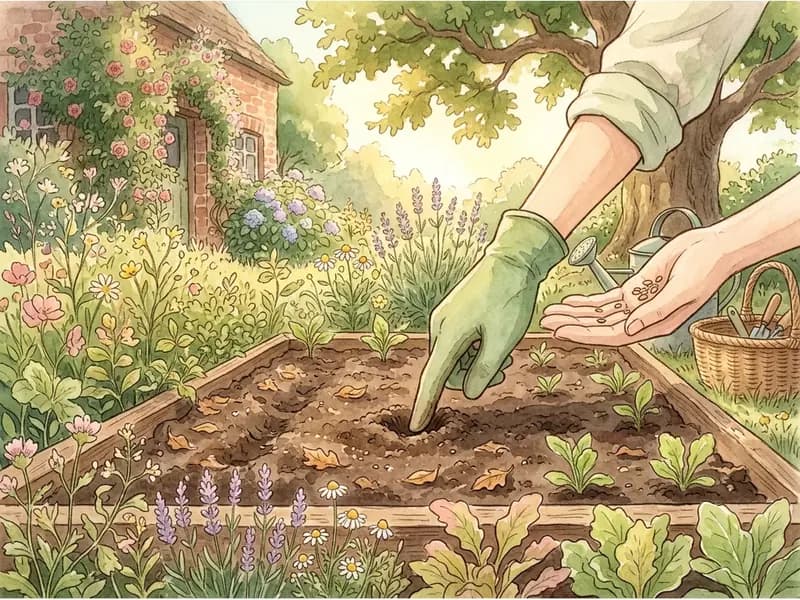
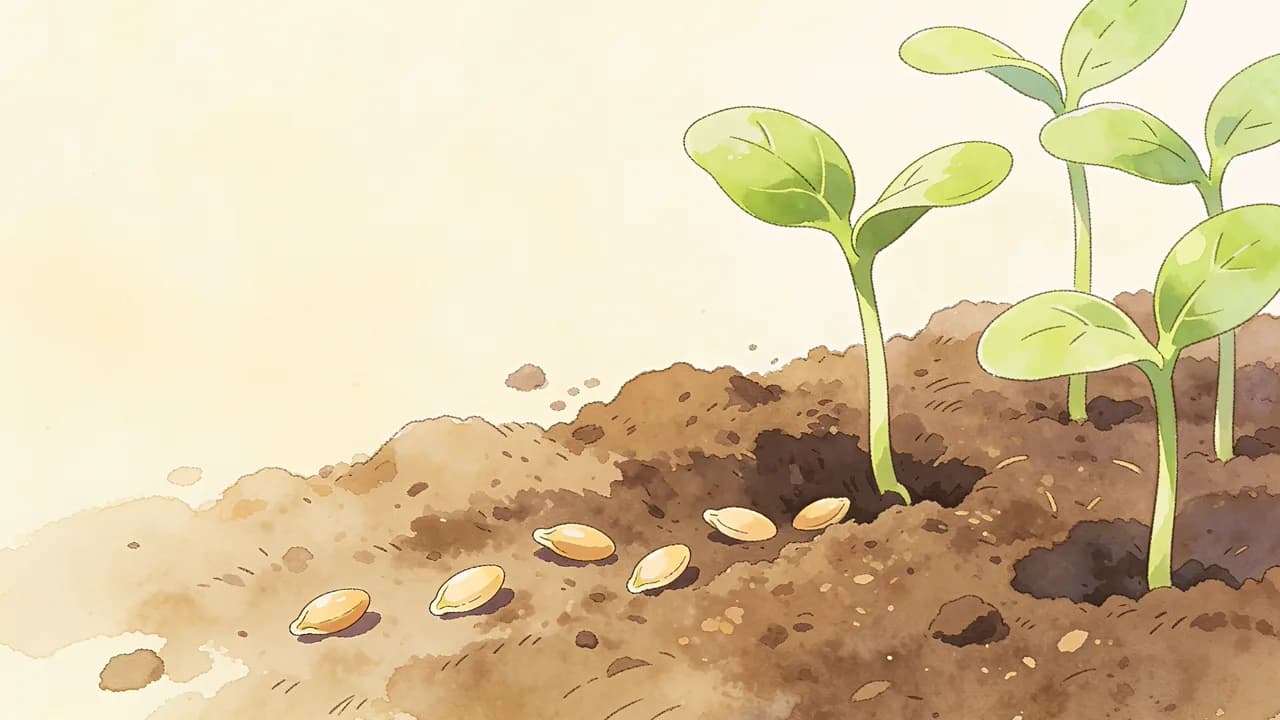
Plants that do not tolerate transplanting well are sown directly, normally for one of these reasons:
- They have a long main root (taproot).
- Their cycle is very quick.
- They have large seeds that germinate strongly.
Direct sowing list
- Carrot: taproot. If you transplant it, it comes out deformed.
- Radish: takes about 25 days; the seed tray is not worth it.
- Turnip: also a quick cycle.
- Spinach: does not like transplanting and bolts.
- Pea: germinates fast and the root is fragile.
- Bean: the seed is large and germinates strongly.
- Maize: better direct. In cold areas it can go in a short seed tray, but it tolerates having its roots touched badly.
- Beetroot: taproot.
- Garlic: planted by cloves, not by seed.
- Parsley and coriander: they do not like transplanting.
- Rocket: about 30 days, better direct.
Transplanting recommended
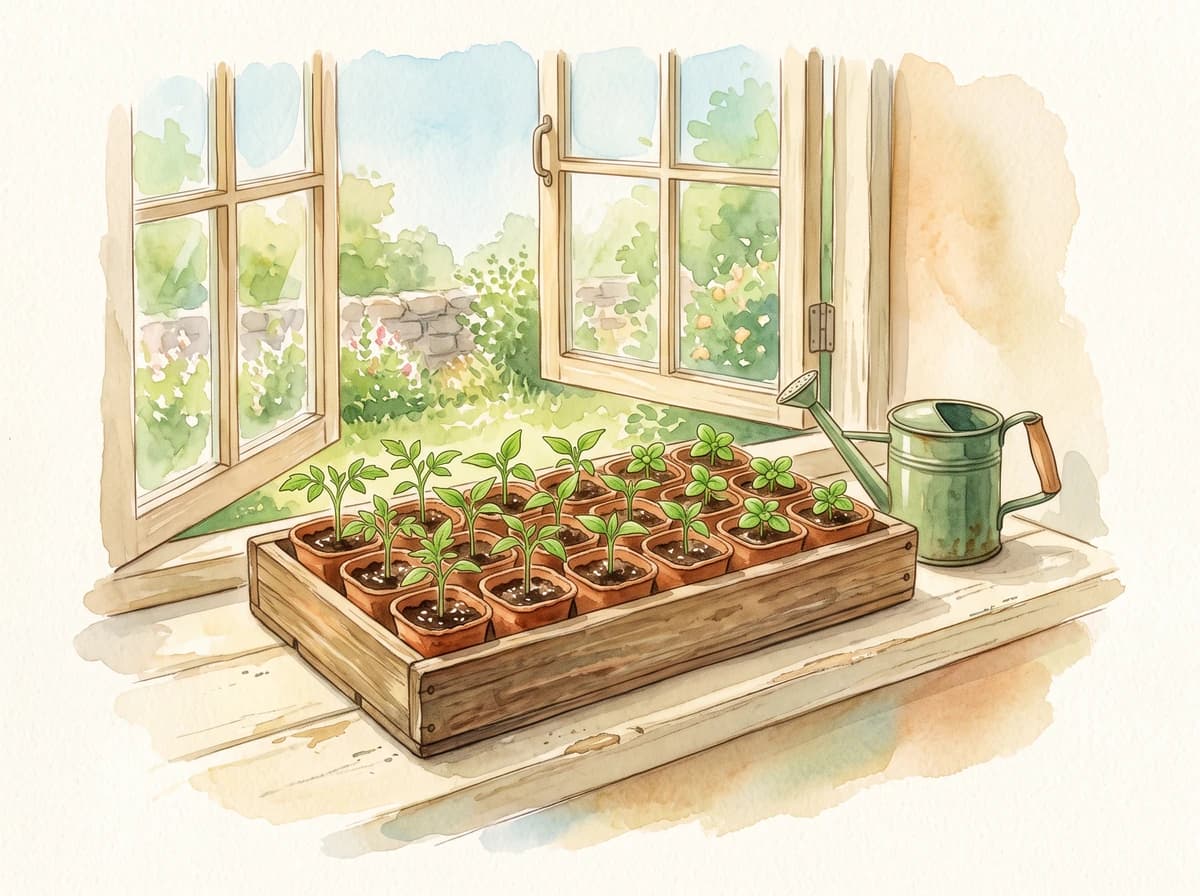
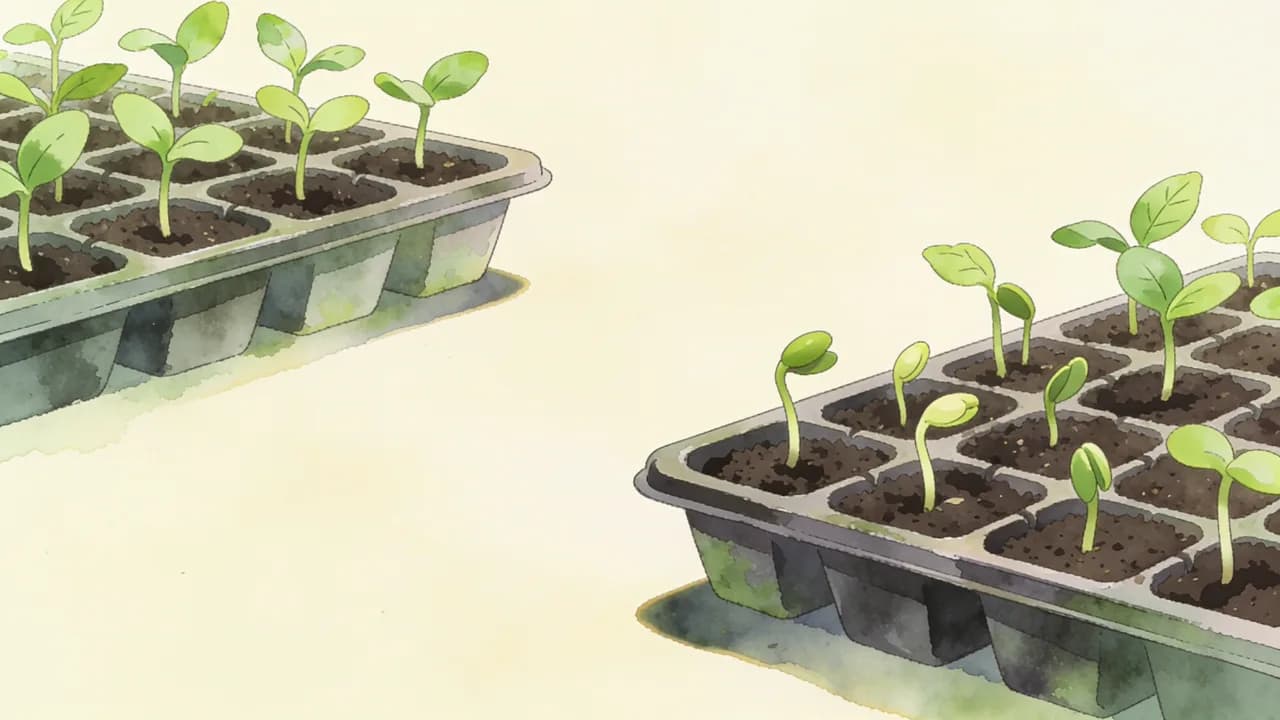
Plants that benefit from the seed tray are those that:
- Have a long cycle: you get a head start of between 4 and 6 weeks.
- Have expensive seeds: you ensure germination under controlled conditions.
- Are fragile at first: they grow better protected.
Seed tray and transplant list
- Tomato: about 6-8 weeks in the seed tray before going to the bed.
- Pepper and aubergine: 8-10 weeks.
- Courgette, cucumber and pumpkin: 3-4 weeks (they can also be sown direct).
- Melon and watermelon: 4 weeks; almost essential in areas with a cool spring.
- Leek: sown in a separate seed bed and transplanted when it is the thickness of a pencil.
- Onion: sown thickly in a seed tray and then the seedlings are transplanted.
- Celery: seed tray compulsory, because it grows very slowly at first.
- Cabbages (cabbage, cauliflower, broccoli, romanesco): seed tray recommended.
- Asparagus: planted as a crown (root), although it can also be started in a seed tray.
- Woody herbs (rosemary, sage): better from cuttings than from seed.
Both options (depending on your circumstances)
- Courgette: if you are not in a hurry, sow it direct. If you want to get ahead by about 4 weeks in a cold area, start in a seed tray.
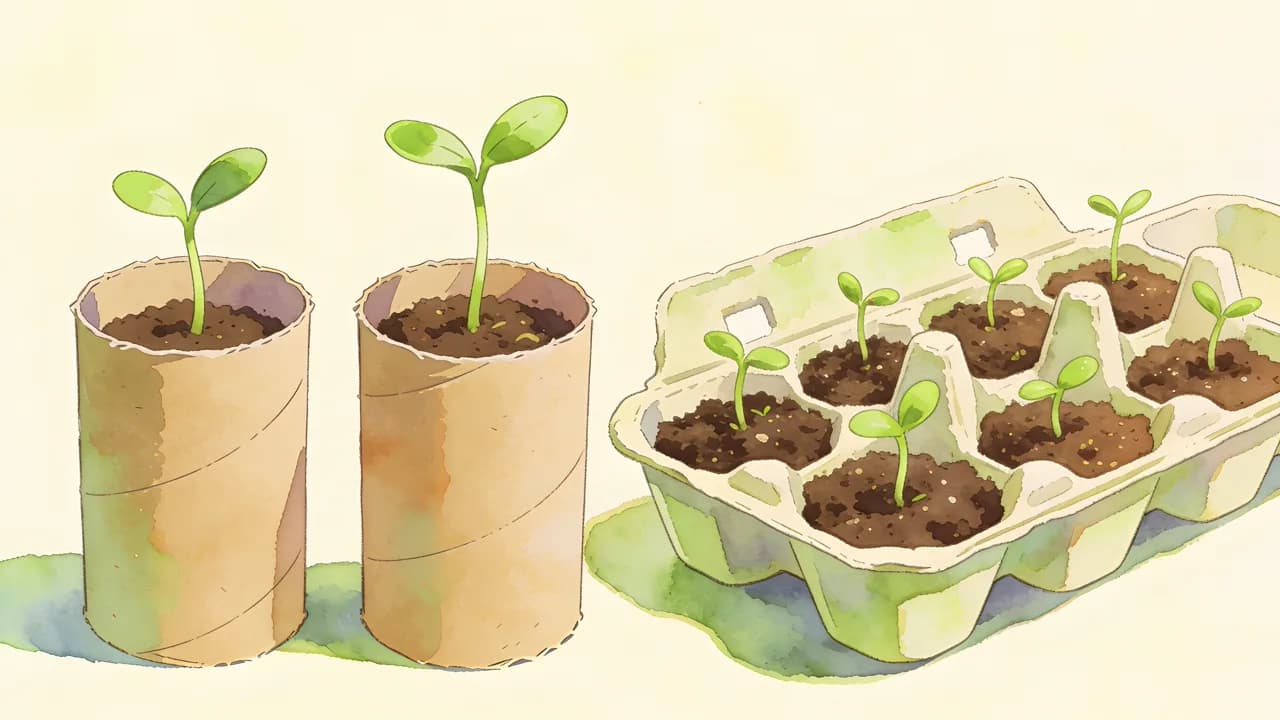
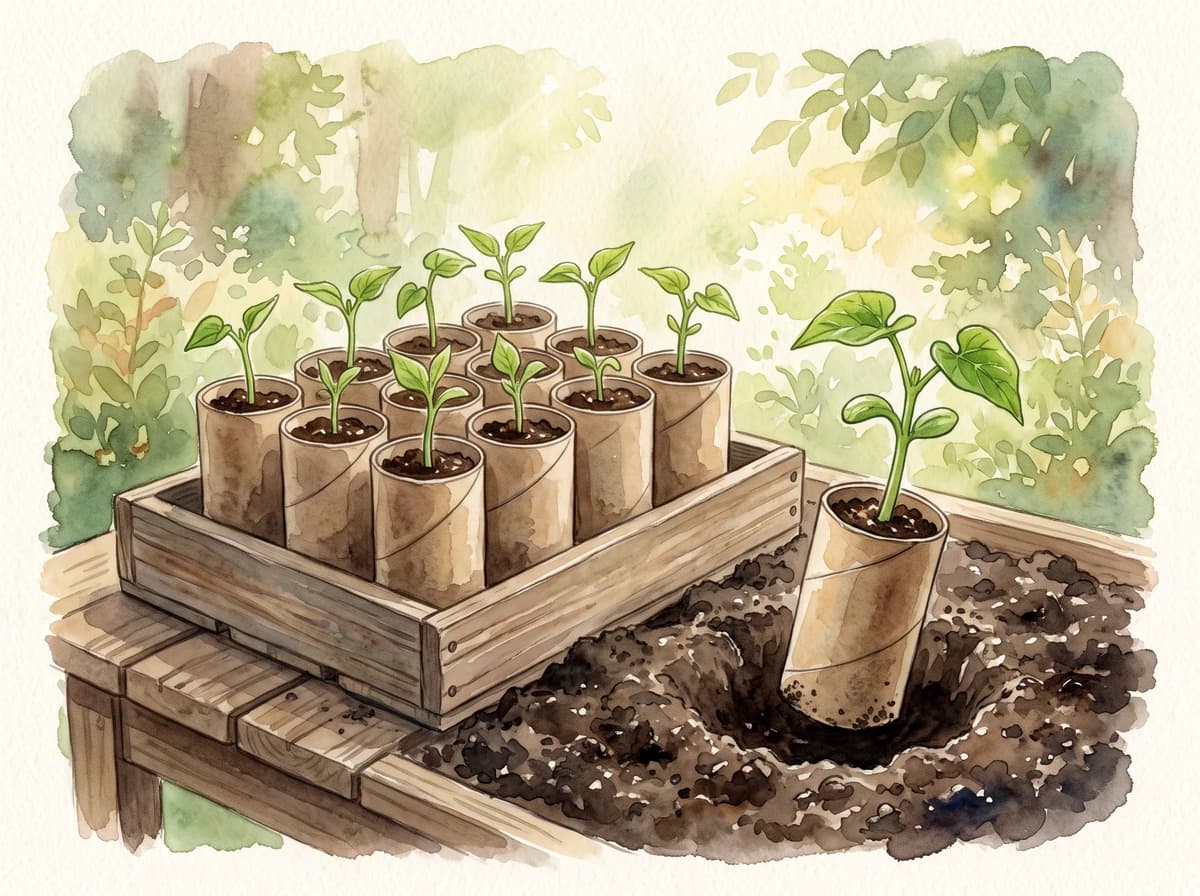
- Bean: in cold areas you can do a short seed tray, of a week, to get ahead, preferably in cardboard tubes or paper pots, which are planted whole.
- Lettuce: in spring and autumn you can sow it direct or in a seed tray, as you prefer. In summer, the seed germinates badly with the soil heat (above about 25 °C, 77 °F), so at that time it is better to sow it in a seed tray, in a cool spot, and transplant afterwards.
Rules for successful direct sowing
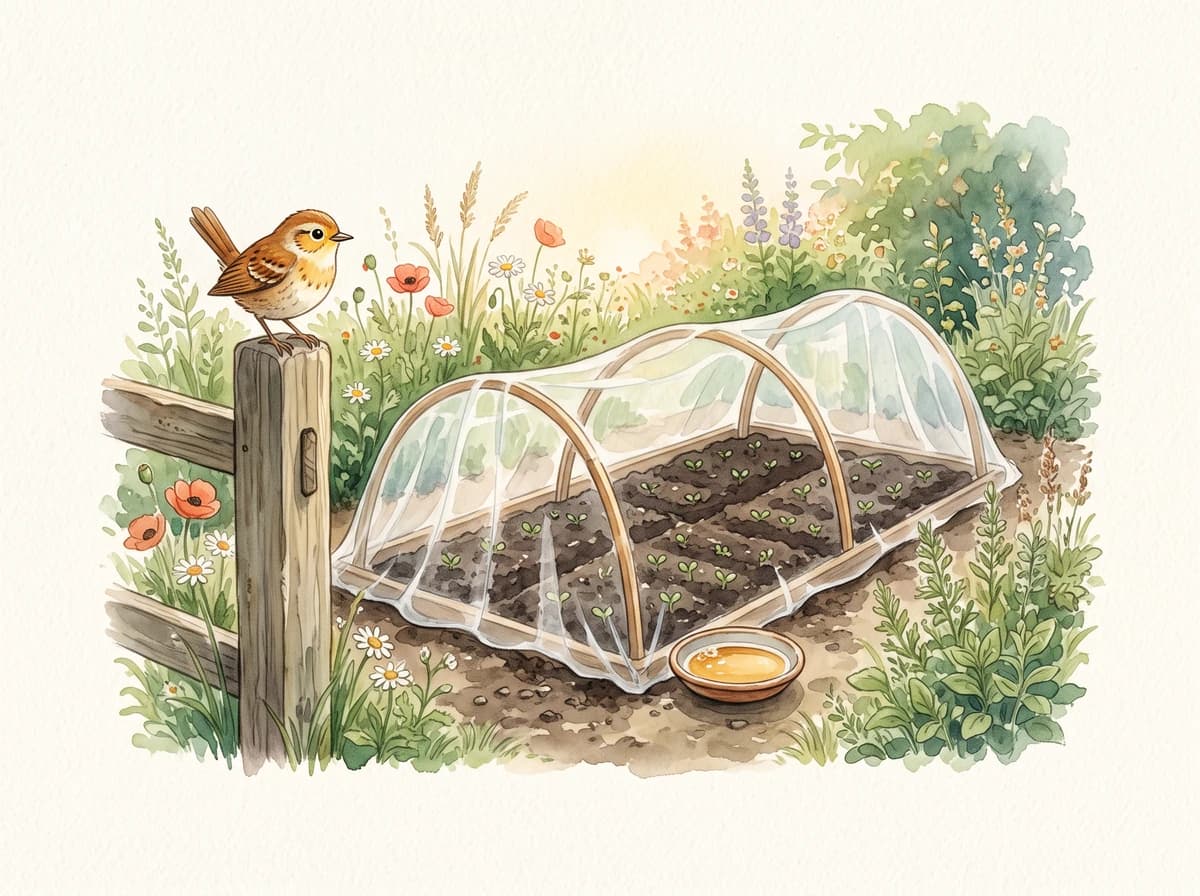
1. Well-prepared soil
- Leave the surface flat and crumbled, with no clods.
- Water the day before, so that the soil is damp when sowing.
2. Correct depth
As a general rule, bury the seed about 2-3 times its size. Very small seeds, such as those of carrot or lettuce, go almost on the surface, less than half a centimetre down. Some examples:
- Radish: around 1 cm (0.4 in).
- Bean: 2-3 cm (0.8–1.2 in).
- Pumpkin: 3-4 cm (1.2–1.6 in).
3. Constant watering
- Keep the surface damp every day until they germinate.
- Neither waterlogged nor dry.
- Water with a fine rose or a spray bottle, so as not to displace the seeds.
4. Mark the rows
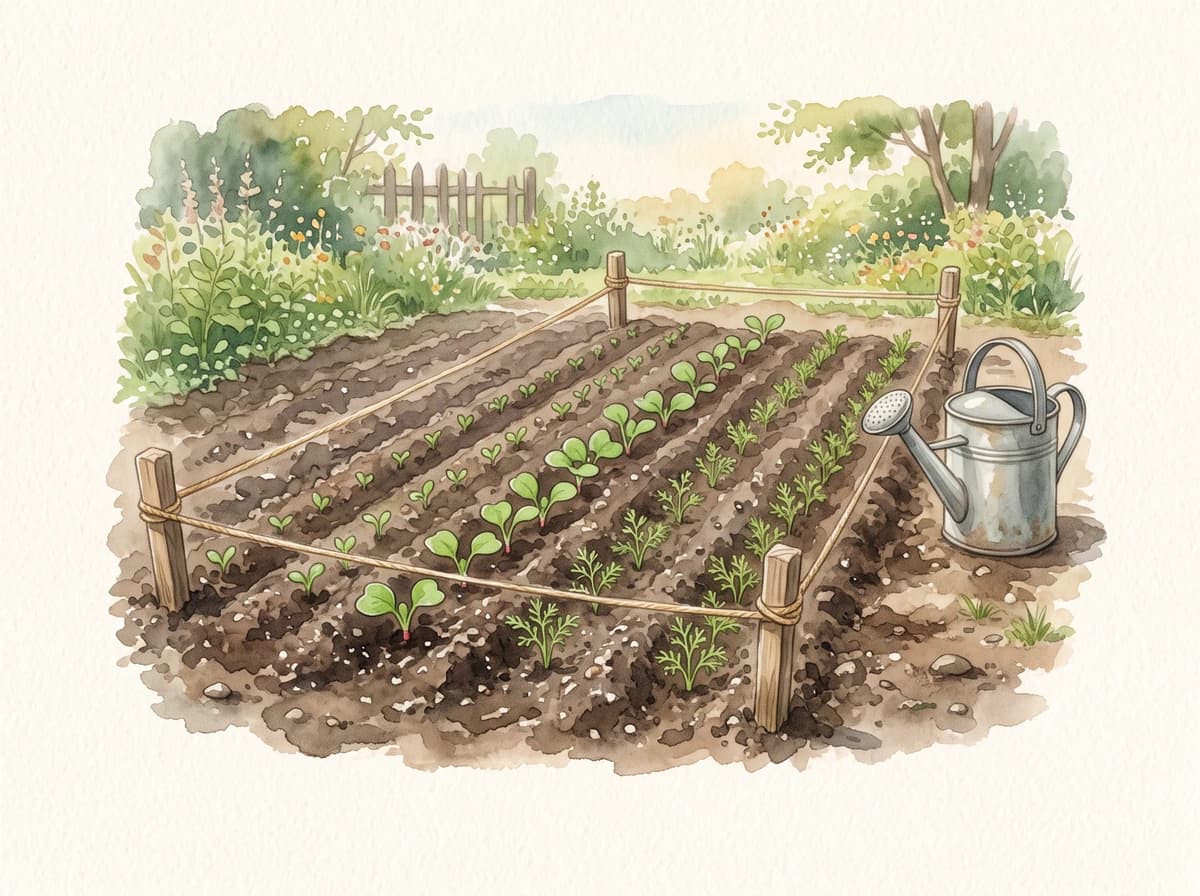
- Use a string and a few pegs to mark straight lines.
- Put a label at the end of each row with the name and the date.
- To mark the rows of slow seeds, such as carrot, sow a few radishes between them: they come up in about 5 days and show you where the rows are, so you can hoe without harming them.
5. Protection against visitors
- Birds: bird netting or insect fleece until the plants are about 5 cm (2 in).
- Snails and slugs: put a beer trap near the seed bed.
- Ants: they carry off small seeds. Sow somewhat denser.
Thinning (when too many plants come up)
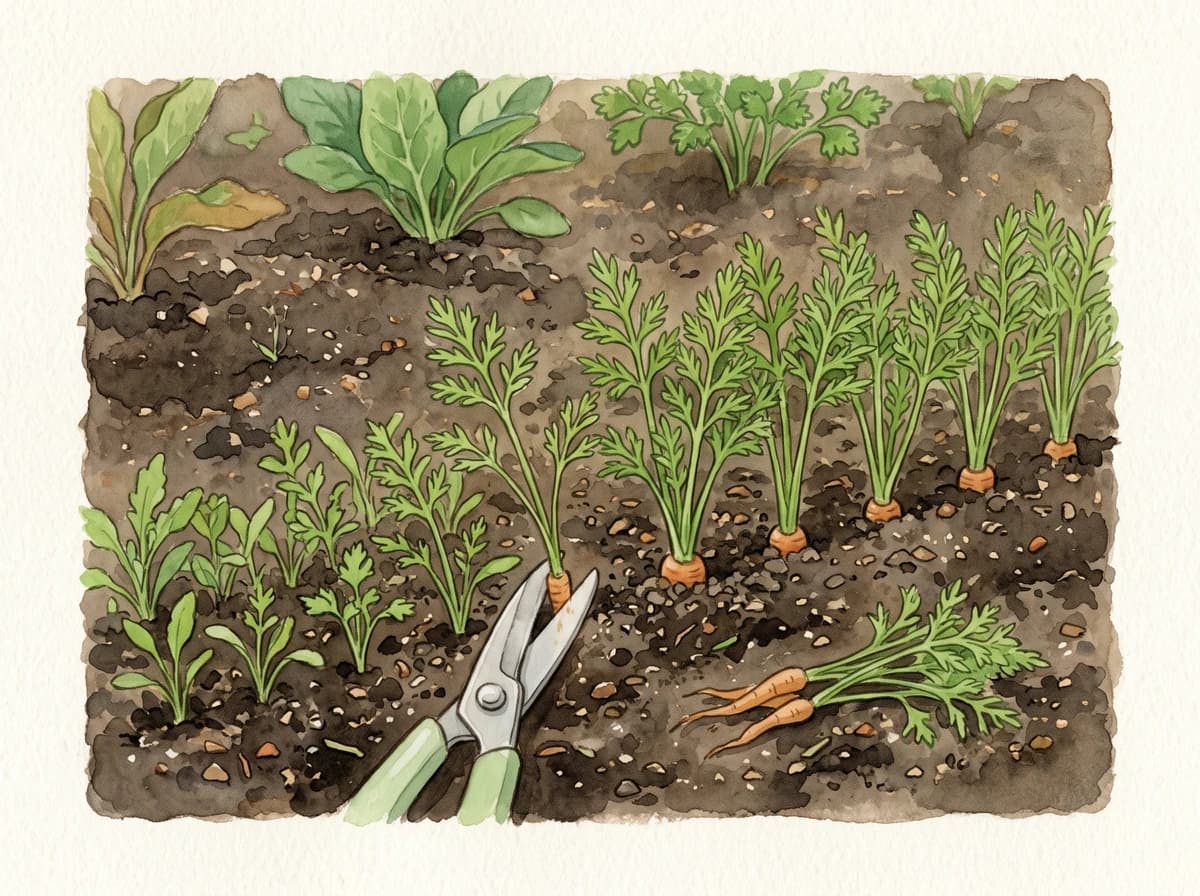
If you have sown broadcast or very thickly:
- Wait until they have 3-4 true leaves.
- Cut the weakest with scissors, at ground level. Do not pull them up because you would damage the roots of the neighbours.
- Leave the distance given on the seed packet. As a guide: radish every 3-5 cm (1.2–2 in) and carrot every 5-8 cm (2–3.1 in).
Transplanting from a seed tray
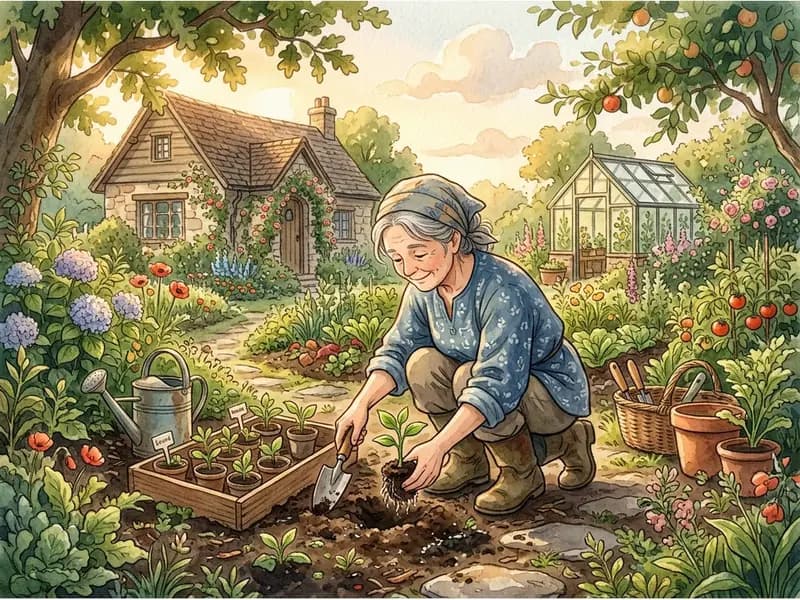
- When: when the plant has well-formed roots (visible in the root ball when taken out of its cell) and enough size. As a guide, 4-6 true leaves on tomato, pepper and aubergine; about 3-4 on cabbages; and 2-3 on courgette, cucumber and pumpkin.
- At what time: at dusk or on a cloudy day, without direct sun.
- Root ball intact: do not break the roots.
- Water abundantly right afterwards.
- Give shade for 2-3 days if it is hot.
Frequent mistakes
Sowing direct what needs a seed tray
- Tomato in the bed in January: frost destroys it.
- Pepper sown direct in March: it will not ripen in time.
Transplanting what does not tolerate it
- Carrot: comes out forked and twisted.
- Spinach: bolts (flowers) from the stress.
Transplanting too early
A very small seedling, with one or two leaves, has few roots and usually dies. Wait until it reaches the size given above for its species.
In short
- Long root or quick cycle: direct sowing.
- Long cycle and sensitive to cold at first: seed tray.
- Fragile or with expensive seed: seed tray.
- Simple and quick: always direct.
With these rules you will almost never go wrong.

What to sow each month according to your climate.