In this article (17 sections)
- What can be saved and what cannot
- Easy: self-pollinating plants
- Difficult (they cross with other varieties)
- Impossible or not worth it
- Choosing the mother plant
- How to extract seeds
- Tomato (3-day fermentation)
- Pepper
- Pumpkin, courgette
- Bean and pea
- Lettuce
- Drying
- Storage
- Durability
- Seed swapping
- Isolation between varieties
- In 3 years
Saving your own seeds lets you adapt your plants to your climate, save money and not depend on commercial companies. It is easier than it seems if you start with the right species.
What can be saved and what cannot
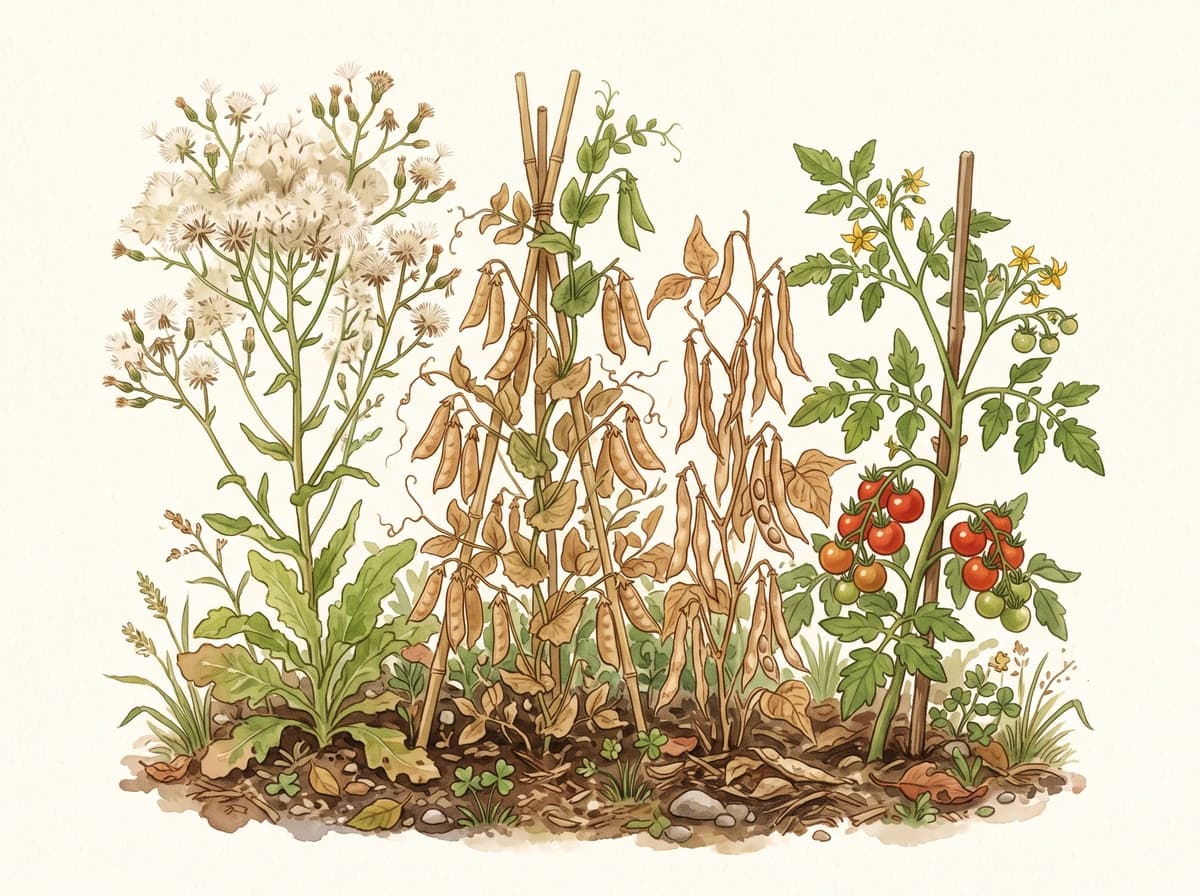
Easy: self-pollinating plants
These are plants that almost always self-pollinate, so their seeds come true to the variety. Only open-pollinated varieties work (not F1s, which are explained below).
- Tomato.
- Green bean and dry bean.
- Pea.
- Lettuce.
- Pepper (if there are other varieties nearby, they can cross a little).
Difficult (they cross with other varieties)
- Pumpkin, courgette, melon, watermelon and cucumber: insects cross varieties of the same species very easily.
- Cabbage, cauliflower, broccoli, rocket and radish: insects also cross them.
- Carrot, celery and parsley: they are biennial (they do not flower until the second year) and they also cross.
They can be saved, but they require isolating varieties, as you will see in the isolation section.
Impossible or not worth it
- F1 (hybrid) seeds: unpredictable offspring.
- Apple, pear, citrus (from seed they come out different — better by grafting).
Choosing the mother plant
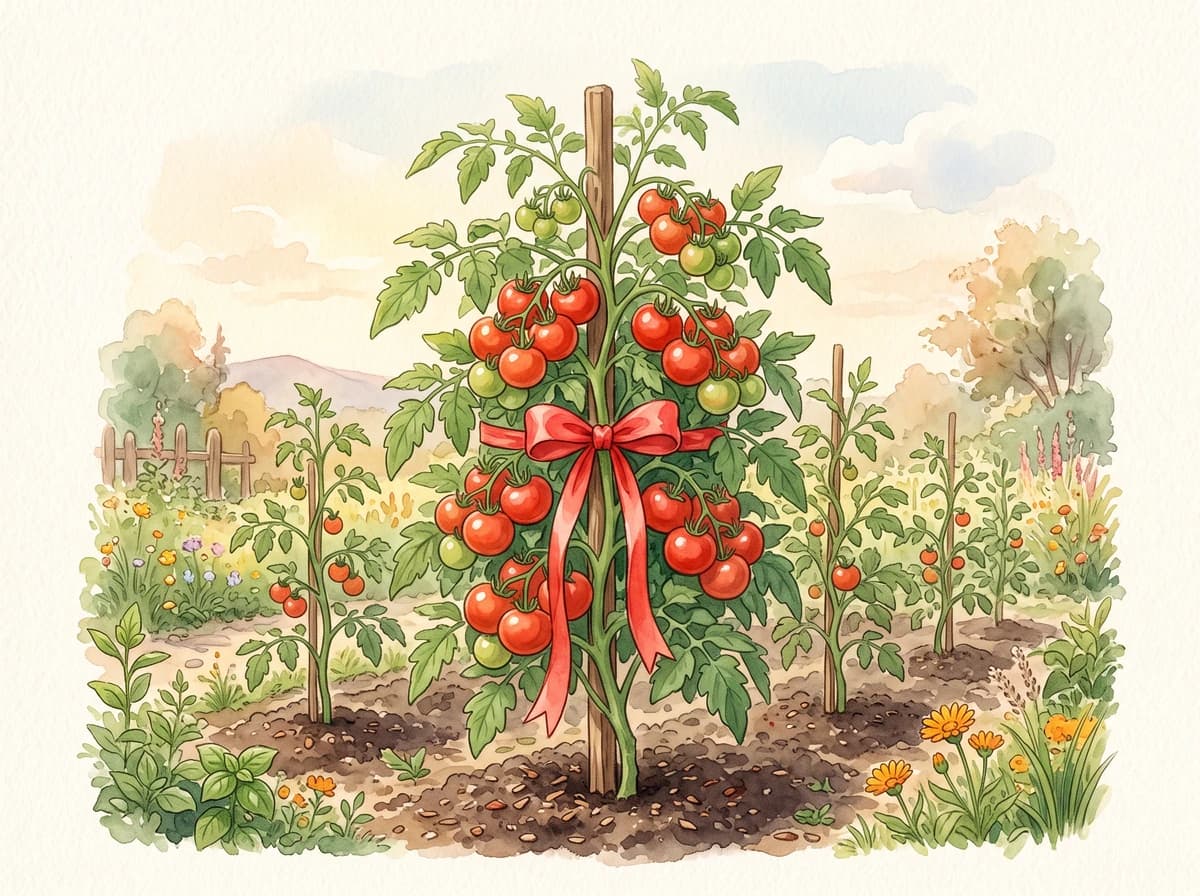
- Choose the healthiest in the bed, not the biggest, and preferably from several plants rather than a single one, so as not to impoverish the variety.
- Ones that have coped well with the climate and the visitors of your area: over the years your seeds will be better adapted to your garden.
- Mark the chosen plants with a ribbon as soon as they start to fruit, so as not to harvest them by mistake.
How to extract seeds
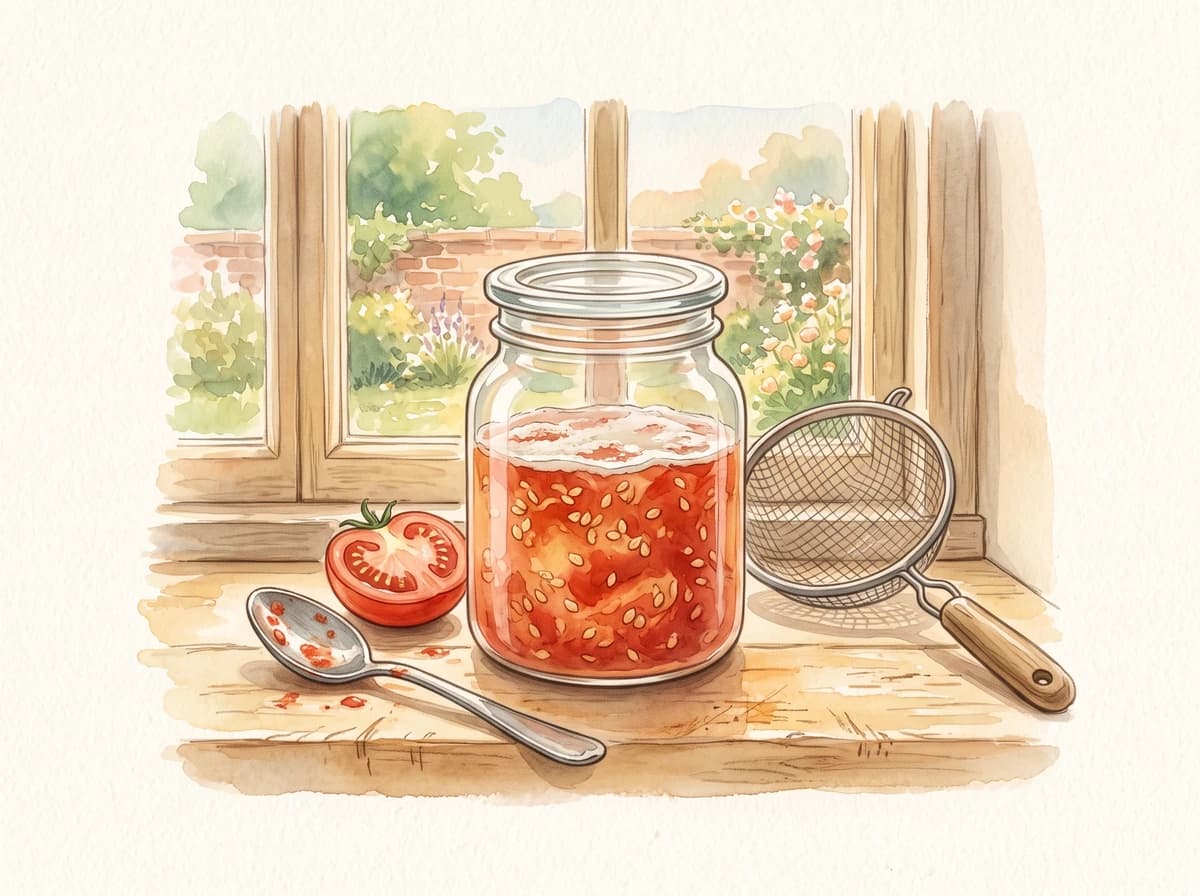
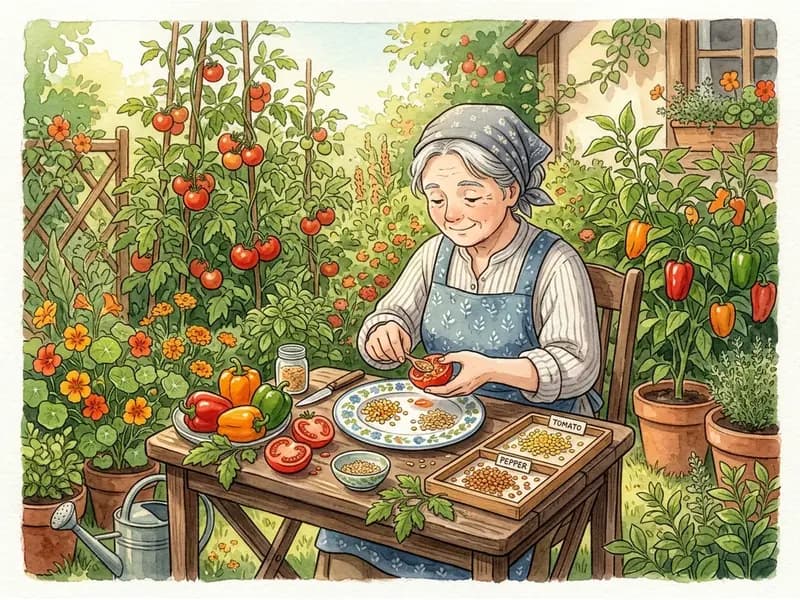
Tomato (3-day fermentation)
- Take a very ripe tomato.
- Scoop the pulp with seeds into a glass.
- Add 1-2 tablespoons of water.
- Leave the glass about 3 days at room temperature. It ferments and a scum of mould forms on the surface; do not extend it beyond 4 or 5 days, because the seeds could germinate or spoil.
- Add water and stir: good seeds go to the bottom, bad ones and pulp float.
- Discard what floats, rinse the good ones 3-4 times.
- Dry them on a ceramic plate (not paper: they stick) for 7-10 days in ventilated shade.
Fermentation dissolves the gel around the seed, which holds back germination, and helps reduce some diseases that travel on the seed. It does not eliminate all viruses, so save seeds only from healthy plants.
Pepper
- Take a very ripe, red pepper (or whatever its final colour is).
- Open it and take out the seeds.
- Leave them to dry 7-10 days in ventilated shade.
- Store them as explained below.
Pumpkin, courgette
- Let the fruit ripen completely on the plant (a courgette for seed gets big, hard and yellowish, almost like a pumpkin).
- Cut it, extract the seeds and rinse them well.
- Dry them 15-20 days.
Bean and pea
- Leave the pods until they are dry on the plant (brown and crisp). If rain threatens, pull up the whole plant and finish drying it under cover.
- Harvest, open the pods by hand and save the seeds.
Lettuce
- Let the lettuce bolt (flower).
- When the flowers have turned to seeds with a plume (like those of dandelion), cut the flower heads.
- Leave them to dry about 15 days inside a paper bag.
- Shake the bag to separate the seeds from the plumes.
Drying
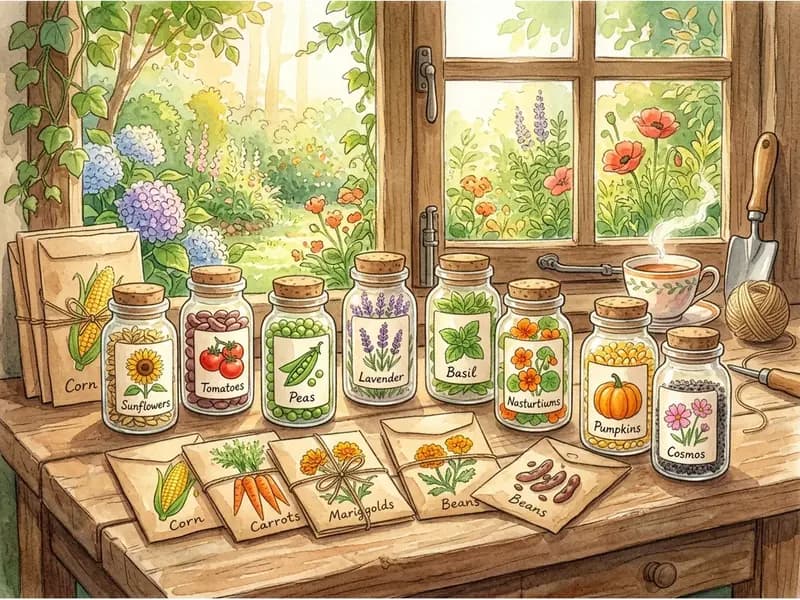
- Dry them completely: if they keep moisture, they go mouldy. Test: try to split a seed (for example, a bean) with your fingernail or a gentle tap; if it bends or squashes, it is still damp, and if it breaks dry and clean, it is ready.
- On a ceramic plate or paper, in ventilated shade (tomato ones, better on ceramic, because on paper they stick). Avoid direct sun and strong heat, which damage the embryo.
- They take between 1 and 3 weeks, depending on the seed.
Storage
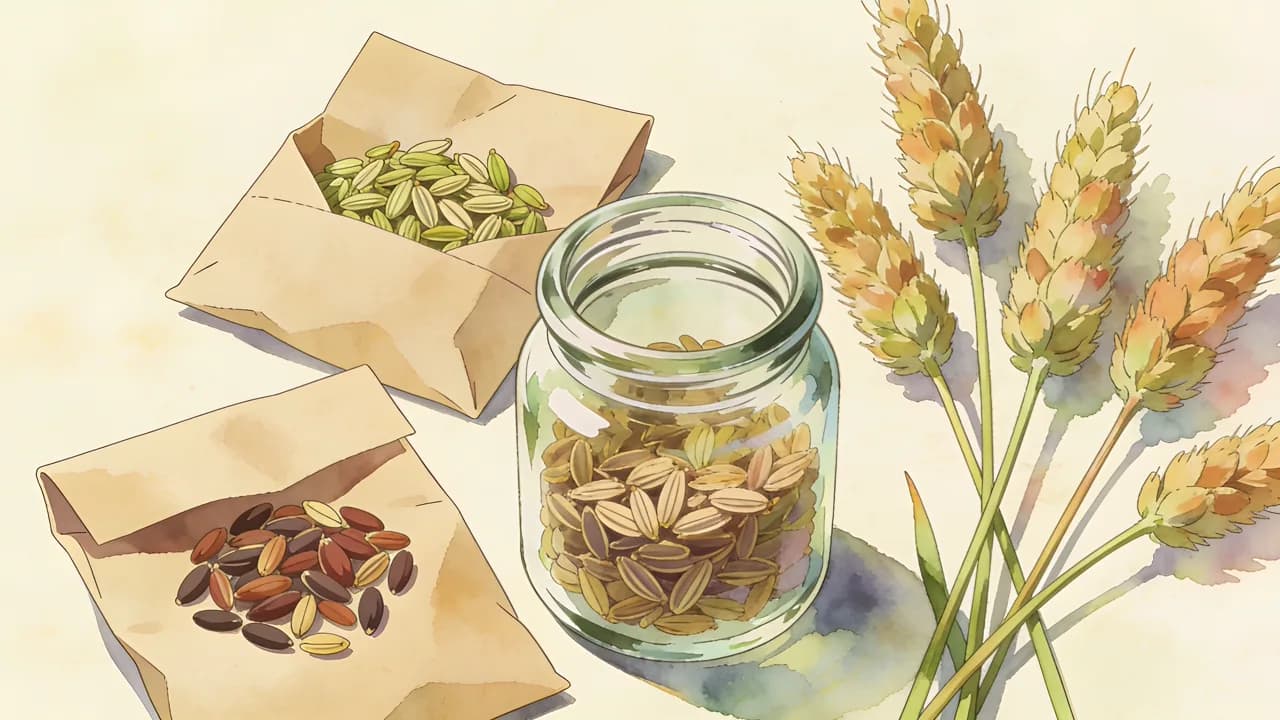
- Labelled paper envelopes with name, variety and year, put inside an airtight glass jar with a few silica gel sachets. The jar protects them from humidity and insects.
- Dark, dry, cool place: the coldest pantry in the house or, if not, the fridge, always with the jar tightly closed.
Durability
| Seed | Useful life (well stored) |
|---|---|
| Onion, leek | 1-2 years |
| Carrot, parsley | 2-3 years |
| Pea, bean | 2-3 years |
| Lettuce | 2-4 years |
| Tomato | 4-5 years |
| Pepper | 2-4 years |
| Pumpkin | 3-5 years |
| Radish | 3-5 years |
These are indicative figures, and every year that passes germination drops. Before sowing old seeds, do a test: put 10 seeds between damp kitchen paper, inside a bag or a covered plate, in a warm place. If fewer than 7 out of 10 germinate, sow more densely or renew the seed.
Seed swapping
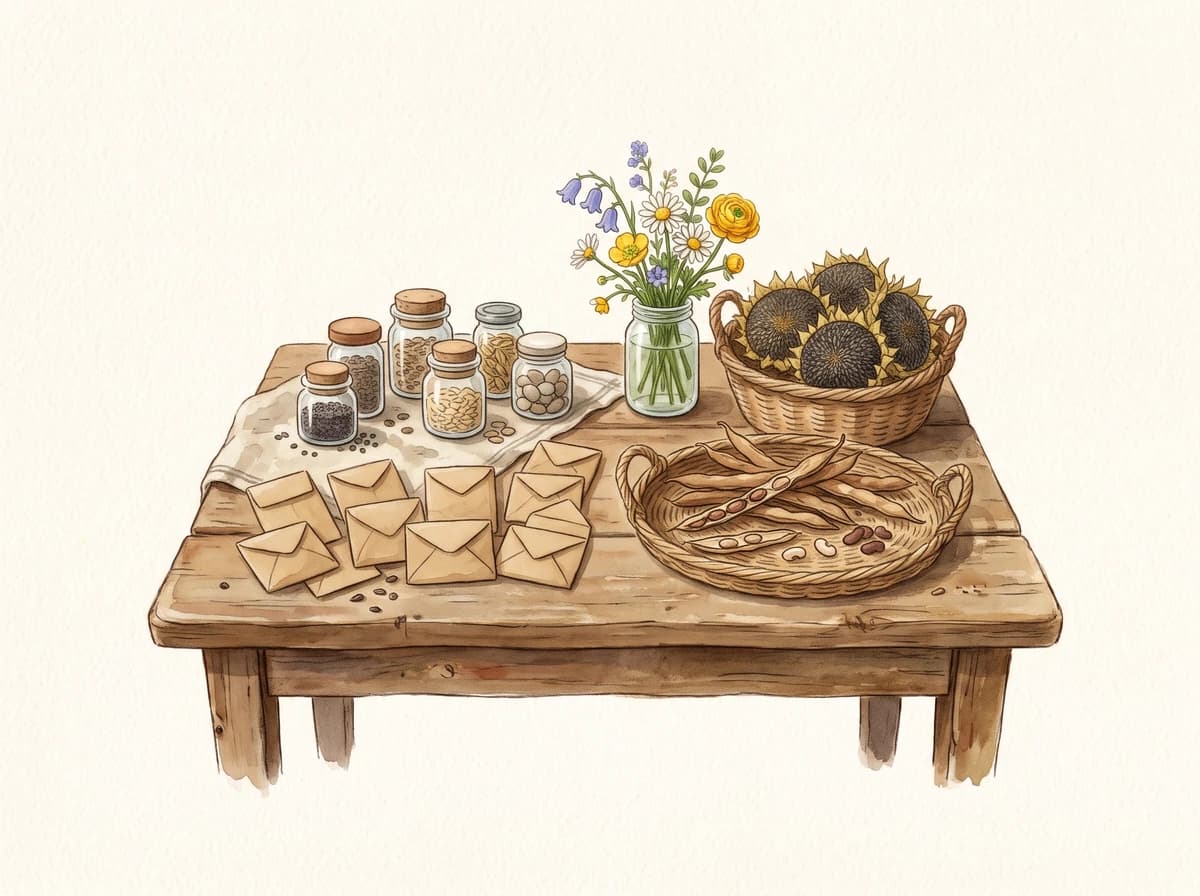
- Red de Semillas “Resembrando e Intercambiando”: a network of local groups that organise free swaps. Look for the one in your area.
- Annual meetings: they are usually held at the end of winter and in spring. You go with your seeds and come back with new varieties.
- Gardening neighbours: the best network. Seeds already adapted.
Isolation between varieties
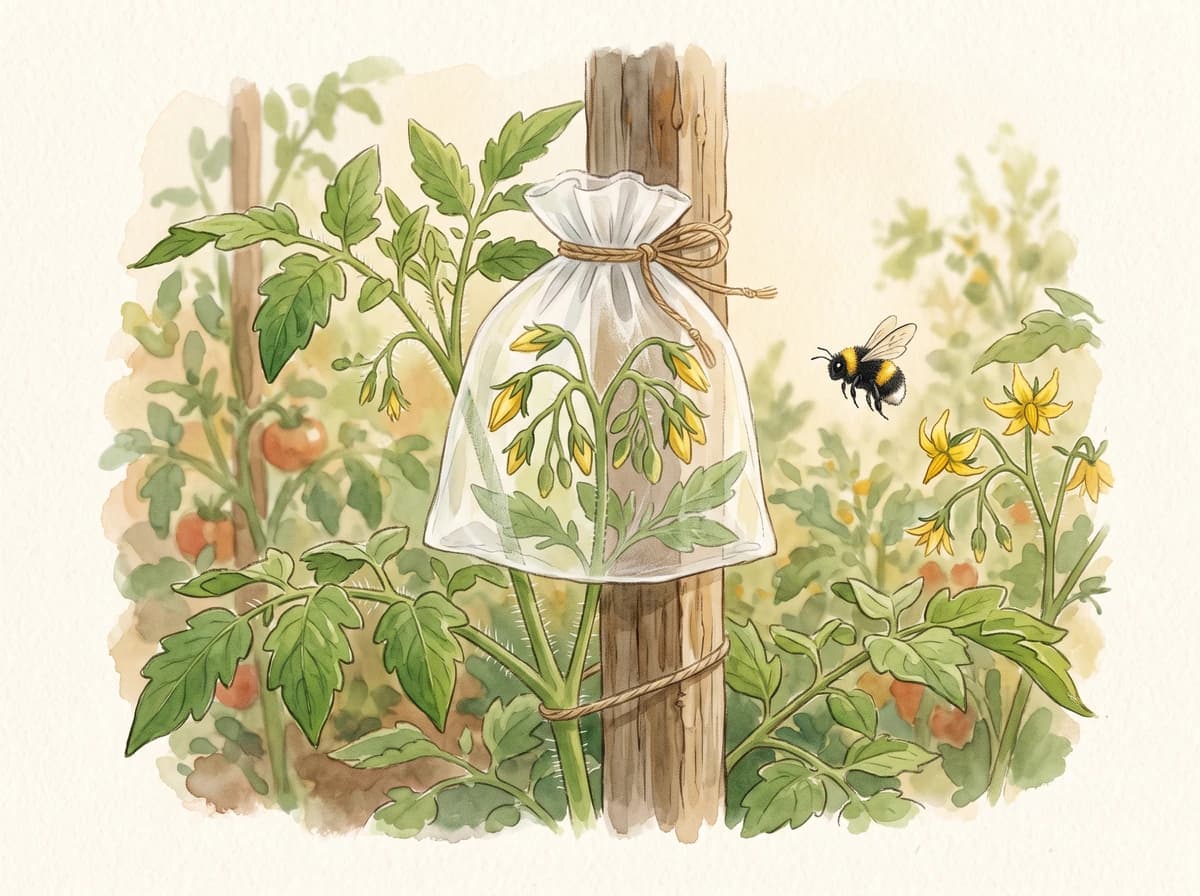
If you have two varieties of tomato in the same garden:
- Tomatoes are mostly self-pollinating, and crossing between varieties is uncommon, although it happens mainly if there are many pollinating insects.
- To ensure purity, cover a flower truss with a small tulle bag before it opens and keep the varieties apart.
Cucurbits (pumpkin, courgette, melon...) and brassicas (cabbages, radish...) cross much more. If you want to save their seed, the simplest thing is to grow a single variety of each species per year. The alternative, for cucurbits, is to hand-pollinate and cover the flowers so that insects do not visit them.
In 3 years
If you save seeds from your best tomatoes every year:
- The plants gradually adapt to your soil, your water and your climate.
- You get an “own variety”, unique to your garden.
- You stop buying seeds of those species.
Farmers have been doing this for about 10,000 years. We can carry on.

What to sow each month according to your climate.