
Credits and licences
- #1 — vueltaalhuerto illustration
- #2 — vueltaalhuerto illustration
- #3 — vueltaalhuerto illustration
- #4 — vueltaalhuerto illustration
- #5 — vueltaalhuerto illustration
- #6 — vueltaalhuerto illustration
- #7 — vueltaalhuerto illustration
- #8 — vueltaalhuerto illustration
- #9 — vueltaalhuerto illustration
Turmeric
and 1 more names
curcumaTurmeric is sown in seed trays from March to April, and planted out in May. It is harvested from December to February (about 270 days to the first harvest). Grow it in sun or partial shade, 30 cm apart, with plenty of watering. Dates are for a mild temperate climate in the northern hemisphere; the calendar below adjusts them to your zone.
What else to sow in March and April
A perennial with large, broad, lance-shaped leaves, about 60 to 100 cm tall, growing from a very aromatic orange rhizome. That branching rhizome is the part that is harvested and used fresh, or dried and ground, as a spice with its characteristic orange-yellow colour. It is a tropical plant that needs warmth and humidity and does not tolerate frost, so in most of Spain it is grown in a large pot or in a sheltered bed, planted in early spring and harvested in winter, when the leaves die back. Do not confuse it with saffron (Crocus sativus), even though it is sometimes called ‘Indian saffron’, or with ginger (Zingiber officinale).
Family and origin: Ginger family (Zingiberaceae) · native to South Asia (India and South-East Asia) · More plants from South Asia
01In your area
How will it do in your garden?
Year calendar
| Task | J | F | M | A | M | J | J | A | S | O | N | D |
|---|---|---|---|---|---|---|---|---|---|---|---|---|
| Seed trayMar–Apr | no | no | yes | yes | no | no | no | no | no | no | no | no |
| Plant / transplantMay | no | no | no | no | yes | no | no | no | no | no | no | no |
| HarvestDec–Feb | yes | yes | no | no | no | no | no | no | no | no | no | yes |
| Divide the clumpMar–Apr | no | no | yes | yes | no | no | no | no | no | no | no | no |
Its life cycle at a glance
Swipe and tap a stage to see its details.
02Planting
Where and how to plant it
Sow the seed 4 cm deep; leave 30 cm between plants and 45 cm between rows.
30 cm between plants · 45 cm between rows
Seed at a depth of 4 cm; seedlings go in with the root ball level with the soil.
- In a square-foot bed
- 1 plant per square30 × 30 cm squares
- Transplanting
- May
- Seed tray
- Mar–Apr
- Germination
- ~30 days
- TipKeep the plant in a warm, sheltered spot all year round, and protect it or bring it indoors before the first cold nights.
03Care
Care through the year
Sun and aspectSun and shade · 5 h of sun · shade in summer
- Too little sun
- Ideal range
- Plenty of sun
East, or south with light shade during the middle of the day
Moderate sun: Copes with full sun, but give it some shade during heatwaves.
It prefers plenty of light but not very strong direct midday sun; in a Mediterranean summer, light afternoon shade suits it well.
WateringConstantly moist · summer: daily, or every 2 days when above 30 °C
- Summerdaily, or every 2 days when above 30 °C3.5 L per plant/week
- Spring / Autumnevery 3-4 days1.6 L per plant/week
- Winterevery 2 weeks if dry0.4 L per plant/week
Constantly moist: The soil should always feel cool and damp. Ideal with mulch and drip irrigation. Mulch: straw or dry plant material cuts watering by 30-50 %.
Water regularly and generously while it is growing, keeping the potting mix always slightly moist but never waterlogged, because the rhizome rots easily. When the leaves start to turn yellow in autumn, cut back watering until you have almost stopped.
When to water? Push your finger 2 cm into the soil next to the base of the plant:
- Damp: soil sticks to your finger. Do not water, although for this plant it is just right — check again tomorrow.
- Cool but clean, no mud. Water today: it likes to stay constantly moist.
- Dry and dusty. Water urgently and add mulch to hold in moisture.
- TipPlant in late spring, or start it into growth early indoors with warmth and humidity, because it takes several weeks to emerge.
- Common mistakeWatering in fits and starts can crack and deform the tubers.
Soil and feedingpH 5.5–6.5 · Loose, deep, stone-free soil
Loose, deep, stone-free soil.
High: constant moisture deforms the root.
This plant prefers a pH between 5.5 and 6.5 (slightly acidic to neutral).
- TipUse a wide, deep pot, at least 30 cm, or a bed of loose, crumbly soil with plenty of organic matter.
- TipKeep anything that pokes out covered with soil: light turns tubers green.
Common mistakes and tips
- TipKeep a few healthy rhizomes as seed stock for next spring, in a dry, mild place, never in the fridge.
04Harvest
Harvesting and storing
Harvest in Dec–Feb; the first, about 270 days after sowing.
- TipHarvest time comes eight to ten months after planting, when the leaves turn yellow and die back: dig up the rhizome carefully, wash it and use it fresh or dry it.
- Common mistakeHarvesting in waterlogged soil or leaving them in the sun: they rot or turn green.
05Propagation
Make new plants
It is propagated by dividing the rhizome, not from seed: cultivated turmeric hardly ever produces fertile seed. Choose healthy, firm rhizomes with buds (the pale ‘eyes’), cut them into pieces of about 20 to 30 g with at least two or three buds, and leave them to dry for a day so they can callus over. Plant them about 4 or 5 cm deep in a loose potting mix rich in organic matter, from March or April onwards, in warmth. Rhizomes from health-food shops or supermarkets are sometimes treated to stop them sprouting; it is better to buy rhizomes intended for planting.
06Uses and health
What it is used for, and with what care
In culinary amounts it is safe for most people. In high doses or as supplements it can cause digestive upset and may not be suitable if you have gallstones or blood-clotting problems or take anticoagulants or diabetes medication: consult your doctor before taking it as a supplement. It stains fingers, clothes and worktops badly. For dogs and cats it is not dangerous in small amounts in food; do not give them supplements.
- Properties
- The fresh rhizome provides fibre, iron and manganese, and its pigment, curcumin, has attracted a great deal of interest, although in the kitchen its value is mainly as a flavouring and colouring.
- Uses
- The fresh rhizome is peeled and grated or finely sliced for curries, rice dishes, soups, stews and smoothies; dried and ground, it is the yellow spice in everyday use. The fresh young leaves are used in some Asian cuisines to wrap and flavour food. It goes well with black pepper and with fat.
For guidance only; this is not medical treatment and does not replace advice from a doctor or vet.
07Companions and related plants
What to plant it with
Good companions
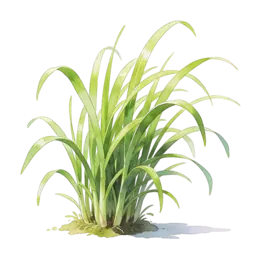
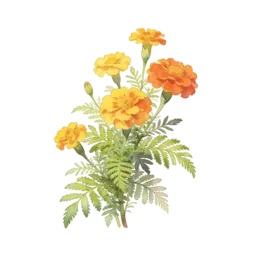
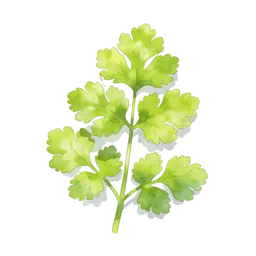
Group it in the same bedPlants with the same watering or the same sun
They are not essential companions, but you will not have to water or position them differently.