
Credits and licences
- #1 — vueltaalhuerto illustration
- #2 — vueltaalhuerto illustration
- #3 — vueltaalhuerto illustration
- #4 — vueltaalhuerto illustration
- #5 — vueltaalhuerto illustration
- #6 — vueltaalhuerto illustration
- #7 — Ryan Hodnett · CC BY-SA 4.0 see on Wikimedia
- #8 — Forest and Kim Starr · CC BY 3.0 us see on Wikimedia
Ornamental olive tree
and 1 more names
Olea europaeaThe same olive tree, grown as a sculptural feature in gardens for its twisted trunk and evergreen silvery foliage. Carry out maintenance pruning in late winter; very drought-tolerant once established.
Family and origin: Olive family (Oleaceae) · native to Mediterranean basin · More plants from Mediterranean basin
01In your area
How will it do in your garden?
Year calendar
| Task | J | F | M | A | M | J | J | A | S | O | N | D |
|---|---|---|---|---|---|---|---|---|---|---|---|---|
| PruningFeb–Mar | no | yes | yes | no | no | no | no | no | no | no | no | no |
Its life cycle at a glance
Swipe and tap a stage to see its details.
02Planting
Where and how to plant it
Leave 4 m between plants.
4 m between plants
- Common mistakePlanting too deep smothers the crown of the plant.
03Care
Care through the year
Sun and aspectFull sun · 8 h of sun · South or south-west, with nothing casting shade at midday
- Too little sun
- Ideal range
- Plenty of sun
South or south-west, with nothing casting shade at midday
Strong sun: Loves full midday sun and high temperatures.
WateringLet it dry out between waterings · summer: every 5-7 days
- Summerevery 5-7 days3 L per plant/week
- Spring / Autumnevery 10-14 days1.2 L per plant/week
- Winteronly in extreme drought (once a month)0.5 L per plant/week
Let it dry out between waterings: A Mediterranean favourite: better thirsty than overwatered.
When to water? Push your finger 5 cm into the soil next to the base of the plant:
- Damp: soil sticks to your finger. Do not water yet. It has more than enough; wait for it to dry out more.
- Cool but clean, no mud. Wait another 1-2 days before watering.
- Dry and dusty. Water now, but moderately. Do not overdo it: it prefers thirst to excess.
- TipWater regularly in the first year and after that only in very dry summers, except in pots, where watering is essential.
- TipWater generously in the first year until it is established; after that it looks after itself.
Soil and feedingDeep soil with good drainage
Deep soil with good drainage.
Medium/high.
This plant prefers a pH between 6.0 and 7.5 (slightly acidic to slightly alkaline).
- Water generously in the first year until it is established.
- A thick mulch all year round, not touching the trunk.
- TipIt needs full sun and well-drained soil; waterlogging does it much more harm than drought.
PruningWhen: Feb–Mar
Pruning time for this plant: Feb–Mar.
- TipShape pruning is done in late winter, once the frosts are over: thin the centre to let the light in and remove suckers from the base of the trunk.
- TipFormative pruning after flowering keeps the shape compact.
- Common mistakePruning at the wrong time removes the year's flower buds.
04Uses and health
What it is used for, and with what care
05Companions and related plants
What to plant it with
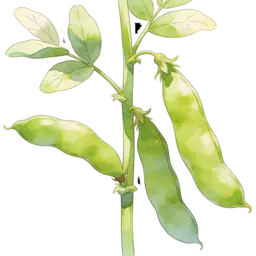
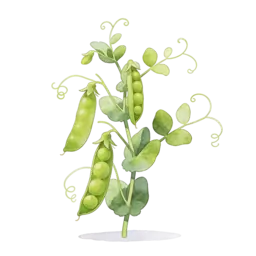
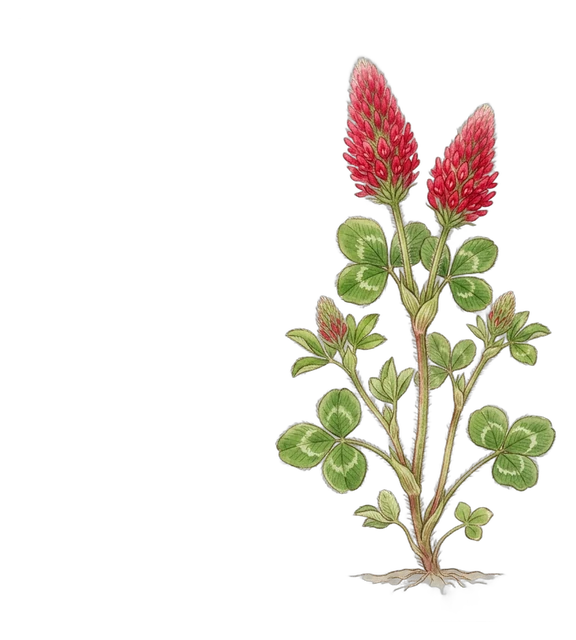
Compare with similar varieties
| Variety | Sowing | Harvest | Days | Spacing | Difficulty |
|---|---|---|---|---|---|
| Olive 'Arbequina' | Feb–Apr, Oct–Nov | Oct–Dec | — | 400 cm | Easy |
| Olive 'Cornicabra' | Feb–Apr, Oct–Nov | Nov–Jan | — | 600 cm | Easy |
| Olive 'Empeltre' | Feb–Apr, Oct | Nov–Dec | — | 600 cm | Easy |
| Olive 'Hojiblanca' | Feb–Apr, Oct–Nov | Nov–Dec | — | 500 cm | Easy |
| Olive 'Manzanilla Sevillana' | Feb–Apr, Oct–Nov | Sep–Oct | — | 600 cm | Easy |
| Olive 'Picual' | Feb–Apr, Oct–Nov | Nov–Jan | — | 600 cm | Easy |
| Ornamental olive tree | — | — | — | 400 cm | Easy |
06Pests and diseases
Critters and ailments to keep an eye on
The most common ones on this plant. Tap one to see how to recognise it and what to do.
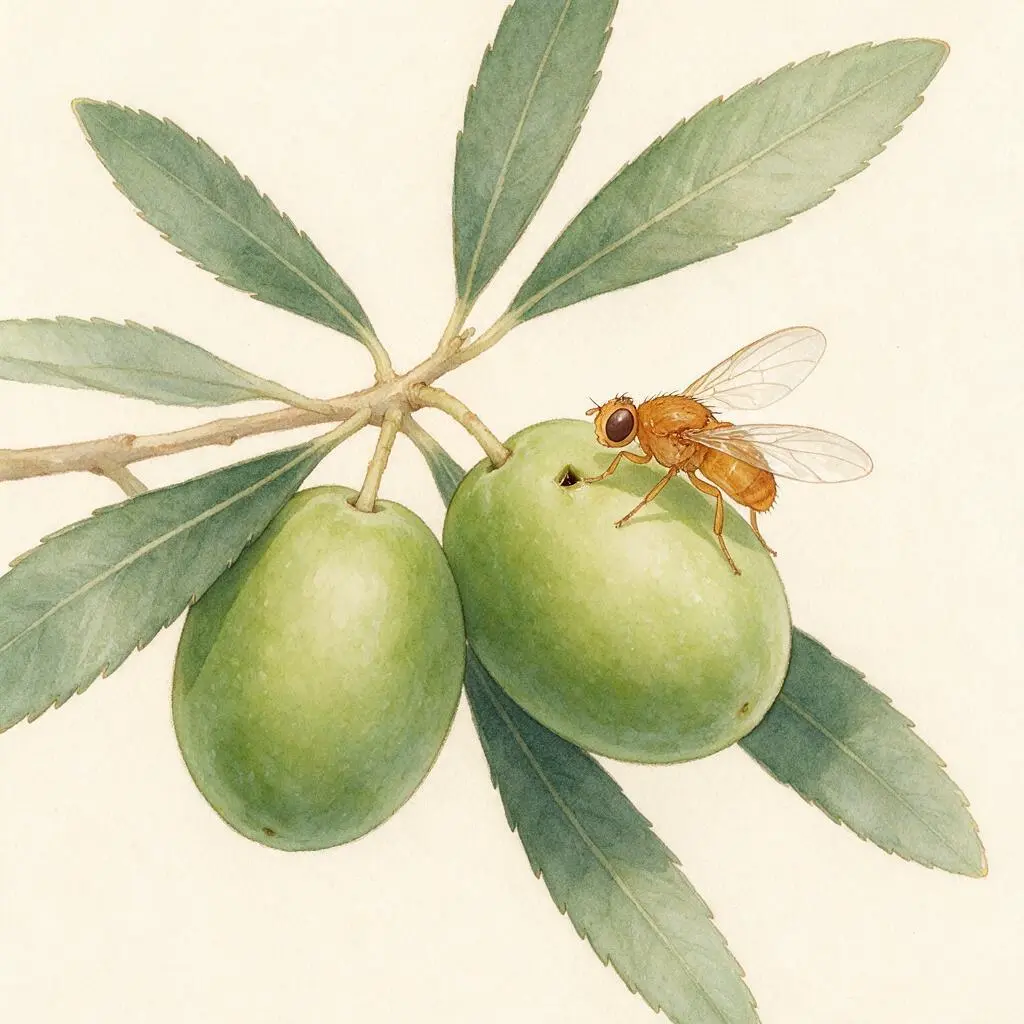
- Olive fruit flySeriousA fly specific to the olive tree whose larvae tunnel through the olives
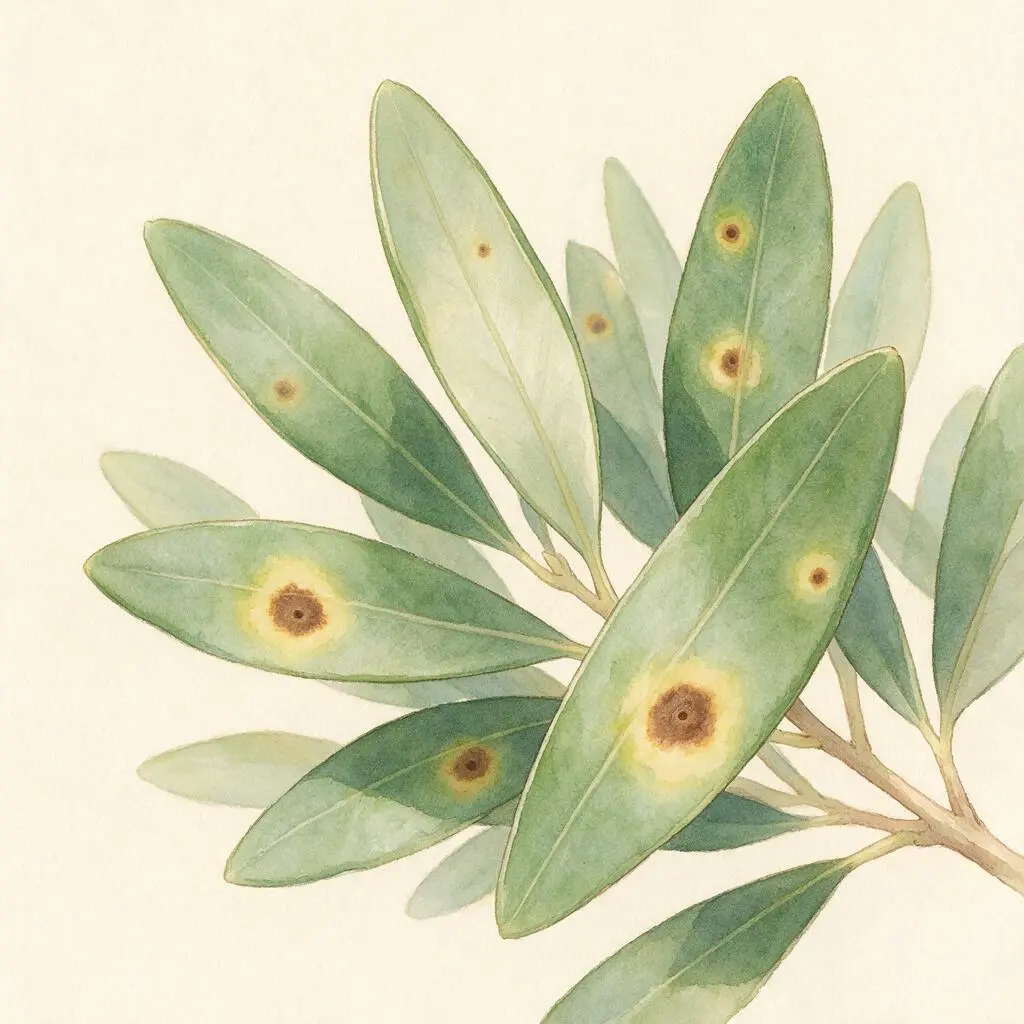
- Olive peacock spotSeriousA fungus characteristic of olive trees that forms round, dark spots with a yellow halo (‘peacock eye’ or ‘bird
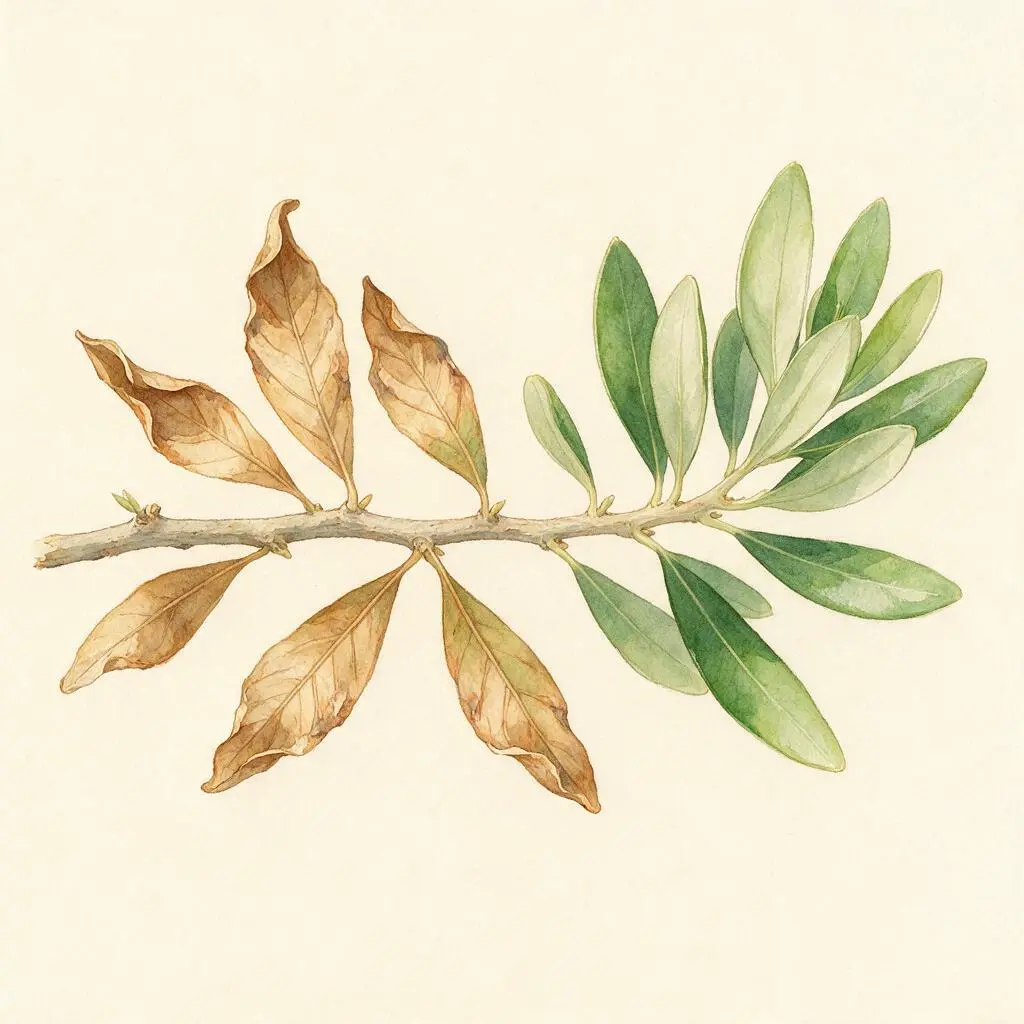
- Verticillium wiltSeriousA soil fungus that blocks the water-conducting vessels
No known toxicity to people or pets
The olive tree is not toxic; the olive stone can cause choking or a blockage in pets.