Credits and licences
- #1 — vueltaalhuerto illustration
- #2 — vueltaalhuerto illustration
- #3 — vueltaalhuerto illustration
- #4 — vueltaalhuerto illustration
- #5 — vueltaalhuerto illustration
- #6 — vueltaalhuerto illustration
- #7 — vueltaalhuerto illustration
- #8 — vueltaalhuerto illustration
- #9 — vueltaalhuerto illustration
- #10 — vueltaalhuerto illustration
- #11 — vueltaalhuerto illustration
- #12 — Forest and Kim Starr · CC BY 3.0 us see on Wikimedia
- #13 — Forest and Kim Starr · CC BY 3.0 us see on Wikimedia
- #14 — Peter O'Connor aka anemoneprojectors from Stevenage, United Kingdom · CC BY-SA 2.0 see on Wikimedia
- #15 — Forest and Kim Starr · CC BY 3.0 us see on Wikimedia
Pear tree 'Conference'
and 1 more names
Pyrus communisPear tree 'Conference' is planted from November to February. It is harvested from September to October. Grow it in full sun, 400 cm apart, with moderate watering. Dates are for a mild temperate climate in the northern hemisphere; the calendar below adjusts them to your zone.
The 'Conference' pear is elongated, with russeted skin and sweet flesh that ripens well off the tree. Productive and well suited to an Atlantic climate. Plant in full sun and thin the fruits to avoid broken branches.
Family and origin: Rose family (Rosaceae) · native to United Kingdom (1885), from the common European pear · More plants from Temperate Europe
01In your area
How will it do in your garden?
Year calendar
| Task | J | F | M | A | M | J | J | A | S | O | N | D |
|---|---|---|---|---|---|---|---|---|---|---|---|---|
| Plant / transplantNov–Feb | yes | yes | no | no | no | no | no | no | no | no | yes | yes |
| HarvestSep–Oct | no | no | no | no | no | no | no | no | yes | yes | no | no |
| FloweringMar–Apr | no | no | yes | yes | no | no | no | no | no | no | no | no |
| PruningDec–Feb | yes | yes | no | no | no | no | no | no | no | no | no | yes |
Its life cycle at a glance
Swipe and tap a stage to see its details.
02Planting
Where and how to plant it
Leave 4 m between plants.
4 m between plants
Seedlings are planted with the root ball level with the soil.
- In a square-foot bed
- 1 plant every 196 squares30 × 30 cm squares
- Transplanting
- Nov–Feb
03Care
Care through the year
Sun and aspectFull sun · 8 h of sun · South or south-west, with nothing casting shade at midday
- Too little sun
- Ideal range
- Plenty of sun
South or south-west, with nothing casting shade at midday
Strong sun: Loves full midday sun and high temperatures.
WateringMoist but never waterlogged · summer: every 2-3 days
- Summerevery 2-3 days30 L per tree/week
- Spring / Autumnevery 4-5 days15 L per tree/week
- Winterevery 2-3 weeks4.5 L per tree/week
Moist but never waterlogged: Water before the surface is completely dry. Never puddles. Mulch: straw or dry plant material cuts watering by 30-50 %.
When to water? Push your finger 3 cm into the soil next to the base of the plant:
- Damp: soil sticks to your finger. Do not water today. The moisture is fine.
- Cool but clean, no mud. Water early tomorrow if it stays like this, or this evening.
- Dry and dusty. Water now, and deeply. This is not where it likes to be.
Soil and feedingA deep planting hole and well-drained soil
A deep planting hole and well-drained soil.
The site's own topsoil + 1/3 well-rotted compost + a handful of sand if there is clay.
Good: prolonged waterlogging rots the roots.
This plant prefers a pH between 6.0 and 7.0 (slightly acidic to neutral).
- Dig a hole at least 60×60×60 cm before planting.
- A thick mulch around the tree (not touching the trunk) reduces water stress.
- Spread compost on the surface every autumn; never bury the graft union.
- A narrow hole in hard ground: the roots end up trapped as if in a pot.
- Burying the graft encourages rot and takes vigour away from the rootstock.
- Common mistakeDo not bury the graft union (the bulge on the trunk): if it ends up below ground it rots. Leave it a little above the soil.
PruningWhen: Dec–Feb
Pruning time for this plant: Dec–Feb.
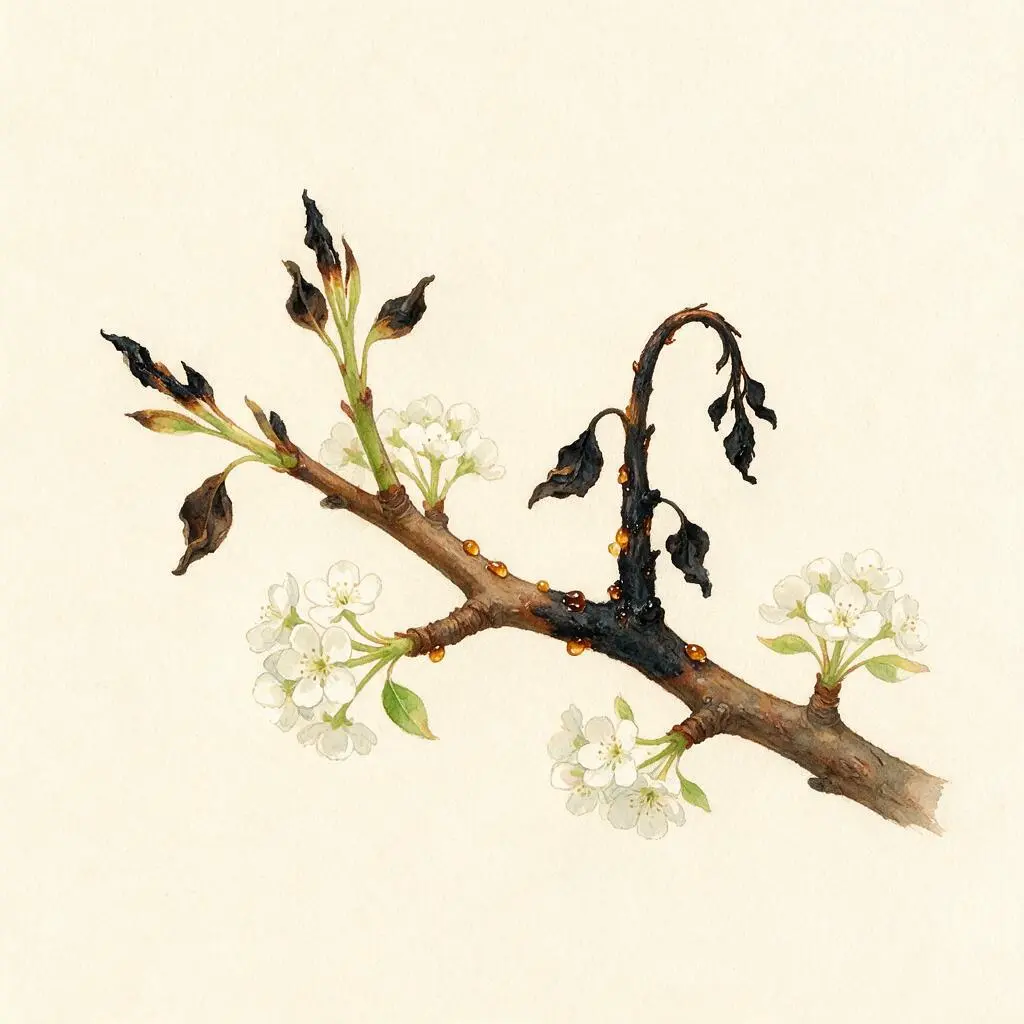
- TipAvoid hard pruning in winter, because it fruits on spurs on wood that is two years old or more, and watch out for fireblight: cut well below any branch that blackens as if scorched.
- TipPlant while dormant (autumn to winter) and shape the canopy by pruning in the first few years.
Common mistakes and tips
- TipIt is partly self-fertile and can set pears without pollination, which are longer than usual; with another pear tree nearby that flowers at the same time the crop is more regular.
04Harvest
Harvesting and storing
Harvest in Sep–Oct.
- TipHarvest the pears while still green and hard, when they come away easily as you lift them, and let them ripen off the tree for a week at room temperature.
- TipA good mulch and drip irrigation in summer make all the difference to the harvest.
05Propagation
Make new plants
Plant bare-root from November to February, while the tree is dormant. Nurseries also sell it in containers (to plant at any time, preferably in spring or autumn).
06Uses and health
What it is used for, and with what care
The flesh is wholesome; the pips contain cyanogenic compounds. Do not give the core to pets. If a pet eats a lot of seeds, see the vet.
- Properties
- A juicy pear rich in fibre and potassium; easy to digest.
- Uses
- Fresh or cooked fruit.
For guidance only; this is not medical treatment and does not replace advice from a doctor or vet.
07Companions and related plants
What to plant it with
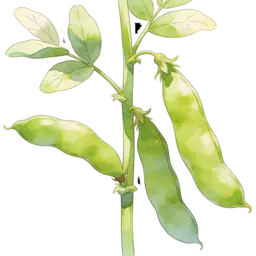
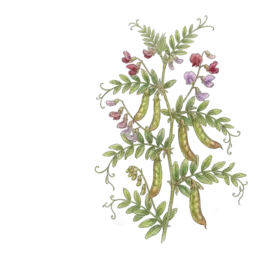
Keep apart
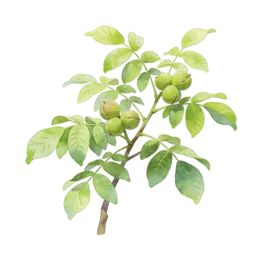
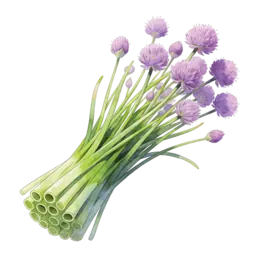
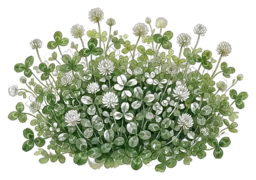
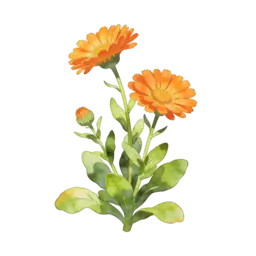
Group it in the same bedPlants with the same watering or the same sun
They are not essential companions, but you will not have to water or position them differently.
Compare with similar varieties
| Variety | Sowing | Harvest | Days | Spacing | Difficulty |
|---|---|---|---|---|---|
| Pear tree 'Blanquilla' | Nov–Feb | Jul–Aug | — | 400 cm | Moderate |
| Pear tree 'Conference' | Nov–Feb | Sep–Oct | — | 400 cm | Moderate |
| Pear tree 'Ercolini' | Nov–Feb | Jun–Jul | — | 400 cm | Moderate |
| Williams pear (Bartlett) | Nov–Feb | Aug–Sep | — | 400 cm | Moderate |
| Nashi pear | Nov–Mar | Aug–Oct | — | 400 cm | Moderate |
08Pests and diseases
Critters and ailments to keep an eye on
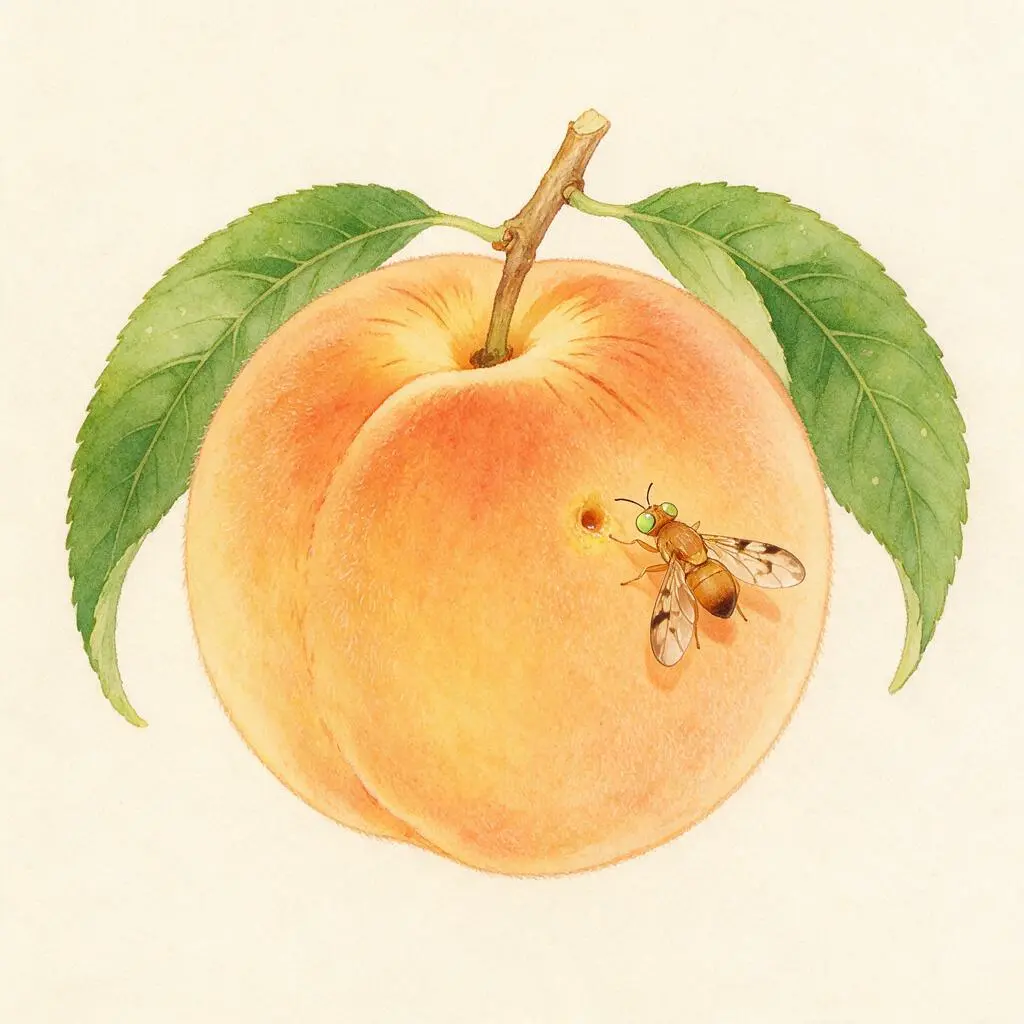
The most common ones on this plant. Tap one to see how to recognise it and what to do.