Credits and licences
- #1 — vueltaalhuerto illustration
- #2 — vueltaalhuerto illustration
- #3 — vueltaalhuerto illustration
- #4 — vueltaalhuerto illustration
- #5 — vueltaalhuerto illustration
- #6 — vueltaalhuerto illustration
- #7 — vueltaalhuerto illustration
- #8 — vueltaalhuerto illustration
- #9 — vueltaalhuerto illustration
- #10 — vueltaalhuerto illustration
Cherry plum (purple-leaf)
and 4 more names
Prunus cerasifera, Prunus cerasifera 'Nigra', Prunus cerasifera 'Pissardii', plumCherry plum (purple-leaf) is sown directly outdoors from October to November. It flowers from February to March. Grow it in full sun, 500 cm apart, with moderate watering. Dates are for a mild temperate climate in the northern hemisphere; the calendar below adjusts them to your zone.
What else to sow in October and November
A small tree 5 to 8 m tall, with a rounded crown and slender branches, widely grown as an ornamental for its dark reddish-purple leaves, which last all summer in varieties such as 'Nigra' or 'Pissardii'. In late winter and early spring, before the leaves appear, it is covered in pale pink or white flowers that are much visited by bees. Afterwards it bears small, round plums 2 to 3 cm across, dark red or purple, edible but sour and very variable in flavour, which ripen in summer. The species itself, with green leaves, is called myrobalan and is widely used as a rootstock for other fruit trees. It is hardy, withstanding cold, moderate drought and pollution, and adapts to almost any soil. The stones and leaves contain cyanogenic compounds, which are toxic if chewed or crushed.
Family and origin: Rose family (Rosaceae) · native to The Balkans, the Caucasus and western Asia; naturalised in much of Europe · More plants from Fertile Crescent
01In your area
How will it do in your garden?
Year calendar
| Task | J | F | M | A | M | J | J | A | S | O | N | D |
|---|---|---|---|---|---|---|---|---|---|---|---|---|
| Direct sowingOct–Nov | no | no | no | no | no | no | no | no | no | yes | yes | no |
| Plant / transplantNov–Feb | yes | yes | no | no | no | no | no | no | no | no | yes | yes |
| HarvestJul–Aug | no | no | no | no | no | no | yes | yes | no | no | no | no |
| FloweringFeb–Mar | no | yes | yes | no | no | no | no | no | no | no | no | no |
| PruningJun–Jul | no | no | no | no | no | yes | yes | no | no | no | no | no |
| CuttingsDec–Feb | yes | yes | no | no | no | no | no | no | no | no | no | yes |
Its life cycle at a glance
Swipe and tap a stage to see its details.
02Planting
Where and how to plant it
Sow the seed 3 cm deep; leave 5 m between plants and 5 m between rows.
5 m between plants · 5 m between rows
Seed at a depth of 3 cm; seedlings go in with the root ball level with the soil.
- Transplanting
- Nov–Feb
- Direct sowing
- Oct–Nov
- Common mistakePlanting too deep smothers the crown of the plant.
03Care
Care through the year
Sun and aspectFull sun · 8 h of sun · South or south-west, with nothing casting shade at midday
- Too little sun
- Ideal range
- Plenty of sun
South or south-west, with nothing casting shade at midday
Strong sun: Loves full midday sun and high temperatures.
Full sun: in shade the leaves lose their reddish-purple colour and turn greenish, and it flowers less.
- TipPlant it in full sun, in winter, with healthy roots, and stake it for the first few years.
WateringMoist but never waterlogged · summer: every 2-3 days
- Summerevery 2-3 days6 L per plant/week
- Spring / Autumnevery 4-5 days3 L per plant/week
- Winterevery 2-3 weeks0.9 L per plant/week
Moist but never waterlogged: Water before the surface is completely dry. Never puddles. Mulch: straw or dry plant material cuts watering by 30-50 %.
Water regularly for the first two summers. After that it tolerates moderate drought well, although in long, dry summers it appreciates a deep watering every two or three weeks. Avoid waterlogging.
When to water? Push your finger 3 cm into the soil next to the base of the plant:
- Damp: soil sticks to your finger. Do not water today. The moisture is fine.
- Cool but clean, no mud. Water early tomorrow if it stays like this, or this evening.
- Dry and dusty. Water now, and deeply. This is not where it likes to be.
- TipWater generously in the first year until it is established; after that it looks after itself.
Soil and feedingpH 6–8 · Deep soil with good drainage
Deep soil with good drainage.
Medium/high.
This plant prefers a pH between 6.0 and 8.0 (slightly acidic to alkaline).
- Water generously in the first year until it is established.
- A thick mulch all year round, not touching the trunk.
PruningWhen: Jun–Jul
Pruning time for this plant: Jun–Jul.
- TipPrune lightly, in summer or just after flowering, never in autumn or in a wet winter, because the cuts become infected with fungi.
- TipRemove suckers coming from the base and any green-leaved shoots that appear.
- TipFormative pruning after flowering keeps the shape compact.
- Common mistakePruning at the wrong time removes the year's flower buds.
04Harvest
Harvesting and storing
Harvest in Jul–Aug.
- TipHarvest the plums when they are soft and coloured, and eat them or make them into jam and jelly without breaking or crushing the stone.
05Propagation
Make new plants
Red-leaved varieties are propagated by budding or grafting onto a seed-raised myrobalan rootstock, which is what nurseries do and the surest way to keep the colour. They can also be propagated from hardwood cuttings taken in winter, 20 to 25 cm long, with buds, pushed halfway into a sandy potting mix; they root easily, but not always. The species is propagated by seed: sow the stones in autumn about 3 cm deep, or chill them for about three months in moist sand; seedlings of a red variety do not come true and many revert to green leaves. Remove suckers from the rootstock.
06Uses and health
What it is used for, and with what care
WARNING: the ripe flesh is edible, but the stone (the seed inside), leaves, bark and twigs contain cyanogenic glycosides that can release cyanide if chewed or crushed; do not eat them, do not crush them for home-made preparations and do not use them in herbal teas. Wilted leaves are particularly dangerous to livestock, so do not leave prunings within reach of horses, goats or sheep. In dogs and cats, nibbling stones or leaves is dangerous, and whole stones can cause choking or a blockage: pick up fallen fruit and consult the vet if any is eaten. The colour of the fruit does not indicate whether it is ripe or safe.
- Properties
- It is a very hardy ornamental, with early flowers much visited by bees and red leaves all summer, which also produces edible plums.
- Uses
- The ripe plums, with sour flesh and variable flavour, are eaten fresh or made into jam, jelly and compote. Always remove the stone whole without breaking it. The leaves, bark and seeds are not used, nor are they used in herbal teas or home remedies.
For guidance only; this is not medical treatment and does not replace advice from a doctor or vet.
07Companions and related plants
What to plant it with


Compare with similar varieties
| Variety | Sowing | Harvest | Days | Spacing | Difficulty |
|---|---|---|---|---|---|
| Greengage 'Claudia Verde' | Nov–Feb | Jul–Aug | — | 500 cm | Easy |
| Japanese plum 'Golden Japan' | Nov–Feb | Jun–Jul | — | 450 cm | Moderate |
| Greengage 'Reina Claudia Dorada' | Nov–Feb | Jul–Aug | — | 450 cm | Moderate |
| Japanese plum 'Santa Rosa' | Nov–Feb | Jun–Jul | — | 400 cm | Moderate |
| Cherry plum (purple-leaf) | Oct–Nov | Jul–Aug | — | 500 cm | Easy |
08Pests and diseases
Critters and ailments to keep an eye on
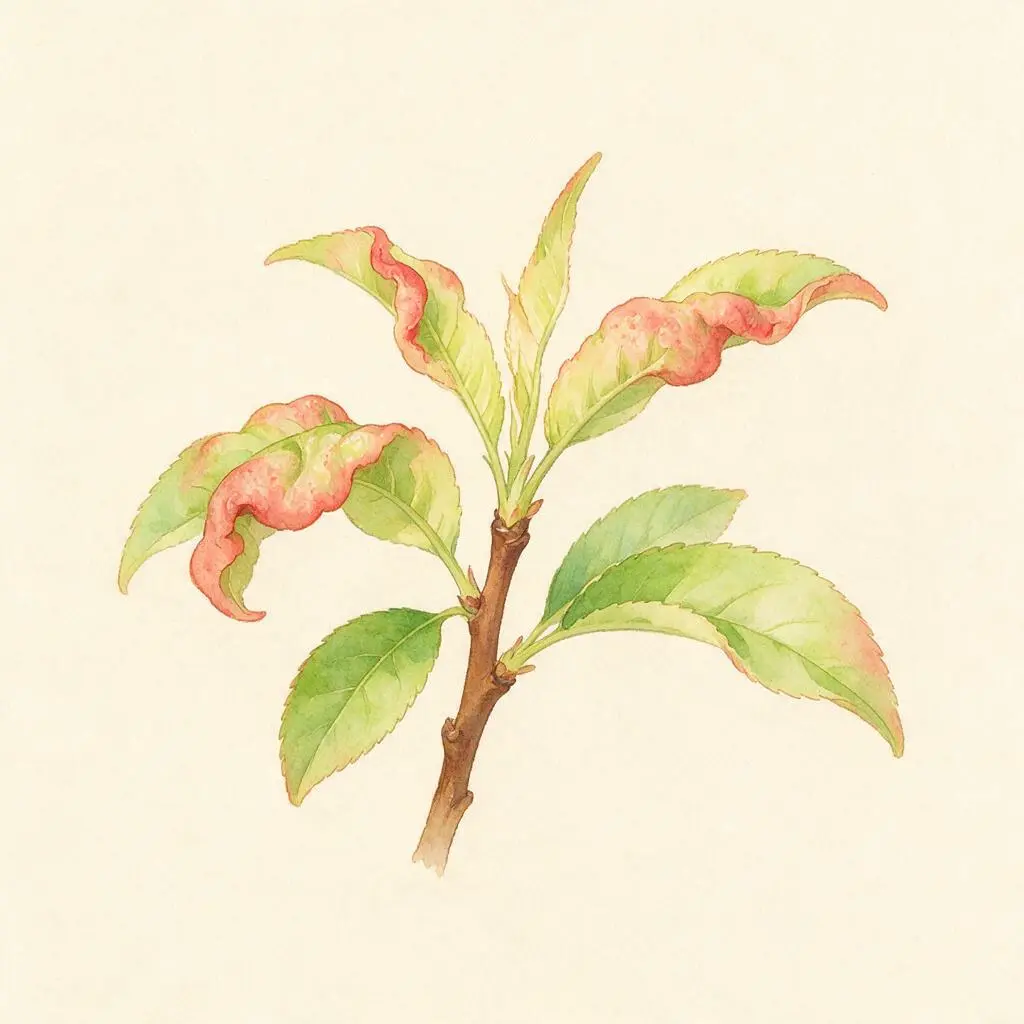
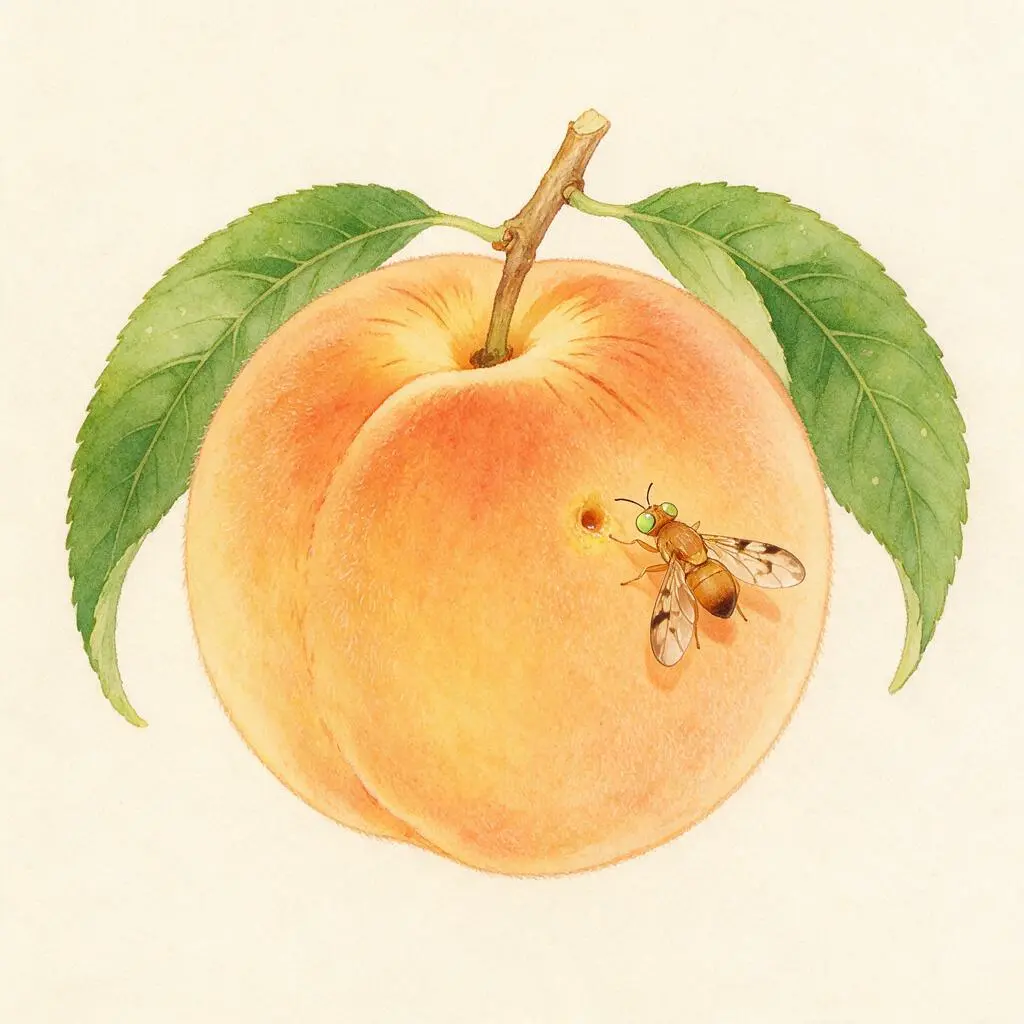
The most common ones on this plant. Tap one to see how to recognise it and what to do.